The Short Answer
The fastest way to separate body lice bites vs bed bug bites is to look where the pest lives, not just where you itch. Body lice live in the seams and folds of clothing, crawling onto the skin only to feed. Bed bugs live in mattresses, box springs, bed frames, and nearby furniture, crawling out at night to feed on sleeping people. That single difference, clothing versus bedding, drives everything else: where the bites appear, how you confirm the infestation, and how seriously the medical stakes run. Body lice can transmit serious diseases including epidemic typhus, trench fever, and relapsing fever, according to the CDC, which makes correct identification genuinely important. Bed bugs, miserable as they are, are not known to transmit disease to humans.
This is not the same question as head lice versus bed bugs, which we covered separately. Body lice are a different species with different habits: they infest clothing rather than hair, they bite the torso rather than the scalp, and they carry disease risks that head lice do not. If you are finding itchy bites and cannot tell which pest is responsible, this guide walks through the visual differences, the inspection techniques that actually work, and the treatment paths, with the consistent reminder that a healthcare provider should confirm any suspected infestation rather than leaving it to internet self-diagnosis.
The Core Difference: Where Each Pest Lives
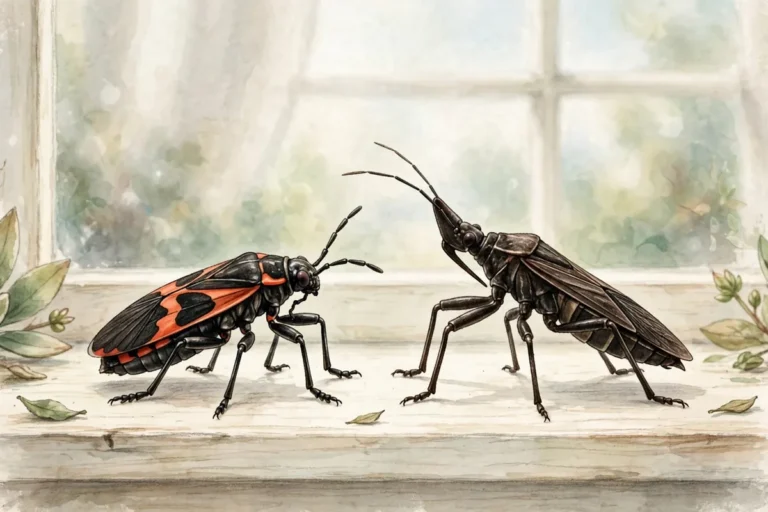
Everything about telling these two apart starts with habitat. Body lice (Pediculus humanus humanus) live and lay their eggs in the seams of clothing, particularly around the waistline, under the armpits, and along underwear elastic. They move onto the skin to take a blood meal and then retreat to the fabric. An adult body louse is about the size of a sesame seed, tan to grayish-white, with six legs. If the louse falls off clothing and cannot feed, it dies within one to two days without a blood meal (current CDC guidance), which is why the clothing itself is the infestation site.
Bed bugs (Cimex lectularius) live in the sleeping environment: mattress seams, box springs, bed frames, headboards, and nearby furniture or baseboards. They are flat, oval, reddish-brown insects about the size of an apple seed. They emerge at night, feed for several minutes on exposed skin, and retreat to their hiding places before dawn. The bed is the infestation site, and the bites appear on the sleeper.
Why Habitat Determines the Bite Pattern
Because body lice feed from clothing, their bites concentrate where fabric presses against skin: the waistline, the shoulders under straps, the armpits, the groin where underwear sits. Because bed bugs feed on sleepers, their bites concentrate on skin that is exposed during sleep: the face, neck, arms, and hands, often in the small clusters or lines people describe as “breakfast, lunch, and dinner.” If your bites are mostly on the torso under clothing, think clothing. If they are mostly on exposed skin after nights in a particular bed, think bed.
What the Bites Look and Feel Like

Honestly, the bites themselves overlap enough that appearance alone is a weak diagnostic tool, and this is where self-diagnosis most often goes wrong. Both cause small, red, itchy bumps. Both can be scratched into larger irritated areas. Both can trigger stronger reactions in sensitive individuals. That said, there are tendencies worth knowing, as long as you treat them as clues rather than conclusions.
Body lice bites tend to appear as small red papules with intense itching, often with tiny blood spots on clothing or sheets where feeding occurred. In long-standing infestations, repeated biting can cause thickened, discolored skin in the affected areas, a condition sometimes called “vagabond’s disease,” though that reflects months of infestation, not a typical early case. The itching from body lice is often described as most intense where clothing is tightest.
Bed bug bites are classically described as small red welts, sometimes with a darker center, appearing in clusters or rough lines of three. They are intensely itchy for most people, though a significant minority barely reacts at all, which is one reason infestations spread unnoticed. Bed bug bites can take hours to a day or more to appear after feeding, so the timing of “new bites each morning” is a better clue than any single bump’s appearance.
The Limits of Visual Diagnosis
Dermatologists will tell you that no bug bite can be identified with certainty from appearance alone. Bite reactions vary more between people than between pest species: one person’s dramatic welt is another person’s faint pink dot, from the same insect. Online photo comparisons are useful for orientation but dangerous as verdicts. If you need certainty, and with body lice you do, because of the disease question discussed below, the reliable path is finding the actual pest or its eggs, plus confirmation from a healthcare provider.
How to Inspect: Clothing Seams vs the Mattress
Inspection is where the clothing-versus-bedding distinction pays off, because each pest leaves its evidence in its own habitat. You are not looking for bites here. You are looking for the insects and their eggs.
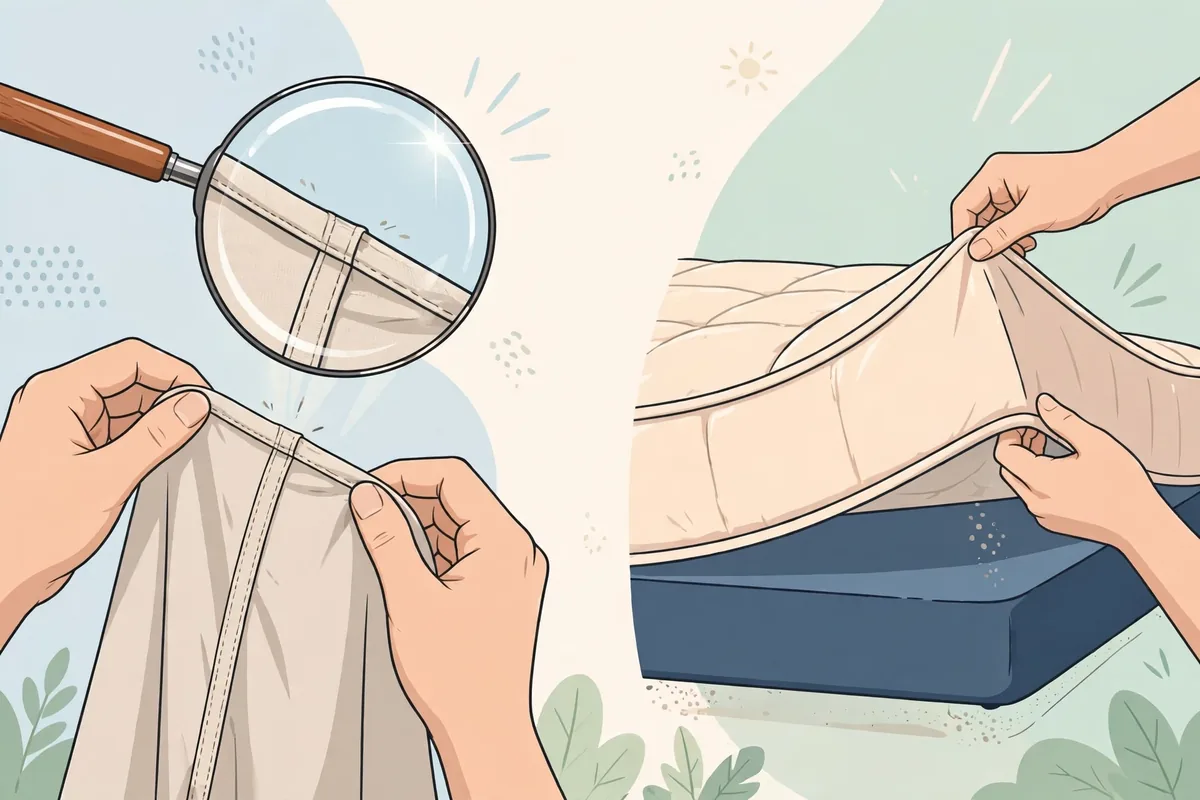
To check for body lice, examine the inner seams of clothing, especially underwear, waistbands, and shirts worn close to the body. Look for tiny yellowish-white oval eggs (nits) cemented to fabric fibers in the seams, and for small tan crawling lice, most visible around the waistline and armpits. A magnifying lens helps. Body lice and nits are large enough to see with the naked eye, but they are small and easy to miss in a quick glance. Check clothing that has been worn for several days rather than freshly laundered items.
To check for bed bugs, strip the bed and examine mattress seams, tufts, and piping with a flashlight, looking for live bugs, shed skins, and dark rust-colored fecal spots. Check the box spring, bed frame joints, and headboard, then move outward to nightstands and baseboards within a few feet of the bed. Bed bugs also leave tiny white eggs in cracks, though these are harder to spot than the dark fecal spotting that usually gives an infestation away.
Inspection Mistakes That Waste Your Time
The most common mistake is inspecting the wrong habitat: searching the mattress for body lice or the clothing for bed bugs. The second is treating a single inspection as conclusive. Both pests are skilled hiders, and a quick look that finds nothing proves little. The third is confusing body lice with head lice or pubic lice, which live on the body itself rather than in clothing. Each louse type has its own habitat and its own treatment logic, so lumping them together leads to wrong moves.
Side-by-Side Comparison
| Feature | Body Lice | Bed Bugs |
|---|---|---|
| Scientific name | Pediculus humanus humanus | Cimex lectularius |
| Where it lives | Seams and folds of clothing | Mattress, box spring, bed frame, nearby furniture |
| Size and appearance | Sesame-seed size, tan to grayish-white, 6 legs | Apple-seed size, flat oval, reddish-brown |
| Where bites appear | Torso where clothing presses: waistline, armpits, shoulders, groin | Exposed skin during sleep: face, neck, arms, hands |
| Bite pattern tendency | Scattered papules at clothing pressure points; blood spots on fabric | Clusters or lines of small welts; delayed appearance |
| Feeding behavior | Crawls from clothing to skin to feed, then retreats | Emerges at night, feeds minutes, retreats before dawn |
| Disease transmission | Yes: epidemic typhus, trench fever, relapsing fever (CDC) | Not known to transmit disease to humans |
| Primary treatment | Hygiene: hot laundering, clean clothes; medical guidance for medication | Professional pest control; encasements; heat treatment |
| Who is most affected | People in crowded conditions with limited laundry access | Anyone; spread through travel, used furniture, multi-unit housing |
The Disease Question: Why Correct Identification Matters
This is the section that makes accurate identification more than an academic exercise. According to the CDC, body lice are vectors of three significant diseases: epidemic typhus (caused by Rickettsia prowazekii), trench fever (Bartonella quintana), and epidemic relapsing fever (Borrelia recurrentis). These are not historical curiosities. Trench fever and louse-borne relapsing fever still occur in vulnerable populations, and epidemic typhus remains a concern wherever body lice circulate in crowded conditions. The diseases spread when lice feces or crushed lice contact broken skin or mucous membranes, which is why scratching louse bites is particularly risky.
Bed bugs, by contrast, are not known to transmit any disease to humans despite decades of study. Researchers have looked hard, given how intimate the feeding relationship is, and the answer has consistently come back negative. Bed bugs cause intense itching, anxiety, sleep loss, and secondary skin infections from scratching, all of which are genuinely miserable, but infectious disease is not on the list.
What This Means for Your Response
If you suspect body lice, the disease risk is the reason to involve a healthcare provider promptly rather than trying to handle it alone. A clinician can confirm the identification, assess whether disease testing is warranted, and arrange treatment that addresses both the infestation and any associated health concerns. If you suspect bed bugs, the priority is stopping the infestation through professional pest control, since DIY approaches routinely fail and allow the population to spread to neighboring rooms or units. Either way, guessing wrong has costs: treating for bed bugs when the problem is body lice leaves a disease vector in place, and vice versa.
Treatment Paths: Hygiene First, Medical Guidance Always
The treatment logic for these two pests could hardly be more different, which is another reason correct identification matters so much. What works for one does nothing for the other.
Body lice treatment starts with hygiene, and the CDC is explicit that improved hygiene is often the entire cure. Bathe and change into clean clothes at least weekly. Launder all clothing, bedding, and towels used by the infested person in hot water, at least 130 degrees Fahrenheit, and machine dry on the hot cycle. This kills lice and eggs in the fabric, which is where the infestation lives. In some cases a healthcare provider may prescribe or recommend a pediculicide, a lice-killing medication, but the CDC notes this is generally unnecessary when hygiene and hot laundering are maintained. The key point: medication decisions belong with a clinician. Do not self-apply permethrin or other pesticide products to your body based on internet advice. Products formulated for head lice, scabies, or agricultural use have different concentrations, different application instructions, and different safety profiles, and using the wrong one can cause chemical burns or systemic toxicity. If a provider prescribes a pediculicide, apply it exactly as directed.
Bed bug treatment is a pest-control problem, not a hygiene problem, and this distinction matters enormously for the stigma discussion below. Bed bugs infest five-star hotels and spotless apartments; cleanliness does not prevent them. Effective treatment typically requires a licensed pest management professional, often using a combination of targeted insecticide application, heat treatment, mattress encasements, and monitoring. DIY foggers (“bug bombs”) are famously counterproductive: they scatter bed bugs deeper into walls and neighboring units while leaving the core harborage intact. Do not use foggers.
A Note on Stigma, Without Euphemism
Body lice are associated with crowded living conditions and limited access to laundry, which means they disproportionately affect people experiencing homelessness, displacement, or poverty. It is important to say clearly: having body lice is a consequence of circumstances, not character. Anyone without regular access to hot water and clean clothing changes can develop a body lice infestation, and the appropriate response is practical help, access to showers, laundry, and medical care, not shame. Public health outreach programs exist precisely because this is a solvable problem with hygiene resources. If you or someone you know is dealing with body lice in difficult circumstances, local health departments and community clinics can connect you with services confidentially. Bed bugs, meanwhile, carry their own unfair stigma; they are expert hitchhikers that ride luggage and furniture into any home regardless of housekeeping. Neither infestation says anything about the person experiencing it.
Prevention for Each Pest
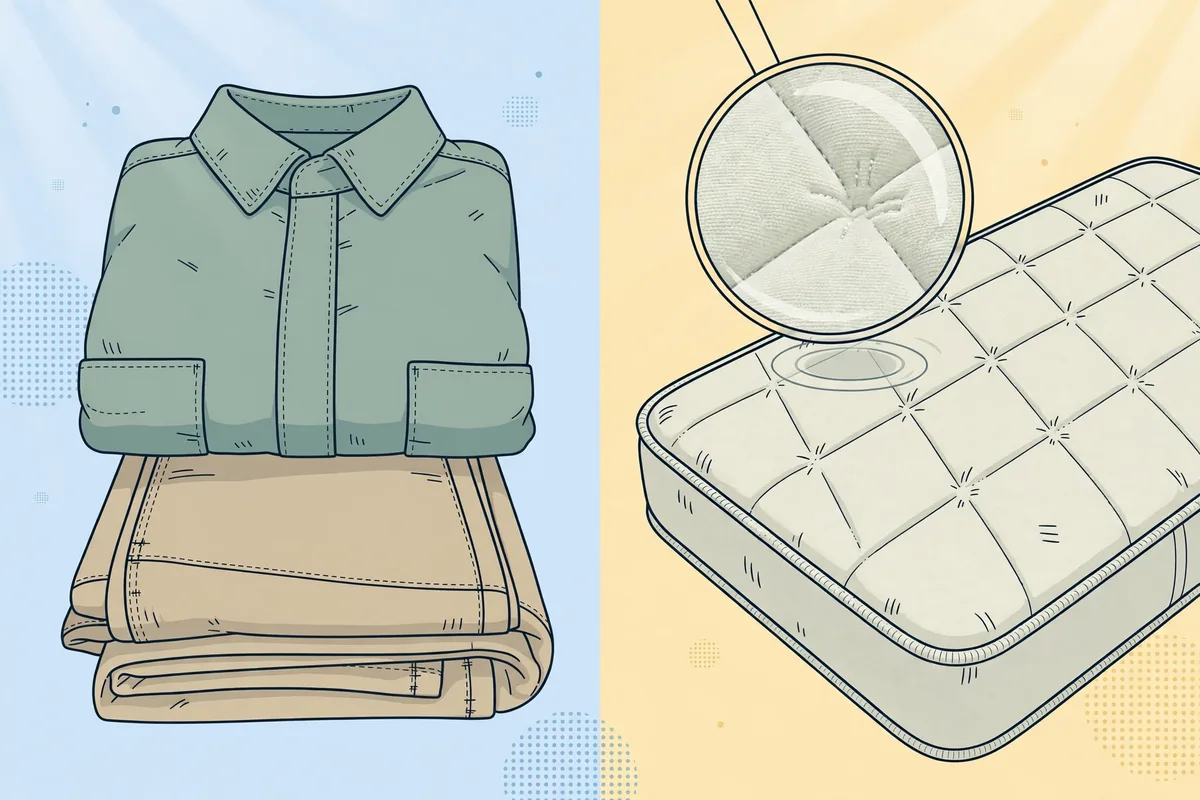
Prevention follows habitat. For body lice, prevention is straightforward: regular bathing, regular changes of clean clothing, and hot-water laundering of clothing and bedding. People in group living settings, shelters, or crowded housing should be especially consistent about laundry, since body lice spread through shared clothing and bedding. There is no repellent or preventive product to apply; the strategy is entirely about denying the lice their fabric habitat.
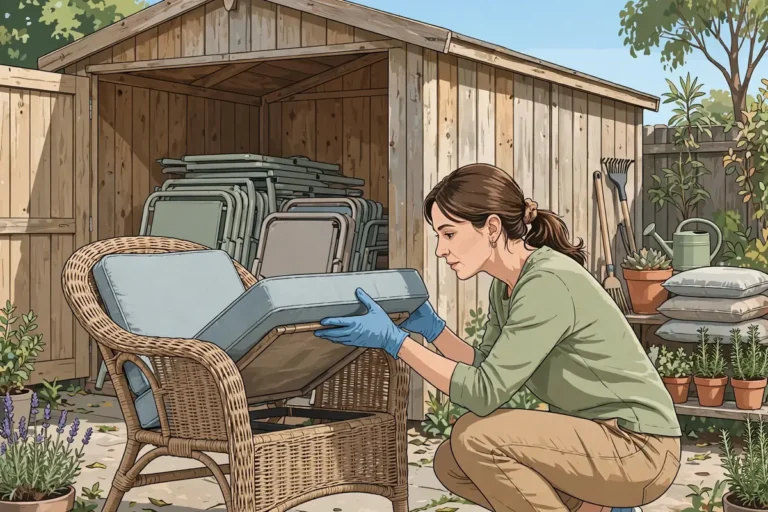
For bed bugs, prevention is about interception. When traveling, inspect hotel mattress seams on arrival and keep luggage on racks away from the bed. Be cautious with used furniture, especially bed frames and upholstered items; inspect seams and joints before bringing anything home. In multi-unit housing, reducing clutter near beds and using mattress encasements makes early detection easier. If you work in settings with high turnover, changing out of work clothes and laundering them hot after shifts is sensible. Our guide to identifying bites from photos can help you recognize the early signs, and the bite clue checklist walks through systematic identification.
When to See a Doctor
Because body lice carry disease risk, the threshold for medical care is lower than for most bite problems. Do not try to diagnose or treat a suspected body lice infestation entirely on your own.
See a healthcare provider promptly if you find lice or nits in clothing seams, if bites are concentrated at clothing pressure points and persist despite fresh clothing, or if you develop fever, rash, or severe headache alongside a suspected lice infestation, since these can signal louse-borne illness. Bring a sample of the suspect clothing in a sealed bag if you can; it helps the clinician confirm the identification quickly.
Seek urgent care for signs of serious infection or illness: high fever, confusion, severe headache with rash, or rapidly spreading skin redness with warmth and swelling around bite sites. Our bite warning signs page details the infection red flags.
Call 911 for any signs of anaphylaxis, difficulty breathing, facial or throat swelling, dizziness, after bites, though this is uncommon with these pests. The anaphylaxis guide covers what to watch for.
For suspected bed bugs without body-lice signs, a clinician can still help with itch management and ruling out other causes, while a licensed pest professional handles the infestation itself. Keep the two tracks separate: doctors treat people, exterminators treat buildings.
Frequently Asked Questions
Can you get body lice from bed bugs, or vice versa?
No. They are entirely different insects with different biology. Body lice are true lice that live in clothing; bed bugs are true bugs that live in furniture and bedding. One does not turn into or cause the other. However, the living conditions that favor one, crowded housing, frequent travel, can sometimes overlap, so finding one pest does not make the other impossible. Identify each on its own evidence.
Do body lice bite the head like head lice?
Generally no, and this is a useful distinction. Body lice live in clothing and bite the torso, while head lice live on the scalp and bite the scalp. They are closely related, in fact they are subspecies of the same species, but their habitats and habits differ. If the itching and visible lice are on the scalp, you are dealing with head lice, not body lice, and the treatment approach is different. When in doubt, a healthcare provider can distinguish them.
Can I treat body lice myself with lice shampoo from the drugstore?
Do not self-treat body lice with pesticide products based on internet advice. The CDC’s primary recommendation is hygiene: bathing, clean clothes, and hot-water laundering, which resolves most infestations without any medication. If medication is needed, the choice and application of a pediculicide should come from a healthcare provider who has confirmed the diagnosis. Products meant for head lice or scabies have different formulations and instructions, and misusing them can injure your skin or worse. See a clinician first.
How long do body lice live without a host?
Body lice die within one to two days off the host without a blood meal (current CDC guidance), and more practically, hot-water washing and hot drying kill them and their eggs immediately. This is why laundering is so effective: you do not need to fumigate a home or discard furniture for body lice the way you might for other pests. Focus effort on clothing, bedding, and towels, the fabric habitat, rather than on rooms or buildings.
Are bed bug bites or body lice bites more dangerous?
Body lice bites carry the greater medical concern because body lice can transmit epidemic typhus, trench fever, and relapsing fever, while bed bugs are not known to transmit disease. That said, “more dangerous” should not minimize bed bugs: their bites cause severe itching, sleep disruption, anxiety, and secondary infections, and infestations are notoriously difficult and expensive to eliminate. Both deserve prompt, correct action; they just require completely different actions.
Medically reviewed by Dr. Sarah Jones, MD.
This article is for informational purposes only and isn’t medical advice. If you’re worried about a bite or sting, talk to a healthcare professional.