
If you’re waking up with itchy bites and sleeping in full pajamas, a natural question comes up: can bed bugs bite through clothes? The question matters because it changes what you do next — whether new sleepwear will help, or whether you’re dealing with a bigger problem that clothing can’t solve.
The short answer is no, bed bugs can’t bite through fabric the way a mosquito might poke through a thin sock. But the honest, more useful answer is that clothes rarely stop them. Bed bugs are patient, resourceful feeders, and they routinely find ways around fabric rather than through it. Understanding the difference helps you take steps that actually reduce bites while you deal with the underlying infestation.
The Short Answer: No, But Here’s the Catch
Bed bugs cannot bite through clothing fabric. Their feeding apparatus is designed for skin, not for penetrating woven fibers, and most sleepwear — cotton, flannel, polyester, even thin t-shirt material — is an effective physical barrier on its own.
The catch is that clothing is full of openings. Collars gap. Sleeves ride up. Waistbands shift. Pant legs bunch. Bed bugs don’t need to pierce your shirt; they just walk under it. Once a bug reaches skin at any exposed edge — a wrist, an ankle, the neckline, the gap where your shirt meets your waistband — it can feed freely. That’s why people often find bites in rows along pajama cuffs, at the waistband, or around the neck and shoulders: these are the places where fabric edges meet skin.
So while the answer to “can bed bugs bite through clothes” is technically no, the practical reality is that ordinary sleepwear only slightly inconveniences them. Don’t let the reassuring “no” give you a false sense of security.
How Bed Bug Mouthparts Actually Work
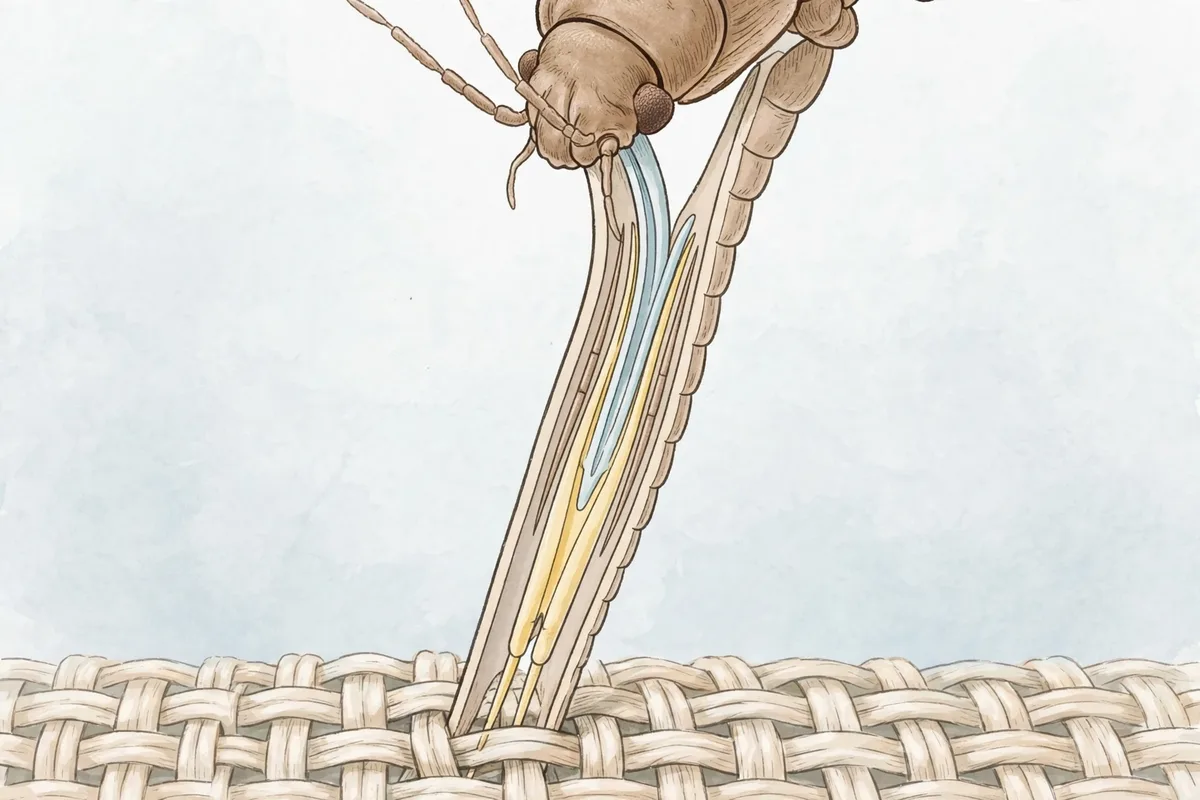
A bed bug feeds with a specialized structure called a proboscis — a hollow, needle-like beak folded under its head when not in use. When it feeds, it unfolds this proboscis and drives it into skin like a tiny straw, injecting saliva that contains mild anesthetic compounds (which is why you rarely feel the bite) and anticoagulants that keep blood flowing during the several-minute feed.
Here’s the key limitation: the proboscis is only about a millimeter long, and it works by direct contact with skin. It cannot drill, saw, or push through a woven fabric barrier. A mosquito has a similar proboscis and can sometimes pierce very thin, tight-weave synthetics when pressed firmly against skin — but mosquitoes have longer, sharper mouthparts and feed in a single quick stab. Bed bugs feed more slowly and delicately, often probing several times before settling. They lack the mechanical advantage to push through cloth.
Understanding this matters because it tells you where the real battle is: not the fabric itself, but the edges and gaps. A bed bug that lands on your sleeve doesn’t try to bite through it. It walks. Bed bugs are flat, excellent climbers, and comfortable navigating fabric folds, seams, and elastic bands. Your clothing is terrain to them, not armor.
Why Bites Still Appear When You’re Covered Up (Loose Fabric, Gaps)
Most covered-up bites happen for one of a few simple reasons:
Fabric shifts during sleep. You toss, turn, and stretch. A long sleeve rides to the elbow. A pant leg climbs to the calf. A shirt pulls free from the waistband. Each shift creates a window of exposed skin that a feeding bug exploits. Bed bugs typically feed for 3–10 minutes in the deep night, so even a brief exposure window is plenty.
Loose clothing creates tunnels. Baggy pajama pants, wide sleeves, and loose nightshirts drape over skin without touching it — which sounds protective but actually gives bed bugs sheltered corridors to walk under. The bug travels beneath the fabric, fully hidden, and feeds where the fabric lifts. This is why loose pajamas can paradoxically lead to bites that look like they went “through” clothing.
Gaps at elastic and collars. Waistbands, wrist cuffs, ankle cuffs, and necklines are natural entry points. Elastic doesn’t seal against skin tightly enough to stop a flat, millimeter-scale insect. Bugs slip under these edges easily, and they often feed right along the edge — which explains the classic complaint of bites tracing a waistband or cuff line.
Thin spots and worn fabric. Very old, threadbare areas of a garment — worn-thin knees, stretched-out necklines, near-transparent vintage cotton — technically still block bites, but they offer less margin. This is a minor factor compared to gaps and shifting, but it’s real.
Tight vs. Loose Clothing: What Helps and What Doesn’t
Neither tight nor loose clothing is a reliable defense, but they fail in different ways, and one is modestly better:
Snug, well-fitted sleepwear is the better option. Long pants and a long-sleeve top that stay close to the skin minimize the gaps and tunnels bed bugs exploit. Clothing with minimal slack is harder to crawl under, and snug cuffs at the wrists and ankles (think fitted sweatshirt cuffs, not tourniquet-tight) leave fewer entry points. The fabric still isn’t being bitten through — it just leaves less navigable space.
Loose, baggy sleepwear offers the least protection. Billowy sleeves and wide pant legs create the sheltered pathways described above. Flowing nightgowns, baggy boxers with a t-shirt, and oversized sleep shirts are the least effective choices for bite prevention.
Tight compression garments are not recommended as a strategy. Very tight clothing can irritate already-bitten skin, trap heat and sweat (which attracts bed bugs — they home in on body heat and carbon dioxide), and cause discomfort that disrupts sleep. You don’t need compression; you need coverage that stays in place.
What actually doesn’t help at all: wearing extra layers. Stacking two shirts or adding a robe doesn’t change the gap problem — bugs walk between layers as easily as under one. And no fabric treatment you can buy at a drugstore makes clothing bed-bug-proof; don’t trust sprays that promise otherwise.
The honest framing: good sleepwear reduces the number of bites, sometimes noticeably, but it does not prevent them. If you’re still getting bitten regularly despite coverage, the infestation needs professional treatment — clothing management is a comfort measure, not a solution. Learn to recognize the line-and-cluster pattern that confirms bed bugs are the culprit, and see our bite identification guide to make sure you’re dealing with the right insect.
Bites Along Pajama Lines Explained
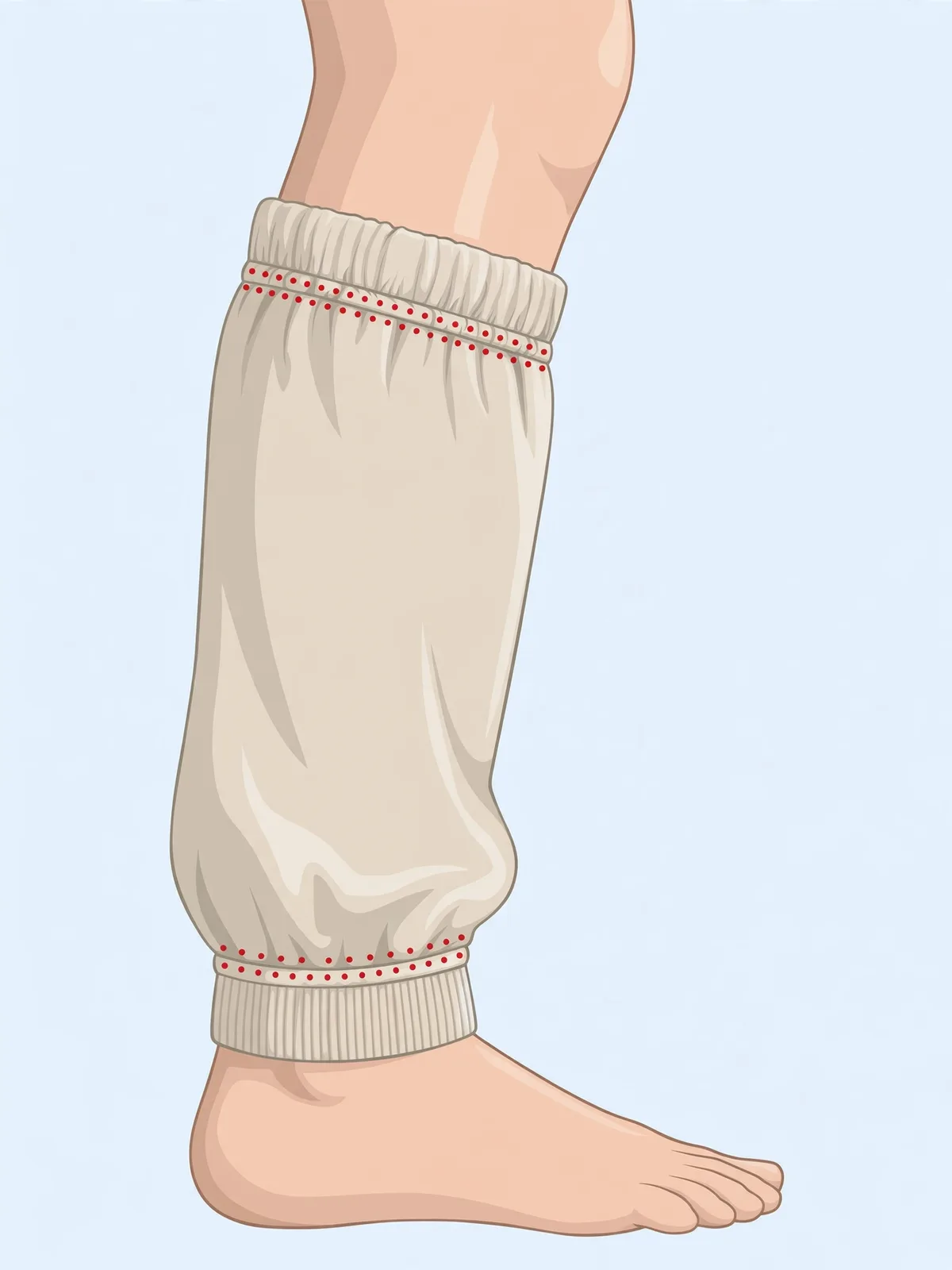
One of the most commonly reported experiences — and one that convinces many people the bugs bit through their pajamas — is finding bites in a neat row right along a waistband, cuff, or collar line. This pattern actually confirms the bugs went around the fabric, not through it.
Here’s what happens: a bed bug approaches your body during the night and encounters the edge of your waistband. It slips under the elastic, finds the thin strip of skin right at the fabric’s edge, and feeds there — the warmest, most accessible spot. It may feed, move a centimeter, and feed again, creating two or three bites in a line along the elastic. When you wake up, it looks like the bites follow the pajama line because they literally do — the bug was working the edge.
The same thing happens at sock lines, bra straps, and underwear elastic. Bites clustering at any clothing boundary are a hallmark of bed bugs feeding around barriers. If you’re seeing this pattern, it’s actually useful evidence: it strongly suggests bed bugs rather than, say, mosquitoes (which bite exposed skin randomly) or fleas (which concentrate on ankles and lower legs). This is distinct from the famous “breakfast, lunch, dinner” feeding trail — read about that pattern to understand how the two relate.
What to do about it: snugger-fitting waistbands and cuffs reduce the sheltered edge space, but again, this is mitigation. The real fix is confirming the infestation with physical evidence (cast skins, dark fecal spots along mattress seams, live bugs in box-spring crevices) and getting professional treatment.
Sleepwear Tips That Reduce Bites
While you arrange proper treatment, these practical steps can reduce how often you’re bitten:
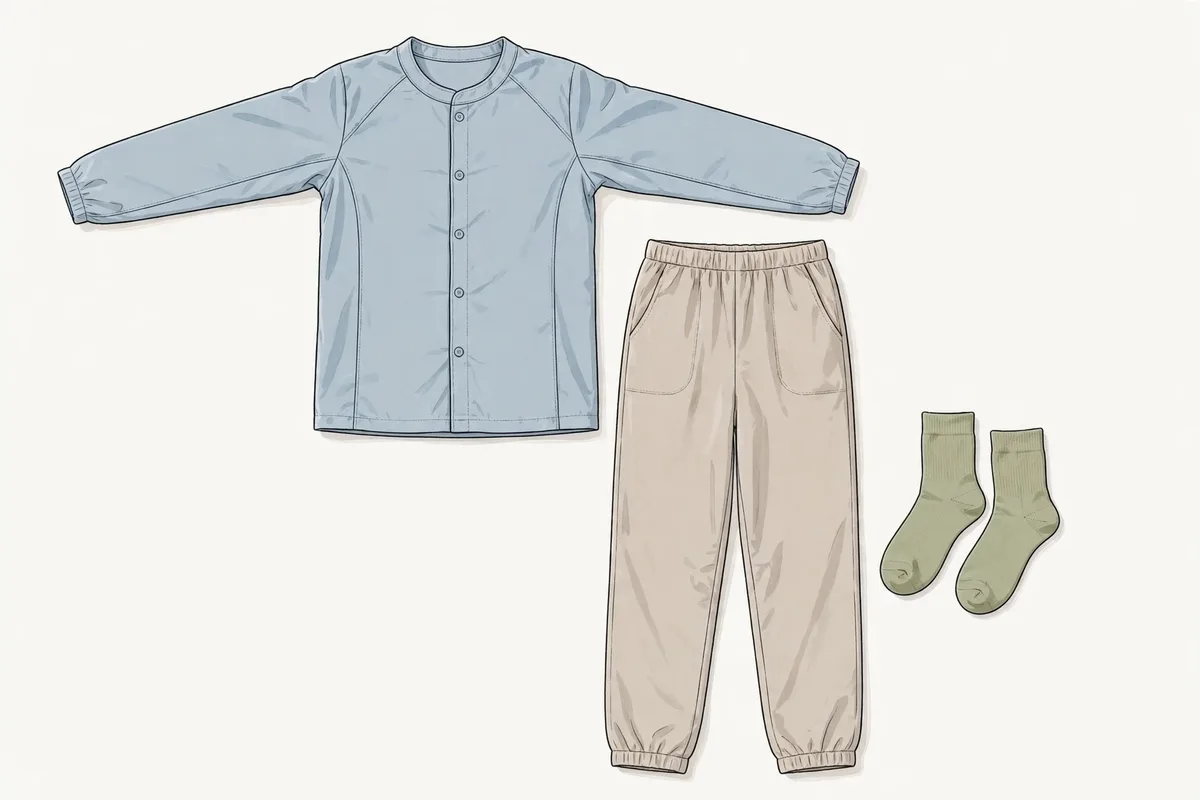
Wear long, fitted pajamas. Long pants and a long-sleeve top in a smooth fabric like cotton or a cotton blend. Fitted cuffs at wrists and ankles beat loose, flared openings.
Tuck your top into your pants. This closes the waistband gap, one of the most common feeding edges. It’s a small change that eliminates a favorite entry point.
Choose light-colored sleepwear. This doesn’t repel bugs, but it makes them easier to spot during the night if you wake up itchy — catching one in the act is definitive confirmation of an infestation.
Wear clean pajamas nightly. Bed bugs are attracted to human scent, and worn sleepwear carries more of it. Fresh pajamas each night slightly reduce attractiveness. Wash sleepwear and bedding in hot water (at least 130°F / 54°C) and dry on high heat for 30 minutes to kill bugs and eggs hiding in the fabric.
Keep bed linens smooth and tucked. While not clothing, tight-fitting sheets that don’t bunch reduce harborage folds near your body. Pull the fitted sheet taut and tuck the top sheet firmly.
Don’t sleep on the couch to escape bites. It’s tempting, but bed bugs will follow you — they’ll infest the couch too, spreading the problem to a second piece of furniture and doubling the eventual treatment cost. Stay in the bed, use interceptors under the legs, and call a professional.
Consider socks, but keep expectations modest. Snug (not tight) ankle socks close one entry point, but bugs simply redirect to the next gap. They’re a fine addition, not a strategy.
One more honest note: some people try sleeping in insect-repellent-treated clothing or applying repellent to pajamas. Standard mosquito repellents (DEET, picaridin) are formulated for exposed skin and short outings, not for all-night wear under covers, and their effectiveness against bed bugs is limited. Don’t apply strong repellents to sleepwear nightly without talking to a pharmacist or your doctor first.
When to See a Doctor
Bed bug bites themselves rarely cause medical problems — bed bugs are not known to transmit diseases to humans. But there are situations where a doctor’s visit is warranted:
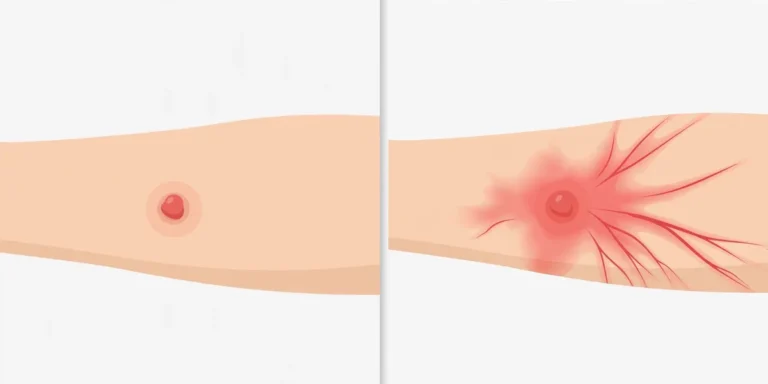
- Signs of skin infection: increasing redness, warmth, swelling, pain, pus, or red streaks spreading from a bite. These suggest cellulitis or another bacterial infection, which needs prescription treatment. Our dedicated guide on when to see a doctor for bed bug bites covers the warning signs in detail.
- Allergic reactions: large welts, widespread hives, blistering, or swelling well beyond the bite site. A small number of people develop significant allergic reactions to bed bug bites that need medical management.
- Bites that don’t heal: most bites resolve within 1–2 weeks. If a bite lingers beyond two weeks, keeps getting worse, or scabs repeatedly, get it checked.
- Sleep disruption and anxiety: this is legitimate. Chronic bed bug exposure causes real insomnia and stress for many people. If bites are affecting your sleep or mental health, mention it to your doctor — and prioritize getting the infestation treated, because the bites will continue until the bugs are gone.
- Bites on infants or immunocompromised individuals: err on the side of calling the pediatrician. See our guide to bed bug bites on babies for infant-specific guidance.
Emergency signs — trouble breathing, swelling of the face or throat, dizziness — are extremely rare with bed bugs but always warrant an ER visit or 911 call.
Frequently Asked Questions
Can bed bugs bite through a sheet or blanket?
No. Sheets and blankets are the same kind of woven barrier as clothing — bugs can’t bite through them. But they crawl under bedding effortlessly, and most bites happen on skin that’s exposed or at the edges of bedding. Tucking sheets tightly helps a little, but it isn’t a solution.
Do bed bugs prefer bare skin?
They prefer whatever skin they can reach. Exposed skin (hands, neck, face) gets bitten first because it’s the easiest path, but a bug will happily work its way under a sleeve or waistband. Covering up shifts where bites appear more than whether they appear.
Can bed bugs bite through jeans or thick denim?
No — denim is far too thick for their mouthparts. But jeans are rarely sleepwear, and during the day bed bugs are hiding, not feeding. Thickness of daytime clothing is mostly irrelevant since feeding happens at night.
If I wear long sleeves and still get bites on my arms, are they coming through the fabric?
Almost certainly not. Check the cuffs — sleeves ride up during sleep, and bugs feed at the exposed wrist or crawl under the cuff. Bites appearing above the cuff line on the forearm usually mean the sleeve shifted during the night.
Will sleeping in a sleeping bag stop bed bug bites?
A fully zipped sleeping bag with a small face opening reduces exposed skin, but bed bugs can enter through the zipper and face opening, and many people find it uncomfortable and hot. It’s a short-term travel workaround at best, not a home strategy — and if the bag itself becomes infested, you’ve created a mobile harborage.
This article is for informational purposes only and isn’t medical advice. If you’re worried about a bite or sting, talk to a healthcare professional.