A brown dog tick bite is one type of tick bite; the skin mark alone cannot identify it. The useful difference is exposure context: brown dog ticks primarily feed on dogs and can infest homes or kennels. Remove attached ticks promptly, seek care for concerning symptoms, and address suspected animal or indoor infestations separately.
You do not need to have gone hiking to find a tick. If ticks appear near a dog bed, kennel, or inside a house, the question becomes broader than whether one red spot looks like a tick bite. You need to consider the person who was bitten, the animal that may be carrying ticks, and the environment where new encounters could occur.
This guide compares an unidentified tick bite with a bite attributed to a brown dog tick. It is primarily written for U.S. readers. Brown dog ticks occur internationally, but disease patterns differ between locations, so travel history belongs in a medical assessment. No photograph in this guide can establish the cause of your own skin symptoms.
1. What makes a brown dog tick exposure different?
Brown dog ticks are commonly described under the name Rhipicephalus sanguineus. Dogs are their main hosts, but they can bite people. “Brown dog tick” does not mean any brown tick found on a dog. Other species can feed on the same pet, and the ordinary name is not enough to identify a specimen.
One important feature is their ability to infest indoor environments. CDC’s guidance on ticks and pets specifically notes brown dog ticks in homes and kennels. This changes the prevention conversation: treating one bite or removing one tick does not necessarily address the source of repeated exposure.
| Question | Unidentified tick bite | Brown dog tick suspected or confirmed |
|---|---|---|
| Where might exposure occur? | Outdoor activity, animals, clothing, or other settings. | Dog-associated settings, including homes and kennels, deserve attention. |
| Can skin appearance confirm it? | No; a bump does not identify a species. | No; specimen identification is still needed. |
| Who may need help? | The person bitten, depending on symptoms and exposure. | The person, pet, and property may require separate assessment. |
| What is the immediate response? | Remove attached ticks and record the encounter. | The same, plus investigate recurrent dog or indoor exposures. |
| What should not be assumed? | That all tick species carry the same risks. | That a dog-preferring tick cannot affect human health. |
This comparison is about how to organize your response. It is not a claim that a tick indoors must be a brown dog tick. A tick can also be carried inside on clothing or an animal without an established infestation. Identification helps determine whether a single encounter and a recurring household pattern need different follow-up.
2. What do brown dog ticks and their bites look like?
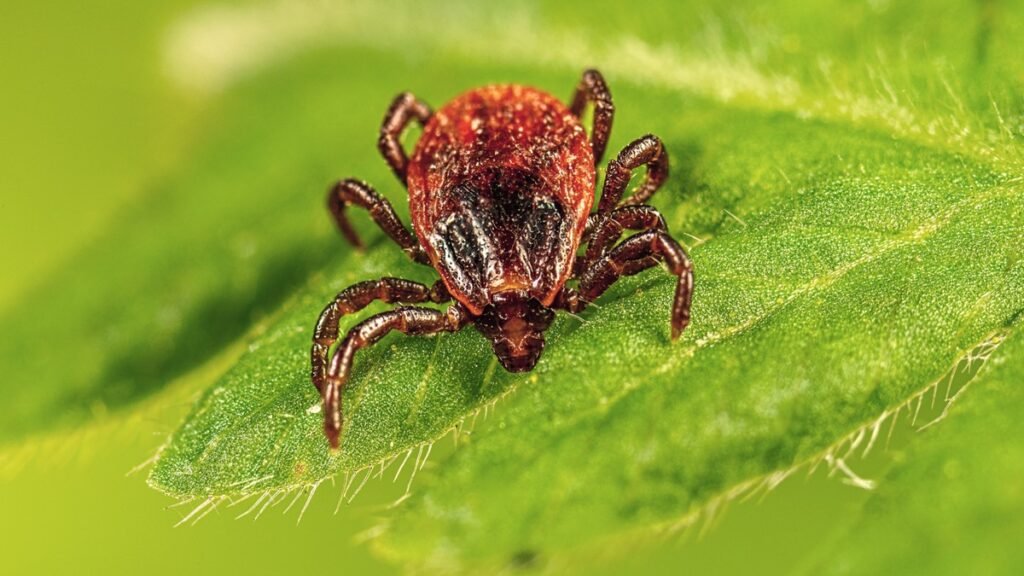
Use the tick specimen, rather than the color of the bite mark, to investigate identity. A small brown arachnid can be difficult to photograph well, and feeding changes its size and shape. A close-up should show the whole specimen with a scale reference when practical. Save an original image so someone helping you can inspect details without filters or heavy compression.
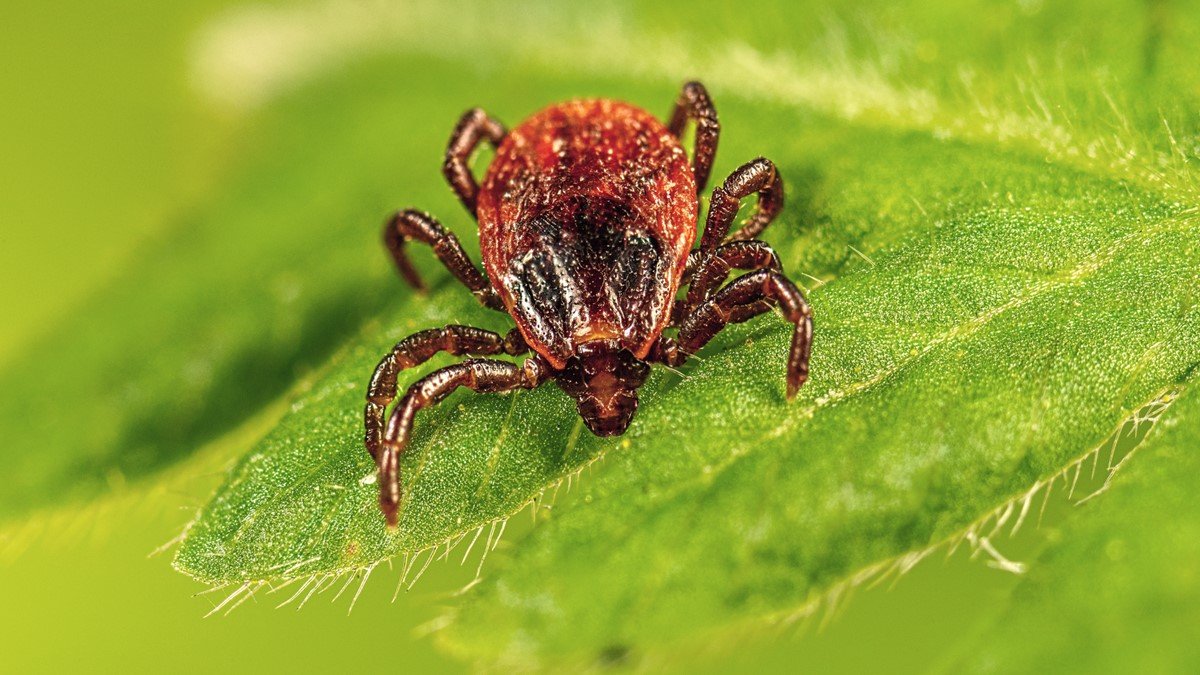
A pet association is a clue, not proof
Finding a tick after handling a dog gives you an exposure detail to report. It does not establish that the dog transmitted an infection directly to you, or that the tick belongs to this species. If you need a species comparison, see our American dog tick versus brown dog tick guide. The similar common names refer to different groups of ticks.
Keep a record of where specimens were found: attached to a person, attached to a dog, walking on a wall, or in bedding. Those are different observations. A pest professional or veterinarian can use the pattern, but an itchy mark with no observed tick may also have another explanation.
Photograph the skin to track change
Take a baseline picture with surrounding skin visible and note the date. When checking again, use similar light and distance. Write down changes in size, pain, warmth, or drainage rather than relying only on color. Do not scratch, squeeze, or scrape the area to reproduce what you saw in another online image.
3. What health risks deserve attention?
CDC describes brown dog ticks as vectors of Rocky Mountain spotted fever in parts of the southwestern United States and along the U.S.–Mexico border. This geographical qualification matters: a tick’s presence and the local risk of a specific infection are not interchangeable. See CDC’s distribution and transmission information.
A confirmed brown dog tick bite does not prove that the tick was infected. Conversely, a mild-looking bite does not rule out illness. The practical question is whether you develop symptoms and how the exposure history fits them. Report the actual county or travel location rather than only saying you live in a particular state; the bite may have happened somewhere else.
CDC’s RMSF overview describes fever, headache, rash, and other possible symptoms, with early illness sometimes difficult to recognize. The rash may not appear at the beginning. If you become unwell after a plausible exposure, do not wait for the exact photograph you saw online to appear on your skin.
Tell a clinician about new medications, other illnesses, recent travel, and animal contact as well as the tick. These details do not replace the bite history; they prevent the discussion from becoming too narrowly focused on a single explanation. If the tick was never seen, say so clearly.
Other tick species have different associations. For example, a comparison with blacklegged ticks and brown dog ticks should not be reduced to “small means Lyme, large means harmless.” Size changes with feeding, and symptom evaluation depends on more than a quick visual impression.
4. How should you remove the tick and care for the site?
Remove an attached tick promptly. Grasp it with clean fine-tipped tweezers close to the skin and pull with steady pressure. Clean the area and your hands afterward. Do not apply heat, nail polish, or petroleum jelly while waiting for it to release. For complete instructions and advice about retained mouthparts, use CDC’s after-bite guide.
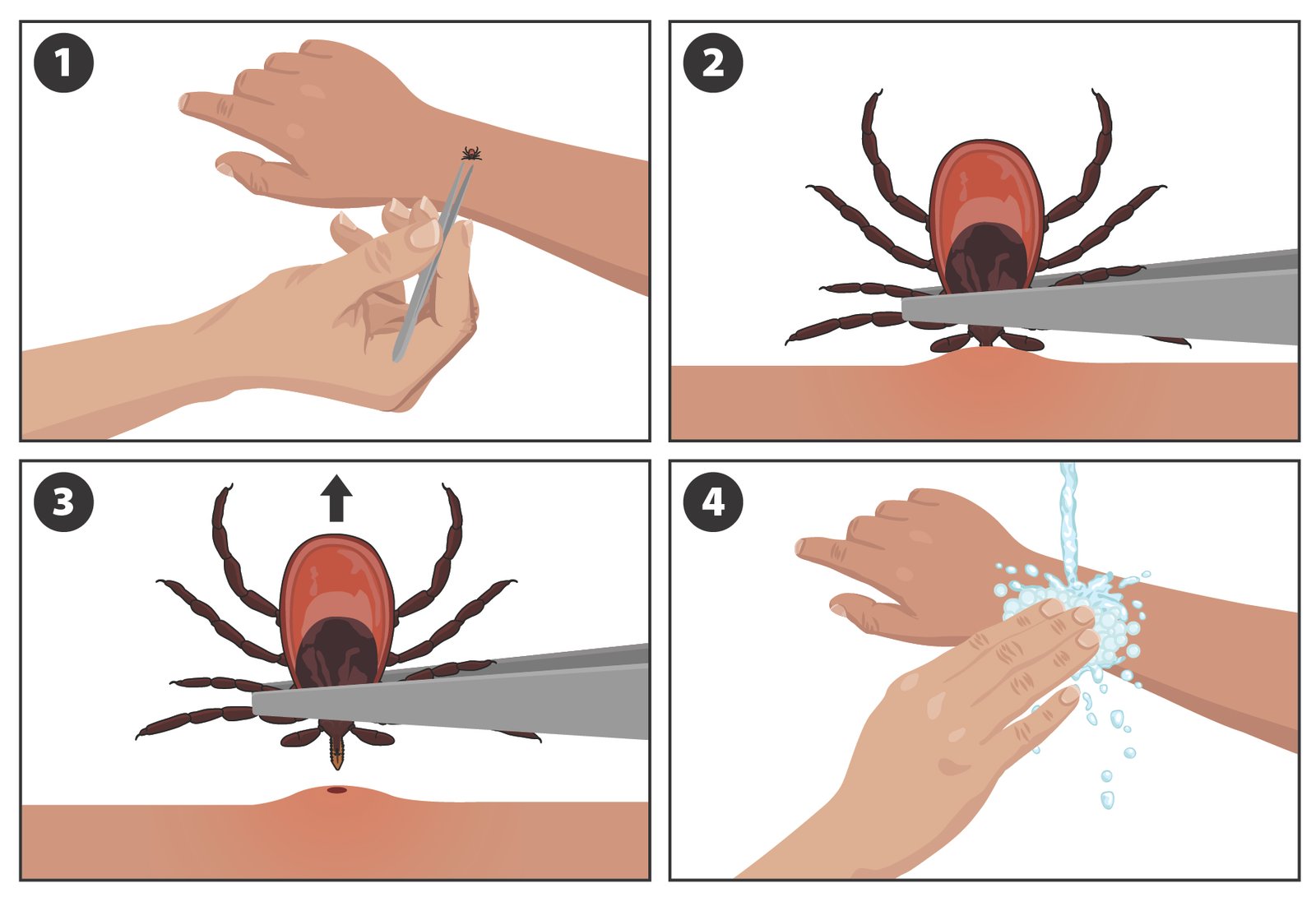
If removal leaves a small fragment that cannot be grasped easily, do not turn the site into a deeper wound by digging. Seek help if you cannot manage the situation safely or the area becomes increasingly painful or inflamed. Record how removal was done and which products have touched the skin.
For mild irritation, keep the site clean and avoid scratching. Ask a pharmacist or clinician about symptom-relief products when the patient is young, pregnant, taking other medicines, or has broken skin. Pet flea-and-tick treatments and environmental pesticides are not remedies for a human bite.
Check for additional attached ticks and look at clothing. If multiple household members report exposure, make separate notes for each person. Do not assume everyone was bitten at the same time or has the same symptoms just because the household shares a pet.
5. When do symptoms change the urgency?
Seek prompt medical advice for fever, a new rash, significant headache, or worsening general illness after exposure. Increasing redness with pain, warmth, or pus at the site also deserves assessment. Breathing difficulty, collapse, confusion, or severe rapid deterioration requires emergency help; call 911 in the United States.
| Problem | Priority action | Do not substitute |
|---|---|---|
| A person has an attached tick | Prompt removal and an exposure record. | Waiting for the dog’s veterinary appointment. |
| A person develops fever or significant illness | Prompt clinical evaluation with the tick history. | A commercial test of the tick or a pest inspection. |
| A dog has repeated ticks | Veterinary advice about safe, appropriate prevention. | Human medicines or a product chosen for another animal. |
| Ticks recur inside the home | Identification and coordinated veterinary/pest management. | Assuming removal of one tick ends the problem. |
| Severe emergency symptoms | Emergency services immediately. | Searching for a specimen or completing the household checklist. |
Our tick bite warning signs guide offers more detail about symptom patterns. Use it to prepare for a discussion, not to delay care while attempting to match every item.
CDC does not recommend antibiotics solely to prevent RMSF in someone who remains asymptomatic after a bite. Suspected RMSF illness is a different situation and requires prompt treatment decisions by a clinician. The distinction is explained in CDC’s clinical care guidance. Do not take leftover antibiotics or wait for tick-test results when ill.
A clinician may evaluate other possibilities if the species or attachment history is uncertain. Avoid entering the appointment with a fixed demand for one diagnosis. Instead, lead with your symptoms, their timing, where exposure occurred, and whether the specimen was actually identified.
6. How do you handle a possible indoor infestation?
Start by documenting where ticks are appearing and getting identification help. One tick carried indoors is different from repeated sightings in several locations. Keep pets on a veterinarian-approved prevention plan and discuss whether the animal needs examination. Contact a licensed pest-management professional for an established or suspected indoor infestation rather than improvising a household pesticide mixture.
Write a short property log: first sighting, rooms or kennel areas involved, animal movements, and products already used. Include product names and application dates. This helps professionals avoid overlapping treatments and gives them a clearer picture of whether the issue is continuing.
Coordinate the animal and environmental sides. An indoor treatment plan that ignores an affected dog may leave an important source unaddressed, while treating the dog alone may not resolve ticks already in the environment. Follow the professional’s instructions about cleaning, re-entry, follow-up, and animal access. Never increase a pesticide dose or combine products to accelerate the process.
Protect cats and other pets from products not labeled or prescribed for them. CDC specifically warns that cats can be highly sensitive to tick-control chemicals. If a product exposure causes illness in an animal, contact a veterinarian immediately. Keep the packaging available so the clinician knows the active ingredient rather than only the brand nickname.
Let a renter or property manager know about a confirmed environmental problem through the usual maintenance process. Keep the report factual: where ticks were found and what identification established. Avoid claiming that a building is the source of a medical infection without evidence.
7. What prevention routine fits a dog-owning household?
Make pet checks part of a regular routine and use veterinary advice for preventive products. Inspect the areas recommended by your veterinarian, especially after outings. If a dog repeatedly brings ticks inside, review both the outdoor route and the prevention plan. A product that was appropriate last year may need review for a new animal, weight, or health condition.
For people, follow labeled repellent instructions, choose suitable clothing, and check after outdoor activity. Our home and yard prevention guide can help you identify where encounters happen. The indoor question should supplement, rather than replace, routine outdoor precautions.
Keep practical supplies together: tweezers, a small secure container, a ruler, and a place to record dates. A household plan can be simple: remove, document, check symptoms, then contact the appropriate professional. Assigning those tasks clearly is more helpful than repeatedly searching photos while a tick remains attached.
Reassess the plan after any recurrence. Did a tick appear on a person after a walk, on a pet despite preventive treatment, or on an indoor surface? These observations point toward different follow-up questions. They do not require you to determine an exact species without assistance.
8. Frequently asked questions
Can brown dog ticks bite people?
Yes. Dogs are their primary hosts, but people can be bitten. The common name should not be interpreted as a guarantee of human safety. Remove an attached tick and assess symptoms in the same careful way you would after another tick exposure.
Can I get a tick bite without going into woods?
Yes. Pets can transport ticks, and brown dog ticks can infest homes and kennels. That does not prove an indoor infestation after one sighting. Record repeated encounters and seek identification before deciding what environmental response is needed.
Is a brown tick always a brown dog tick?
No. Color alone is an unreliable shortcut, and a tick’s appearance changes with feeding. A specimen photograph, location, and qualified identification are more informative than the common name. Do not assign disease risk based only on a brown color.
Will treating my bite fix the household problem?
No. Skin care addresses the person’s symptoms; it does not control ticks on a dog or in a building. Coordinate medical, veterinary, and environmental decisions as needed. Each professional needs the observations relevant to their part of the problem.
Should everyone in the home take antibiotics?
No blanket household antibiotic plan is appropriate simply because ticks were found. People with symptoms or individual exposure concerns should seek clinical advice. Do not share prescriptions. Report each person’s actual exposure and symptoms separately.
What should I tell the veterinarian?
Describe when ticks appeared, where they were found on the animal or property, and the prevention products already used. Mention changes in the animal’s appetite or behavior. Bring the product packaging or clear photographs if requested.
A suspected brown dog tick exposure is easiest to manage when you separate three questions: does the person need medical care, does the pet need veterinary attention, and is there an environmental source of repeated ticks? A photograph of the skin cannot answer all three. Remove attached ticks, preserve useful observations, and act promptly on concerning symptoms. For recurring household encounters, seek identification and a coordinated control plan. This approach addresses immediate health concerns while reducing the chance that the same exposure happens again.
Educational information, not a personal diagnosis or pesticide prescription. Sources checked September 22, 2026. CDC reference materials are available free from CDC and the Public Health Image Library. Their use does not imply CDC, HHS, or U.S. Government endorsement of StingHelp.