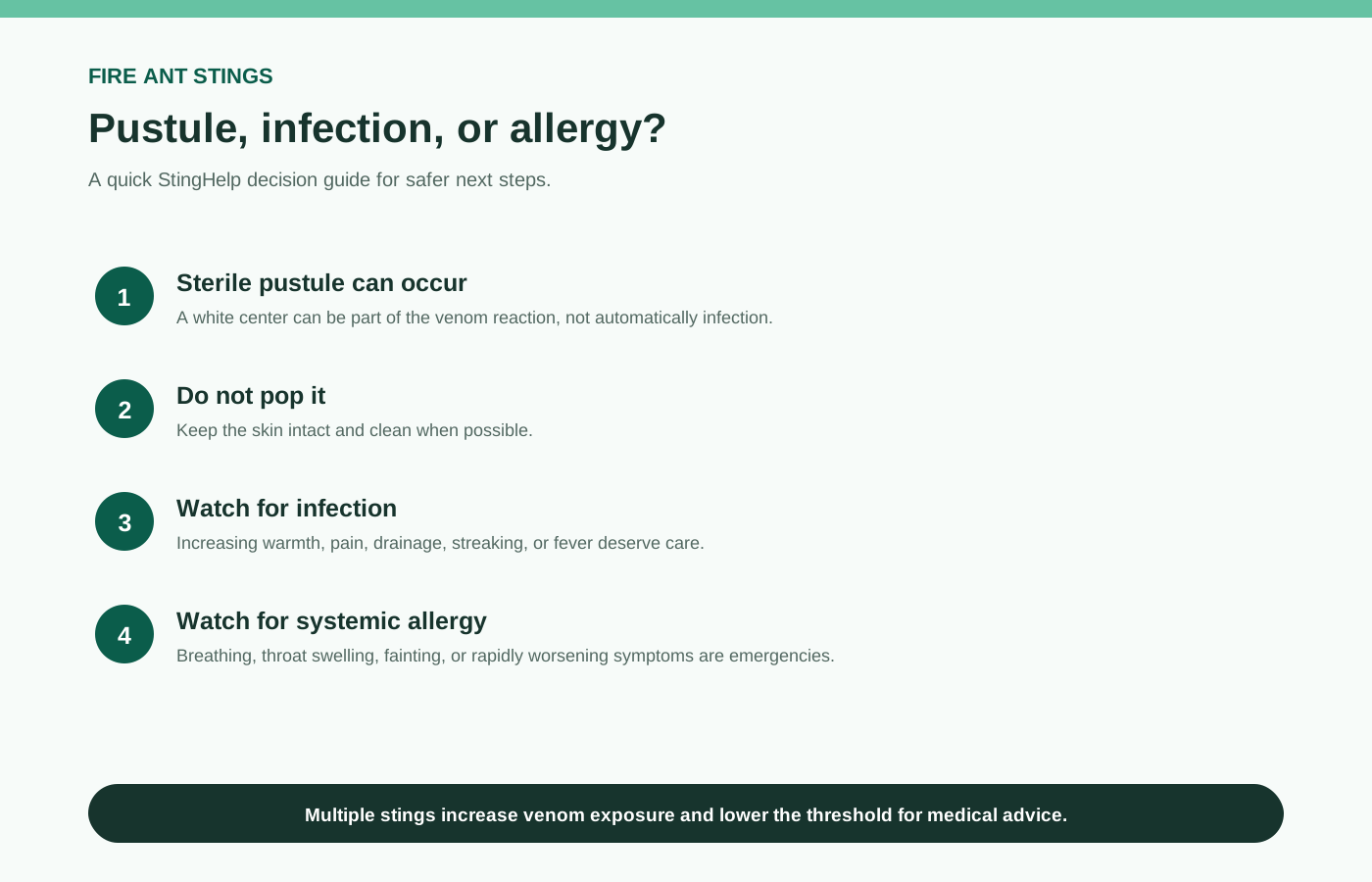
Direct answer: A typical fire ant sting can cause a painful or itchy local bump followed by a small blister or pustule. The pus-like center is often a sterile reaction rather than an infection. Keep the area clean, avoid breaking the pustule, reduce scratching, and watch for worsening local symptoms or whole-body allergy signs. Trouble breathing, throat or tongue swelling, fainting, or rapidly progressing systemic symptoms are emergencies.
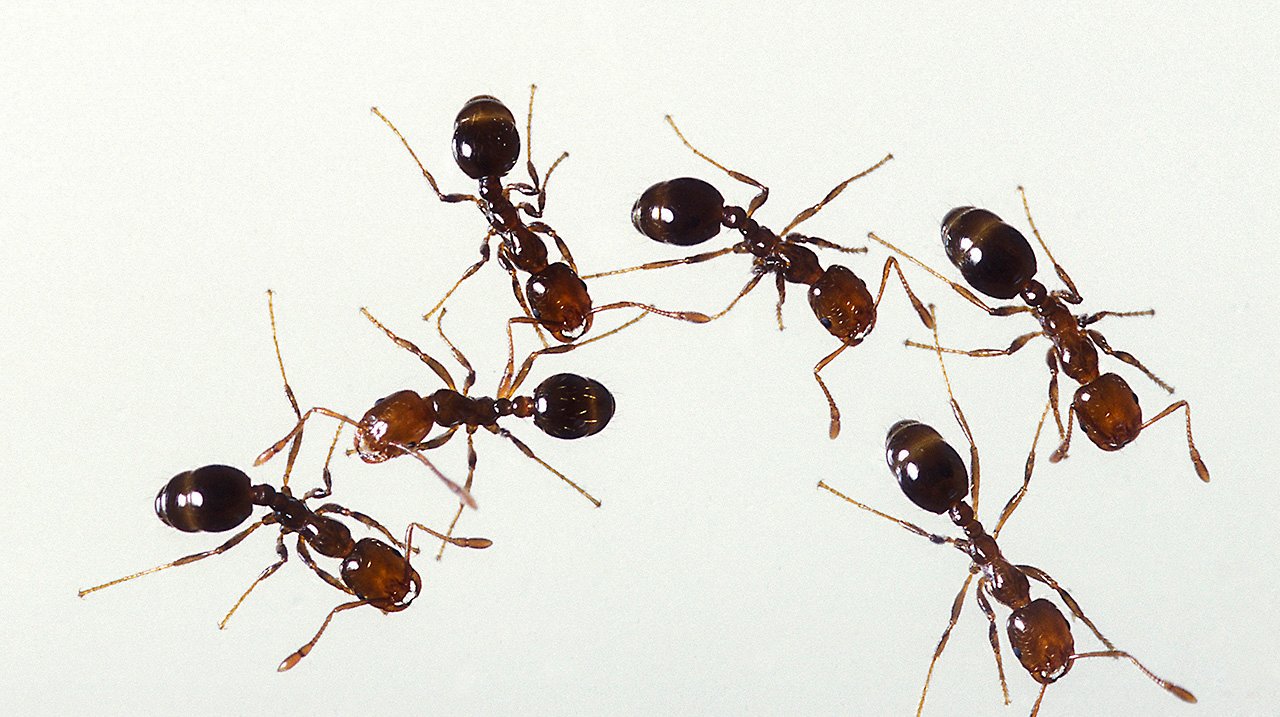
Fire ants can sting repeatedly, and multiple ants may sting when a mound is disturbed. This guide explains what a common local reaction may look like, what to avoid, and which symptoms change the urgency.
What does a typical fire ant sting look like?
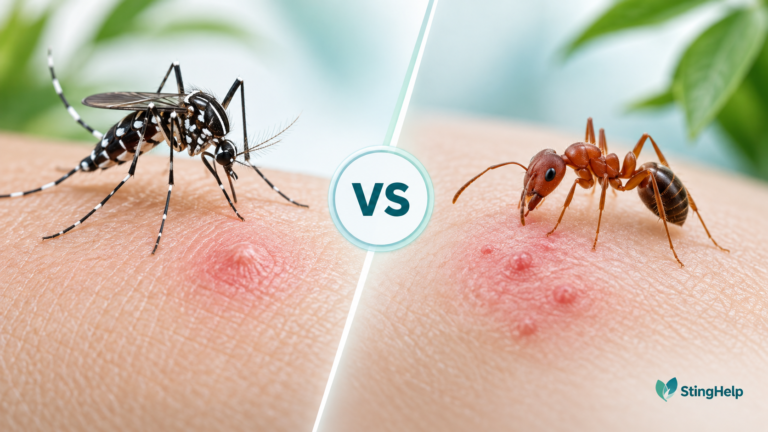
The American College of Allergy, Asthma & Immunology (ACAAI) describes a common reaction as an itchy localized hive or lump, followed by a small blister. Within the next day, the blister may look as if it contains pus. That material can be part of the sting reaction rather than proof of bacterial infection.
Appearance alone still cannot confirm that a fire ant caused the lesion. Exposure to an ant mound, seeing the ants, multiple stings, and the timing of the reaction provide stronger context than a photo by itself.
What should you do after a fire ant sting?
- Move away from the mound or exposure area so additional ants cannot sting.
- Remove ants from the skin and clothing without putting yourself at risk of more stings.
- Wash the sting sites gently with soap and water.
- Use a wrapped cool compress for short periods if it helps local discomfort.
- Avoid scratching or breaking pustules.
- Monitor for symptoms away from the sting sites, especially breathing problems, throat swelling, dizziness, widespread hives, vomiting, or faintness.
Should you pop a fire ant pustule?
No. ACAAI advises against breaking the blister or pustule. Opening it can damage the skin barrier and increase the chance of secondary bacterial infection. If a pustule opens accidentally, keep the area clean with soap and water and monitor it.
What can help itching?
ACAAI notes that topical corticosteroid ointments and oral antihistamines may relieve itching for some people. Because medicine choice depends on age, pregnancy, other health conditions, allergies, and current medicines, follow the product label and ask a pharmacist or clinician when you are unsure.
Do not use stronger medication to delay care when symptoms are systemic or rapidly worsening.
Which symptoms may suggest a serious allergic reaction?
Insect-sting anaphylaxis can progress quickly. Emergency warning signs can include:
- Trouble breathing, wheezing, or a feeling that the throat is closing.
- Swelling of the tongue, throat, lips, or face.
- Fainting, collapse, severe dizziness, or confusion.
- Widespread hives with other whole-body symptoms.
- Rapidly worsening symptoms involving more than the sting sites.
If a person has prescribed epinephrine for anaphylaxis and has been instructed to use it, follow that emergency plan and activate emergency medical services. ACAAI advises immediate medical attention after epinephrine is used for an insect-sting reaction.
When can a fire ant sting become infected?
A pustule caused by the venom reaction does not automatically mean infection. Seek medical advice if the area becomes increasingly hot, painful, swollen, or red; develops spreading redness, red streaking, or drainage; or occurs with fever or feeling systemically unwell.
Are multiple fire ant stings more concerning?
Yes. A disturbed mound can lead to many stings, and each ant can sting repeatedly. Multiple stings increase total venom exposure. A person with numerous stings, a child with many stings, or anyone developing symptoms away from the sting sites should have a lower threshold for prompt medical evaluation.
How can you reduce future fire ant exposure?
- Avoid disturbing visible mounds.
- Wear closed shoes and protective clothing when working in areas where fire ants are common.
- Teach children not to stand on or play near ant mounds.
- If fire ants are established on a property, use an evidence-based pest-management approach and follow pesticide labels carefully.
- If you have had a serious systemic reaction, ask an allergist about evaluation and long-term prevention options.
Frequently asked questions
Is the white center of a fire ant sting always an infection?
No. A sterile pustule can be part of the normal fire ant sting reaction. Infection is more concerning when pain, warmth, redness, drainage, red streaking, or fever is worsening.
Can fire ants sting more than once?
Yes. Fire ants can hold on and sting repeatedly, and multiple ants may sting when a mound is disturbed.
Should I squeeze or drain the pustule?
No. Leave it intact when possible and keep the area clean.
When is a fire ant sting an emergency?
Seek emergency help for breathing difficulty, throat or tongue swelling, fainting or collapse, severe dizziness, or a rapidly progressing systemic allergic reaction.
Related StingHelp guides
- Ant & Fire Ant Bites
- First Aid for Bites & Stings
- Emergency & Warning Signs
- Infection, Complications & Healing
Authoritative references
- ACAAI — Insect Sting Allergies and Fire Ant Stings
- American Academy of Dermatology — When to Seek Care for Bug Bites and Stings
Educational information only. This article does not replace emergency care, allergy evaluation, or individualized medical advice.