Tick Bite vs False Widow Bite: Pictures, Key Differences, and What to Do
Direct answer: Finding an attached tick strongly supports a tick bite, while a false widow bite is more plausible when a spider was actually seen during the exposure. Both can cause localized redness, swelling, discomfort, or itching, so a skin photo alone usually cannot identify the cause. Symptom progression and warning signs matter more.
A tick bite vs false widow bite comparison should start with exposure evidence. “False widow” commonly refers to spiders in the genus Steatoda, a group found in multiple regions including Europe and North America. Their bites can be painful but are distinct from black widow envenomation.
[stinghelp_image filename=”tick-bite-vs-false-widow-bite-01.webp” alt=”Educational comparison of an attached tick and a false widow spider with mild localized skin reactions” caption=”Do not identify either exposure from redness alone; look for an attached tick or a witnessed spider.”]
Quick Comparison
| Feature | Tick bite | False widow bite |
|---|---|---|
| Best exposure clue | Attached or recently removed tick | Spider witnessed at the time of the bite |
| Typical early reaction | Often little pain; small local bump may occur | Localized pain, redness or swelling may occur |
| Main safety concern | Possible tick-borne infection after an incubation period | Worsening local or systemic reaction after a credible spider bite |
| Pictures diagnostic? | No | No |
Tick Bite Clues
Ticks attach to the skin to feed and may remain unnoticed. If a tick is attached, CDC recommends removing it immediately with fine-tipped tweezers, pulling upward with steady pressure, and cleaning the bite site. Avoid petroleum jelly, heat, nail polish, and similar methods.
The original skin mark may be minor. Monitor for a new rash, fever, or other illness in the following days to weeks and contact a healthcare professional if symptoms develop.
False Widow Bite Clues
Spider bites are difficult to diagnose when no spider was seen. Local pain, swelling, redness, or tenderness can occur with many arthropod exposures and skin conditions. A credible false widow exposure therefore depends heavily on actually seeing the spider or having a strong environmental context.
False widow spiders should not automatically be treated as black widows. Severe muscle cramping and systemic neurotoxic symptoms are classically associated with true widow spiders (Latrodectus). Any severe symptoms after any suspected spider bite still warrant medical evaluation regardless of species.
Why Skin Pictures Are Not Enough
Redness, punctate marks, swelling, blisters, and tenderness are nonspecific. CDC notes that many presumed spider bites are actually other conditions, including bacterial skin infections. Photograph the lesion to document progression, but do not use a photo as proof of the cause.
[stinghelp_image filename=”tick-bite-vs-false-widow-bite-02.webp” alt=”Timeline graphic showing immediate local spider symptoms versus delayed monitoring after a tick bite” caption=”Timing can help: tick-borne illness may appear after the original bite, while a spider reaction may begin locally.”]
Safe First Aid
For an attached tick
- Grasp it close to the skin with clean fine-tipped tweezers.
- Pull upward with steady, even pressure.
- Clean the bite area and hands.
- Check for additional ticks.
- Monitor for fever, rash, or new illness.
For a suspected spider bite
Wash the area with soap and water. A wrapped cold pack may help local pain and swelling. Do not cut the skin, suck the wound, or try to extract venom. If symptoms are more than mild or are worsening, seek professional advice.
When to Seek Medical Care
Seek urgent care for breathing difficulty, fainting, confusion, severe weakness, rapidly increasing pain or swelling, severe muscle symptoms, or other significant systemic illness. Also seek evaluation for spreading redness, pus, red streaking, fever, or a rapidly worsening skin lesion because infection may need treatment.
After a tick bite, CDC advises medical evaluation if a rash or fever develops within several weeks. Tell the clinician when and where the exposure occurred.
Frequently Asked Questions
Can a false widow bite look like a tick bite?
Yes. Mild localized reactions can overlap, so appearance alone is unreliable.
Is a false widow the same as a black widow?
No. False widows are generally Steatoda species, while black widows belong to Latrodectus.
Can I diagnose a spider bite from two puncture marks?
No. Puncture marks are not specific enough to establish a spider species or even prove a spider caused the lesion.
What matters most after a tick bite?
Prompt removal of an attached tick and monitoring for new fever, rash, or illness are key safety steps.
What if the skin becomes hot and increasingly painful?
Seek medical assessment, especially if redness is spreading or there is drainage, fever, or red streaking.
Should I handle the spider to identify it?
No. If identification is useful, take a photograph only when it can be done safely without risking another bite.
Bottom Line
For tick bite vs false widow bite, exposure evidence and symptom timing are more useful than the skin mark. Remove attached ticks promptly, monitor for delayed illness, and seek medical assessment for severe, systemic, infected-looking, or rapidly worsening symptoms.
Authoritative References
- CDC — What to Do After a Tick Bite
- MedlinePlus — Spider Bites
- CDC Yellow Book — Envenomations and Toxic Exposures
Medical review required before publication. Educational information only.
Tick Bite vs False Widow Bite Treatment Differences
The central tick bite vs false widow bite treatment differences are mechanical removal versus symptom care. If a tick is attached, remove it promptly because the tick is still feeding. A false widow spider does not remain attached after biting, so there is nothing to pull from the skin. The immediate approach is to wash the area, use a cool compress for pain or swelling, avoid scratching or cutting the skin, and monitor the reaction.
After a tick bite, the skin may settle quickly even though a tick-borne illness can appear later. That makes the exposure date, likely location, and any later fever, rash, headache, fatigue, muscle aches, joint symptoms, or neurologic changes important. CDC advises medical evaluation if a rash or fever develops within several weeks of removing a tick.
After a suspected false widow bite, the main concern is usually the local reaction. UK public-health guidance describes confirmed false widow bites as uncommon and often no more severe than a bee or wasp sting, although some people report throbbing pain, swelling, or tingling. More serious symptoms can occur, and any severe or rapidly worsening reaction should be assessed without waiting for species confirmation.
What Is a False Widow Spider?
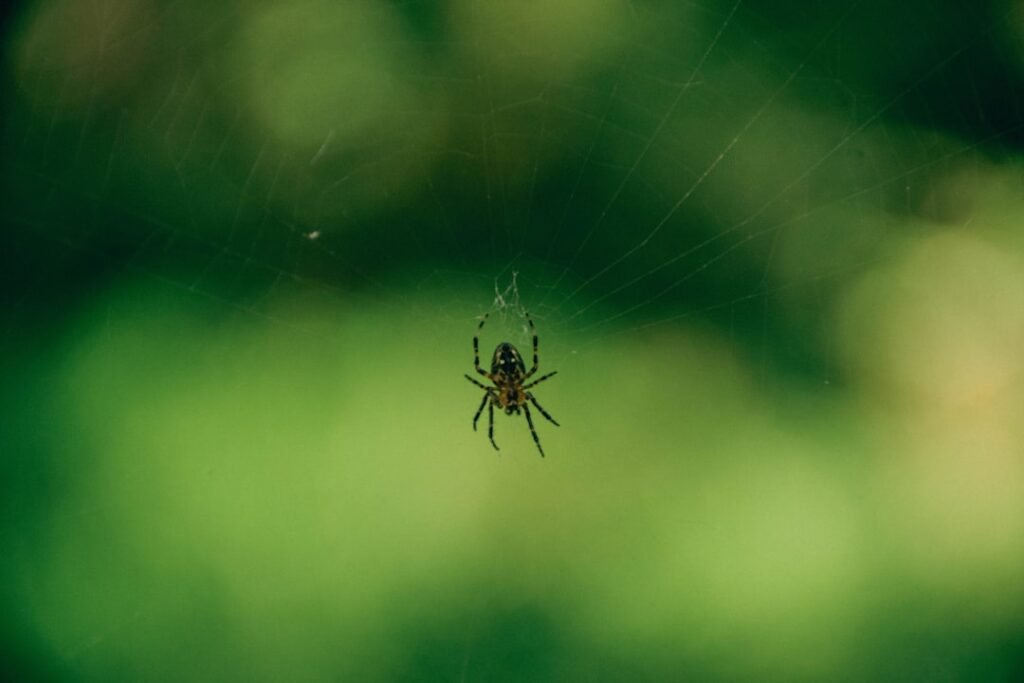
“False widow” is a common name used for several spiders in the genus Steatoda. They have rounded abdomens and can be mistaken for true widow spiders, but they are not the same group. In the United Kingdom, the noble false widow (Steatoda nobilis) is the species that attracts the most public attention. It can live around houses, sheds, garages, window frames, and other sheltered structures.
False widows generally bite defensively when trapped against the skin, handled, or disturbed. The presence of a spider in a room does not prove that a nearby skin lesion was caused by that spider. A stronger case requires a plausible contact event and, ideally, a safely obtained photograph or specimen identification.
How the Symptom Timeline Differs
A tick may stay attached for hours or longer and the bite can be painless enough to go unnoticed. After removal, a small red mark, mild itch, or irritation can remain. Later symptoms are more important than the original mark because the main medical concern is infection transmitted by certain ticks in certain regions.
A false widow bite is usually a brief event. Pain, redness, swelling, or tingling may start at or near the bite site. UK guidance indicates that most reactions are localized and resolve, but persistent pain, increasing swelling, infection signs, or general illness should prompt medical advice. Because spider bites are frequently overdiagnosed, a lesion that is getting hotter, more painful, draining, or spreading should also raise the possibility of bacterial infection or another skin condition.
Practical rule: An attached arthropod strongly points toward a tick. A witnessed spider bite strengthens the false-widow possibility. A red bump without either clue is nonspecific and should not be labeled from appearance alone.
Pictures: What Can and Cannot Be Learned
A photo can document size, color, swelling, and change over time, but it rarely identifies the exact cause. Tick bites, spider bites, mosquito bites, folliculitis, allergic reactions, contact dermatitis, infected scratches, and other problems can overlap visually. Two tiny puncture marks do not prove a spider bite, and a central dot does not prove a tick bite.
If a tick is still present, photograph the tick before or after removal if this does not delay removal. If a spider was seen, photograph it from a safe distance rather than handling it. For broader identification help, use the What Bit Me? Identification & Comparisons hub to organize clues while remembering that online images are educational, not diagnostic.
Safe First Aid in More Detail
If a tick is attached
- Use clean fine-tipped tweezers when available.
- Grasp the tick as close to the skin surface as possible.
- Pull upward with steady, even pressure rather than twisting or jerking.
- Do not use petroleum jelly, heat, nail polish, or other substances to force detachment.
- Clean the bite area and your hands afterward.
- Check the rest of the body for other ticks.
- Record when and where the exposure happened.
Do not delay removal simply to reach a clinic. Prompt removal is recommended. More tick-specific guidance is available in the Tick Bites & Tick-Borne Risks section.
If a false widow bite is suspected
Wash the skin with soap and water. Use a cool compress or wrapped ice pack for short periods to reduce pain and swelling. Keep the area clean and avoid scratching. Over-the-counter pain or itch medicines may be appropriate for some people when used according to the label, but children, pregnant people, older adults, and people with medical conditions or medication interactions should check with a pharmacist or clinician when unsure.
Do not cut the skin, squeeze the area, apply suction, or use corrosive home remedies. Antibiotics are not used simply because a spider may have bitten; they are considered when a bacterial infection is actually suspected or diagnosed.
When to Get Medical Help
Seek emergency help for trouble breathing, swelling of the tongue or throat, fainting, severe confusion, severe weakness, repeated vomiting with deterioration, or another rapidly progressive systemic reaction. Those symptoms matter regardless of whether the original cause was a tick, false widow, bee, wasp, or something else.
Contact a clinician promptly for redness that is clearly spreading, increasing warmth and tenderness, pus, red streaking, fever, severe or persistent pain, a rapidly enlarging lesion, or symptoms that are not improving as expected. The Safety / Red Flags section provides an educational checklist for deciding when a skin reaction has moved beyond simple home care.
For tick exposure specifically, new fever or rash in the following days or weeks should be discussed with a healthcare professional. For a suspected false widow bite, UK guidance recommends medical advice when pain, redness, or swelling does not settle or when infection signs develop.
Could It Be Infection Instead of a False Widow Bite?
Yes. This is one of the most important alternatives to consider. A skin infection can cause increasing redness, warmth, tenderness, swelling, drainage, crusting, fever, and red streaking. A person may remember seeing a spider nearby and assume causation, but proximity is not proof. If a lesion is worsening rather than stabilizing, clinical assessment is more useful than trying to match internet photos.
The same caution applies after a tick bite. A small local reaction can happen from the bite itself, but progressive pain, pus, warmth, or spreading redness may represent secondary bacterial infection. Keep the area clean, avoid scratching, and seek care if infection signs appear.
USA and Europe: Why Location Matters
Ticks are widespread in both the United States and Europe, but the important tick species and diseases differ by region. A clinician may ask where the exposure occurred, whether the person traveled, how long the tick may have been attached, and whether the tick can be identified. That context is more useful than the shape of the bite mark.
False widow discussion is especially common in the United Kingdom and parts of Europe because noble false widows have become established around buildings. Related Steatoda species also occur elsewhere, including North America. The phrase “false widow” therefore does not identify one universal species, and the health significance should be judged from the actual exposure and symptoms.
Decision Table: What Should You Do Next?
| Situation | Most useful interpretation | Next step |
|---|---|---|
| A tick is still attached | Strong evidence of tick exposure | Remove promptly, clean the skin, and monitor for later illness |
| A spider was seen trapped against skin and immediate local pain followed | Spider bite is more plausible | Wash, cool, monitor, and seek advice if symptoms are more than mild or worsen |
| No animal was seen and the area is hot, draining, or spreading | Cause uncertain; infection must be considered | Medical assessment |
| Fever or rash appears days to weeks after a known tick bite | Possible tick-borne illness | Contact a clinician and report the exposure date and location |
| Breathing difficulty, fainting, severe swelling, or rapidly worsening illness | Emergency warning signs | Seek emergency care |
Prevention
For ticks, use appropriate repellent, wear protective clothing in brushy or wooded habitats, check the body after outdoor activity, shower after returning indoors, inspect children and pets, and examine clothing and gear. The First Aid & Treatment section includes practical after-bite steps.
For false widows, reduce accidental contact by shaking out gloves, shoes, clothing, towels, and stored items before use; wearing gloves while clearing clutter or handling boxes; and avoiding bare-handed contact with spiders in sheds, garages, conservatories, or storage spaces. If a spider needs to be moved, use a container-and-card method rather than touching it.
More Frequently Asked Questions
Are false widow bites usually dangerous?
Most reported false widow bites are localized and self-limited, but severity varies. Persistent or worsening pain, significant swelling, infection signs, or systemic symptoms deserve medical advice.
Can false widow bites cause necrosis?
Severe skin injury is not the usual pattern described in public-health guidance. When a lesion becomes ulcerated or necrotic-looking, clinicians should consider infection and other causes rather than assuming the spider caused the tissue damage.
Can a tick bite hurt immediately?
It can, but many tick bites are minimally painful or unnoticed. The attached tick or a recently removed tick is a stronger clue than pain intensity.
Should I keep the tick or spider?
A safely obtained photo can be useful. Do not delay tick removal, and do not handle a spider with bare hands. Identification may help context, but treatment decisions depend on symptoms and clinical assessment.
Medical Safety Sources
- CDC — What to Do After a Tick Bite, updated June 9, 2026
- NHS — Insect Bites and Stings
- Dover District Council — False Widow Spiders
- CDC — Preventing Mosquito and Tick Bites
Closing summary: The main tick bite vs false widow bite treatment differences are immediate tick removal and delayed illness monitoring versus local spider-bite care and observation for worsening pain, swelling, infection, or systemic symptoms. Do not diagnose from a photo alone; exposure evidence and symptom progression are more reliable.