Dengue: Pictures, Identification, Symptoms, Treatment, and FAQs
Direct answer: Dengue is a mosquito-borne viral infection caused by dengue viruses. Many infections are mild or asymptomatic, but some progress to severe dengue. There is no specific antiviral treatment, and warning signs such as severe abdominal pain, persistent vomiting, mucosal bleeding, or altered mental status require urgent medical evaluation.
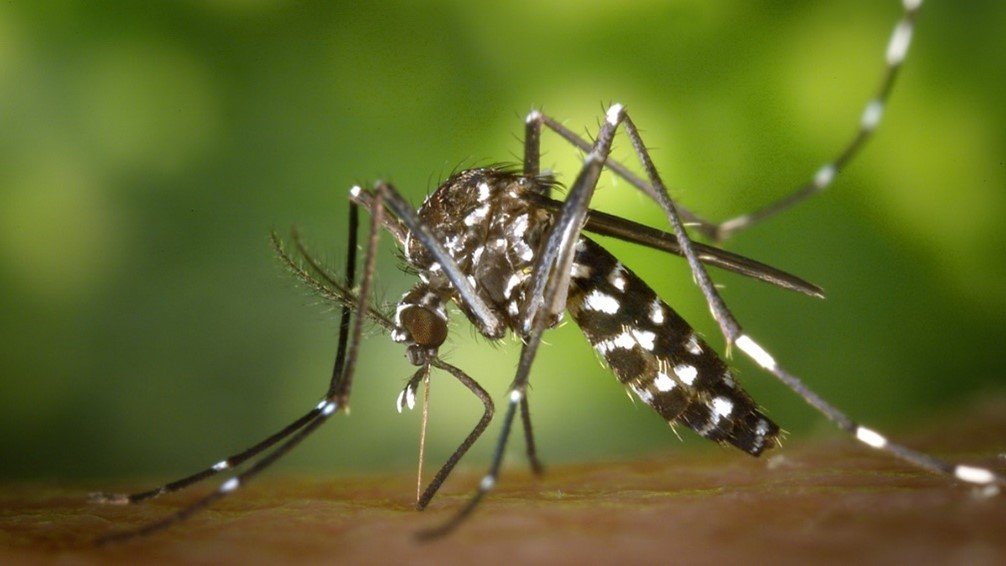
Dengue is spread primarily by infected Aedes mosquitoes. The illness is most important in tropical and subtropical regions, though travel-related cases can be diagnosed elsewhere.
Symptoms and phases
CDC describes dengue as often beginning abruptly after an incubation period of about 5–7 days. Common symptoms can include fever, headache, pain behind the eyes, muscle and joint aches, nausea, vomiting, or rash.
Warning signs for severe dengue
CDC lists severe abdominal pain or tenderness, persistent vomiting, fluid accumulation, mucosal bleeding, altered mental status, liver enlargement, and a rising hematocrit as warning signs associated with progression to severe dengue. Severe dengue can involve shock, severe bleeding, or organ impairment.
Treatment
There is no specific antiviral treatment. Care is supportive, with careful hydration and monitoring. CDC advises acetaminophen for fever in appropriate patients and cautions against NSAIDs such as ibuprofen or aspirin because of bleeding risk in suspected dengue.
Testing
Testing strategy depends on timing of illness and local public-health guidance. A clinician may use molecular and/or serologic tests depending on when symptoms started.
When to seek emergency care
Warning signs can appear as fever improves. Severe abdominal pain, repeated vomiting, bleeding, extreme drowsiness or irritability, faintness, or signs of shock require urgent evaluation.
Prevention
Prevent mosquito bites with repellent, clothing, screens, and control of water-holding containers around homes and lodging.
How to use this information safely
This guide is designed to help organize clues, not replace a clinician. Skin reactions overlap. The most useful information often comes from the exposure setting, timing, arthropod behavior, travel history, and systemic symptoms. A photograph can document change but cannot confirm a vector-borne infection by itself.
What to record
Write down the date, place, travel history, outdoor activity, whether an arthropod was seen or attached, and when symptoms began. Photograph changing skin lesions in similar lighting with a scale reference. If a tick is attached, remove it promptly rather than delaying for photos.
When a local reaction may need medical review
Seek care for rapidly increasing pain, spreading redness with warmth, pus, drainage, red streaks, fever, or a lesion that keeps worsening rather than improving. Emergency care is appropriate for breathing difficulty, facial or throat swelling, fainting, confusion, or other serious systemic symptoms.
Why symptoms can be delayed
Some local bite reactions appear within minutes, while immune-mediated itching can peak many hours later. Vector-borne infections often have a longer incubation period, so the date of exposure can become important even after the original bite mark has faded.
Medication caution
Do not use leftover antibiotics or another person’s prescription medicine. Age, pregnancy, chronic conditions, allergies, and other medications can change what is safe. This article does not provide individualized dosing.
Why pictures should not become a diagnosis
Redness, papules, wheals, swelling, and puncta occur after many arthropod exposures. Use pictures as context, then rely on exposure history, clinical symptoms, geography, and appropriate testing when a healthcare professional thinks testing is indicated.
How to judge the trend over time
A mild local reaction should generally become less painful, less itchy, or less swollen as time passes. It can still look dramatic during the first day. Worsening is more concerning when symptoms accelerate, the person becomes systemically ill, or the lesion develops increasing tenderness, warmth, drainage, or tissue breakdown.
Questions a healthcare professional may ask
Expect questions about the exposure date, location, travel, pregnancy status when relevant, immune status, medications, underlying medical conditions, fever, rash, headache, vomiting, diarrhea, abdominal pain, bleeding, joint symptoms, neurologic symptoms, and whether others in the same setting are ill. These details help distinguish a routine bite from an illness that needs testing.
Who may need a lower threshold for care
Very young children, older adults, pregnant people, people with weakened immune systems, and people with significant chronic disease may need earlier professional advice. Some vector-borne infections also have population-specific risks, so individual circumstances matter.
Prevention is part of treatment planning
After an exposure, preventing additional bites can matter. Use EPA-registered repellent according to the label, wear protective clothing, use window and door screens, remove standing water when mosquito control is relevant, and perform tick checks after brushy or wooded activity. Travelers should follow destination-specific recommendations.
What a negative early test can and cannot mean
Testing windows differ by disease. Some antibody tests can be negative early because the immune response has not yet reached detectable levels. Other infections may require molecular testing during a particular period. Testing decisions should therefore be guided by timing, symptoms, and current public-health recommendations rather than by ordering a single test immediately after every bite.
Why broad symptom lists need context
Fever, headache, fatigue, muscle aches, rash, nausea, and joint pain occur in many viral, bacterial, and inflammatory illnesses. A symptom list becomes more meaningful when it fits the exposure, incubation period, geography, and pattern of illness. This is why a healthcare professional may consider several diagnoses rather than assuming one mosquito or tick-borne disease.
How to think about incubation time
The interval between exposure and illness can help a clinician decide which diagnoses are plausible. A local bite reaction can begin immediately, while many vector-borne infections take days before systemic symptoms appear. This is why the exposure date should be recorded even when the original skin mark seems trivial.
Do not assume that a fever the same evening as a mosquito or tick bite was caused by that exact exposure. Likewise, do not dismiss an illness that begins later simply because the bite site has healed. Timing must be interpreted with the disease’s known incubation period and the person’s other exposures.
How travel changes the differential diagnosis
Travel history can dramatically change which mosquito- and tick-borne infections are reasonable to consider. A clinician may ask about countries, states, rural or urban settings, season, lodging, outdoor activities, and whether illness began during or after travel. This context is particularly important for dengue, Zika, leishmaniasis, and other infections with geographic patterns.
Bring exact travel dates when possible. Public-health recommendations can also change as outbreaks, travel notices, and local transmission patterns change.
Why a normal-looking bite does not rule out infection
Many vector-borne infections are not diagnosed by the local skin mark. A mosquito bite that transmitted a virus may look like any other mosquito bite or may not be remembered at all. A tick bite that transmitted a pathogen may leave only a small spot. Clinical decisions therefore depend on the whole illness, not on whether the bite “looks infected.”
Why a dramatic bite does not prove vector-borne disease
The opposite is also true. A large local reaction can be caused by the immune response to saliva or venom without any transmitted infection. Scratching and secondary bacterial infection can make the skin look worse. A dramatic photo may deserve medical attention, but it does not identify the pathogen.
Hydration, rest, and symptom monitoring
For many mild viral illnesses, supportive care includes rest and adequate fluids, but the details matter. Vomiting, inability to drink, reduced urination, dizziness, or worsening weakness can be signs that home care is no longer enough. Dengue in particular requires attention to warning signs and fluid status, while severe West Nile neurologic disease requires hospital-level supportive care.
Why fever medicines are not interchangeable
Medication choices depend on the suspected disease and the person’s medical history. CDC specifically advises avoiding aspirin and other NSAIDs such as ibuprofen in suspected dengue because of bleeding risk. This is an example of why “take any pain reliever” is not safe universal advice for every mosquito-borne illness.
What clinicians mean by supportive care
Supportive care means treating the effects of an illness while the body clears the infection when no specific antiviral treatment is available. This can include oral or intravenous fluids, fever or pain control, nausea management, monitoring of blood pressure and urine output, respiratory support, and hospital care when severe complications develop.
Why antibiotics are not used for mosquito-borne viruses
Antibiotics treat bacterial infections, not viruses such as West Nile, dengue, or Zika. They may be used if a separate bacterial infection is diagnosed, but taking antibiotics “just in case” does not treat these viral diseases and can cause harm.
What testing can and cannot answer
A laboratory test is only as useful as the timing and clinical context. Molecular tests may work best during a period when virus or bacterial DNA/RNA is present, while antibody tests depend on the immune response developing. Cross-reactivity can complicate some flavivirus tests. A healthcare professional uses the test type, timing, travel, symptoms, and local epidemiology together.
Why repeat or confirmatory testing may be needed
Some tests are not definitive on the first sample. A clinician may recommend repeat testing, confirmatory testing, or a different method if the first result does not fit the clinical picture. Do not interpret an isolated online laboratory value without the ordering clinician’s context.
Pregnancy considerations
Pregnancy changes the importance of certain exposures, especially Zika because infection during pregnancy can affect the fetus. Pregnant people with relevant travel, mosquito exposure, or sexual exposure should use current CDC guidance and discuss the situation with their obstetric healthcare professional rather than relying on general internet advice.
Older adults and people with weakened immune systems
Some infections are more likely to become severe in older adults or people with immune suppression and significant chronic disease. West Nile neuroinvasive disease is one example. A lower threshold for medical evaluation is reasonable when a higher-risk person develops fever, confusion, severe weakness, or neurologic symptoms after mosquito exposure.
How to monitor a rash
Photograph a rash in similar lighting and note whether it is expanding, fading, becoming painful, or associated with systemic symptoms. An erythema migrans rash after a blacklegged tick exposure typically expands over time, while viral rashes and allergic reactions can have very different patterns. A photo can document progression but does not replace examination.
Neurologic symptoms that should not wait
Confusion, seizures, new weakness, facial paralysis, severe neck stiffness, loss of coordination, or altered consciousness require prompt medical attention. These symptoms can have many causes, but they should never be managed solely through online bite identification.
How public-health guidance helps
CDC, state health departments, and international public-health agencies update travel notices, testing algorithms, outbreak information, and prevention recommendations. For rapidly changing mosquito-borne disease risk, current public-health guidance is more reliable than an old forum post or a social-media image.
What to bring to a medical visit
Bring the exposure timeline, travel dates, medication list, pregnancy status if relevant, chronic medical conditions, and photographs of rashes or arthropods. Note any fever pattern, bleeding, vomiting, diarrhea, severe headache, joint symptoms, confusion, weakness, or breathing problems. This can make the visit more efficient and help the clinician choose the right tests.
Why prevention continues after you get sick
Preventing additional bites is still useful after illness begins. For some mosquito-borne viruses, avoiding mosquito bites during the period when virus is present in blood can reduce the chance that local mosquitoes become infected and transmit the virus onward. Follow disease-specific public-health guidance.
When to stop relying on home monitoring
Home monitoring is reasonable only when symptoms are mild and stable or improving. Persistent high fever, inability to stay hydrated, severe pain, bleeding, worsening rash, neurologic symptoms, shortness of breath, fainting, confusion, or rapidly worsening weakness are reasons to seek medical care.
Related StingHelp guides
- What Bit Me? identification guide
- Bite and sting first-aid hub
- Tick bite guides
- Mosquito bite warning signs
Frequently asked questions
Is dengue treated with antibiotics?
No. Dengue is viral, and antibiotics do not treat the virus.
What are dengue warning signs?
Severe abdominal pain, persistent vomiting, bleeding, altered mental status, fluid accumulation, and other signs identified by CDC.
Can symptoms worsen when the fever goes away?
Yes. The critical phase can begin around defervescence, so warning signs after fever improves are important.
Should ibuprofen be used for suspected dengue?
CDC recommends avoiding NSAIDs such as ibuprofen or aspirin because of bleeding risk.
How is dengue diagnosed?
Clinical assessment plus appropriate laboratory testing based on timing and exposure.
How can dengue be prevented?
By preventing Aedes mosquito bites and reducing mosquito breeding sites.
Authoritative references
- CDC — Clinical Features of Dengue
- CDC — Clinical Care of Dengue
- CDC — Dengue
- CDC — Prevent Mosquito Bites
- WHO — Dengue and severe dengue
Final practical checklist
- Record the date and location of the exposure.
- Photograph the arthropod if it can be done safely.
- Do not delay removal of an attached tick.
- Watch for systemic symptoms, not just the local skin mark.
- Tell a clinician about travel, pregnancy, immune suppression, and important chronic disease.
- Use current public-health guidance rather than relying on a single online photo or unvalidated home test.
If the pattern is not clearly improving or the exposure carries a meaningful infection risk, professional evaluation is safer than repeatedly changing home treatments.
Bottom line
Dengue is usually managed with supportive care, but warning signs can signal progression to severe disease. Anyone with suspected dengue and warning signs needs prompt medical evaluation.
Educational information only. StingHelp does not diagnose vector-borne disease or replace professional medical care. Seek urgent or emergency care for severe or rapidly worsening symptoms.