
Does Showering Remove Ticks?
You come in from a hike, a camping trip, or an afternoon of yard work, and your first instinct is to hop in the…
# Are Ticks Active in Winter? Most people pack away their tick precautions along with the camping gear. Once the first hard frost arrives, bug spray goes into the cabinet,…
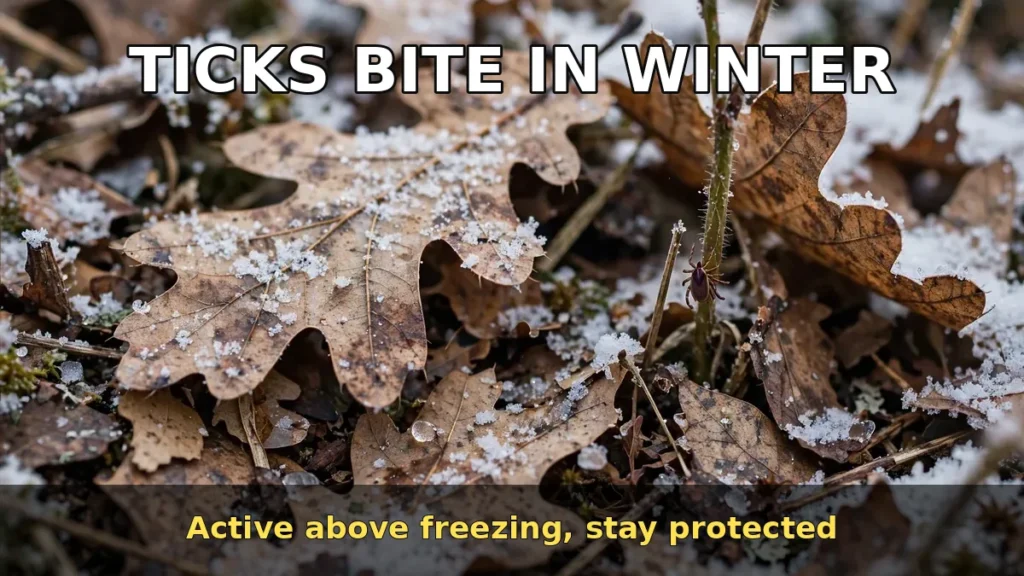
# Are Ticks Active in Winter?
Most people pack away their tick precautions along with the camping gear. Once the first hard frost arrives, bug spray goes into the cabinet, daily tick checks stop, and the assumption sets in: ticks are done for the year. That assumption is wrong for at least one important species, and it is the species behind most Lyme disease cases in the United States.
So, are ticks active in winter? The direct answer is yes, some are. Adult blacklegged ticks, also called deer ticks, do not enter full winter dormancy. On any day when temperatures climb above freezing, they can climb onto vegetation and start questing, which is the behavior ticks use to latch onto passing people and animals. Winter hikers, hunters, dog walkers, and anyone clearing leaf litter can still pick up a tick in January or February. This article explains which species stay active, the temperature thresholds involved, which winter activities still carry risk, and the precautions worth keeping up all year.
The idea that cold weather kills ticks is one of the most persistent myths in outdoor safety. Ticks are remarkably cold-hardy. They survive freezing temperatures by sheltering in leaf litter, under bark, and beneath snow cover, where conditions stay far milder than the air above. When a warm spell arrives, adult blacklegged ticks emerge and resume looking for a host.
This matters because of timing. Blacklegged tick adults have two activity peaks: one in autumn, and another from late winter into early spring. Adult females that failed to find a host in the fall simply wait out the cold and try again. Rutgers University entomologists note that adult blacklegged ticks remain active in late fall and winter and stay capable of biting whenever temperatures rise above freezing. The Weather Network’s seasonal tick reminders echo the same point: ticks are still active in fall and, when the weather stays warm enough, survive through winter — tick risk in winter is lower than in summer, but it is not zero.
The practical consequence is straightforward. If you hike, hunt, walk a dog, or rake leaves on a mild winter day, you should treat the outing the same way you would in October. The tick season for blacklegged ticks never fully closes in much of the country. Keeping up basic precautions costs almost nothing, and skipping them because of the calendar leaves a real gap in protection.
Ticks do not fight winter the way warm-blooded animals do. They ride it out with a set of survival tricks that make them far tougher than their small size suggests.
Many ticks produce glycerol and related compounds in their bodies that act like antifreeze, lowering the temperature at which their tissues freeze. This lets them tolerate temperatures well below freezing without dying. An adult blacklegged tick can survive extended cold that would kill most insects outright.
A tick’s winter shelter is usually the leaf litter on the forest floor. Decaying leaves trap air and moisture, creating an insulated microclimate that stays several degrees warmer than the open air. Ticks tucked into this layer are buffered from the worst cold and from drying winds.
A snowpack works like a blanket. Beneath a few inches of snow, ground-level temperatures can hover near freezing even when the air above drops far below. This is why ticks in snowy regions survive winter easily, and why a mid-winter thaw that melts snow can quickly reactivate them.
Not all winter ticks are in the same state. Some species, like the American dog tick, enter a true dormant state and will not quest until spring regardless of brief warm spells. Blacklegged tick adults are different: they enter a shallow resting state and can reactivate quickly. That difference is why species identification matters for winter risk, and it is covered in detail in the next section.
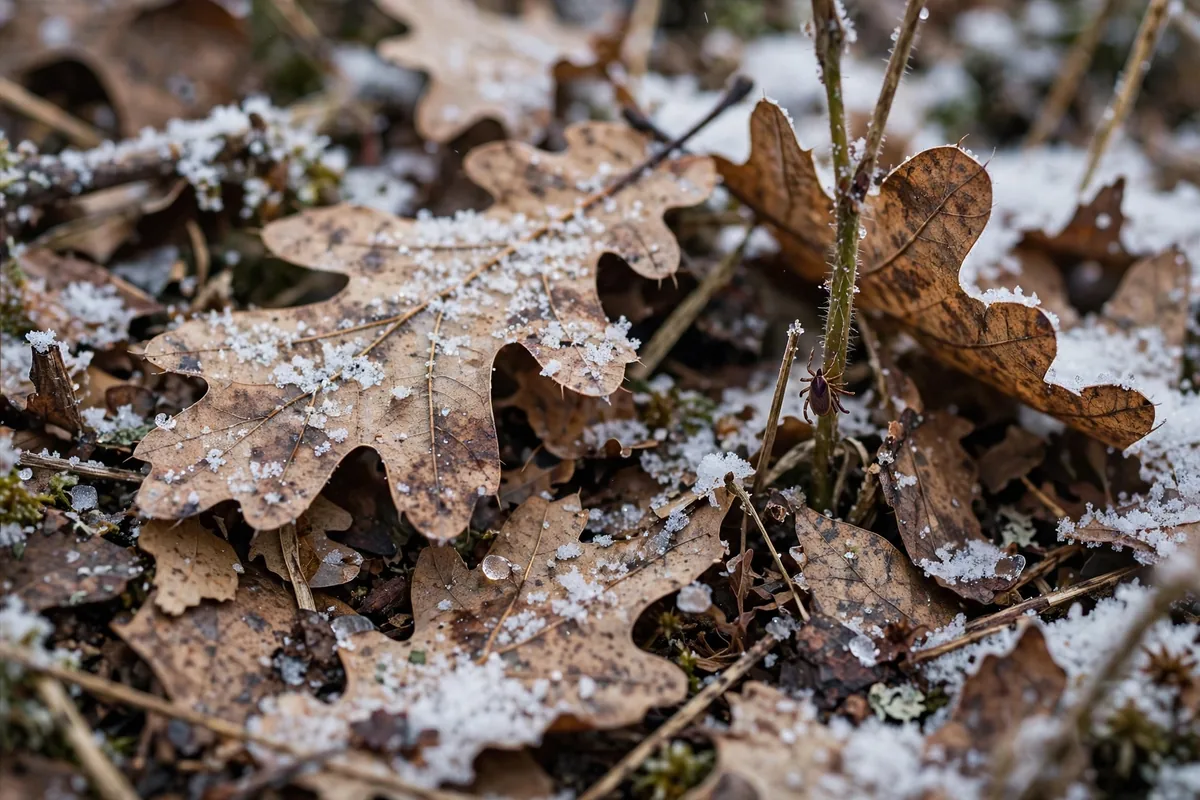
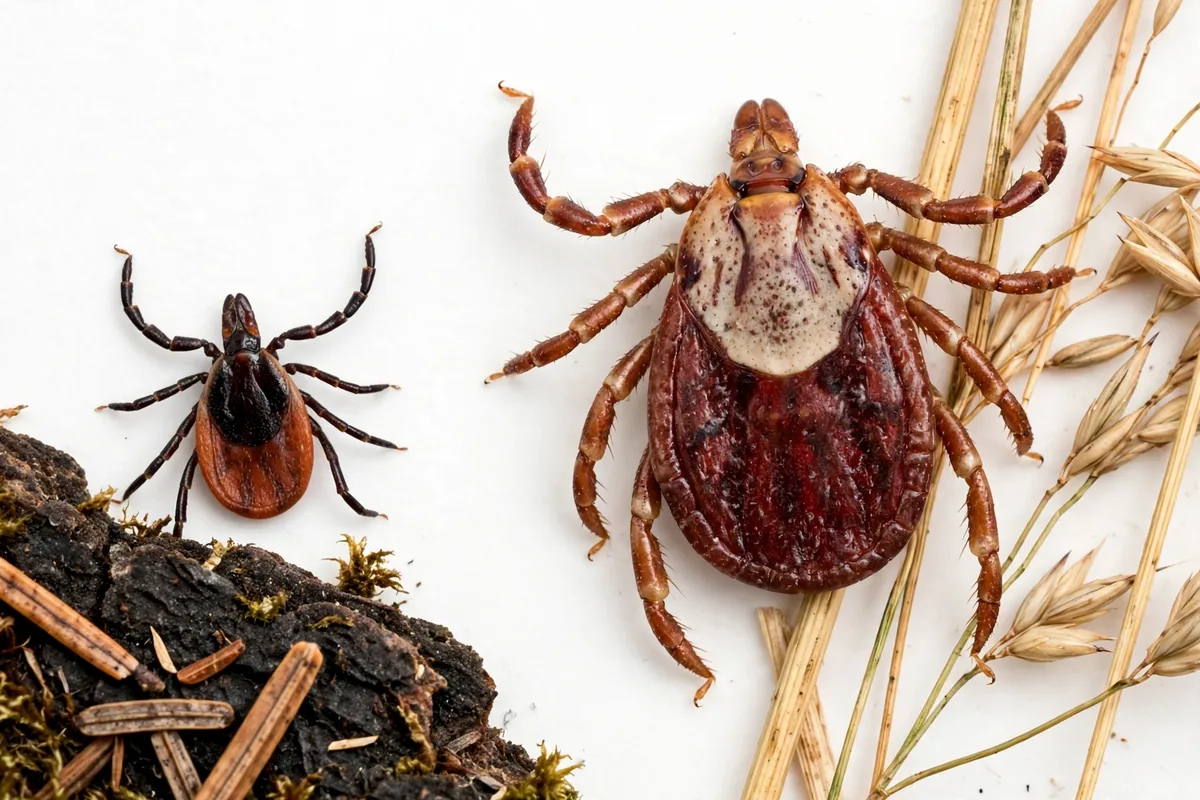
Winter tick activity is not the same across species. Knowing which ticks in your area stay alert through the cold lets you judge your real risk instead of guessing.
| Species | Winter behavior | Key risk |
|---|---|---|
| Blacklegged tick (deer tick) | Adults quest on days above freezing, from fall through spring | Lyme disease, anaplasmosis, babesiosis |
| American dog tick | Dormant all winter; resumes activity in spring | Rocky Mountain spotted fever (spring/summer risk) |
| Lone star tick | Mostly dormant, but can stir during warm winter spells | Ehrlichiosis (mainly a warm-season risk) |
| Brown dog tick | Can stay active indoors year-round where dogs live | Rocky Mountain spotted fever; a household, not woodland, risk |
Blacklegged ticks are the winter species to take seriously. Adults are active from autumn through spring in the Northeast, upper Midwest, and expanding parts of the South and mid-Atlantic. Adult females can transmit Lyme disease, anaplasmosis, and babesiosis. Because they are larger than the nymph stage (about sesame-seed size), a careful tick check is more likely to catch them, which is a small advantage winter gives you.
American dog ticks spend winter in dormancy. A January warm spell will not bring them out, so winter bites from this species are unlikely. Their season runs from spring through summer, when they are the main vector of Rocky Mountain spotted fever in many regions.
Lone star ticks sit between the two. They are generally quiet in the coldest months but may become active during extended warm spells, especially in the Southeast. Their winter role is minor compared with blacklegged ticks.
Brown dog ticks are the indoor exception. They can complete their whole life cycle inside a home or kennel and stay active through winter wherever dogs live indoors. If you find ticks on a dog in January, the brown dog tick is a likely suspect, and the problem is in the home environment rather than the woods.
For a deeper look at year-round tick basics, see the tick bites hub, which covers identification and first aid for all seasons.
The single most useful number for winter tick safety is the activity threshold. Blacklegged tick adults become capable of questing once temperatures rise above freezing, roughly 32°F (0°C). Several sources place the practical threshold a few degrees higher, around 35 to 40°F (about 2 to 4°C), because ticks respond to ground-level temperatures rather than the number on a weather app.
That distinction matters. On a sunny winter afternoon, dark soil, rocks, and south-facing slopes absorb heat and can run several degrees warmer than the reported air temperature. A day that reads 34°F on your phone may offer 40°F microclimates at ankle height, which is exactly where questing ticks wait. Brief thaws, sun-warmed clearings, and late-winter days with melting snow are the highest-risk winter windows.
Lab studies show black-legged ticks are active anytime above four degrees Celsius, according to Ontario Veterinary College assistant professor Katie Clow, quoted by The Weather Network, and field entomologists generally advise treating any above-freezing day as a potential tick day. The honest bottom line is that there is no hard cutoff you can watch on a thermometer and feel fully safe below. If it is warm enough for you to hike comfortably in a light jacket, it is warm enough for an adult blacklegged tick to quest.
This is also why the calendar is a poor guide. A warm week in February in Pennsylvania can produce more tick activity than a cold snap in late March. Watch conditions, not months.
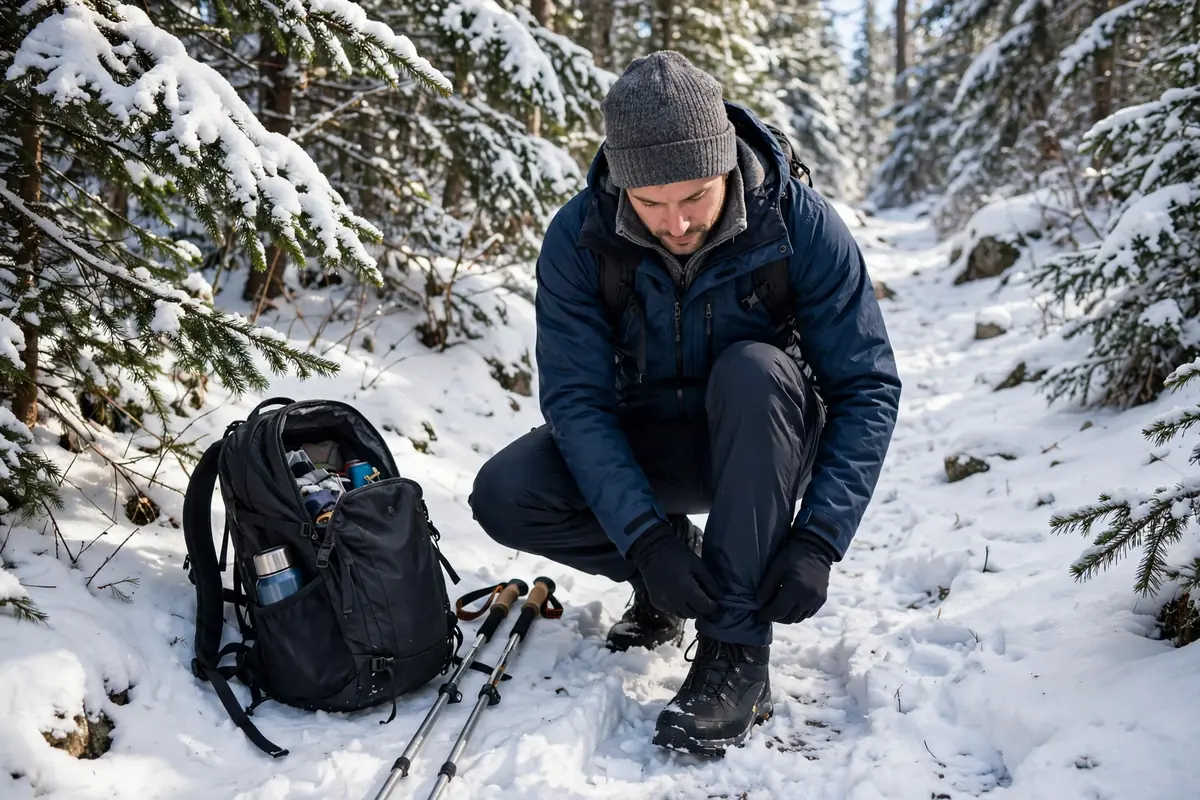
Tick exposure in winter follows the same rule as in summer: time spent in tick habitat plus skin or clothing contact with vegetation. These winter activities deserve the same precautions you would take in autumn.
Hiking and trail running. Winter trails through woods and brush are prime blacklegged tick habitat. Ticks quest from low vegetation and leaf litter at the trail edge, and winter hikers often brush against exactly that vegetation while wearing gaiters or boots that ticks can climb.
Hunting. Hunters spend long hours sitting or moving slowly through woods and fields during deer season, which overlaps directly with peak adult blacklegged tick activity in late fall and winter. Sitting against trees and dragging game through brush both create extended contact with questing ticks.
Walking the dog. Dogs push through underbrush that people walk around, and they pick up ticks that transfer to owners later at home. Winter does not change this. Dogs should stay on year-round tick prevention as recommended by a veterinarian, and owners should check both the dog and themselves after walks.
Firewood and yard work. Stacking firewood, clearing brush, and raking leaves all involve handling the exact material ticks shelter in. Leaf litter is both a winter refuge and a questing platform, so late-fall and winter cleanup can expose you to ticks hiding in the debris.
Winter gardening and trail maintenance. Cutting back perennials, clearing garden beds, and doing trail work disturb leaf litter and low vegetation where ticks wait. Gloves and long sleeves help, but a tick check afterward is the step people skip.
If you spend time in any of these settings on mild winter days, the outdoor bite prevention checklist is worth reviewing even in January.
Winter tick precautions are the same ones that work in summer, with small cold-weather adjustments. None of them are complicated.
Tuck pants into socks or boots and tuck shirts into pants. Light-colored clothing makes ticks easier to spot. In winter this is easy, because you are already layered. Gaiters over boot tops close a common entry point.
EPA-registered repellents containing DEET or picaridin work in winter exactly as they do in summer. Apply to exposed skin according to the product label. For clothing and gear, permethrin-based treatments made for fabrics add a strong layer of protection through multiple washes; never apply permethrin products directly to skin.
After any winter outing in tick habitat, check your whole body, with attention to the waistline, armpits, behind the ears, along the hairline, and behind the knees. Winter clothing creates folds and layers where a tick can hide unnoticed, so be thorough. Showering within a couple of hours of coming indoors helps wash off unattached ticks.
Dogs that go outdoors in winter need the same tick prevention they get in summer. Check dogs after walks, feeling through the fur with your fingertips, since winter coats hide ticks well. Ask a veterinarian about year-round products if your current plan is seasonal.
Keep leaf litter cleared away from paths, play areas, and seating. Move woodpiles away from the house and keep grass and brush trimmed at the yard edge. These steps reduce tick habitat near the places your family uses most, in every season.
Finding a tick on your skin in February can feel surprising, but the response is the same as in July. Act promptly and keep a clear record.
Remove it correctly. Use fine-tipped tweezers, grasp the tick as close to the skin as possible, and pull straight up with steady pressure. Do not twist, squeeze the body, or try folk methods like heat or nail polish. Clean the bite area and your hands afterward. The step-by-step technique is covered in how to remove an attached tick safely.
Save the tick. Place it in a sealed bag or container with the date written on it. If symptoms develop later, having the tick can help a clinician assess the situation. A photo of the tick before removal is also useful.
Note the details. Write down the date, where on your body the tick was attached, how long you think it may have been attached, and where you had been outdoors. Lyme disease transmission from blacklegged ticks generally requires extended attachment, commonly described as 36 to 48 hours, so an engorgement estimate matters.
Contact a healthcare professional promptly. Do not wait to see whether symptoms appear. A clinician can assess the bite based on the tick species, your region, and how long it was attached, and can discuss whether preventive treatment is appropriate in your case. Preventive decisions depend on individual risk factors, so get professional guidance rather than deciding on your own.
Watch for symptoms for 30 days. The tick bite aftercare guide walks through what to monitor in the weeks after a bite, including the expanding rash associated with Lyme disease and flu-like symptoms that warrant a call to your doctor.
A winter tick bite deserves the same medical respect as a summer one. Seek care promptly in these situations.
When in doubt, call your clinician or urgent care and describe the bite. Early evaluation after a tick bite consistently leads to better outcomes than waiting.
Do ticks die in winter?
No. Most tick species survive winter easily by sheltering in leaf litter, under bark, or beneath snow, aided by antifreeze-like compounds in their bodies. Cold reduces their activity but does not wipe them out, and populations rebound each spring.
Can you get Lyme disease from a tick bite in winter?
Yes, it is possible. Adult blacklegged ticks that quest on mild winter days can carry the bacteria that cause Lyme disease. The risk per outing is lower than in late spring, when tiny nymphs are most active, but a winter bite from an infected adult tick can still transmit disease.
What temperature is too cold for ticks?
There is no single cutoff, but blacklegged tick adults generally stop questing once temperatures stay below freezing. Practical guidance from entomologists treats roughly 35 to 40°F as the zone where activity becomes likely, with ground-level microclimates running warmer than reported air temperatures on sunny days.
Should I still check for ticks in winter?
Yes, after any outing in woods, brush, or leaf litter on a day above freezing. Winter clothing hides ticks well, so check skin folds, the waistline, and along the hairline carefully. Checking dogs after winter walks matters just as much.
Do I need tick prevention for my dog in winter?
In most regions, yes. Dogs encounter questing adult blacklegged ticks on mild winter days, and the brown dog tick can stay active indoors all year. Ask your veterinarian about year-round prevention rather than stopping products when cold weather arrives.
Are tick-borne diseases less common in winter?
Reported cases drop in winter because fewer people are bitten, not because winter bites are harmless. Anaplasmosis and babesiosis, which adult blacklegged ticks can also carry, occur through the same winter-active window as Lyme disease. The per-bite risk is real whenever a tick is feeding.
Medically reviewed by Dr. Sarah Jones, MD.
This article is for informational purposes only and isn’t medical advice. If you’re worried about a bite or sting, talk to a healthcare professional.
Dr. Jones oversees StingHelp’s clinical verification process. Every guide is systematically evaluated against active Centers for Disease Control and Prevention (CDC), Environmental Protection Agency (EPA), and American Academy of Allergy, Asthma & Immunology (AAAAI) medical consensus standards to ensure symptom distinctions and care recommendations are clinically sound.
Explore physician-reviewed first-aid procedures, identification clues, and symptom comparisons for other common outdoor bites and stings.

You come in from a hike, a camping trip, or an afternoon of yard work, and your first instinct is to hop in the…

One tick, six different clocks. Powassan virus can pass within 15 minutes while Lyme disease usually needs 36 to 48 hours — and official sources disagree on the hours in between. Every figure sourced, every conflict named.
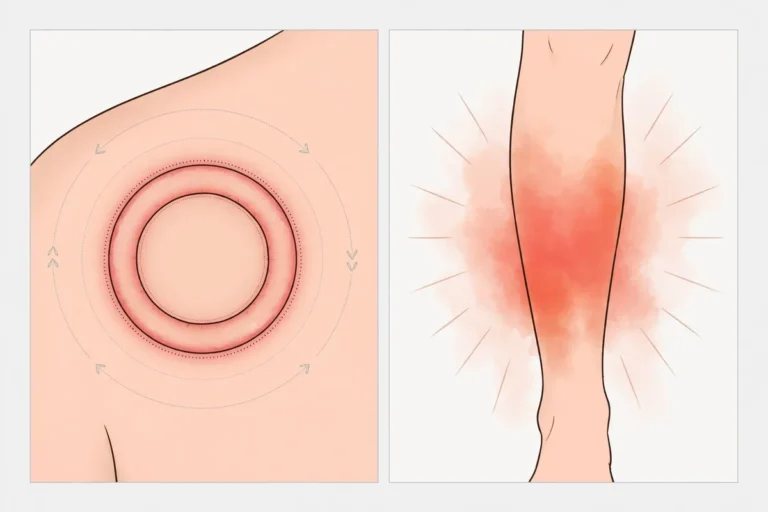
A red area on your skin is getting bigger, and you are trying to decide what it might be. The question lyme disease rash…