
Do Wasp Stings Leave a Stinger? Myth vs Facts
You have just been stung, and your first instinct is to look for the stinger. Do wasp stings leave a stinger? No, they do…
Introduction: The Short Answer Wasps rarely sting for no reason at all, even when the sting feels completely unprovoked to the person who receives it. In most cases, the wasp…
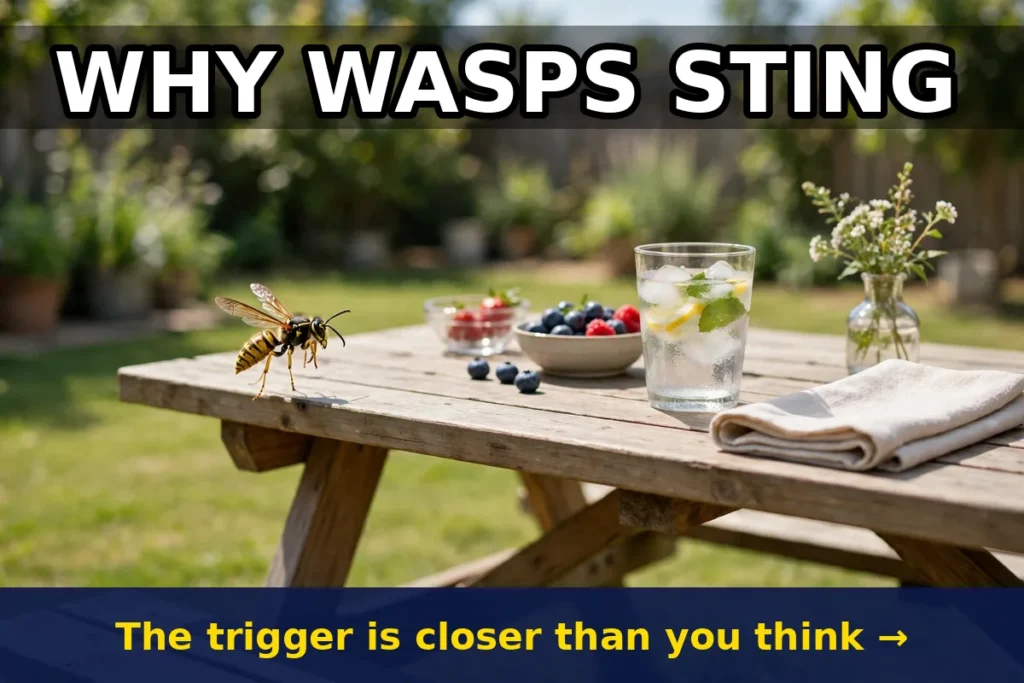
Wasps rarely sting for no reason at all, even when the sting feels completely unprovoked to the person who receives it. In most cases, the wasp is reacting to something it perceives as a threat, a disturbance near its nest, a sudden movement, a trapped feeling, or a strong smell associated with food. The sting is a defensive tool, not a hunting tool, and a wasp does not gain food, shelter, or any other benefit from stinging a person. Understanding that distinction is the key to understanding why a sting can happen when you did nothing intentional to provoke it.
From the wasp’s point of view, provocation does not require intent. A person can step too close to a hidden nest, swat at a wasp that has landed on an arm, walk through a flight path, or wear a strong fragrance that resembles a food source. None of those actions are deliberate attacks, but all of them can register as danger to an insect whose entire survival strategy depends on reacting fast. This article explains the real triggers behind so-called unprovoked stings, how different wasp species behave, what situations raise your risk, and what you can do to lower it. It also covers what to do after a sting and when medical care is needed.
A wasp’s stinger evolved as a defensive weapon and, in some species, as a tool for subduing prey insects. When a wasp stings a person, it is almost always defending itself or its colony. Unlike honeybees, most wasps can sting more than once because their stingers are generally smooth rather than barbed, which means a single wasp can deliver multiple stings if it remains trapped or threatened. That fact sometimes makes a wasp encounter feel more aggressive than a bee encounter, but the underlying motive is the same: escape a threat and protect the colony.
Wasps do not seek out people to sting. People are far too large to be prey, and a sting costs the wasp energy and exposes it to danger. A wasp that stings a person is usually a wasp that felt it had no better option in that moment.
Solitary wasps, which live and hunt alone, are generally less likely to sting people because they have no colony to defend and tend to avoid confrontation. Social wasps, including yellowjackets, paper wasps, and hornets, live in colonies with a queen, workers, and developing larvae. Workers will defend the nest, and that defense instinct grows stronger as the colony grows through the summer and into early autumn.
Late summer and early autumn are often described as peak wasp season for a reason. Colonies are at their largest, food sources shift, and wasps may become more persistent around outdoor food and drink. If you have noticed more wasps in August and September than in May, colony growth and changing food needs are a large part of the explanation.
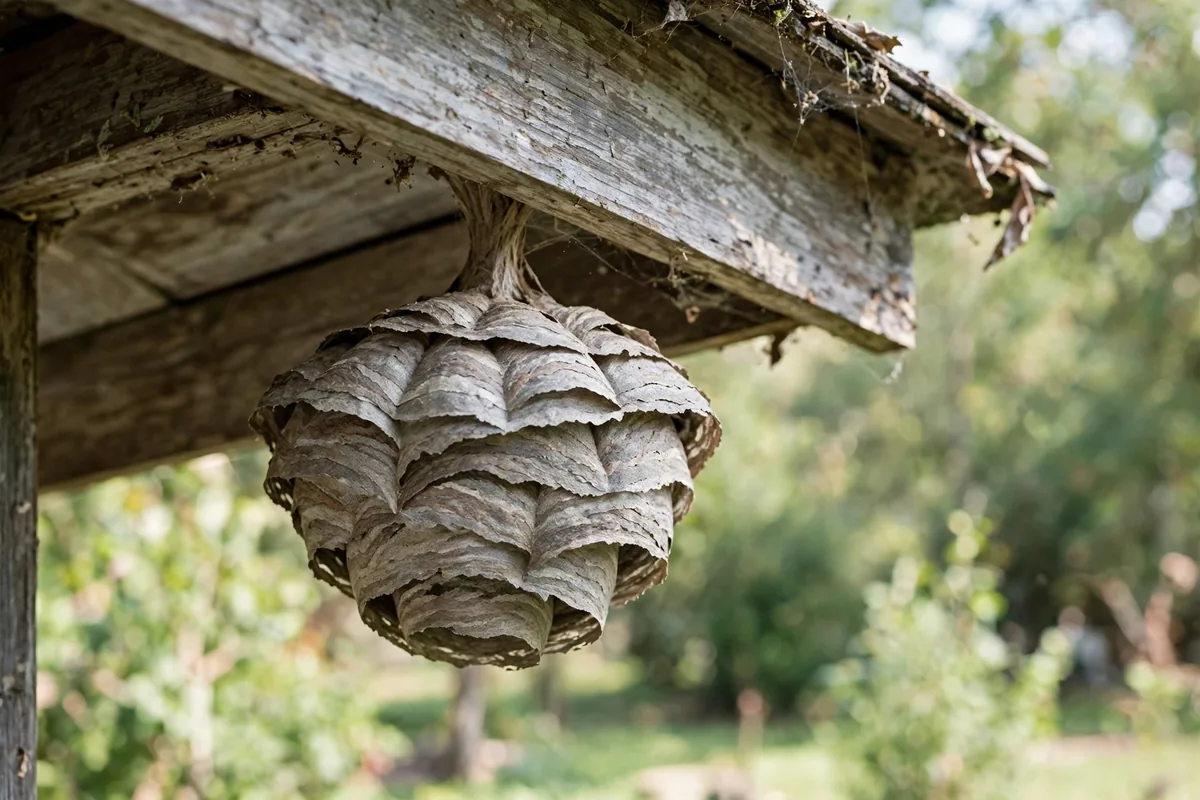
This is the most common cause of a sting that feels unprovoked. Wasp nests are often hidden in places people do not check: under roof eaves, inside wall cavities, in ground holes, under deck boards, inside garden sheds, in hollow trees, or in abandoned rodent burrows. A person mowing a lawn, trimming a hedge, moving firewood, or reaching into a mailbox may disturb a nest entrance without ever seeing the nest itself.
Guard wasps near a nest entrance are primed to react. Vibration, shadow movement, and carbon dioxide from breathing can all signal an intruder. Once one wasp stings or releases alarm pheromones, chemical signals that alert other wasps to danger, additional workers may join the defense. That is why a single accidental step near a ground nest can sometimes lead to multiple stings.
A wasp that lands on clothing, gets caught in hair, slips inside a sleeve, or ends up trapped between skin and a tight garment may sting in panic. From the wasp’s perspective, being pressed against a warm surface with no escape route is a life or death situation. The sting is an attempt to create an opening to escape.
This trigger explains many stings that happen indoors or in cars. A wasp enters through an open window, lands on a person, and the person instinctively brushes or presses at it. The wasp, already startled, stings before it can fly away. Staying still and letting the wasp leave on its own is often safer than swatting, although that advice is much easier to give than to follow in the moment.
Fast, jerky movements read as threats to many insects. Swatting at a wasp, waving arms wildly, or running while flailing can escalate an encounter that might otherwise have ended with the wasp flying away. Wasps are attracted to movement in some contexts, and a hand moving quickly toward them can trigger a defensive sting before the person realizes what has happened.
Slow, calm movement is the safer response. If a wasp is circling you, walk away steadily rather than running, keep your hands low, and avoid sudden gestures. If a wasp lands on you, stay still for a few seconds and give it a chance to leave. Brushing it off gently with a slow motion is better than a sharp slap, though the safest option is usually to wait.
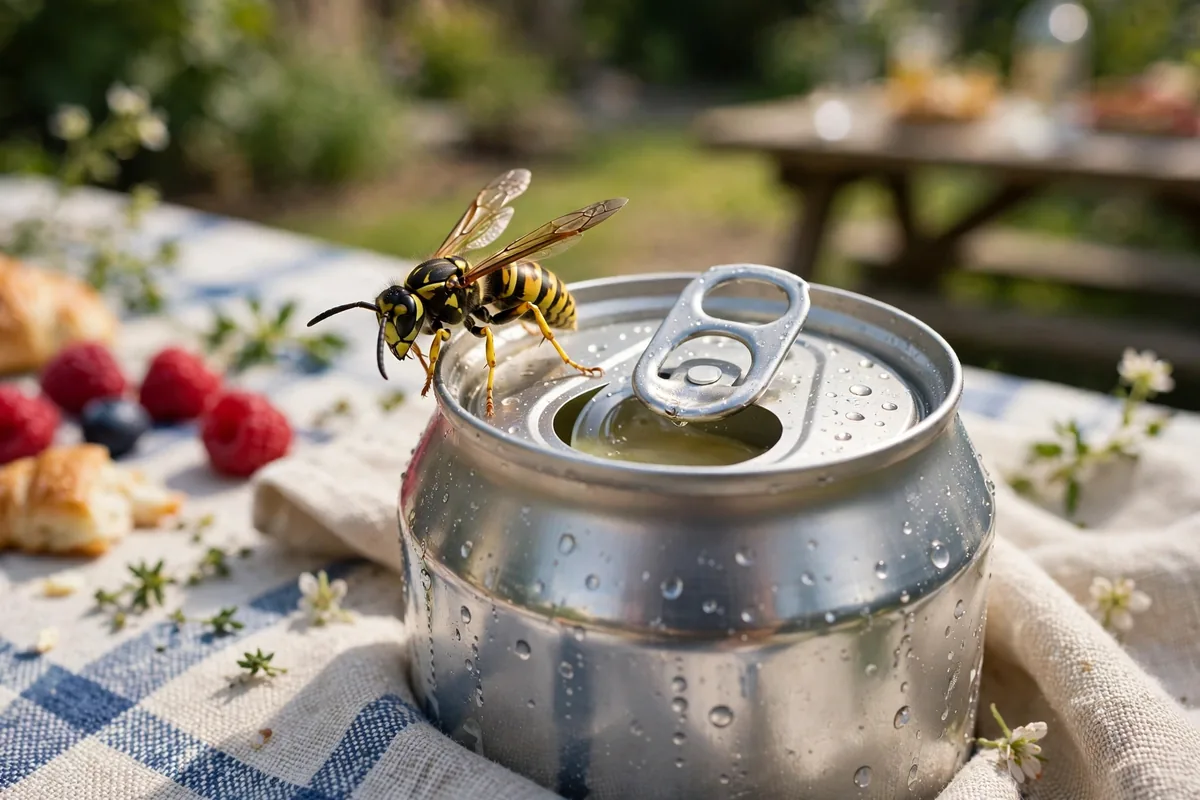
Yellowjackets in particular are scavengers, and late in the season they are strongly drawn to sweet foods, meat, sugary drinks, and fallen fruit. A wasp investigating a soda can, a picnic plate, or a trash bin is not looking for a fight. It is looking for sugar or protein. Trouble starts when a person drinks from a can without checking it, bites into food where a wasp is feeding, or tries to shoo the wasp away from the table.
Perfume, scented lotions, hair products, and brightly colored or floral patterned clothing can also draw wasps closer. These cues do not make a wasp angry, but they increase the chance of close contact, and close contact increases the chance of a defensive sting. This is especially relevant at outdoor gatherings, farmers markets, and backyard barbecues.
Lawnmowers, string trimmers, leaf blowers, power tools, and even heavy footsteps near a ground nest can send vibrations through the soil and structure that wasps interpret as an attack on the colony. Gardeners and outdoor workers are therefore at higher risk than people sitting quietly indoors, not because wasps target them personally, but because their work disturbs nest sites.
Children playing near hedges, woodpiles, or old structures can also trigger nests unknowingly. Teaching children to leave nests alone, to tell an adult if they see many wasps in one area, and to move away calmly if wasps appear is an important safety habit.
In spring, wasp queens are starting new colonies and workers are fewer. Encounters are less frequent and nests are smaller. By late summer, colonies are large, and the queen’s egg laying slows. Workers that previously focused on feeding larvae may spend more time foraging for sugars. That shift makes wasps more visible around human food and more likely to enter homes, patios, and picnic areas.
Cooler autumn weather can also make wasps sluggish. A sluggish wasp that lands on clothing or gets handled accidentally may sting because it cannot fly away quickly. Wasps found indoors in autumn are often seeking warmth or shelter, not looking for a confrontation, but handling them with bare hands is still risky.
Yellowjackets are the wasps most people picture when they think of aggressive stinging insects, and they are responsible for a large share of sting complaints. They nest in the ground, in wall voids, and in other enclosed spaces, which makes their nests easy to disturb accidentally. They are also enthusiastic scavengers around food, which brings them into frequent contact with people. Yellowjackets are more likely than paper wasps to sting with relatively little provocation near a nest or food source, and they can sting repeatedly.
For more on yellowjackets, see https://stinghelp.com/yellowjacket-vs-honeybee/ and https://stinghelp.com/paper-wasp-sting-treatment/ for a comparison with a generally calmer species.
Paper wasps build open, umbrella shaped nests under eaves, porch ceilings, and similar sheltered spots. They are generally less aggressive than yellowjackets when away from the nest, and they often fly away rather than sting if disturbed at a distance. Near the nest, however, paper wasps will defend their colony, and disturbing a nest can still lead to stings. Because their nests are often visible, they are easier to avoid once spotted.
Hornets, including the European hornet and the bald-faced hornet, are larger than yellowjackets and paper wasps, and their stings are often described as more painful. Hornets tend to be less interested in human food than yellowjackets, but they defend their nests vigorously. A hornet nest in a tree or on a building should be given a wide berth, and professional removal is usually the safest option.
Mud daubers and other solitary wasps rarely sting people. They build mud nests, hunt spiders or other insects for their larvae, and show little interest in defending a large colony because they do not have one. Most stings from solitary wasps happen only when the insect is handled or trapped directly against skin. Leaving solitary wasps alone is almost always enough to avoid a sting.
| Wasp type | Nest location | Interest in human food | Nest defense level | Typical sting risk away from nest |
|---|---|---|---|---|
| Yellowjacket | Ground, wall voids, enclosed spaces | High, especially late season | High | Moderate to high |
| Paper wasp | Eaves, porches, sheltered spots | Low to moderate | Moderate near nest | Low |
| Hornet | Trees, buildings, large enclosed nests | Low | High | Low to moderate |
| Mud dauber (solitary) | Mud nests on walls, sheds | Very low | Very low | Very low |
This table is a general guide, not a guarantee. Individual wasps vary, and any wasp that feels trapped can sting regardless of species.
It helps to reframe the question. Instead of asking whether you provoked the wasp on purpose, ask what the wasp may have perceived. Common perceptions that lead to stings include:
None of these require bad intent. A person can be entirely innocent in human terms and still be perceived as a threat in wasp terms. That mismatch is why the sting feels unfair, and why prevention focuses on reducing close encounters rather than assigning blame.
Walk away from the area at a steady pace. Do not run, wave your arms, or swat. If you are near a nest, move at least 20 to 30 feet away before stopping, since guard wasps may pursue a perceived intruder for a short distance. Once you are clear, check your clothing and surroundings before resuming activity.
Stay still. In many cases the wasp will investigate for a few seconds and then fly off. If it does not leave, you can gently brush it away with a slow motion using a piece of paper or cloth, or slowly move your arm so the wasp has an open flight path. Avoid pressing it against your skin.
Move away from the area first, since more wasps may be nearby. Then clean the sting site with soap and water, apply a cold pack for 10 to 15 minutes at a time, and avoid scratching. Over the counter pain relief and antihistamines are commonly used for mild symptoms, but follow package directions and talk to a pharmacist or clinician if you are unsure what is appropriate for you. Watch for signs of a severe allergic reaction, which are covered in the section below.
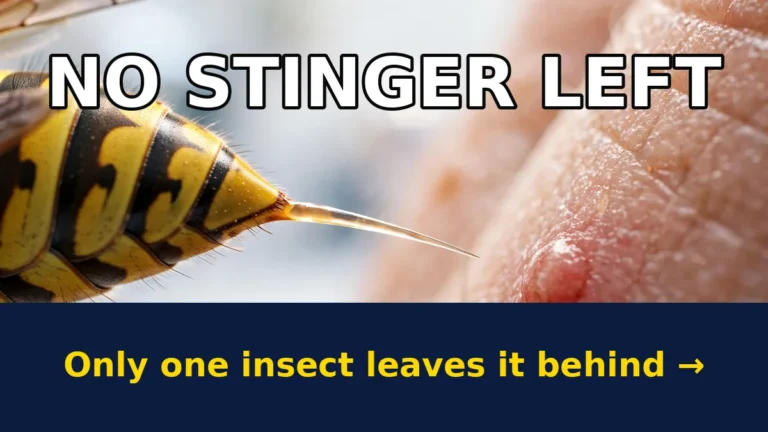
Unlike a honeybee sting, a wasp sting usually does not leave a stinger embedded in the skin. If you see a stinger, remove it by scraping gently with a fingernail or a card rather than squeezing it. For bee sting care, which differs because a honeybee stinger usually stays embedded, see the honey bee sting treatment guide (https://stinghelp.com/honey-bee-sting-treatment/) for details.
Inspect eaves, sheds, decks, and play equipment in spring and early summer, when nests are small and easier to manage safely. Keep trash bins closed, clean up fallen fruit, and cover food and drinks outdoors. Seal gaps around windows and doors where wasps might enter. If you find a nest, do not attempt to remove a large or hard to reach nest yourself. Contact a pest control professional, especially if the nest is inside a wall or in the ground.
Use cups with lids and straws rather than open cans when wasps are active. Check food and drinks before eating or drinking. Avoid wearing strong perfumes or brightly floral clothing at outdoor gatherings in late summer. Keep shoes on in grassy areas, and teach children to avoid woodpiles, hollow trees, and dense shrubs where nests may hide.
Before mowing, trimming, or moving stored materials, scan the area for wasp traffic. Wasps flying in and out of a single hole or gap often signal a nest entrance. If you see that pattern, stop work in that area and investigate from a safe distance. Wearing long sleeves, pants, gloves, and closed shoes reduces exposed skin, though it does not make you sting proof.
Wasps do not sting out of spite. Stinging is energetically costly and risky for the wasp. A sting that looks random almost always has a trigger, even if the trigger was invisible to the person, such as a hidden nest or a wasp trapped in clothing.
Ignoring a wasp lowers risk, but it does not eliminate it. A wasp that is trapped, stepped on, or defending a nest may sting even if you did nothing to attract it. Ignoring is good advice, but awareness of your surroundings matters just as much.
Species, season, nest proximity, and food availability all change behavior. Yellowjackets near a ground nest in September behave very differently from a solitary mud dauber on a garden wall in May. Treating all wasps as identical leads to both unnecessary fear and missed precautions.
Most social wasps can sting multiple times. If you are stung once, move away from the area promptly rather than assuming the danger has passed. Multiple stings are more likely near a disturbed nest.

Most wasp stings cause local pain, redness, swelling, and itching that improve over a few days. Seek urgent medical care immediately, by calling 911, if you or someone near you shows signs of a severe allergic reaction, known as anaphylaxis. Warning signs include:
Also seek prompt medical advice if you are stung multiple times, stung inside the mouth or throat, stung near the eye, or if swelling, redness, and pain worsen after 48 hours rather than improving. Signs of possible infection include increasing warmth, spreading redness, pus, fever, or red streaks from the sting site. People with a known allergy to wasp or bee venom should follow their allergy action plan and carry prescribed emergency medication when outdoors.
Wasps rarely sting with no trigger at all, but the trigger is often invisible to the person. Hidden nests, trapped wasps, sudden movements, and food smells are common causes of stings that feel unprovoked. The wasp is usually defending itself or its colony.
A person sitting still can still be near a nest entrance, wearing a strong scent, or have a wasp trapped in clothing. Wasps may also investigate food or drink nearby. Stillness helps, but it does not remove the risk if a nest or food source is close by.
Many people notice more wasp encounters in late summer and early autumn. Colonies are larger then, and wasps may seek sugars more actively. That combination means more wasps around people and food, which raises the chance of defensive stings.
Yes, a wasp can sting through thin clothing if it is pressed against skin. Thicker fabrics offer more protection, but no ordinary clothing guarantees protection, especially if a wasp is trapped underneath it. Shake out clothing and towels left outdoors before using them.
Pull over safely if you are driving, open the windows, and let the wasp leave on its own. Do not swat at it while driving. Once stopped, stay calm, keep windows open, and wait for the wasp to exit before closing them and resuming your trip.
Wasps do not hold grudges or target individuals over time. They may, however, defend a nest location repeatedly if that location is disturbed again. If you are stung near a particular spot, avoid that spot until the nest is identified and handled safely.
Swatting often increases sting risk and can release alarm pheromones that attract other wasps. Walking away calmly is usually safer. If wasps are a recurring problem at home, focus on nest identification and professional removal rather than swatting individual wasps.
A wasp sting that feels unprovoked usually has a cause, even if that cause was hidden, accidental, or invisible in the moment. Nest defense, trapped wasps, sudden movement, food smells, vibration, and seasonal shifts explain most surprise stings. Understanding those triggers does not make a sting less painful, but it does make future stings more preventable. Keep your distance from nests, stay calm around wasps, protect food and drinks outdoors, and give wasps a clear path to leave. Most encounters end without a sting when both sides are given space.
Medical disclaimer: This article is for general information only and is not medical advice. It does not diagnose or treat any condition. If you are stung and have concerning symptoms, a known insect venom allergy, or symptoms that worsen, seek professional medical care promptly. This content is medically reviewed by Dr. Sarah Jones, MD, for general educational accuracy.
Dr. Jones oversees StingHelp’s clinical verification process. Every guide is systematically evaluated against active Centers for Disease Control and Prevention (CDC), Environmental Protection Agency (EPA), and American Academy of Allergy, Asthma & Immunology (AAAAI) medical consensus standards to ensure symptom distinctions and care recommendations are clinically sound.
Explore physician-reviewed first-aid procedures, identification clues, and symptom comparisons for other common outdoor bites and stings.
You have just been stung, and your first instinct is to look for the stinger. Do wasp stings leave a stinger? No, they do…
# Are Yellow Jackets Active at Night? The short answer is no, yellow jackets are not really active at night. These wasps are daytime…
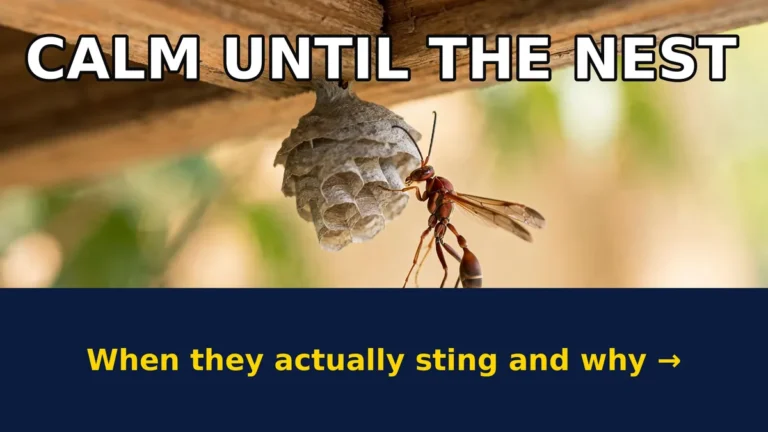
Finding a gray, umbrella-shaped nest hanging under your porch eave can trigger an instant question: are paper wasps aggressive, and is my family in…