The Short Answer
No, and this one matters more than most flea myths. When you ask does garlic repel fleas, the veterinary answer is twofold: there is no scientific evidence that garlic repels or kills fleas on dogs, and garlic is toxic to dogs and cats. The same sulfur compounds that supposedly make garlic a “natural” flea remedy, N-propyl disulfide and related thiosulfates, damage red blood cells and can cause hemolytic anemia, a potentially life-threatening condition. This article is a debunk, not a guide. You will find no instructions here for giving garlic to your dog, because veterinarians advise against it and the evidence for any benefit does not exist.
This is the rare flea myth where the “remedy” is worse than the problem it claims to solve. Fleas cause itching, skin infections, and tapeworms. Garlic can cause organ damage. Pet owners who feed garlic chews, powders, or homemade preparations are trading a treatable parasite problem for a poisoning risk, often without realizing it, because the products are sold over the counter with “natural” and “organic” labels that imply safety. The sections below lay out the evidence honestly: what was actually studied, what the toxicology shows, and what safe flea control looks like.
Where the Garlic Flea Myth Comes From
Garlic has been credited with repelling everything from vampires to mosquitoes for centuries, so it was probably inevitable that fleas joined the list. The modern version of the myth holds that feeding garlic to a dog changes the dog’s body odor or skin chemistry in a way fleas find repulsive. Garlic flea chews, powders, and tablets are sold in pet stores and online marketplaces, often marketed as a chemical-free alternative to prescription flea preventives. Some are even labeled organic, which leads many buyers to assume they must be harmless.
The myth got an extra boost from a grain of truth in a different species. Certain sulfur compounds in garlic do have mild insect-repellent properties in laboratory settings, and garlic extracts have shown some effect against agricultural pests. But a petri dish is not a dog. Fleas are blood-feeding parasites with a complex life cycle, and there is a vast distance between a compound irritating an insect in a lab and a fed supplement protecting a living animal. The leap from one to the other was made by marketing, not by science.
Why “Natural” Does Not Mean Safe
This is worth stating plainly because it is the assumption the garlic-flea industry runs on: natural does not mean safe for dogs. Chocolate is natural. Grapes are natural. Xylitol comes from birch bark. All are toxic to dogs. Dogs metabolize many plant compounds differently than humans do, and the Allium family, which includes garlic, onions, leeks, and chives, is one of the best-documented examples. The “natural flea remedy” framing exploits a mental shortcut, that plant-derived equals gentle, that simply does not hold in veterinary toxicology.
What the Evidence Actually Shows
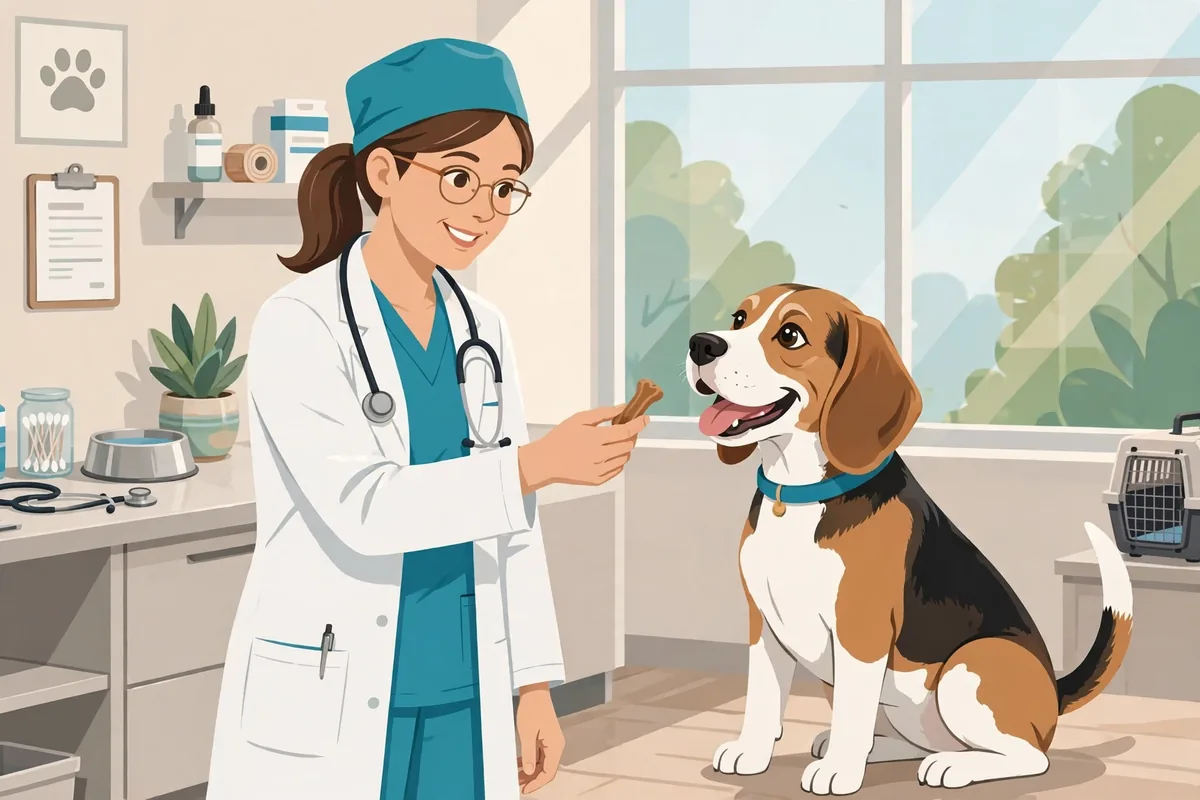
Here is the complete evidentiary record for garlic as a flea repellent in dogs, and it is short. A 2020 knowledge summary in the journal Veterinary Evidence (Buckley) systematically searched the literature for studies testing whether oral or topical garlic keeps fleas off dogs, repels them, or kills them. It found zero in-vivo studies. Not one controlled trial has tested garlic on living dogs with real fleas. Tufts University’s Your Dog newsletter reached the same conclusion in July 2022: not a single peer-reviewed study of garlic given to dogs for insect control exists.
The only laboratory result anyone cites is a 1984 study (Renapurkar and Deshmukh) that tested garlic extract on filter paper against fleas in a lab setting. Filter paper is not a dog, and a compound that bothers a flea in a dish says nothing about whether feeding garlic protects a pet. In evidence terms, the scoreboard reads: zero animal studies supporting garlic, one ancient lab assay that does not generalize, and a large body of toxicology data warning against the practice.
Why Anecdotes Fill the Evidence Vacuum
With no studies to cite, garlic’s reputation runs entirely on testimonials: “My dog has eaten garlic for years and never had fleas.” These stories feel persuasive, but they prove nothing. Flea pressure varies by season, region, and year. An indoor dog in a dry climate may rarely encounter fleas regardless of diet. Owners who are attentive enough to feed daily supplements are often attentive enough to vacuum, groom, and bathe their dogs, all of which genuinely reduce fleas. And nobody posts a review that says “I fed garlic and my dog still got fleas,” which means the visible testimonials are a filtered sample of coincidence and confirmation bias.
How Garlic Harms Dogs and Cats
The toxicology of garlic in pets is not a matter of debate. Garlic contains N-propyl disulfide and related organosulfur compounds that oxidize hemoglobin in red blood cells. In dogs and cats, which lack efficient pathways to handle these compounds, the oxidized hemoglobin forms clumps (Heinz bodies) inside the red blood cells, and the damaged cells are destroyed by the body faster than they can be replaced. The result is hemolytic anemia: too few red blood cells to carry oxygen effectively.
This is not a theoretical risk or a rare idiosyncratic reaction. The ASPCA Animal Poison Control Center, the Merck Veterinary Manual, and the AVMA all classify garlic as a potential toxin for dogs and cats. Cats are even more sensitive than dogs, which makes garlic-containing “flea remedies” doubly dangerous in multi-pet households where a cat might groom residue off a dog or share food.
Signs of Garlic Toxicity to Watch For
Garlic poisoning does not always announce itself immediately. Signs can appear within hours or develop over several days as red blood cells are progressively destroyed. Watch for vomiting, diarrhea, and abdominal pain in the short term, and for the anemia signs that follow: unusual lethargy or weakness, pale gums, rapid breathing, elevated heart rate, reduced appetite, and dark or tea-colored urine. In severe cases, dogs can collapse. Because the damage is cumulative, a dog fed small amounts of garlic daily can develop anemia gradually, which makes the connection easy to miss until the dog is seriously ill. If your dog has been eating garlic in any form, raise it with your veterinarian even if the dog currently seems fine, and seek emergency care if you see pale gums, dark urine, or collapse.
The “Safe Amount” Trap
The most dangerous corner of the garlic myth is the claim that small amounts are safe, or that aged garlic extract, garlic oil, or “food-grade” preparations are somehow exempt from the toxicology. You will see dose charts circulating online that purport to tell you exactly how much garlic your dog can handle. Treat these charts as what they are: unverified internet claims about a known toxin, with no regulatory oversight and no safety testing behind them.
The problems with “safe amount” claims are practical as well as scientific. Sensitivity to garlic varies enormously between individual dogs, influenced by breed, size, age, and health status. The actual garlic content of unregulated supplements is not standardized, and independent testing has repeatedly shown that supplement labels do not reliably reflect what is in the bottle. A chart cannot account for a product that contains twice the labeled amount, or for a small dog with an undiagnosed condition that makes it more vulnerable. Veterinary toxicologists do not endorse a safe dose of garlic for flea control because the benefit side of the equation is zero, which makes any amount of risk unacceptable. When a substance has no demonstrated benefit and documented toxicity, the only defensible recommendation is to avoid it.
The Beagle Study Misquote
You may encounter references to a beagle study on aged garlic extract being shared as proof that garlic is safe for dogs. This is a misreading. A limited study of one specific preparation, under controlled conditions, in one breed, over a defined period, does not establish that the garlic chews, powders, or kitchen garlic people actually feed their dogs are safe, and it says nothing whatsoever about flea repellency. Toxicology is done one compound and one preparation at a time; you cannot generalize from a narrow study to the supplement aisle. Veterinarians who have reviewed the full body of evidence, including Tufts and the authors of the Veterinary Evidence summary, continue to advise against feeding garlic to dogs.
Garlic Flea Products: What Is Actually on the Shelf
Walk the supplement aisle of any large pet retailer and you will find garlic marketed for fleas in chews, tablets, powders, and combination products, sometimes blended with brewer’s yeast. The labels use words like “natural,” “holistic,” and “chemical-free.” None of these words are regulated claims about safety or efficacy for pets. Dietary supplements for animals do not go through pre-market safety and efficacy review the way registered flea preventives do, which means a product can be sold for years on testimonials alone.
This regulatory gap puts the burden on you. Before buying any flea product, ask three questions. First, has it been tested against a placebo in real animals? For garlic flea products, the answer is no. Second, do veterinary toxicologists consider the ingredients safe? For garlic, the answer is no. Third, is there a proven alternative? For fleas, the answer is emphatically yes. A product that fails the first two questions and is unnecessary given the third is not worth your money or your dog’s health.
What Veterinarians Recommend Instead
Real flea control is not mysterious, and it does not require choosing between safety and effectiveness. Modern flea preventives have been used in hundreds of millions of dogs, with safety profiles established through the same kind of regulatory review that supplements skip.
| Approach | Examples | Why Vets Recommend It |
|---|---|---|
| Oral chewable preventives | Isoxazoline-class chews | Kills fleas rapidly when they bite; no coat residue; monthly or extended dosing |
| Topical spot-on treatments | Monthly skin-applied liquids | Long track record; many formulations also cover ticks |
| Flea and tick collars | Slow-release collars | Up to 8 months of protection; good for dogs that resist pills |
| Environmental control | Vacuuming, hot-water laundering, flea combing | Removes eggs, larvae, and pupae that no pet product reaches |
The right choice depends on your dog. Puppies, pregnant or nursing dogs, dogs with seizure histories, and households with cats all have specific considerations, which is exactly why this decision belongs in a conversation with your veterinarian rather than in a supplement aisle. Many effective preventives are approved for very young puppies, so age is rarely a barrier to real protection. And because fleas spend most of their life cycle off the animal, pairing a preventive with environmental control, frequent vacuuming with the bag disposed outside, weekly hot-water washing of bedding, is what actually breaks an infestation.
Why This Myth Persists Despite the Evidence
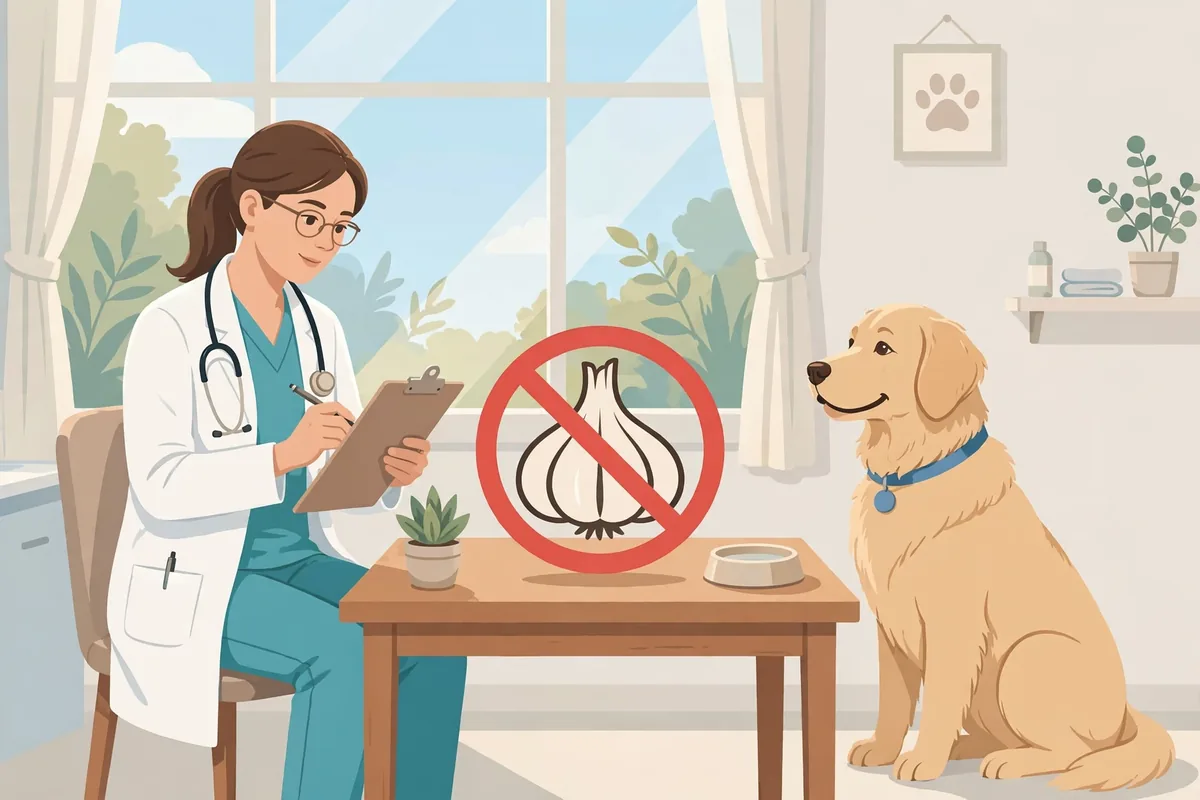
It is worth asking why a remedy with zero supporting studies and documented toxicity keeps selling. Part of the answer is distrust: some owners are wary of “chemicals” and prefer anything that sounds natural, without realizing that toxicity is a property of dose and chemistry, not of origin. Part of it is the supplement industry’s marketing, which is very good at selling the feeling of doing something proactive. And part of it is simple inertia: garlic for fleas is advice that has been passed down through generations of dog owners, and inherited advice carries emotional weight that data struggles to dislodge.
But the veterinary profession’s position has never been clearer, and it has only hardened as the toxicology data accumulated. Every major veterinary authority that has addressed the question advises against feeding garlic to dogs. The evidence summary found no studies supporting the flea claim. The toxicology found real harm. When the entire professional consensus points one way and the testimonials point the other, the consensus is the safer bet, because it is built on controlled observation rather than coincidence.
When to See a Doctor for Flea Bites
Flea bites on humans typically appear as small, intensely itchy red bumps clustered around the ankles, waistline, and other areas where clothing fits snugly. For most people they are a temporary misery rather than a medical problem, but know the warning signs.
Seek emergency care if you develop signs of severe allergy after bites: difficulty breathing, swelling of the face, lips, tongue, or throat, dizziness, or fainting. Severe reactions to flea bites are uncommon, but any suspected anaphylaxis is an emergency. Our anaphylaxis warning signs guide covers what to watch for.
See a doctor if bites show infection signs: spreading redness, increasing warmth and swelling after the first two days, pus, red streaks extending from the bite, swollen lymph nodes, or fever. Scratching flea bites open is the usual route to infection, so keep nails short and resist the urge to dig at them. Our bite infection warning signs page has the full checklist.
Call your veterinarian or an animal poison control line if your dog or cat has eaten garlic in any form, chews, powder, cooked, or raw. Do not wait for symptoms, since anemia can develop over days. Bring the product packaging if you have it. For cats, be especially vigilant: they are more sensitive to Allium toxicity than dogs, and even small exposures warrant a call.
Frequently Asked Questions
Does garlic keep fleas off dogs?
No. A 2020 systematic knowledge summary in Veterinary Evidence found zero in-vivo studies testing garlic against fleas on dogs, and no peer-reviewed study of garlic given to dogs for insect control exists at all. The claim rests entirely on anecdotes and marketing. Meanwhile, garlic is a documented toxin for dogs and cats, causing hemolytic anemia. There is no evidence of benefit and clear evidence of risk.
How much garlic is toxic to dogs?
Veterinary toxicologists do not endorse any safe dose of garlic for dogs as a flea remedy, and you should not rely on internet dose charts. Sensitivity varies by individual dog, and supplement contents are not standardized or reliably labeled. Because there is no demonstrated benefit to offset any amount of risk, the veterinary recommendation is to avoid feeding garlic to dogs entirely. If your dog has eaten garlic, contact your veterinarian rather than trying to judge whether the amount was “small enough.”
Are garlic flea chews from the pet store safe?
No more than any other garlic product. Pet-store chews, tablets, and powders face far less regulatory scrutiny than registered flea preventives, and “natural” or “organic” on the label does not change garlic’s toxicology. The active concern is the same: organosulfur compounds that damage red blood cells. If you have been giving these products, stop and mention it at your next vet visit, particularly if your dog shows lethargy, pale gums, or dark urine.
Can I put garlic on my dog’s skin instead of feeding it?
That does not solve either problem. There is still no evidence that topical garlic repels fleas on dogs, and skin application carries its own risks, including irritation and ingestion through licking. The Veterinary Evidence summary searched for topical garlic flea studies too and found none. Do not apply garlic preparations to your dog’s coat, collar, or bedding as a flea strategy.
What should I use instead of garlic for fleas?
Use a proven flea preventive recommended by your veterinarian: an oral chew, a topical spot-on, or a long-acting collar, matched to your dog’s age, weight, and health. Combine it with environmental control: vacuum frequently, wash bedding in hot water weekly, and flea-comb regularly. This combination addresses both the fleas on the dog and the far larger population living in the home, which no dietary supplement can reach.
Medically reviewed by Dr. Sarah Jones, MD.
This article is for informational purposes only and isn’t medical advice. If you’re worried about a bite or sting, talk to a healthcare professional.