
You walk through tall grass, and hours later your ankles look speckled with dozens of tiny dark dots that will not brush off. That is a seed tick cluster treatment situation: “seed ticks” are larval ticks — the first life stage of hard ticks — and they attach in droves. Dozens or even hundreds can swarm exposed skin at once, each about the size of a speck of dirt. Here is the protocol for getting them off and handling what comes next.
What you walked into: understanding seed tick clusters #
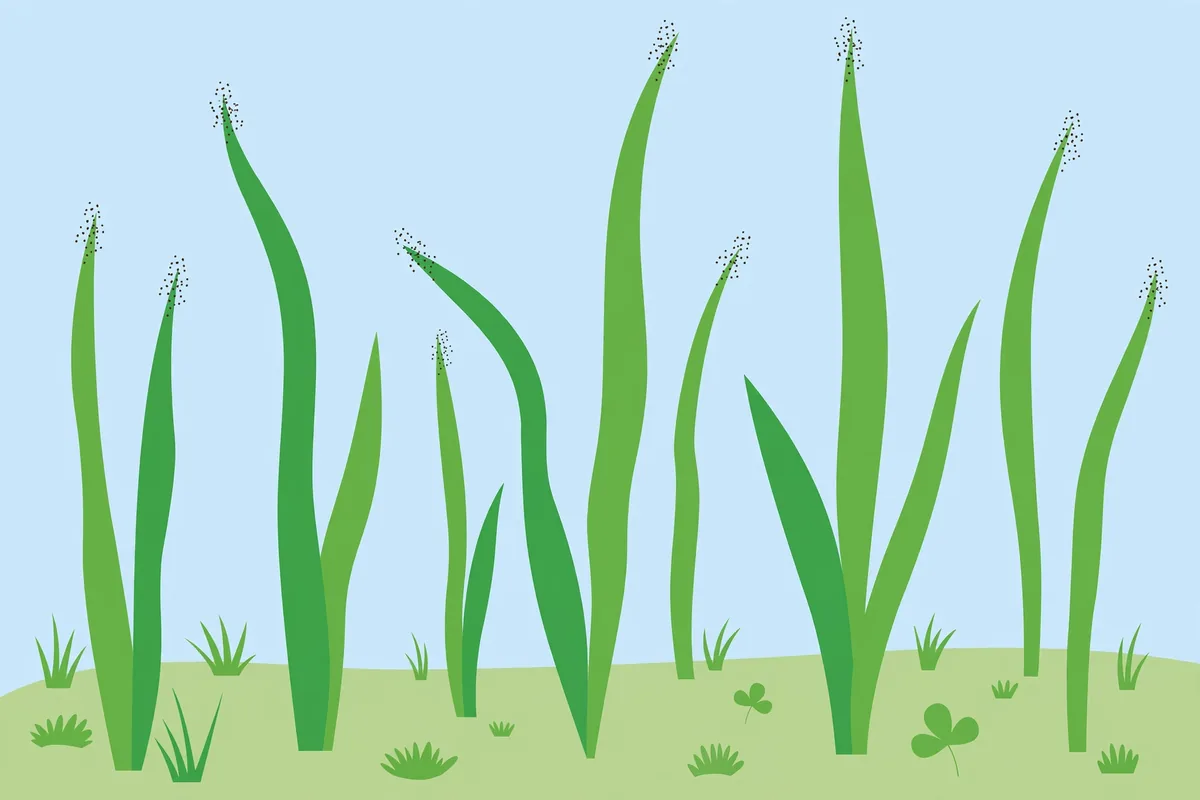
Seed ticks are not a species — they are a stage. First-stage tick larvae hatch from egg clusters laid by a female tick, then immediately start questing: they climb grass blades and low plants, front legs extended, waiting to latch onto anything warm that brushes past. Lone star tick larvae are the most notorious cluster biters in the US; a single clutch can number in the hundreds or thousands, and larvae of blacklegged (deer) ticks will also attach to humans.
What they look like: under a millimeter long — roughly poppy-seed size, sometimes described around 0.6 mm — often dark or reddish specks. At this size you will rarely count their six legs (adults have eight) with the naked eye. They look like dirt or pepper flakes until you notice they are attached and will not wipe away.
When and where it happens: larvae typically hatch in mid-to-late summer, and encounters happen in tall grass, brush, leaf litter, and weedy field edges. These attacks are frequently misdiagnosed as chigger bites.
What the bites do: larvae bite in clusters, producing diffuse red bumps that become intensely itchy — often within hours to a day. Medical literature describes eruptions of pruritic papules and sometimes pustules or vesicles, especially on ankles, legs, waistbands, and other areas where clothing met skin. The sheer number is what makes these episodes miserable: one or two larvae are easy to miss, but a hundred itchy bites at once are not.
A word on disease risk. Larvae can carry pathogens including tularemia, babesiosis, ehrlichiosis, and Lyme disease — though risk from a brief larval feeding is generally lower than from nymph or adult ticks. Remove every attached tick properly and monitor afterward.
First response: get unattached larvae off fast #
Before you reach for tweezers: many larvae are still crawling, not yet attached, and this step removes most of them at once.
- Do not go inside and sit on furniture yet. Larvae can transfer from clothing to upholstery and pets. Change clothes near the door.
- Strip and contain. Put worn clothes in a bag. Ticks are killed by heat: tumble-dry clothes on high for at least 10 minutes before or after washing — hot water washing alone is less reliable.
- Shower within a couple of hours. A thorough shower with soap and a washcloth is the single most effective way to wash off unattached larvae. Scrub ankles, waistband areas, behind knees, groin, armpits, and scalp — the creases where tiny ticks hide. Use the washcloth with gentle pressure; you are dislodging crawlers, not scrubbing off attached ones by force.
- Check pets. Run your hands against the fur — especially legs, belly, and ears — and use a lint roller for loose larvae.
- Full-body tick check. Use a mirror or a partner for scalp, ears, behind knees, waistband, and anywhere clothing was tight. A magnifying glass or phone macro lens genuinely helps at this size.
Removing attached larvae safely #
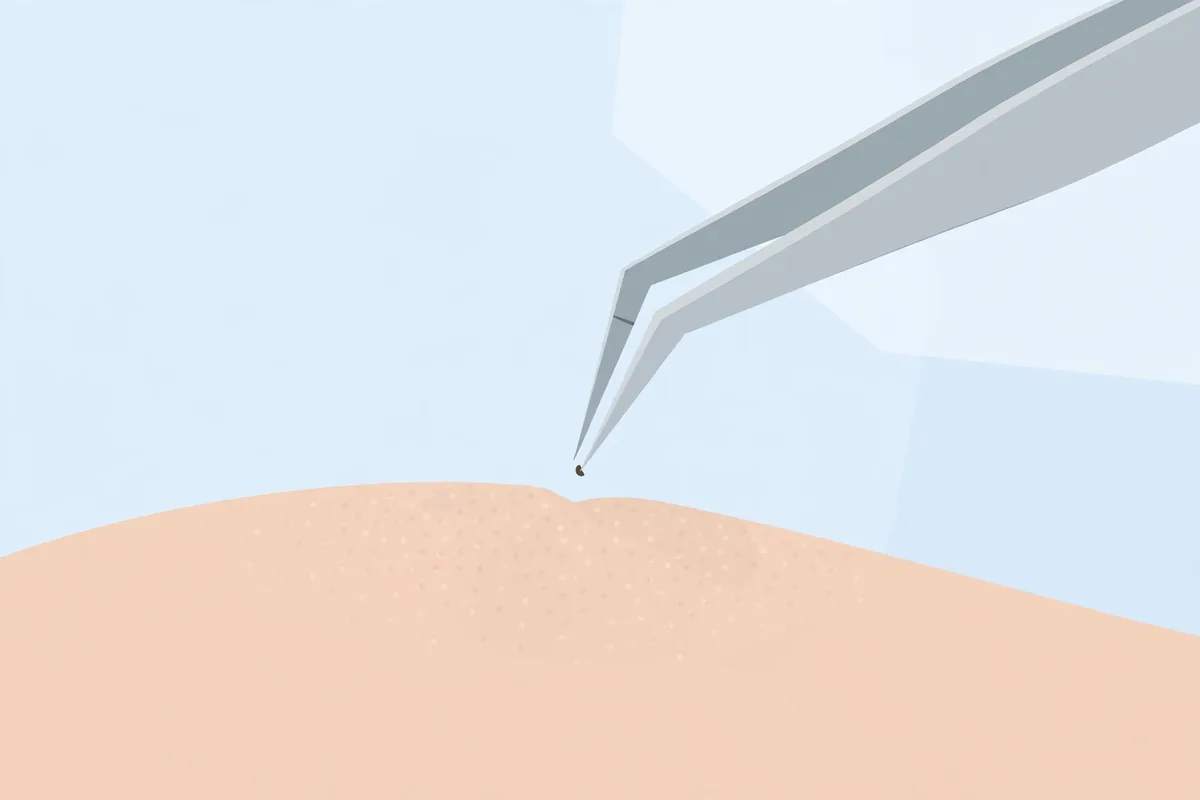
Anything still attached after the shower has to come off one by one. It is tedious, but proper technique matters at any size.
- Use fine-tipped tweezers. Grasp each larva as close to the skin’s surface as possible — right where it meets the skin, not the body of the tick. Squeezing the body can push fluids into the bite.
- Pull straight up with steady, even pressure. Do not twist, jerk, crush, or burn the tick. Do not apply petroleum jelly, nail polish, alcohol, or heat first — these folk methods can irritate the tick into salivating more and may make removal harder.
- Work systematically. Go region by region (ankle, calf, knee, thigh) so you do not lose track. Good lighting and a magnifying glass make this much faster.
- If a mouthpart breaks off and you cannot remove it easily with clean tweezers, leave it alone — digging increases infection risk.
- Clean everything. Wash the bite areas and your hands with soap and water, then disinfect the skin and your hands with rubbing alcohol.
- Dispose properly. Drop removed ticks into a sealed container of rubbing alcohol, or learn how to kill a tick after removal safely without bare fingers. Save one or two for possible species identification later.
This can take 30-60 minutes for dozens of larvae — enlist help for hard-to-reach areas. Left alone, larvae can keep feeding for several days.
Aftercare and itch management #
Cluster bites itch — sometimes ferociously — and scratching is the main source of complications (broken skin invites bacterial infection).
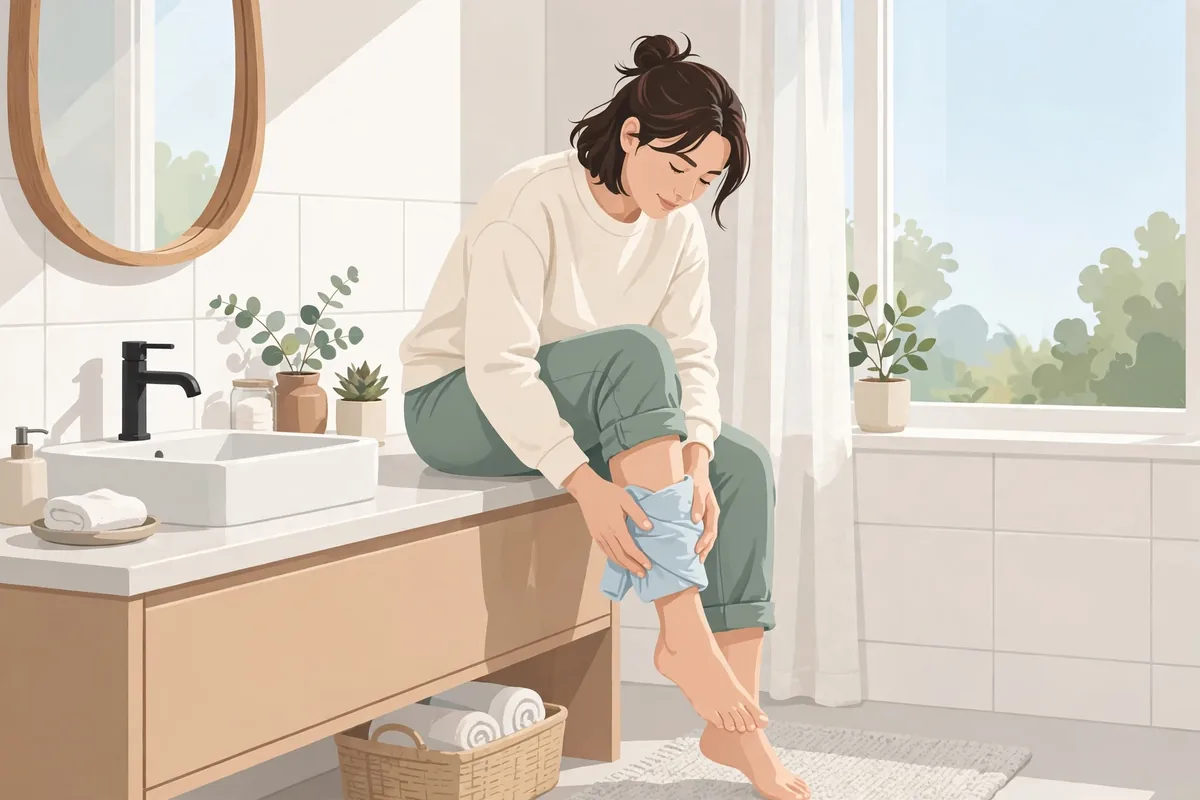
- Cold compresses for 10-15 minutes at a time reduce itching and swelling. Repeat as needed.
- An oral antihistamine per label directions can ease widespread itching; non-prescription hydrocortisone cream can calm individual bites. Ask your pharmacist if unsure — especially for children.
- Do not scratch. Keep nails short, cover heavily bitten areas with loose clean clothing, and consider trimming or covering bites with a bandage if you scratch in your sleep.
- Keep the area clean. Wash daily with mild soap and water. A thin layer of plain petroleum jelly or a basic moisturizer can protect raw, over-scratched skin — but do not apply this to ticks, only to bites after removal.
- Watch for infection, not just itch. Normal bites stay small red bumps for days. If a bite becomes hot, increasingly painful, swollen beyond a few millimeters, develops pus, or you run a fever, that needs medical evaluation. General bite and sting first-aid steps cover wound care between now and then.
Watch period: what to monitor over the next weeks #
Write down the date of the encounter. Then monitor yourself and anyone else exposed for the following, from days to about a month out:
- Rash. Watch for an expanding red rash — including the bull’s-eye pattern associated with Lyme disease — anywhere on the body, not just at bite sites. Rashes from the bites themselves appear within hours to a couple of days; an infection-related rash typically arrives on a delay of days to weeks.
- Flu-like illness. Fever, chills, headache, fatigue, muscle or joint aches in the weeks after heavy tick exposure warrant a call to your healthcare provider. Tell them it was a seed tick (larval) cluster exposure, when it happened, and roughly how many bites.
- Swollen lymph nodes, unusual fatigue, or any new symptom you cannot explain — mention the tick encounter when you describe it.
- Note that different tick-borne illnesses have different symptom windows — monitor for about a month, and bring the date and exposure history to any appointment.
Warning signs: when to seek care #
Call 911 immediately if: you develop trouble breathing or swallowing; swelling of the face, lips, tongue, or throat; widespread hives; dizziness or fainting; or a racing heartbeat after insect bites. These are signs of a possible severe allergic reaction (anaphylaxis), which can progress within minutes. If you carry an epinephrine auto-injector, use it per your prescription instructions while waiting for emergency help.
Seek medical care promptly — even without emergency symptoms — if: you develop a fever, an expanding or bull’s-eye rash, or flu-like symptoms in the weeks after a seed tick encounter; bite sites become hot, very painful, swollen, or start draining pus; red streaks spread from bite areas; or you were heavily bitten and cannot remove all the larvae yourself. A clinician can help with removal, identify the tick species, and decide whether treatment or testing is indicated based on your exposure and symptoms.
Frequently asked questions #
Can I just scrape seed ticks off with a credit card? #
Scraping works for some unattached crawlers, but it is unreliable for attached larvae and can shear mouthparts off under the skin. The shower-first method removes crawlers far more reliably, and tweezers remain the safest tool for anything attached. If a few larvae are clearly crawling and loose, a lint roller or tape strip is a reasonable backup.
Can seed ticks spread Lyme disease? #
Larval ticks can carry several pathogens, including the bacteria that cause Lyme disease, tularemia, babesiosis, and ehrlichiosis. However, disease transmission risk from brief larval attachment is generally considered lower than from nymph or adult ticks — partly because unfed larvae have had fewer chances to acquire pathogens. The standard advice still applies: remove them promptly, clean the skin, and monitor for symptoms over the following weeks.
Why are the bites so much itchier than a single tick bite? #
Numbers. One tick bite may barely register; dozens of bites concentrated on the ankles or waistband trigger a much larger local immune response. The papules from larval attacks are also notoriously itchy by nature — dermatology case reports describe diffuse, intensely pruritic eruptions — and scratching amplifies everything.
Medical and editorial note #
This page is general information about seed (larval) tick encounters, bite management, and monitoring — not medical advice. Tick-borne disease risk varies by region and tick species, and only a healthcare professional can evaluate symptoms or prescribe treatment. If you develop a rash, fever, or flu-like illness after a tick encounter, contact your clinician and tell them exactly when and where the exposure happened.


