Somewhere between the packing tips and the hotel horror stories, one piece of advice keeps resurfacing on travel forums and social media: tuck dryer sheets into your suitcase, slip a few under the mattress pad, and their scent will keep bed bugs away. It is cheap, it smells nice, and it asks almost nothing of you — which is exactly why the idea travels faster than the evidence behind it.
So do dryer sheets repel bed bugs? No. There is no scientific evidence that they do, the maker of Bounce has stated its sheets are not meant for fighting bed bugs, and Rutgers University’s extension resources state plainly that dryer sheets are not effective against them. The myth is worse than useless — it hands travelers a false sense of security that delays real action while an infestation grows.
This article traces where the myth came from, lays out what the evidence actually says, explains why a scented laundry sheet cannot do the job, and shows what does protect you — in hotel rooms, on the trip home, and around your own bed.
Where the Dryer Sheet Myth Comes From
Bed bug myths have a long shelf life, and this one has several things working in its favor. First, a grain of truth: a 2010 laboratory study found that Bounce dryer sheets repelled fungus gnats — researchers identified linalool, a fragrant compound in the sheets, as part of the effect. It gets stretched into claiming a laundry sheet can repel a blood-feeding insect that hunts by body heat and carbon dioxide.
Second, it fits how travel tips spread. One lucky traveler’s forum post — “I always pack dryer sheets and I’ve never had bed bugs” — becomes a recommendation, then a rule. That is survivorship bias, not evidence: most hotel rooms never had bed bugs in the first place, sheets or no sheets.
Third, the brand halo helps. Bounce means freshness, and freshness feels like the opposite of infestation. But bed bugs are not deterred by laundry scent at all. University research covered by Popular Science found bed bugs were actually attracted to the scent of dirty laundry — laundry odor is not a warning signal to them in either direction.
What the Evidence Actually Says
Start with the manufacturer, which has no reason to downplay its own product — and still won’t claim this one. Procter & Gamble has issued a statement that Bounce dryer sheets are not meant for fighting bed bugs. When the company that makes the product says it is not a bed bug tool, that is a strong signal.
Then the academic side. Rutgers University’s academic and extension resources state that dryer sheets are not effective against bed bugs: the linalool concentration in a single sheet is far too low to repel anything, and what little fragrance is present dissipates quickly. A scent that fades within hours cannot protect a suitcase for a week-long trip.
The regulatory picture agrees. Dryer sheets are not EPA-registered for bed bug control — they are laundry products, not pesticides, and no one has submitted the data that registration would require.
As for linalool itself against bed bugs, direct evidence is limited — but the mechanism fails before the question gets interesting. Repellency depends on concentration and sustained release, and a laundry sheet provides neither. The garden-pest findings behind this myth involved higher concentrations against different insects with different behavior — nothing that translates to a bed bug deciding whether to feed.
Why a Scent Sheet Can’t Repel Bed Bugs
To see why a dryer sheet fails, look at how bed bugs actually find you. They are nocturnal blood-feeders that spend the day tucked into impossibly thin hiding places — mattress seams, bed-frame joints, the gap behind a headboard. At night they emerge and follow the cues of a sleeping host: warmth and exhaled carbon dioxide, then skin odors at close range. There is no biological reason a bed bug would read clean-laundry scent as danger — and the dirty-laundry research suggests laundry odors can draw their interest rather than repel it.
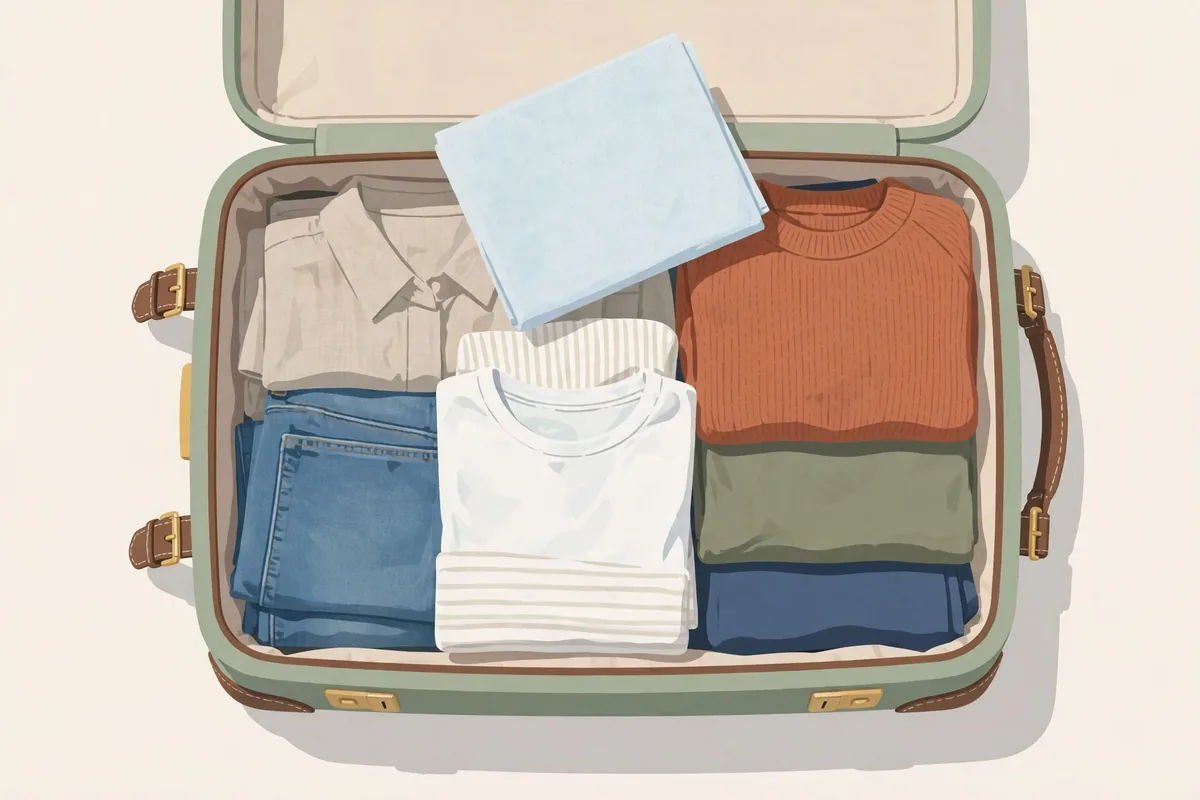
Placement is the second problem. People tuck dryer sheets into suitcases or drawers, far from the mattress seams and bed-frame joints where bed bugs actually live and feed. Bed bugs routinely travel several feet each night to reach a host; a scented barrier in your luggage is simply not on their route.
The third problem is dose. Repellents work by maintaining a concentration high enough to overwhelm an insect’s senses over time. A dryer sheet carries only a trace of fragrance, most of it gone within hours. It cannot maintain any concentration at all, let alone a repellent one.
Finally, bed bugs are persistent feeders that don’t abandon a nearby host over a mild background odor. Hunger, warmth, and carbon dioxide win every time.
The Real Danger: False Security
The sheets themselves do no harm. The belief does. Travelers who think dryer sheets protect them skip the steps that actually matter: they don’t inspect the mattress, they leave luggage on the bed or floor, and they unpack at home without a second thought. Each skipped step is an open door, and bed bugs need very little — a single mated female carried home in a suitcase seam can start a new infestation.
Weeks can pass between the first bites and anyone taking the problem seriously, because the sheets supply a ready excuse: “It can’t be bed bugs — I used dryer sheets.” During those weeks the bugs feed undisturbed and spread, and the eventual treatment becomes bigger and harder to complete.
There is a health dimension, too. Bites aren’t known to transmit disease, but intense itching, broken skin from scratching, and lost sleep take a real toll.
This is also where bad advice compounds. People who discover the sheets failed sometimes reach for the next easy fix — a total-release fogger, or “bug bomb.” Don’t. Foggers scatter bed bugs deeper into walls and furniture, spread pesticide residue across your living space, and rarely kill the hidden bugs that matter. For an established infestation, call a licensed pest management professional. The sooner that happens, the better — which is exactly why false confidence is so costly.
Bed Bug Bites: What They Look Like and Why Reactions Vary
Knowing what bed bug bites look like helps you act early instead of explaining the marks away. The classic presentation is small red welts or bumps, often appearing in lines or tight clusters where a bug fed several times while moving along the skin — a pattern many people describe as breakfast, lunch, and dinner. Reactions vary enormously, which is one reason infestations go unnoticed. Some people develop large, intensely itchy welts within hours; others show no visible reaction at all. The difference comes down to individual immune response and prior exposure — not how many bugs are present.
Most bites resolve on their own, many fading within a week or two. Keep the area clean, resist scratching, and a cool compress can soothe the itch. Watch for infection signs — increasing redness, warmth, swelling, or pus — and seek care promptly if those appear.
One caution: bites alone can’t confirm bed bugs. Mosquitoes, fleas, and other pests leave similar marks, so treat bite patterns as a reason to inspect your sleeping area, not as a diagnosis. The inspection — mattress seams, box spring, bed frame — is what tells you the truth. That combination, a suspicious bite pattern plus a careful inspection, is what justifies calling a professional.
What Actually Works When You Travel and at Home
Real bed bug prevention is less convenient than a dryer sheet, but it works — and most of it is disciplined routine.
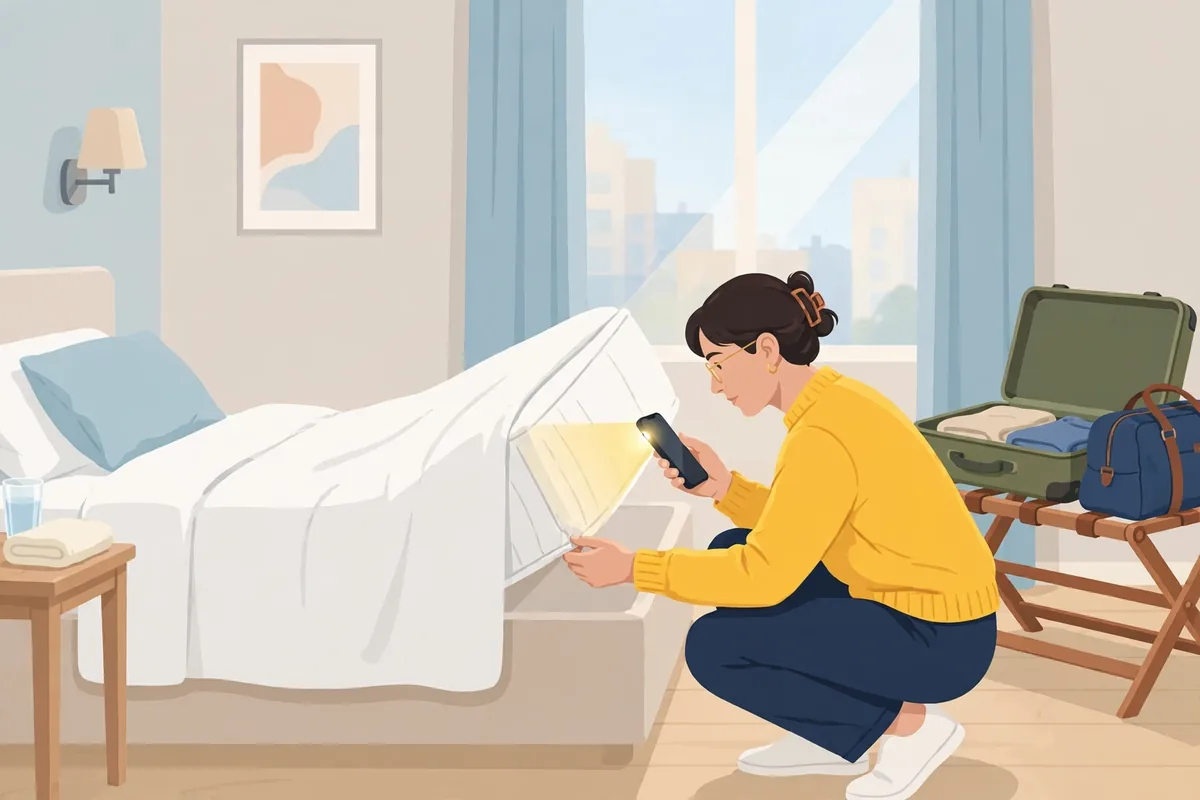
In the hotel room. Before you unpack, inspect. Pull back the sheets and look along the mattress seams and piping, check the box spring edges and headboard joints, and glance over the luggage rack — the daytime hiding places bed bugs prefer. Look for the bugs themselves (apple-seed-sized, reddish-brown), shed skins, or dark ink-like spots. Keep your suitcase on the luggage rack or in the bathroom — never on the bed or the floor.
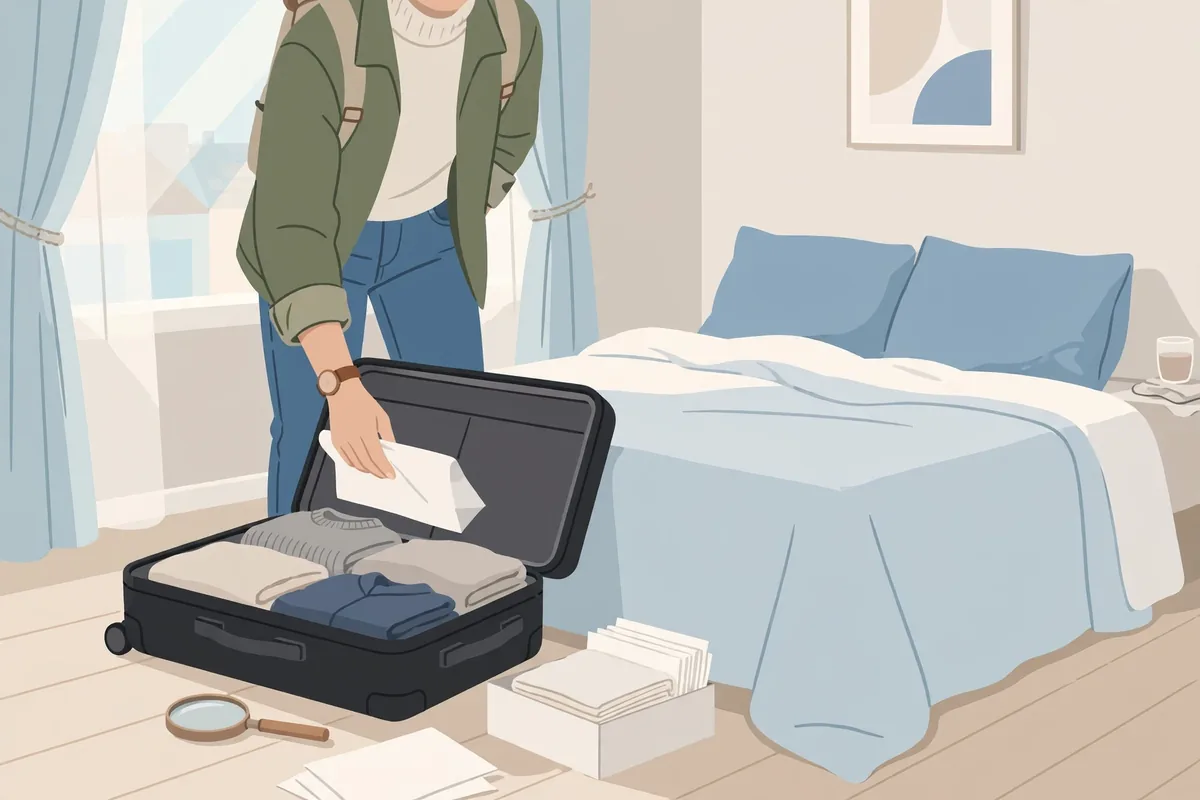
Coming home. This is where most hitchhikers get in. Inspect your luggage before bringing it into the bedroom, and run everything that can take it through a hot dryer cycle — high heat kills bed bugs and their eggs, which is why the dryer is the one laundry appliance that genuinely matters here.
Around your own bed. Reduce clutter near the bed, and consider a zippered mattress encasement, which seals off the seams bed bugs love and makes future inspections easier. If you already have an infestation. Don’t rely on home remedies or scented sheets, and never set off a total-release fogger — it drives bugs deeper and coats your home in pesticide without solving the problem. Call a licensed pest management professional and have every room they flag treated.
When to See a Doctor for a Bug Bite
Get medical attention promptly if you notice any of the following:
- Signs of a severe allergic reaction — trouble breathing, wheezing, swelling of the face, lips, tongue, or throat, dizziness, or a spreading rash with hives. Call 911 immediately — these can signal anaphylaxis. Learn the anaphylaxis warning signs.
- Signs of skin infection — redness that spreads outward, increasing warmth or swelling, pus, red streaks leading away from the bite, or fever. See our guide to bite and sting warning signs.
- Bites that worsen after 48 hours or show no improvement after a week of basic care.
- Large clusters of bites with severe itching that disrupts sleep night after night.
- Bites near the eyes, or bites on a baby or young child that look infected or swell significantly — get them evaluated.
Frequently Asked Questions
Do dryer sheets repel bed bugs?
No. There is no scientific evidence that dryer sheets repel bed bugs. Procter & Gamble has stated that Bounce dryer sheets are not meant for fighting bed bugs, and Rutgers University’s extension resources agree — the fragrance concentration is far too low and fades quickly.
Will dryer sheets in my suitcase keep bed bugs from coming home with me?
No. A scented sheet does nothing to bugs hiding in a hotel mattress, and it can’t stop hitchhikers already tucked into your bag’s seams. Instead: inspect the hotel bed on arrival, keep luggage off the bed and floor, and on return, inspect your bag before bringing it inside and hot-dry your clothes.
But doesn’t linalool repel insects?
A 2010 laboratory study found Bounce sheets repelled fungus gnats, with linalool among the active volatiles identified — which is likely where this myth started. But a dryer sheet carries only a trace of fragrance, and there is no evidence it repels bed bugs — insects that hunt sleeping people by following body heat and carbon dioxide. Direct evidence against bed bugs is limited, and nothing about a laundry sheet’s dose suggests it would work.
Do bed bugs dislike the smell of laundry?
The evidence points the other way: university research covered by Popular Science found bed bugs were actually attracted to the scent of dirty laundry.
I think I already have bed bugs. What should I do?
Don’t wait on home remedies. Inspect mattress seams and bed frames for bugs, shed skins, or dark spots; wash and hot-dry bedding; reduce clutter; and call a licensed pest professional — early treatment keeps small infestations from spreading. Never use total-release foggers: they scatter bugs deeper and leave pesticide residue without solving the problem.
Medically reviewed by Dr. Sarah Jones, MD.
This article is for informational purposes only and isn’t medical advice. If you’re worried about a bite or sting, talk to a healthcare professional.