
When the water finally starts to recede, the bugs arrive. Bug bites after a flood or hurricane surge because storms create perfect conditions for biting insects — standing water, displaced colonies, and hours of outdoor cleanup that put you right in their path. This guide walks you through why bites spike, how to prevent them, how to treat them safely, and when to get medical help.
Why floods and hurricanes multiply biting insects #
Floodwater creates a mosquito nursery. Female mosquitoes lay eggs in standing water, and in warm weather those eggs can hatch in as little as 48 hours. Adult mosquitoes can emerge in roughly 7 to 14 days, so populations can rise sharply within days to weeks after flooding.
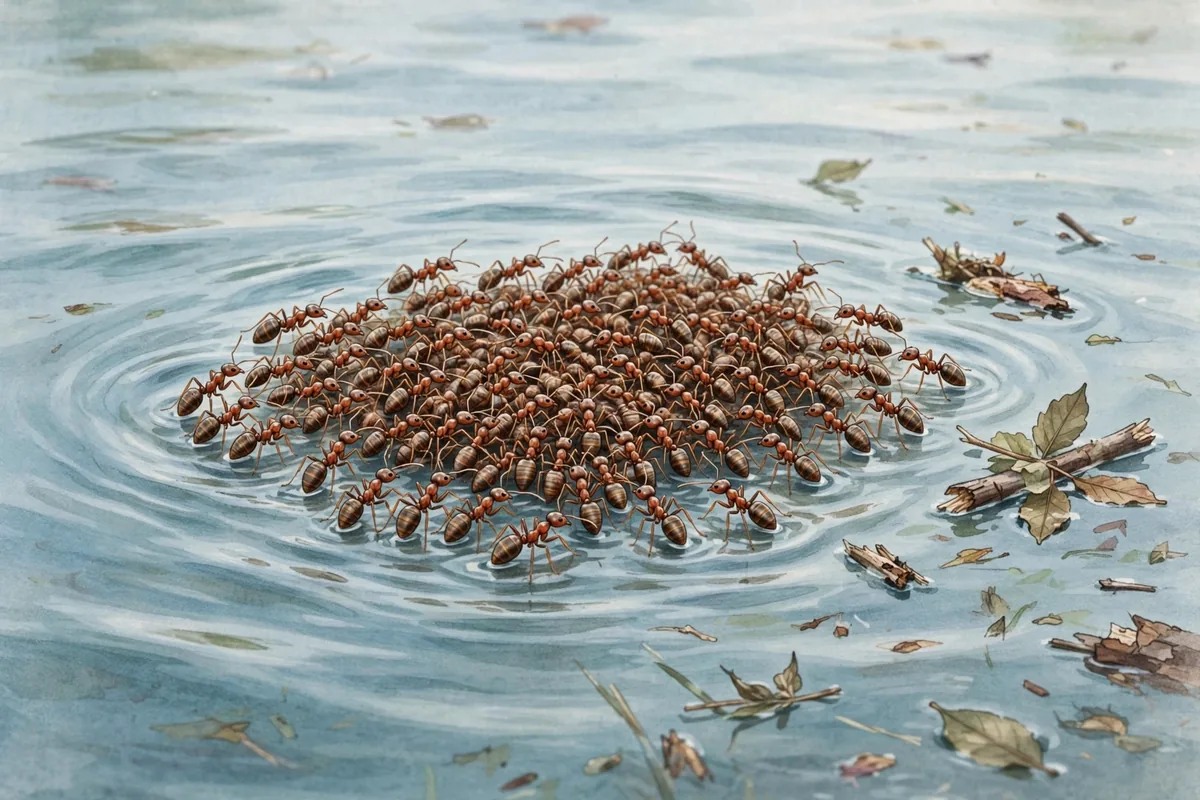
Fire ants bring their own post-flood hazard. When colonies flood, red imported fire ants link their bodies together to form floating rafts that drift on floodwater until they reach shore or dry debris. These living rafts can hold thousands of ants and will climb onto anything they touch — including people wading through water. Fire ants sting (often multiple times), so a brush with a raft can mean a painful cluster of stings at once.
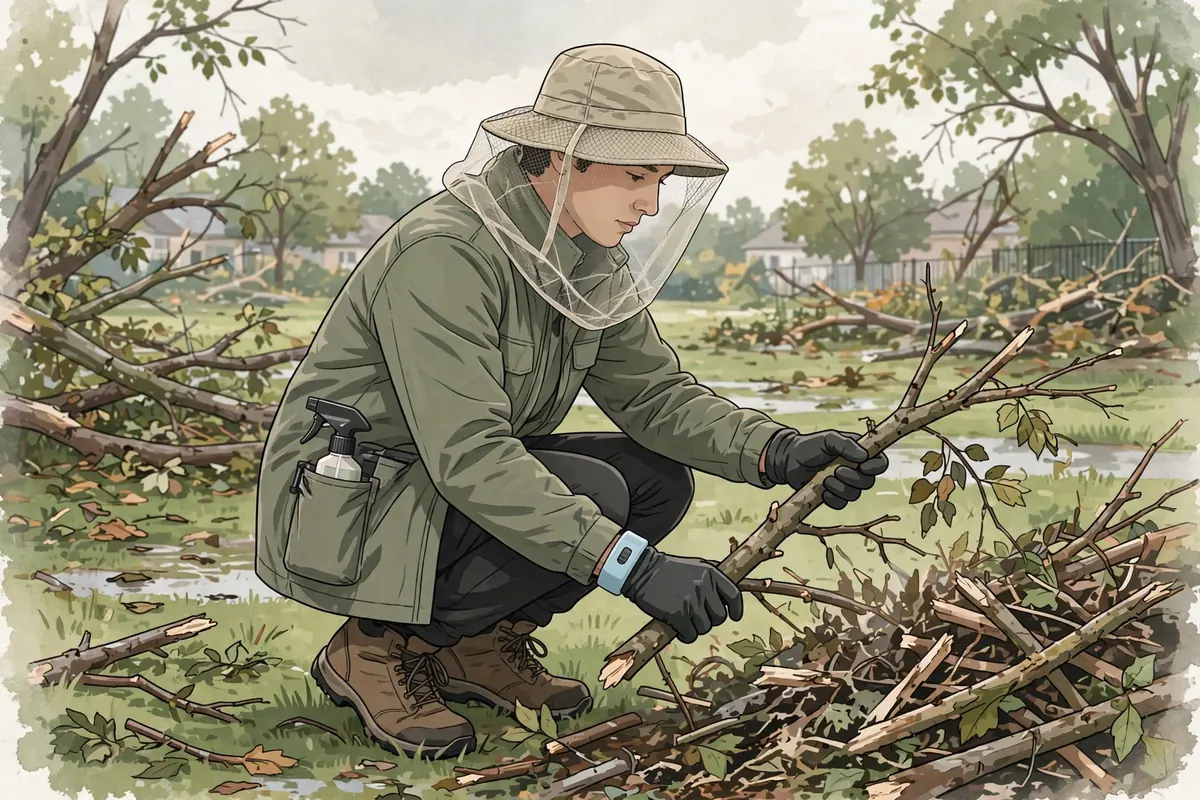
Ticks are a quieter threat in the debris. Storm cleanup moves you through brush piles, downed branches, and tall vegetation where ticks wait for a passing host. Because you are outdoors for long stretches — often in warm, humid conditions — your exposure window is much longer than a normal day in the yard.
Flood cleanup means hours outside, often at dawn and dusk when mosquitoes are most active, wearing work clothes that may leave skin exposed. Sweat and exertion make you easier for mosquitoes to find. Understanding this exposure pattern is the first step to protecting yourself — prevention is far easier than treating dozens of itchy bites.
Prevent bites during flood cleanup #

Your best defense is to keep insects from reaching your skin in the first place. Build these habits into your cleanup routine:
- Drain standing water where you safely can. Empty buckets, tip over containers, clear clogged gutters, and fill low spots that pool. The less standing water near your work area, the fewer new mosquitoes breed.
- Cover up head to toe. Wear long sleeves, long pants, socks, and closed-toe boots during cleanup. Tuck pants into boots when working in brush or debris. Gloves protect your hands while also guarding against sharp debris.
- Use an EPA-registered insect repellent, and follow the label. Apply it to exposed skin before heading out, and reapply as the label directs. For a full prevention plan you can use season after season, see our outdoor bite prevention checklist.
- Time your work smart. Mosquitoes are most active at dawn and dusk. If you can shift heavy outdoor cleanup to midday hours, do it. Take breaks indoors or in screened areas when possible.
- Treat clothing if you work outdoors for days. Permethrin-treated clothing is a proven option for people doing extended cleanup work — but never apply permethrin directly to skin, and always follow product instructions.
- Check your body and gear. Ticks hide in cuffs, waistbands, and hairlines. After each cleanup session, check yourself thoroughly, change out of work clothes, and wash them in hot water. Our seed tick bites removal guide covers what to do if you find tiny ticks after yard work.
First aid for bites after floodwater exposure #
Floodwater is contaminated, so bites and stings during cleanup deserve a little extra care. Follow these steps for each bite or sting:
- Wash every bite or sting with clean water and soap. This is the most important step after a flood. Floodwater carries bacteria and chemicals, and any break in the skin is a possible entry point for infection. Use clean (not flood) water for washing.
- Apply a cool compress. A damp cloth or ice wrapped in a towel for about 15 minutes at a time can calm pain, itching, and swelling. Repeat as needed through the day.
- Do not scratch or squeeze. Scratching breaks the skin further and pushes bacteria deeper, raising infection risk — especially when your hands have been in flood debris.
- Keep the area clean and covered if the skin is broken. A small bandage helps keep dirt out while you finish cleanup. Change it if it gets wet or dirty.
- Watch the bite over the next 24 to 72 hours. A little redness and itch at first is normal. What you are watching for is redness that spreads, warmth that grows, swelling that increases, or pain that gets worse — all covered below. Our bite and sting first aid checklist walks through the full routine step by step.
If cleanup work breaks your skin — a cut, puncture, or deep scratch — ask your doctor whether your tetanus vaccination is current. Do not try to judge this yourself; a quick call to your clinic settles it.
The biggest bite risks after a flood #
Not all post-flood bites carry the same weight. Here is what deserves your closest attention:
- Mosquitoes and mosquito-borne illness. After major flooding, mosquito populations surge, and with them comes a higher chance of mosquito-borne illness such as West Nile virus. If you develop a fever, headache, or body aches in the days after heavy bite exposure, contact your doctor.
- Fire ant rafts. If you see floating mats of reddish-brown insects in floodwater, steer clear — that is likely a fire ant raft. Never try to push one aside with your hands or a bare pole. If ants get on you, brush them off quickly (they sting multiple times once disturbed). Treat stings with cool compresses, keep them clean, and leave the blisters alone — they form as part of the normal sting response.
- Ticks in storm debris. Ticks can be active in downed branches, leaf litter, and tall grass that storms scatter across yards. Remove any attached tick promptly with fine-tipped tweezers, pulling straight out — and save it in a sealed bag with the date in case your doctor wants to identify it later. Follow up with the tick bite aftercare routine for the next few weeks, and read our article on tick bite warning signs so you know exactly what to watch for.
- Large local reactions. Some people swell dramatically from mosquito bites — a condition sometimes called skeeter syndrome. The swelling can look alarming but is usually a localized allergic response. Our article on skeeter syndrome warning signs explains how to tell a big local reaction apart from something more serious.
Warning signs: when to seek care #
Call 911 immediately if you develop trouble breathing or swallowing, swelling of the face, lips, tongue, or throat, widespread hives, dizziness or fainting, or a racing heartbeat after a bite or sting. These can signal a severe allergic reaction (anaphylaxis). If you carry an epinephrine auto-injector, use it as prescribed and call 911 even if you feel better afterward.
After a flood, also get urgent medical care — same day — for these situations:
- Fever after floodwater exposure. A fever developing in the days after bites and floodwater contact can signal infection or mosquito-borne illness. Do not wait it out; call your doctor.
- Spreading redness or red streaks. Redness that expands beyond the bite, especially with red lines moving outward, can indicate a spreading skin infection (cellulitis) that needs treatment.
- Increasing pain, warmth, or swelling. A bite that gets worse instead of better after 24 to 48 hours — more painful, hotter, more swollen — should be evaluated.
- Pus or drainage. Yellow or green drainage from a bite is a sign of infection. Keep it covered and get seen promptly.
- Many stings at once. Dozens of fire ant stings, or any bite cluster that makes you feel unwell (nausea, headache, fatigue), warrants a call to your doctor or urgent care.
A quick visit beats a serious infection every time.
Frequently asked questions #
How soon after a flood do mosquitoes become a problem? #
Usually within days to weeks. Mosquito eggs can hatch in standing water in as little as 48 hours, and adults may emerge in roughly 7 to 14 days in warm weather. Expect bites within the first week, with populations peaking in the weeks that follow if water is still standing.
What should I do if I see floating fire ant rafts? #
Stay away from them. Do not touch them, poke them, or try to move them with your hands. If you are wading in floodwater, watch ahead of you and steer around any floating mats of reddish-brown insects. If ants get on your skin, brush them off firmly and quickly — they can sting repeatedly once disturbed.
Are bites worse if floodwater touched the broken skin? #
The bite itself is the same, but the infection risk is higher. Floodwater is contaminated with bacteria, sewage, and chemicals, so any break in skin that contacted floodwater deserves careful washing with clean water and soap, and close watching for signs of infection in the following days. Call your doctor if redness spreads, pain increases, or a fever develops.
Do I need a tetanus shot after cleanup work breaks my skin? #
You may. Tetanus lives in soil and debris, and flood conditions increase exposure. Whether you need a booster depends on when your last shot was and how deep or dirty the wound is. Call your doctor or clinic — they can tell you quickly based on your vaccination history.
Medical and editorial note #
This guide is for general information only and is not medical advice. Flood and hurricane recovery is stressful, and bite symptoms can be hard to judge when you are exhausted. If you are worried about a bite, sting, fever, or wound after a flood, see a healthcare professional — early care prevents most complications.


