
Deer Keds Biting Hunters: What to Do
You're kneeling beside a harvested deer when you notice small dark insects racing across the hide. They look like ticks — flat, fast, and…
There's a moment on every summer Boundary Waters trip when the wilderness stops feeling serene. You're mid-portage, canoe on your shoulders, and a cloud of buzzing flies has decided your…

There’s a moment on every summer Boundary Waters trip when the wilderness stops feeling serene. You’re mid-portage, canoe on your shoulders, and a cloud of buzzing flies has decided your head is the most interesting thing in Minnesota. You swat, they dodge; you swat again, and three more take their place. Welcome to deer fly season.
The straight answer: deer flies boundary waters canoe trips are practically inseparable in July, when these biting flies peak and paddlers are most exposed — sweaty, on open water and portages, far from any screen door. Repellents help less against deer flies than against mosquitoes, which surprises people, but physical barriers work remarkably well. This guide covers what deer flies are, when they peak, why your DEET underperforms, and the head-net-and-clothing strategy that actually saves a trip.
The Boundary Waters Canoe Area Wilderness is over a million acres of lakes, bogs, and forest in northern Minnesota — nearly all of it prime deer fly breeding habitat. Deer fly larvae develop in the wet mud and decaying vegetation along shorelines, bogs, and slow streams. When you paddle a route with a portage every few miles, you’re traveling through a continuous chain of the exact places deer flies are born.
July is the cruelest month: it’s when deer fly numbers peak and when most paddlers are on the water. Trip forums like bwca.com carry recurring threads on biting flies by month, with July consistently the deer fly peak; University of Manitoba entomologist Charles Burchill’s canoe-country work places deer fly season from June through late July or early August at this latitude. By September the flies are largely gone — one reason fall trips feel so peaceful — but summer paddlers get the full force.
What makes them uniquely miserable on a canoe trip is their hunting style: visual hunters drawn to movement, dark colors, and the heat and carbon dioxide of an exercising paddler. A person hauling a canoe over a portage is a giant moving target broadcasting every cue they home in on. You’re the attractant, not a victim of bad luck — and that understanding is the first step to outsmarting them.
Paddlers lump every biting fly together, but knowing which one is tormenting you helps you respond correctly. Deer flies (genus Chrysops) are the mid-sized members of the horse fly family, about 10mm long — noticeably smaller than true horse flies but much bigger than black flies. Look for the signature markings: wings with smoky-brown bands or dark patterns, and a greenish-yellow thorax with dark stripes. They’re fast, agile, and maddeningly hard to swat.
Horse flies are the heavyweights — up to 2.5cm long, slower, and capable of a truly painful bite. They usually arrive a bit later in summer and target larger areas of exposed skin. Black flies are the tiny ones, most notorious in May and June; they crawl into hairlines and under hat brims and leave small, bloody, intensely itchy bites. All three are worst on hot, sunny, calm days, and all three love wet skin — swimmers beware.
Deer flies don’t pierce like mosquitoes; females slice skin with scissor-like mouthparts and lap up the blood — which is why bites hurt more and bleed a little. Only females bite, seeking protein for egg development. A typical bite raises a red, painful welt that itches as it heals. And since these are daytime, sight-hunting flies, the dusk-and-dawn mosquito playbook doesn’t apply. Knowing the best time of day mosquitoes bite complements this guide for the evening shift.
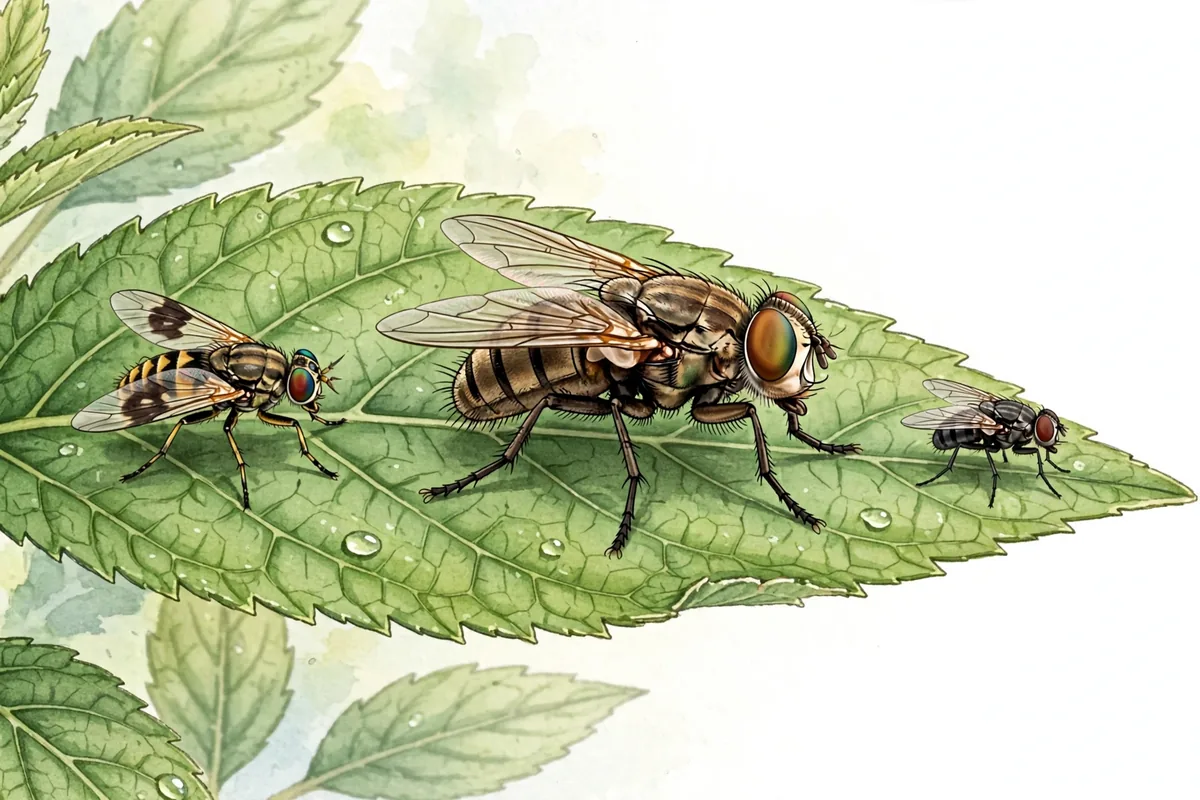
If you have any flexibility in your trip dates, timing is the single most powerful deer fly countermeasure. The rough seasonal map for the Boundary Waters looks like this: black flies dominate late May through June, deer flies take over in July, and mosquitoes persist through August before easing in September. No month is bug-free, but the kind of bug changes — and deer flies are widely considered the worst of the three by paddlers who’ve endured them.
Early June trips trade deer flies for black flies and mosquitoes, which head nets and repellents handle better. Late August into September is the sweet spot: deer flies winding down, mosquitoes thinning, black flies gone — plus fall colors and fewer crowds.
Within a July trip you can’t reschedule, timing still helps on a daily scale. Deer flies are most active on hot, sunny, calm days — they’re solar-powered misery. Overcast, breezy, or rainy days bring real relief — and they largely shut down after dark. Plan long portages for early morning or late afternoon when you can, and save camp chores for the cooler edges of the day. It’s not always possible with miles to cover, but when you have the choice, let the sun dictate your schedule.
Here’s the uncomfortable truth: repellents are significantly less effective against deer flies and horse flies than against mosquitoes. DEET and picaridin deter them somewhat, but determined deer flies will still land and bite through a normal application. Expecting a force field ends in disappointment — and bites.
That doesn’t mean repellent is useless — it means expectations need adjusting. An EPA-registered repellent applied per the label reduces landings and buys some relief, especially combined with other measures. What it won’t do is make you invisible to a swarm of July deer flies on a sunny portage. Treat repellent as one layer, not the whole plan.
What about the folk remedies? You’ll hear that eating garlic, taking vitamin B, or using essential-oil blends keeps deer flies away. The evidence for these is thin to nonexistent for tabanid flies specifically — be honest with yourself about that before relying on them deep in the wilderness. Permethrin-treated clothing (0.5%, clothing only, never skin) is the stronger chemical option: it kills flies on contact rather than merely repelling them, and treated shirts and pants keep working through about six washings. For a week-long trip, pre-treating your portage outfit is one of the highest-value preparations you can make.
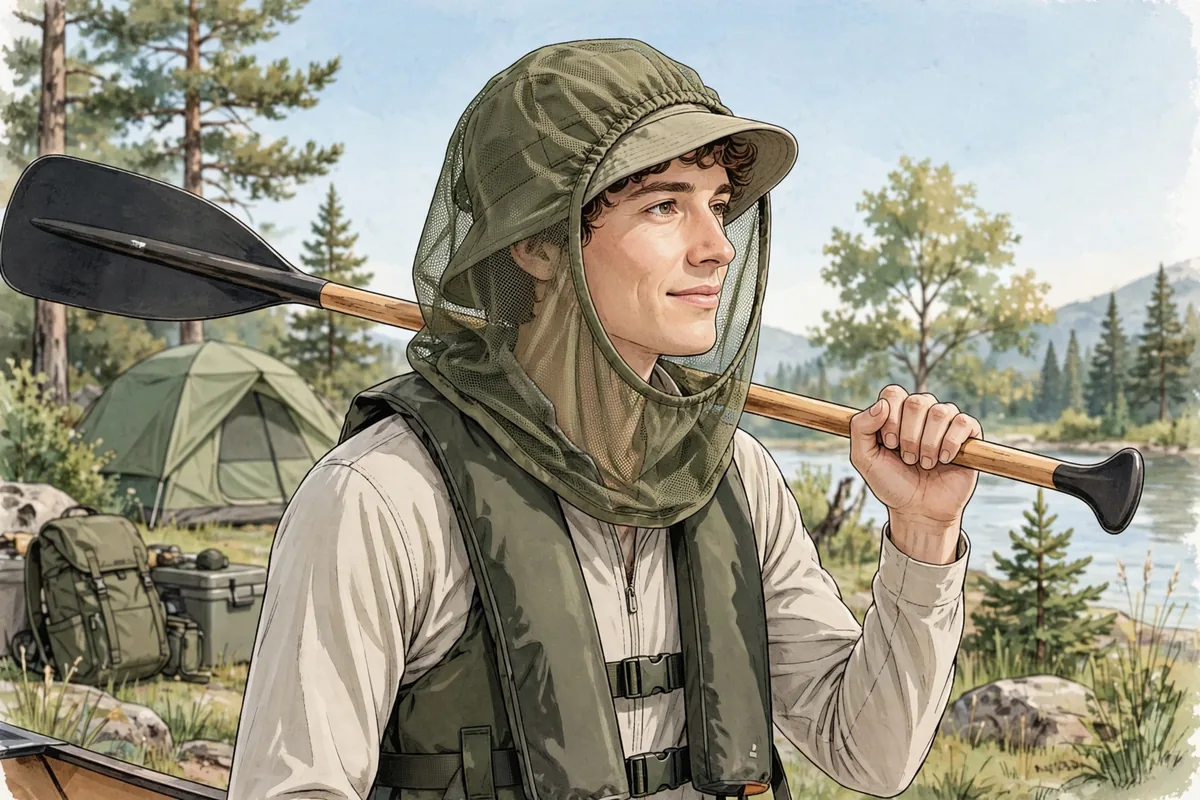
If repellents underperform, barriers overperform — and the head net is the undisputed champion of Boundary Waters fly defense. A lightweight head net worn over a hat turns the worst part of deer fly season (the constant orbiting of your face and ears) into a non-issue. Experienced BWCA trippers treat head nets as essential gear from June through August, not optional accessories. They’re cheap, weigh nothing, and not swatting your own face for hours is an enormous relief.
Clothing is the second barrier. Light-colored, loose-fitting long sleeves and long pants deny deer flies the exposed skin they need — they can’t bite through fabric. Light colors help because deer flies are attracted to dark, moving objects; a pale shirt makes you a less interesting target than a navy one. Tuck your shirt in on portages and consider a bandana or buff around the neck, since deer flies love the head-and-neck zone.
Camp craft matters too: choose breezy campsites — deer flies are weak fliers in wind. Keep the tent zipped always; a tent full of flies at bedtime ruins the one reliably bug-free part of the day. Cook with your head net handy, do dishes efficiently, and retreat to the tent or the water when a swarm gets oppressive. Standard camping bite-prevention habits cover the rest of the biting-insect lineup.
On a multi-day trip, bite care is about keeping small problems small. Clean bites with soap and clean water as soon as practical — the slicing bite leaves a wound more infection-prone than a mosquito puncture. Don’t scratch: broken skin in the wilderness invites bacterial infection, and infected bites far from care are the real danger.
For itch and swelling, cool water applied with a clean cloth and the standard over-the-counter approaches for insect bites are what most trippers rely on. We’re not prescribing anything — pack what your doctor or pharmacist recommends for your personal first-aid kit, and know your own reactions. Keep bites covered with a clean bandage on portage days when sweat and dirt are constant.
Watch for the warning signs that mean a bite is becoming something more: increasing redness spreading outward from the bite, warmth, swelling that worsens after the first day or two, pus, red streaks, or fever. In the backcountry, err on the side of paddling out early rather than waiting to see — cellulitis doesn’t care about your itinerary. One more thing worth knowing: deer flies are documented vectors of tularemia (“rabbit fever”) in some regions, and Minnesota has reported human cases. It’s uncommon, but fever with swollen glands after heavy deer fly exposure deserves prompt medical evaluation once you’re out. Our bite-and-sting first-aid checklist is worth reviewing before you launch.

Most deer fly bites heal on their own within a week or so. Get medical advice promptly for:
For severe reactions to any sting, review the anaphylaxis warning signs so you can act fast.
When is deer fly season in the Boundary Waters?
Deer flies typically emerge in June, peak in July, and wind down through late July into early August. July is the worst month — it combines peak fly numbers with peak paddling season. Black flies dominate May–June and mosquitoes linger through August, so September is the calmest window.
Does bug spray work on deer flies?
Only partially. EPA-registered repellents reduce landings, but determined deer flies still bite through normal applications — they’re big, aggressive, sight-hunting flies, and repellents were designed mainly for mosquitoes. Treat repellent as one layer alongside head nets, protective clothing, and permethrin-treated garments.
What’s the best protection against deer flies while portaging?
A head net over a hat, light-colored long sleeves and pants, and permethrin-treated clothing. Portaging makes you a prime target — moving, sweating, and broadcasting heat and carbon dioxide — so barriers beat chemicals here. Time long portages for cooler parts of the day when possible.
Can deer flies make you sick?
The bites are painful but usually just a nuisance. Deer flies are documented tularemia vectors in some regions, and Minnesota has reported human cases — uncommon, but fever with swollen glands after heavy exposure warrants prompt evaluation. Infected bites from scratching are the more common complication.
Are deer flies worse than mosquitoes in the Boundary Waters?
Most experienced paddlers say yes, at least in July. Mosquitoes are a dusk-and-dawn problem that repellents handle well; deer flies are an all-day, sunny-weather assault that repellents barely dent. The good news is that head nets and clothing neutralize deer flies far more effectively than they do mosquitoes.
Medically reviewed by Dr. Sarah Jones, MD.
This article is for informational purposes only and isn’t medical advice. If you’re worried about a bite or sting, talk to a healthcare professional.
Dr. Jones oversees StingHelp’s clinical verification process. Every guide is systematically evaluated against active Centers for Disease Control and Prevention (CDC), Environmental Protection Agency (EPA), and American Academy of Allergy, Asthma & Immunology (AAAAI) medical consensus standards to ensure symptom distinctions and care recommendations are clinically sound.
Explore physician-reviewed first-aid procedures, identification clues, and symptom comparisons for other common outdoor bites and stings.
You're kneeling beside a harvested deer when you notice small dark insects racing across the hide. They look like ticks — flat, fast, and…

# No-See-Ums in the House: How They Get In and How to Get Rid of Them If tiny biting insects seem to appear inside…
# Black Fly Bites on Your Dog's Belly: Red Rings vs Ringworm vs Lyme If you found red rings on your dog's belly this…