
Yellowjacket Ground Nests & Mowing: Sting Attack Guide
The mower passes over a bare patch of lawn, and suddenly the air fills with angry yellow-and-black insects. Your legs burn with stings before…
A wasp nest in a grill is one of the most awkward pest situations a homeowner can face: the usual fix (wasp spray) is exactly what you must not use…
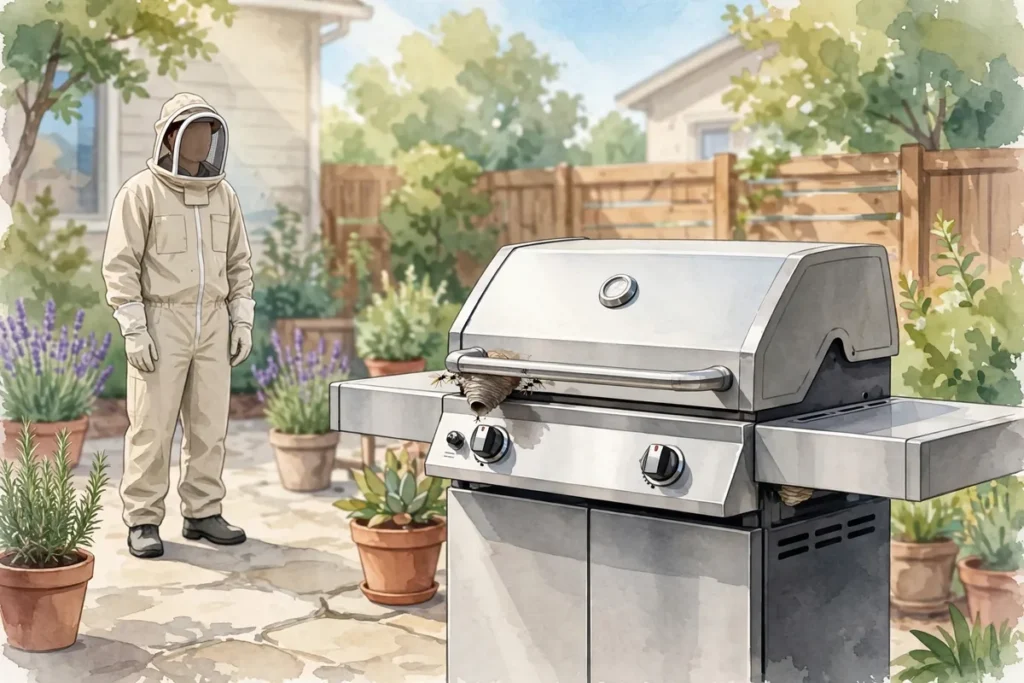
A wasp nest in a grill is one of the most awkward pest situations a homeowner can face: the usual fix (wasp spray) is exactly what you must not use on a food-cooking surface. The good news: safe removal is very doable without insecticide anywhere near your cooking grates. The keys are timing (work after dark), the right non-toxic method, and a thorough cleaning before the grill cooks again.
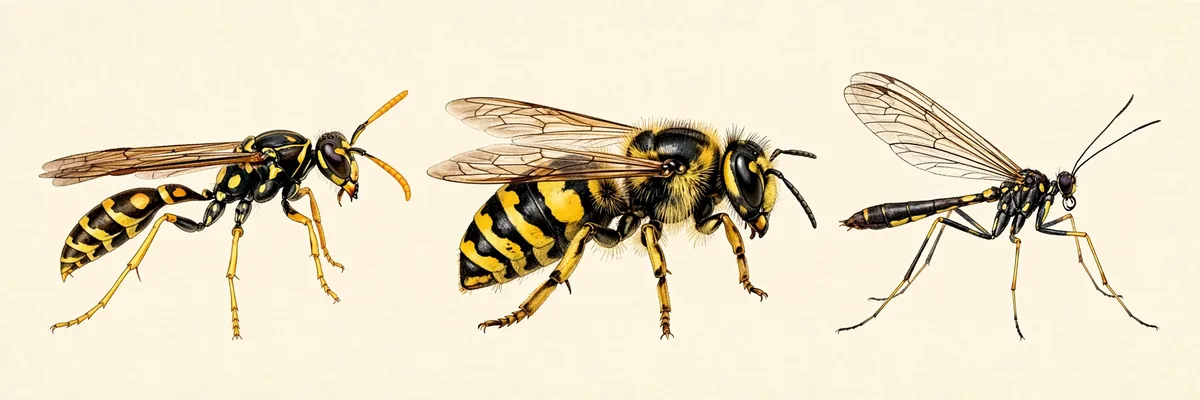
Not everything nesting in a grill is equally dangerous, so identification comes first. Three insects commonly set up in grills, and they behave very differently:
Watch the traffic before you act. Stand at a safe distance (at least 10-15 feet) and observe for a few minutes during the day: count how many insects come and go and note where they enter. A small, early-season paper wasp nest is a much simpler job than a late-summer yellowjacket colony. Also confirm you are dealing with wasps and not honeybees — bees build waxy honeycomb, not gray paper, and bee colonies should be relocated by a beekeeper rather than destroyed.
From a wasp’s perspective, your idle grill is a perfect sheltered cavity. The enclosed body protects against rain and wind, and leftover grease provides attractive scents. Grills that sit unused for weeks — especially in spring when queens found new colonies — are the most vulnerable.
Gas grills offer additional hiding spots: burner tubes, the grease tray, and the base cabinet. This is why the discovery so often happens at the worst moment — mid-season, when you lift a cover that has been sitting since last fall. Inspect the whole unit: lid underside, firebox corners, grease tray, and base cabinet.
This is the single most important rule: never spray wasp killer, hornet spray, or any insecticide on grates, burners, or any surface that contacts food. Insecticide residues are not reliably removed by heat or scrubbing, and cooking over contaminated surfaces exposes your family to chemicals with every meal. If the nest is deep inside where you cannot reach it without spraying chemicals, use a different method — or call a professional — rather than compromising on this rule.
Wasps are daytime insects. After dark, they return to the nest and become sluggish — which makes evening or night the safest window for removal. Extension entomologists recommend treating nests in the early morning or late evening for exactly this reason: the colony is home, the insects are lethargic, and you face the whole problem at once rather than chasing foragers all day.
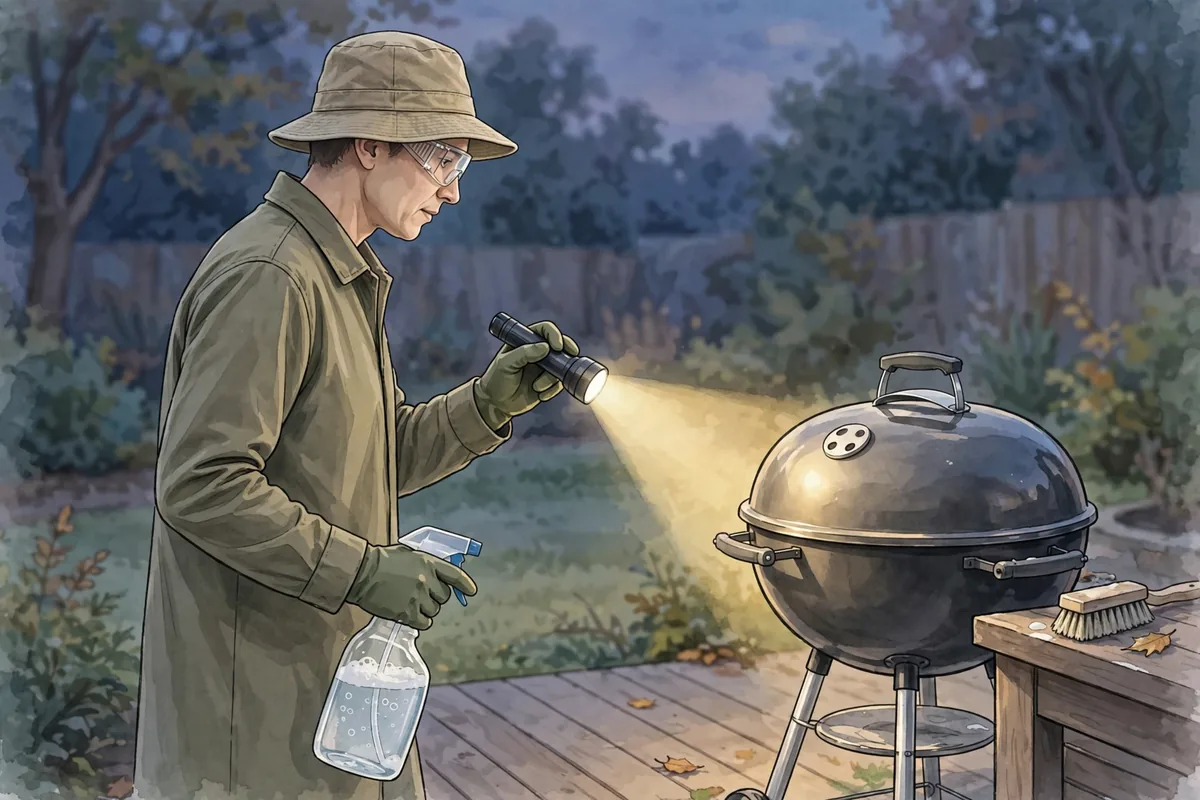
Before you start, gear up and plan your exit: wear long sleeves, long pants, closed shoes, gloves, and a hat; use a dim or red-filtered flashlight (wasps react less to red light); plan to walk — not run — to a predetermined safe spot indoors; and keep children, pets, and bystanders inside until the job is done.
For a small, early-season paper wasp nest (golf-ball sized, few workers), the simplest approach is mechanical: after dark, knock the nest down with a long stick or broom handle, then bag it. Paper wasps do not reuse nests, so removing the structure ends that colony’s tenancy.
For larger nests or yellowjacket colonies, use the dish-soap method: fill a spray bottle with water plus a few tablespoons of dish soap, spray the solution directly at the nest entrance and over the nest for 10 to 15 seconds, then leave the area. The soap coats the wasps’ breathing openings and wings, grounding them. You may need to repeat on a second night. Once no wasps have come or gone for a full day, knock the nest down and dispose of it in a sealed bag.
Do not seal wasps inside the grill by closing vents — trapped wasps become more aggressive and will chew new exits. And never light the grill with an active nest inside as a removal method: the heat drives wasps out in a panic while you stand next to the exit.
Some grill-nest situations exceed safe DIY territory, and recognizing them is part of safe removal. Call a pest professional if:
A professional can treat the nest without contaminating cooking surfaces and access enclosed cavities safely. The cost of a service visit is trivial compared to an emergency room trip for multiple stings.
Once the nest is gone and all wasp activity has stopped, the grill needs a thorough decontamination before food touches it. Even without insecticide use, nests leave behind paper debris, dead insects, and pheromone traces that can attract future queens to the same spot. Extension entomologist Wizzie Brown of Texas A&M AgriLife specifically recommends cleaning the area where a nest was attached to remove the pheromones wasps use to relocate nesting sites.
For a charcoal grill: remove debris, scrub the interior with hot soapy water and a stiff brush, rinse, and dry completely. Then run a hot burn — a full chimney of charcoal with the lid on — to heat-sanitize the interior. For a gas grill: remove grates and flavorizer bars, scrub with hot soapy water, clean the firebox, empty and wash the grease tray, and check burner tubes for obstructions. Finish with a 15-20 minute high-heat burn-off with the lid closed, then brush the grates clean while hot.
Wasps remember good real estate, so prevention is the difference between a one-time chore and a seasonal ritual. The most effective deterrent is also the simplest: use the grill regularly. A grill that gets fired up weekly is an inhospitable nursery — heat, smoke, and disturbance drive scouting queens away. If you grill often, wasps will look elsewhere.
Additional prevention measures:
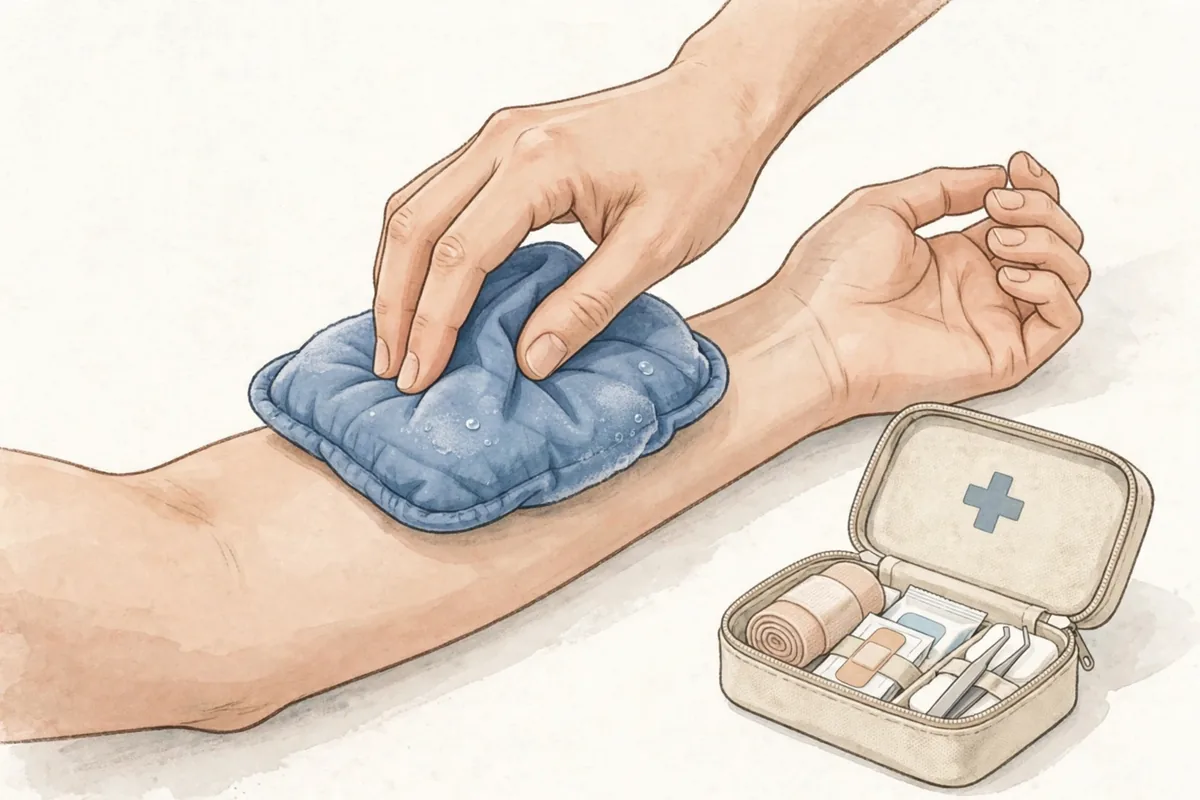
Even careful removal can go wrong, so know sting first aid before you start. Wasps can sting multiple times without losing their stinger (unlike honeybees), so move away from the nest area first — do not stand there swatting.
For multiple stings, the dose makes the poison: even without allergy, dozens of stings can cause significant systemic symptoms (nausea, dizziness, widespread swelling). Anyone stung many times — especially a child or older adult — should be evaluated promptly. Review the first 10 minutes after a sting for a step-by-step response framework.
Grill-nest encounters can mean multiple stings, so take these red flags seriously:
Can I just light the grill to kill the wasps inside?
No — this is dangerous and ineffective. Lighting a grill with an active nest drives panicked wasps out through every opening, and you will be standing next to them. It also does not reliably kill wasps deep in cavities, and firing a gas grill with nest debris near burners is a fire and gas-flow hazard. Remove the nest first, clean the grill, then light it.
Is it safe to use wasp spray on the outside of the grill?
Even exterior spraying risks drift onto cooking surfaces, and residues persist. The non-toxic methods — nighttime removal, dish-soap spray, mechanical knockdown — work without contamination risk. If a nest is unreachable without spray, call a professional.
Will wasps rebuild in the same grill?
They will try. Wasps leave pheromone markers at nesting sites, and a sheltered, greasy grill is attractive real estate. That is why post-removal cleaning matters, along with regular grill use, a snug cover, and spring inspections. Paper wasps do not reuse old nests, but new queens will happily build on top of or beside the old attachment point.
How can I tell a wasp nest from a bee hive in my grill?
Wasp nests are gray and papery (paper wasps, yellowjackets) or mud tubes (mud daubers). Honeybee colonies build waxy, golden honeycomb. If you find honeycomb, do not destroy it — contact a local beekeeper for live removal. Bees are valuable pollinators and, unlike wasps, are worth saving.
What if I get stung while removing the nest?
Stop what you are doing and walk calmly away from the grill to a safe indoor location. Treat the sting with soap, water, and a cold compress. If you develop any breathing difficulty, throat tightness, dizziness, or widespread hives, call 911 — those are anaphylaxis signs. For multiple stings or stings in a child, seek medical evaluation promptly.
Medically reviewed by Dr. Sarah Jones, MD.
This article is for informational purposes only and isn’t medical advice. If you’re worried about a bite or sting, talk to a healthcare professional.
Dr. Jones oversees StingHelp’s clinical verification process. Every guide is systematically evaluated against active Centers for Disease Control and Prevention (CDC), Environmental Protection Agency (EPA), and American Academy of Allergy, Asthma & Immunology (AAAAI) medical consensus standards to ensure symptom distinctions and care recommendations are clinically sound.
Explore physician-reviewed first-aid procedures, identification clues, and symptom comparisons for other common outdoor bites and stings.
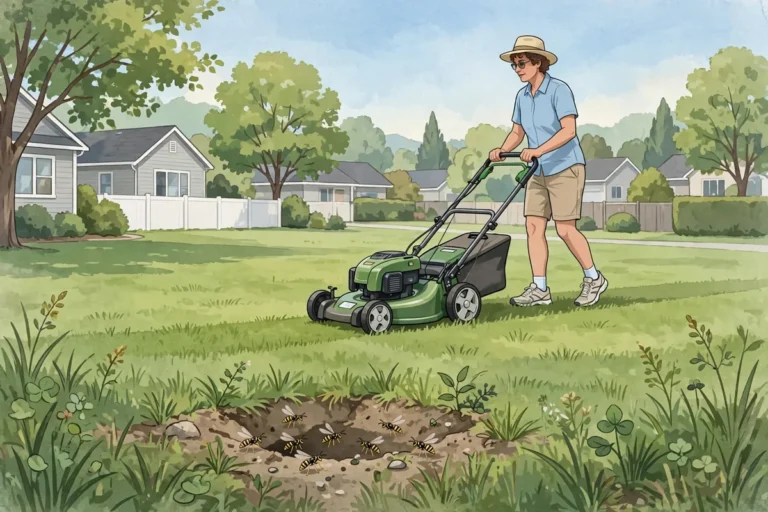
The mower passes over a bare patch of lawn, and suddenly the air fills with angry yellow-and-black insects. Your legs burn with stings before…
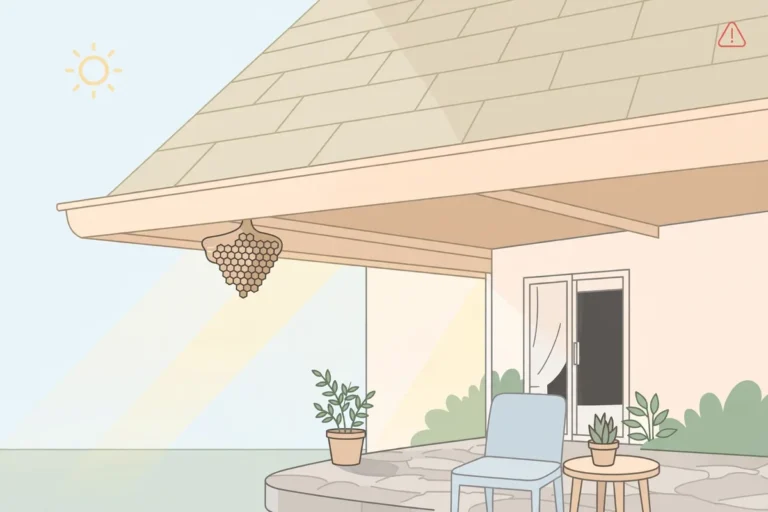
The Answer Is No, and That Is Only Half the Story Homeowners hang mothballs from eaves, scatter them around patios, and tuck them into…
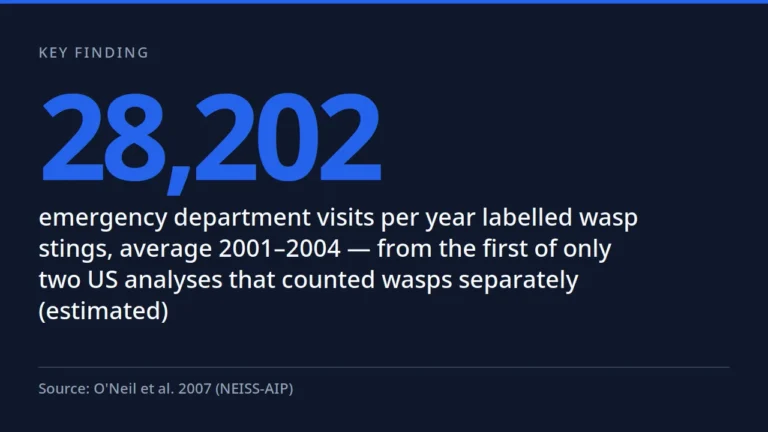
The only sourced US counts of wasp and yellow jacket stings — 28,202 and 11,797 emergency department visits a year in 2001–2004 — with every newer combined bee/wasp/hornet figure labelled and dated.