Direct answer: Chikungunya is a mosquito-borne viral illness best known for sudden fever and often intense joint pain. Symptoms commonly begin several days after the bite of an infected mosquito, not immediately at the bite site. A person with fever, severe joint pain, rash, or recent travel to an area with chikungunya activity should contact a healthcare professional, especially if they are pregnant, older, a newborn, or have chronic medical conditions.
A mosquito bite itself cannot show whether chikungunya virus was transmitted. Most mosquito bites cause only a local itchy bump. Chikungunya is suspected from the combination of symptoms, travel or local transmission context, and appropriate testing when indicated.
Important safety point
Dengue and chikungunya can overlap. CDC advises managing suspected chikungunya as possible dengue until dengue is ruled out, including avoiding aspirin and other NSAIDs because dengue can increase bleeding risk. Acetaminophen is generally preferred for initial fever and pain relief when it is safe for the individual and used according to label or clinician guidance.
Chikungunya at a glance
| Question | Practical answer |
|---|---|
| What causes it? | Chikungunya virus, transmitted by infected mosquitoes. |
| Typical symptoms | Fever and joint pain; headache, muscle pain, joint swelling, and rash can also occur. |
| When symptoms start | Often about 3–7 days after an infected mosquito bite. |
| Is there a specific antiviral? | No specific antiviral medicine routinely treats chikungunya; care is supportive. |
| Can joint symptoms persist? | Yes. Joint pain can persist for weeks, months, or longer in some people. |
| Who deserves extra caution? | Newborns, older adults, pregnant people near delivery, and people with conditions such as high blood pressure, diabetes, or heart disease. |
What chikungunya symptoms feel like
The classic pattern is sudden fever with prominent joint pain. The joint pain can be severe and may affect hands, wrists, ankles, knees, or other joints. Headache, muscle pain, joint swelling, fatigue, nausea, and rash can occur as well.
Most people improve, but the joint component is important because it may persist after fever resolves. Persistent pain does not necessarily mean the virus is still actively reproducing; follow-up care can help manage ongoing symptoms and rule out other causes.
What the mosquito bite looks like
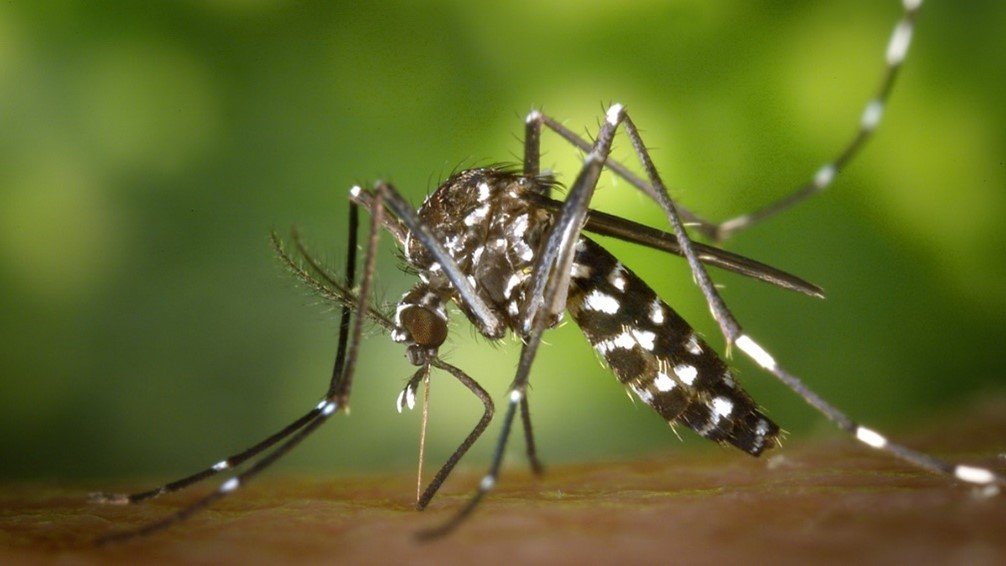
The bite that transmitted chikungunya usually looks like an ordinary mosquito bite, if it is noticed at all. There is no reliable “chikungunya bite” appearance. A small itchy wheal does not prove infection, and a dramatic local reaction does not prove a mosquito transmitted chikungunya.
When should symptoms raise concern?
Seek medical advice for fever and severe joint pain after relevant travel or known local transmission. Urgent evaluation is especially important for dehydration, persistent vomiting, confusion, breathing difficulty, severe weakness, bleeding, fainting, pregnancy concerns, or severe illness in an infant or older adult.
Chikungunya vs dengue
Both illnesses can cause fever, headache, muscle aches, rash, and other systemic symptoms. Chikungunya tends to feature prominent joint pain, while dengue can be associated with bleeding complications and shock. Symptoms overlap enough that self-diagnosis is unsafe when dengue is possible.
Because of this overlap, CDC advises avoiding aspirin and NSAIDs until dengue has been ruled out. A clinician may recommend testing based on symptoms, timing, travel, and local public-health information.
Diagnosis and testing
A healthcare professional decides whether chikungunya testing is appropriate. Testing strategies vary with how many days have passed since symptoms began because molecular and antibody tests become useful at different times. Tell the clinician where and when you traveled, when symptoms began, and whether you had mosquito exposure.
Treatment
There is no routine specific antiviral medicine for chikungunya. Supportive care includes rest, fluids, and symptom relief. Do not exceed label directions for over-the-counter medicines, and ask a clinician or pharmacist about medication safety if you are pregnant, have kidney or liver disease, take blood thinners, or have other medical conditions.
Until dengue is excluded, avoid aspirin and NSAIDs because of possible bleeding risk. If joint symptoms persist, follow-up care can help with pain management, mobility, and evaluation for other causes.
Preventing mosquito bites
- Use EPA-registered insect repellent according to the label.
- Wear long sleeves and pants when practical.
- Use window and door screens or air conditioning when available.
- Empty and scrub containers that collect standing water.
- Use mosquito nets when sleeping in places without adequate screening.
Chikungunya symptom timeline
The first few days can resemble other viral illnesses. Fever may arrive abruptly, and joint pain can appear at the same time or soon afterward. The hands, wrists, ankles, feet, knees, and other joints may feel stiff, swollen, or painful. A rash can appear during the acute illness, but its presence or absence does not confirm or exclude chikungunya.
During the first week, hydration and monitoring matter. People who are vomiting, unable to keep fluids down, urinating much less than usual, becoming confused, or becoming unusually weak need medical assessment. Older adults, infants, pregnant people, and those with chronic disease have a lower threshold for evaluation.
After the fever improves, joint symptoms may remain. Some people recover quickly; others experience relapsing or persistent joint pain and stiffness. Persistent symptoms deserve follow-up rather than repeatedly self-treating with over-the-counter pain medicines for months without guidance.
Who is at higher risk of severe chikungunya illness?
Most people recover, but severe disease is more concerning in newborns infected around the time of birth, adults 65 years and older, and people with medical conditions such as high blood pressure, diabetes, or heart disease. Pregnancy also changes the risk discussion because infection close to delivery can affect the newborn.
These groups should contact a clinician promptly when chikungunya is plausible. The goal is not to assume that every fever after a mosquito bite is chikungunya, but to make sure potentially serious illness is assessed early.
Chikungunya vs an ordinary mosquito-bite reaction
An ordinary mosquito-bite reaction stays mainly in the skin: itching, a small raised bump, mild redness, or localized swelling. Chikungunya is a systemic viral illness. Fever, substantial joint pain, headache, muscle pain, rash, fatigue, or widespread symptoms are not explained by a simple local bite reaction alone.
A large local mosquito reaction can look dramatic but still remain limited to the skin. Conversely, a person with chikungunya may have no memorable bite mark at all. This is why symptom timing and travel or outbreak context matter more than the bite photo.
Chikungunya vs dengue vs Zika
Aedes mosquitoes can transmit chikungunya, dengue, and Zika in areas where those viruses circulate. Chikungunya often stands out for intense joint pain, dengue raises particular concern for bleeding and vascular complications, and Zika is often mild but is especially important in pregnancy because of fetal risk. These are tendencies, not reliable self-diagnosis rules.
Testing and clinical evaluation are important when more than one virus is plausible. Until dengue is excluded, avoid aspirin and NSAIDs unless a healthcare professional specifically advises otherwise, because of dengue-related bleeding risk.
Travel history: what to tell a clinician
Tell the clinician the countries, islands, states, or regions visited; the dates of travel; when fever began; whether others traveling with you became ill; and whether mosquito exposure was heavy. Also mention pregnancy, immune suppression, chronic heart or kidney disease, diabetes, high blood pressure, and all medicines you take.
If local public-health authorities have announced chikungunya activity, share that information as well. A precise timeline can help determine which laboratory tests are useful at that stage of illness.
Protecting other people from mosquitoes while ill
During the first week of illness, preventing mosquito bites remains important. A mosquito that bites an infected person could potentially acquire virus and later infect someone else where competent mosquito vectors are present. Use repellent, stay in screened or air-conditioned spaces when possible, and use bed nets if the sleeping area is not well screened.
What not to do
- Do not assume a large itchy mosquito bite means chikungunya.
- Do not take antibiotics for chikungunya unless a separate bacterial infection has been diagnosed.
- Do not use aspirin or NSAIDs before dengue has been considered and ruled out by appropriate medical evaluation.
- Do not ignore dehydration, confusion, persistent vomiting, breathing difficulty, bleeding, or severe weakness.
- Do not rely on a home photo of a mosquito to determine whether it carried virus.
Recovery and persistent joint pain
Joint symptoms can outlast the fever. Gentle return to activity, adequate hydration, sleep, and clinician-guided pain management can help. Persistent swelling, severe stiffness, or loss of function deserves follow-up, particularly if symptoms interfere with walking, work, sleep, or daily activities.
Long-lasting symptoms do not mean a person is contagious through casual contact. Chikungunya is primarily transmitted through mosquitoes rather than routine person-to-person contact.
Can a person spread chikungunya directly to family members?
Chikungunya is not usually spread by casual contact such as hugging, sharing a room, or touching household surfaces. The main transmission cycle is person-to-mosquito-to-person. That is why mosquito-bite prevention during the first week of illness is important in places where competent mosquito vectors are present.
When fever has gone but joint pain remains
Persistent joint pain can affect sleep, walking, grip, and daily activities. A clinician may check whether the symptoms still fit post-chikungunya joint disease or whether another problem such as gout, rheumatoid disease, injury, or a different infection needs attention. Do not assume that all later joint pain is from chikungunya without evaluation.
Gradual movement is often preferable to complete immobility, but exercise should be adjusted to pain and function. People with prolonged symptoms may benefit from individualized rehabilitation or physical therapy advice.
What to monitor at home
- Temperature and duration of fever.
- Ability to drink and keep fluids down.
- Urination frequency and signs of dehydration.
- Severity and location of joint pain or swelling.
- Rash, bleeding, dizziness, confusion, or breathing problems.
- Any new symptoms in a pregnant person, infant, or older adult.
Write down symptom onset and travel dates. A concise timeline can be more useful to a clinician than trying to remember every detail during an urgent visit.
Returning to normal activity
Return gradually as fever, hydration, and strength improve. Severe joint pain can make falls more likely, particularly in older adults. Avoid pushing through intense pain. If walking, driving, or working safely is difficult, ask a healthcare professional about recovery planning.
When testing is especially useful
Testing is particularly useful when symptoms and exposure fit chikungunya but dengue, Zika, or another febrile illness is also possible. The best test depends on the day of illness, so early contact with a clinician helps. Travelers should not wait for a rash or dramatic joint swelling before asking whether testing is appropriate.
Public-health laboratories or commercial laboratories may use molecular or antibody-based methods. A clinician interprets results alongside timing and symptoms because tests performed too early or too late can be less informative.
Practical note: If symptoms are mild but travel or outbreak exposure is relevant, contact a healthcare professional for advice rather than waiting for symptoms to become severe.
Frequently asked questions
How soon after a mosquito bite does chikungunya start?
Symptoms commonly begin about 3–7 days after infection, although timing can vary.
Does every infected person get symptoms?
No. Some infections may be asymptomatic, but people who become ill commonly have fever and joint pain.
Can chikungunya be treated with antibiotics?
No. Antibiotics treat bacterial infections, not chikungunya virus. They are used only when a separate bacterial infection is diagnosed.
Can joint pain last a long time?
Yes. Some people have joint pain for weeks or months after the acute illness.
Is chikungunya the same as dengue?
No. They are different viral infections, but symptoms overlap and both can be transmitted by Aedes mosquitoes.
When should I get medical help?
Get medical advice for significant fever and joint pain after relevant mosquito exposure or travel, and seek urgent care for severe dehydration, confusion, breathing problems, fainting, bleeding, or other rapidly worsening symptoms.
Related StingHelp guides
- What Bit Me? Identification Guide
- Bite & Sting First Aid
- Mosquito Bite Warning Signs
- Tick Bite Warning Signs
Authoritative references
- CDC — Chikungunya Symptoms, Diagnosis, and Treatment
- CDC — About Chikungunya
- CDC — Clinical Treatment and Prevention
- CDC — Preventing Mosquito Bites
- WHO — Chikungunya Fact Sheet
Bottom line
Chikungunya is identified by systemic illness, exposure context, and testing—not by the appearance of a mosquito bite. Sudden fever and substantial joint pain after relevant mosquito exposure deserve medical attention, and suspected cases should be managed cautiously until dengue has been considered or ruled out.
Educational information only and not a substitute for medical care.