Deer tick bite vs yellow jacket sting: Pictures, Key Differences, and What to Do
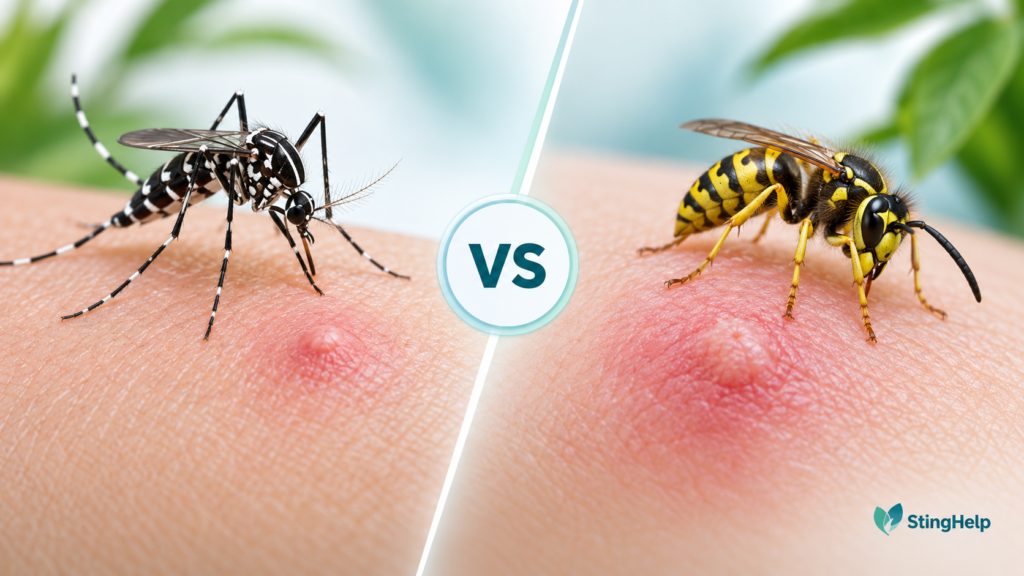
Direct answer: A deer tick bite is often painless and may involve a tick that stays attached, while a yellow jacket sting usually causes immediate sharp pain, redness, and swelling. Yellow jackets can sting repeatedly, and severe allergic symptoms are an emergency. A confirmed tick should be removed promptly and followed for later tick-borne symptoms.
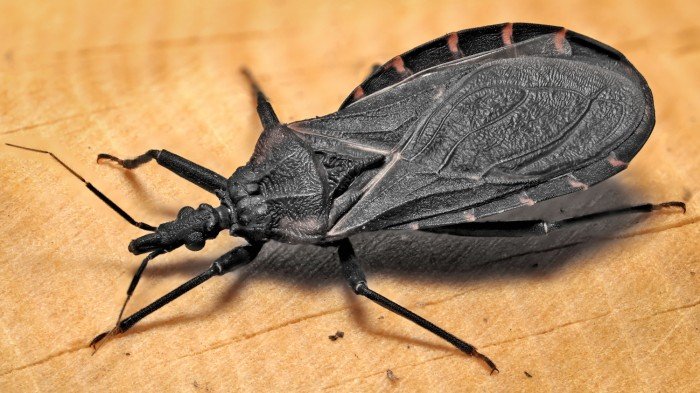
A deer tick is a blacklegged tick, Ixodes scapularis, in common U.S. usage. CDC recommends removing attached ticks as soon as possible with tweezers and monitoring for later rash or fever.
Yellow jackets are social wasps. They can defend nests aggressively and can sting more than once. A person may disturb an underground or cavity nest without noticing it first.
Quick comparison
| Clue | Deer tick | Yellow jacket |
|---|---|---|
| Immediate pain | Often absent | Usually sharp/burning |
| Behavior | May stay attached | Stings and flies away; may sting again |
| Typical exposure | Brush, woods, leaf litter | Nest areas, lawns, food/trash zones |
| Main urgent risk | Later tick-borne illness | Anaphylaxis or multiple stings |
What a yellow jacket sting may feel like
Pain usually starts immediately. Local swelling and redness can enlarge over several hours. The insect does not normally leave a barbed stinger behind like a honey bee.
What a deer tick bite may look like
The skin can show only a small red spot after removal. The attached tick and exposure history are more useful than the lesion itself.
First aid differences
For a sting, leave the area, wash the site, and apply a cool compress. For an attached tick, use fine-tipped tweezers and steady upward pressure. Do not use heat, petroleum jelly, or nail polish to force detachment.
When to seek care
Emergency care is needed for breathing difficulty, throat or facial swelling, fainting, weak rapid pulse, or widespread hives with other systemic symptoms. After a tick bite, contact a clinician if fever, rash, severe headache, facial weakness, palpitations, or joint symptoms develop.
How to use this guide safely
Use the comparison as a decision aid, not as a diagnosis. The most useful clues are the exposure setting, whether an arthropod was seen, whether it stayed attached, whether pain started immediately, how many lesions appeared, and whether symptoms remained local or became systemic. Skin color and bump shape overlap too much across bites and stings to be definitive on their own.
What to record
Write down the date, location, outdoor activity, time symptoms began, and whether an insect or tick was seen. Take a clear photo with a ruler or coin for scale. If a tick is attached, remove it promptly rather than delaying for a photograph. If a stinging insect or nest is nearby, leave the area rather than approaching it for identification.
Safe home care for a mild local reaction
Gently wash the area with soap and water, use a cool compress for swelling or itch, avoid scratching, and follow package directions for any over-the-counter product that is safe for you. Do not cut, squeeze, burn, or apply caustic chemicals to the skin. These actions can worsen inflammation and raise the risk of secondary infection.
When symptoms may suggest secondary infection
Increasing warmth, spreading redness with worsening pain, pus, drainage, red streaking, or fever should be evaluated. Scratching can break the skin and allow bacteria to enter. A red or swollen bite does not automatically mean infection, but a steadily worsening pattern deserves attention.
Emergency warning signs
Call emergency services for trouble breathing, swelling of the lips, tongue, mouth, or throat, fainting, confusion, weak rapid pulse, or widespread hives with other systemic symptoms. These can be signs of anaphylaxis after an insect sting. Multiple stings or a sting inside the mouth or throat can also be urgent.
Why medication advice must stay individualized
Age, pregnancy, allergies, kidney or liver disease, other medicines, and chronic conditions can change what is safe. This article does not provide individualized drug dosing. Follow labels and ask a pharmacist or healthcare professional if there is uncertainty.
Why pictures can mislead
Many exposures create the same limited set of skin findings: redness, papules, wheals, puncta, swelling, and scratch marks. The same person can react differently to the same arthropod on different days, and two people can react very differently to the same bite. Use images for context, not proof.
Children and medically vulnerable people
Consider earlier medical advice for very young children, older adults, pregnant people, people with immune suppression, or anyone with a history of severe allergy. Caregivers should watch for behavior changes, vomiting, facial swelling, breathing difficulty, rapidly worsening pain, or fever.
Prevention basics
Protective clothing, EPA-registered repellent, showering after outdoor exposure, laundering outdoor clothing, and habitat awareness can reduce many arthropod exposures. Tick checks are especially important after brushy or wooded activity. Fine mesh screens, bed nets, and avoiding dusk-to-dawn exposure may matter more for tiny biting flies in endemic travel settings.
What to tell a clinician if you seek care
Explain what you were doing when the exposure occurred, where it happened, whether an arthropod was visible, whether symptoms began immediately or later, and how the skin has changed. Mention fever, rash, dizziness, vomiting, breathing difficulty, facial swelling, severe headache, weakness, joint symptoms, or travel. A clear timeline can be more useful than trying to name the exact insect yourself.
What not to assume from one symptom
Immediate pain favors a sting or cutting bite but is not diagnostic. Delayed itch favors some mites and midges but can occur after many bites. A single punctum does not prove a tick, and two visible marks do not prove a spider. Large swelling can be a local immune reaction and does not automatically mean infection. Keeping these limits in mind helps prevent both overreaction and false reassurance.
How to judge whether a reaction is improving
A mild bite or sting should generally trend toward less pain, less itch, and less swelling over time, even if the first 24 to 48 hours are uncomfortable. Take a simple photo record rather than repeatedly touching the area. If redness is stable or shrinking and there are no systemic symptoms, supportive care is often reasonable.
Worsening is more concerning when pain increases rather than decreases, swelling continues to spread rapidly, the area becomes hot and very tender, drainage appears, or fever develops. Those changes can justify medical evaluation even when the original exposure seemed minor.
Why scratching changes the appearance
Repeated scratching can turn small papules into larger excoriated areas, create scabs, and introduce bacteria. It can also make a clustered pattern look more dramatic than the original bites. Keeping fingernails short, using a cool compress, and choosing appropriate itch relief can reduce this cycle.
What “red streaks” can mean
People often search for red streaks after a bite. A streaking pattern moving away from a painful, warm, worsening lesion can be a reason to seek medical evaluation because it may be associated with inflammation or infection. It is not possible to diagnose the cause of a red streak from a photograph alone.
What to do if the bite was near the eye
Swelling near the eye can look severe even after a small bite because eyelid tissue is loose. Avoid putting topical products into the eye. Seek prompt medical advice for eye pain, vision changes, marked swelling, drainage, or a suspected sting directly to the eye.
What to do if there are dozens of lesions
Multiple lesions can occur after exposure to biting midges, chiggers, fire ants, or a disturbed nest. Wash the skin and clothing, leave the exposure area, and monitor for systemic symptoms. Large numbers of stings can create a higher venom burden and deserve a lower threshold for urgent medical care, especially in children, older adults, or people with chronic disease.
How exposure history helps more than guessing
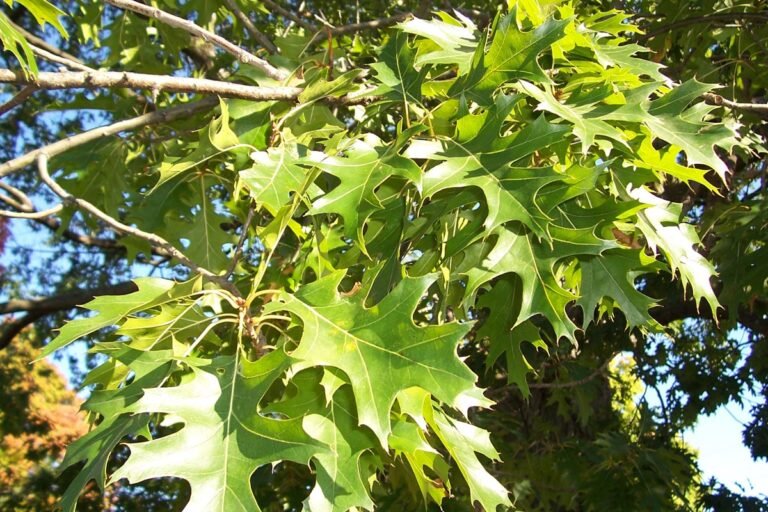
Think back to the setting: wooded trail, lawn, oak tree, wetland, beach, animal area, campsite, rural travel, or a nest under an eave. Then consider timing: immediate pain, delayed itch, or a tick discovered hours later. Combining place and timing often narrows the cause more effectively than comparing your skin with search-engine images.
What a clinician may do
For a routine local reaction, a clinician may only need the exposure history and examination. If infection, severe allergy, a tick-borne disease, or travel-associated infection is suspected, the evaluation may include additional questions, laboratory testing, or treatment tailored to the specific risk. Not every bite requires testing.
Why unnecessary antibiotics are not helpful
Most uncomplicated insect bites, mite reactions, and local venom reactions do not need antibiotics. Antibiotics are used when a clinician believes there is a bacterial infection or when a specific tick-borne prevention or treatment indication applies. Using leftover antibiotics can cause side effects, contribute to antibiotic resistance, and delay correct diagnosis.
Why topical home remedies can backfire
Strong essential oils, bleach, vinegar, gasoline, nail polish, or other household substances can irritate skin or cause chemical burns. Occlusive products may also trap moisture over scratched skin. Safer care starts with washing, cooling, and avoiding further injury.
How long is too long for a bite to last?
There is no single cutoff because reactions differ by arthropod and by person. A mild bite can itch for days, while some reactions last longer. The more useful question is whether the trend is improving. A lesion that keeps enlarging, ulcerates, becomes increasingly painful, or remains unexplained for weeks deserves medical assessment.
When travel changes the medical risk
Travel can change which vector-borne diseases are plausible. Tell a healthcare professional about recent trips, especially to tropical, subtropical, or rural areas, and mention the timing of bites relative to symptoms. Sand-fly exposure, for example, has a different significance in areas where leishmaniasis occurs than in places where the parasite is not circulating.
When an allergy history changes the plan
Anyone with a previous severe reaction to insect venom should follow the emergency plan provided by their clinician. Prescribed epinephrine should be accessible, and friends or family should know how to help. A prior severe reaction lowers the threshold for emergency action after a new sting.
How to prevent the same problem next time
Match prevention to the exposure. For ticks and chiggers, avoid dense vegetation when practical, use protective clothing, repellent, shower after outdoor activity, and inspect the body and clothes. For biting midges or sand flies, fine screening, long clothing, repellents, and reducing dusk-to-dawn exposure can help. For yellow jackets and other wasps, avoid nests and uncovered food or sweet drinks outdoors.
What “pictures” are actually good for
Pictures are best for documenting change and, when possible, identifying the actual arthropod. They are less reliable for naming a bite based on the skin alone. A photograph can show whether swelling is expanding or whether a lesion has ulcerated, but it cannot by itself confirm Lyme disease, leishmaniasis, bacterial infection, or an allergic diagnosis.
Final decision guide
If symptoms are mild, localized, and improving, supportive care and observation may be appropriate. If there is a known attached tick, remove it promptly and remember the exposure date. If there are severe allergic symptoms, multiple stings with systemic illness, rapidly worsening pain, infection-like changes, or a persistent ulcer after relevant travel, seek medical care rather than continuing home treatment.
Related StingHelp guides
- What Bit Me? identification guide
- Bite and sting first-aid hub
- Tick bite guides
- Bite warning signs and emergency red flags
Frequently asked questions
Do yellow jackets leave a stinger behind?
Usually not. Yellow jackets can sting repeatedly without leaving a barbed stinger in the skin.
Which hurts more immediately?
A yellow jacket sting is much more likely to cause immediate sharp pain.
Can a deer tick bite cause swelling?
Yes, a small local reaction can occur, but the attached tick and later symptoms matter more.
When is a yellow jacket sting an emergency?
Breathing trouble, throat swelling, fainting, or widespread hives with systemic symptoms require emergency care.
What should I do with an attached tick?
Remove it promptly with tweezers and clean the area and hands.
Can a photo identify the cause?
Not reliably. A witnessed sting or attached tick is more useful than a skin photo.
Authoritative references
- CDC — What to Do After a Tick Bite
- CDC — About Lyme Disease
- CDC — Lone Star Tick Surveillance
- MedlinePlus — Bee, wasp, hornet, or yellow jacket sting
- Mayo Clinic — Anaphylaxis first aid
Common reasons people misidentify bites and stings
The same exposure can look different from person to person because immune responses vary. One person may develop only a tiny papule while another develops a large itchy welt. Scratching, pressure from clothing, sun exposure, and camera lighting can also change the appearance. In addition, people sometimes notice a reaction hours after the exposure and connect it to the wrong insect seen later.
Another source of confusion is that several arthropods share the same habitat. A person walking through tall grass can encounter ticks, chiggers, mosquitoes, and biting flies during the same outing. A person working around a yard can encounter ants, wasps, and midges on the same day. More than one type of bite can therefore be present at once.
When a medical diagnosis needs more than the skin
Vector-borne diseases are diagnosed using the clinical picture, exposure history, geography, and when appropriate laboratory testing. A rash may be an important clue, but it is not a stand-alone test. Similarly, a local allergic reaction does not by itself prove which insect caused it.
If you seek care, bring the timeline and any photos of the actual arthropod. Mention relevant travel, outdoor work, gardening, camping, pets, or known nests. This information can help the clinician decide whether testing or treatment is warranted.
Recovery and follow-up
As symptoms improve, continue protecting broken skin and avoid restarting irritation by scratching. If you were treated for a severe allergic reaction, follow the discharge plan and arrange any recommended allergy follow-up. If you had a tick exposure, keep the date in mind for several weeks in case a later fever or rash appears.
For travel-associated vector exposures, a persistent skin lesion or delayed systemic illness should be evaluated even if the original bite has disappeared. Tell the clinician where and when you traveled and what kind of insect exposure you remember.
Practical note: If you are unsure whether symptoms are improving, compare photographs taken in similar lighting and seek professional advice rather than repeatedly changing home treatments.
Bottom line
Immediate painful stinging favors a yellow jacket; an attached arachnid favors a deer tick. Treat anaphylaxis as an emergency and remove attached ticks promptly.
Educational information only. StingHelp cannot identify an arthropod, diagnose infection, or confirm a bite-related disease from a photograph. Seek professional medical care for severe, unusual, rapidly worsening, or systemic symptoms.