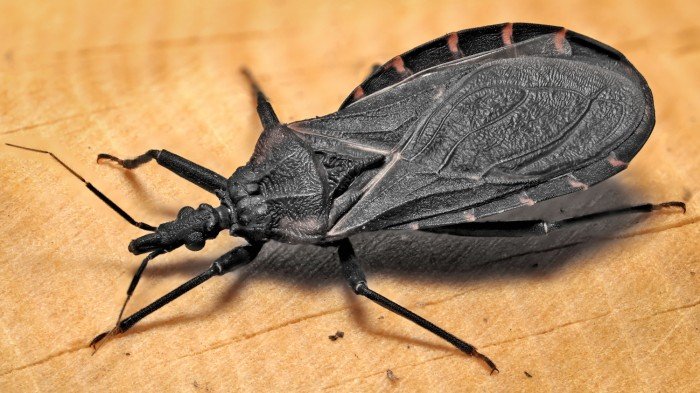
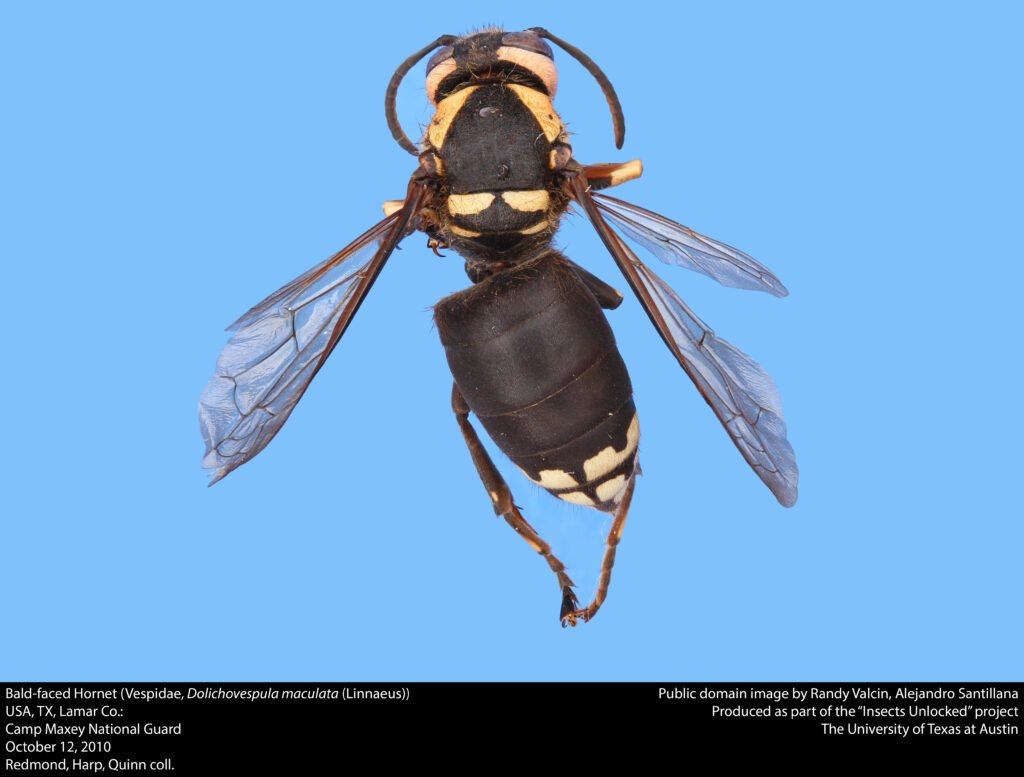
Deer tick bite vs bald-faced hornet sting: Pictures, Key Differences, and What to Do
Direct answer: A blacklegged/deer tick bite and a bald-faced hornet sting usually differ most in timing and behavior. A tick may stay attached and the bite can be unnoticed at first; a bald-faced hornet sting is usually sudden and painful, with immediate burning, redness, and swelling. Severe allergic symptoms after a sting are an emergency, while a confirmed tick attachment requires prompt removal and monitoring for later tick-borne illness.
A blacklegged tick (often called a deer tick in the eastern United States) is an attached-feeding arachnid. The most useful clue is not the color of the bump after the tick is gone; it is whether a tick was seen attached, how long it may have been attached, where the exposure occurred, and what symptoms develop later. CDC guidance says an attached tick should be removed as soon as possible with tweezers, using steady upward pressure, then the skin and hands should be cleaned.
After a tick bite, a small localized red spot can occur simply from skin irritation. A rash that enlarges, fever, severe headache, facial weakness, new joint swelling, or other systemic illness should not be dismissed as a routine bite reaction. CDC advises contacting a healthcare professional if rash or fever develops in the days to weeks after a tick is removed.
The bald-faced hornet, Dolichovespula maculata, is actually an aerial yellowjacket rather than a true hornet. It is mostly black with white markings and builds a large gray papery nest, commonly in trees, shrubs, or on structures.
Disturbing a bald-faced hornet nest can trigger defensive stinging. University of Minnesota Extension identifies these insects as a potential health problem because of their ability to sting.
Tick bite vs bald-faced hornet sting: quick comparison
| Clue | Tick bite | Bald-Faced Hornet sting |
|---|---|---|
| At the moment of exposure | Often unnoticed | Usually immediate sharp or burning pain |
| Arthropod behavior | Tick may remain attached | Stinging insect flies away or can sting again |
| Early skin reaction | Small red spot may occur | Pain, redness, swelling, warmth |
| Main urgent risk | Later systemic tick-borne illness | Anaphylaxis or multiple stings |
| First action | Remove attached tick promptly | Move away from nest/insects; assess for allergic reaction |
What a tick bite may look like
A local tick bite can look surprisingly minor. The visible tick, not the bump, is often the best clue. After removal, a tiny red spot can persist. A later rash, fever, severe headache, facial weakness, palpitations, unusual fatigue, or joint swelling deserves medical attention.
What a bald-faced hornet sting may look and feel like
Bald-Faced Hornet venom commonly causes immediate pain, swelling, redness, and itching at the sting site. A larger local reaction can expand over hours. Skin appearance alone cannot tell you exactly which wasp-family insect caused the sting.
Allergic reaction warning signs
Call emergency services for trouble breathing, swelling of the lips, tongue, face, or throat, fainting, weak rapid pulse, widespread hives, or other signs of anaphylaxis. Mayo Clinic lists insect stings from bees, yellow jackets, wasps, hornets, and fire ants among common anaphylaxis triggers. If the person carries prescribed epinephrine, follow their emergency plan and seek emergency care.
First aid for a mild sting
Leave the area to avoid additional stings. Wash the site, apply a cool compress, and remove rings or tight items if swelling is developing. Most wasps and yellowjackets do not leave a barbed stinger in the skin, unlike a honey bee, so do not dig into the skin unless you can actually see a retained foreign body.
First aid for the tick side
Use tweezers to grasp the tick close to the skin and pull upward steadily. Clean the bite and hands afterward. Do not wait for a clinic visit just to remove an attached tick. Record the date and place of exposure and watch for illness over the following days and weeks.
Can a skin photo prove which one happened?
No. A painful swelling after a witnessed sting strongly favors a stinging insect, and an attached tick strongly favors a tick bite. But after the arthropod is gone, redness and swelling overlap. A photo is context, not a laboratory test.
When to seek non-emergency medical care
Contact a clinician for unusually large or worsening swelling, signs of infection, repeated vomiting, persistent symptoms, multiple stings, a sting in the mouth or throat, or illness after a recent tick bite. People with a history of severe sting allergy should follow the emergency plan given by their healthcare professional.
Prevention differences
Tick prevention focuses on repellent, clothing, trail behavior, post-outdoor tick checks, showering, and prompt removal. Sting prevention focuses on avoiding nests, keeping food and drink containers covered outdoors, wearing shoes, and not swatting aggressively at nearby wasps or yellowjackets. Professional nest removal is safer when a colony is near a frequently used area, especially for households with known sting allergy.
Do not approach a nest for identification
A large papery aerial nest with black-and-white wasps should be treated cautiously. Do not move closer simply to identify the insect. Households with a known severe sting allergy should use a professional pest-management service when a nest is close to entrances, play areas, mowing routes, or other routinely used spaces.
How to document the exposure before the skin changes
When the cause is uncertain, the most useful evidence is often collected before the skin reaction evolves. Photograph the arthropod if it can be done safely, note the date and location, record whether it was attached or merely landed on the skin, and write down how quickly pain, itching, redness, or swelling began. A ruler or coin placed beside a skin reaction can help show scale in later photographs.
Do not deliberately handle an unknown tick, wasp, hornet, fly, or mite to obtain a better picture. For ticks, safe removal takes priority over photography. For flying stinging insects, leave the area rather than trying to capture the insect. A clinician can often make better decisions from a careful exposure history than from a single close-up photograph of a red bump.
Why bite photos can be misleading
Many common skin reactions overlap. Scratching can enlarge a small bite, pressure from clothing can change the shape of redness, and a local allergic response can make a minor exposure look dramatic. Conversely, an important tick exposure can initially leave only a tiny mark. Lighting, skin tone, camera processing, and the time since exposure also change how a lesion appears in a photograph.
For that reason, StingHelp comparison guides use pictures as context rather than proof. Exposure clues, arthropod behavior, timing, body location, attachment, pain versus itch, and systemic symptoms are usually more informative than color alone.
Safe skin care while you are still unsure
For a mild localized reaction, gently wash the area, use a cool compress, avoid scratching, and follow the label if using an over-the-counter anti-itch product that is safe for you. Do not cut, squeeze, burn, or apply caustic chemicals to a bite or sting. If a tick remains attached, remove it promptly instead of waiting for the redness to improve.
Marking the edge of expanding redness with a pen can sometimes help you notice change, but it does not diagnose infection or a tick-borne illness. Worsening pain, warmth, drainage, streaking redness, fever, breathing problems, fainting, widespread hives, neurologic symptoms, or rapidly increasing swelling deserve medical attention.
Children, older adults, and medically vulnerable people
Lower the threshold for professional advice when the exposed person is very young, older, pregnant, immunocompromised, has a history of severe allergic reactions, or takes medicines that complicate treatment decisions. Doses and medication choices that are appropriate for one person may not be appropriate for another, so this guide does not provide individualized drug dosing.
What to tell a clinician
Useful details include the date of exposure, where it happened, whether an arthropod was attached, how long it may have been present, whether multiple bites or stings occurred, what symptoms developed first, and whether there has been fever, rash, dizziness, vomiting, breathing difficulty, facial swelling, severe headache, weakness, or spreading redness. Mention travel and outdoor activity because geography can change which ticks, insects, and infections are plausible.
A practical comparison checklist
When you are trying to decide what happened, work from the exposure outward rather than from the color of the skin inward. Ask whether an arthropod was actually seen, whether it stayed attached, whether there was immediate pain, whether the reaction is one spot or many, and whether the exposure happened in brush, woods, around a nest, beneath trees, or near wetlands. These clues are not perfect, but together they are usually more useful than asking whether a bump is simply “red” or “swollen.”
For a possible tick exposure, the highest-value questions are: Was a tick attached? Was it removed? Approximately how long might it have been present? Where geographically did the exposure occur? Did fever, an expanding rash, severe headache, facial weakness, palpitations, unusual fatigue, or joint symptoms appear later? For a flying insect or mite exposure, the most useful questions are usually whether the exposure was witnessed, whether pain was immediate, whether there were repeated bites or stings, and whether hives, breathing difficulty, vomiting, or faintness occurred.
How symptoms can change over the first 48 hours
Local reactions evolve. A small red mark can become itchier over several hours, while a sting can become more swollen the next day. That change alone does not prove infection. Repeated scratching, heat, friction from clothing, and a strong local immune response can all make a bite look worse. On the other hand, rapidly spreading redness with increasing warmth, drainage, severe tenderness, fever, or red streaking deserves medical attention because those findings can be more concerning for secondary infection.
Tick-borne illness often follows a different timeline from the immediate local bump. The tiny spot left by tick mouthparts can be unremarkable, while systemic symptoms may appear later. This is why the date of the exposure matters. A person who develops fever or a new rash days to weeks after removing a tick should mention the tick encounter to a healthcare professional even if the original bite site looked minor.
Common treatment mistakes to avoid
Do not burn a tick, coat it with petroleum jelly, cover it with nail polish, or wait for it to fall off on its own. CDC recommends prompt mechanical removal. Do not squeeze, lance, or aggressively scrub a bite or sting simply because it is swollen. Do not put household chemicals, concentrated essential oils, bleach, or other caustic substances on the skin. These steps can cause additional injury and make the original reaction harder to assess.
It is also important not to use leftover prescription antibiotics or someone else’s epinephrine. Antibiotic decisions after a tick bite depend on the specific clinical situation, and emergency allergy treatment plans should be individualized. If a person has prescribed epinephrine for a known severe sting allergy, they should follow the plan provided by their clinician and seek emergency care for anaphylaxis symptoms.
When home observation is reasonable
Home observation is generally reasonable when the reaction is mild, localized, and improving; the person has no breathing difficulty or systemic symptoms; and there is no rapidly worsening pain or spreading infection-like change. Gentle washing, a cool compress, avoiding scratching, hydration, and label-directed over-the-counter symptom relief may be enough for many minor exposures.
Home observation is not the same as ignoring the exposure. Take a photo, note the date, and reassess if symptoms change. After a known tick bite, keep the exposure history available for the next several weeks. After a sting, watch for rapidly developing allergic symptoms, especially in the first minutes to hours.
When urgent or emergency care is more appropriate
Emergency care is appropriate for trouble breathing, swelling of the lips, tongue, mouth, or throat, fainting, confusion, a weak rapid pulse, widespread hives with other systemic symptoms, or other signs of anaphylaxis. Multiple stings, a sting inside the mouth or throat, or rapidly progressive swelling can also justify urgent evaluation.
For a possible tick-borne illness, emergency care may be needed for severe neurologic symptoms, significant weakness, chest pain, severe shortness of breath, confusion, or other serious systemic illness. Less dramatic but persistent fever, rash, headache, or joint symptoms after a recent tick bite should still be discussed with a healthcare professional.
Regional context matters
Blacklegged ticks, deer flies, wasps, yellowjackets, and itch mites do not occur with the same frequency everywhere. Travel, season, habitat, and local arthropod activity can change which exposure is plausible. A clinician evaluating an unexplained reaction may therefore ask where the person lives, where they traveled, whether they were hiking, gardening, mowing, raking leaves, camping, hunting, working outdoors, or spending time near a nest or wetland.
This is also why a generic internet photo is not enough to identify a cause. The same-looking red papules can result from very different exposures. A regionally plausible exposure plus a witnessed arthropod is much stronger evidence than a visual resemblance between skin photos.
How to make a useful photo record
If the reaction is mild enough for home monitoring, take photographs in similar lighting from the same distance once or twice a day. Include a ruler or other scale reference if possible. Photograph the actual arthropod separately if it can be done without delaying tick removal or approaching a dangerous nest. Do not place a live tick or stinging insect directly on household surfaces for a better picture.
A clear record can help show whether redness is stable, shrinking, or expanding. It can also help a clinician understand the timeline. But the photographs should support, not replace, a history and physical examination.
Why “pictures” should not become a diagnosis
Searches for bite pictures are understandable because people want a fast answer. The limitation is that common inflammatory skin responses share the same small set of visual features: redness, swelling, papules, wheals, puncta, and scratching. Different arthropods can create overlapping appearances, and the same arthropod can cause very different reactions in two people.
The safest use of comparison pictures is to recognize broad patterns and then ask better questions: Was there an attached tick? Was there an immediate painful sting? Were there many intensely itchy bumps after a specific environmental exposure? Did systemic symptoms appear? Those questions are far more actionable than deciding that a spot “looks exactly like” an online photo.
Related StingHelp guides
- What Bit Me? identification guide
- Bite and sting first-aid hub
- Tick bite guides
- Bite warning signs and emergency red flags
Frequently asked questions
Does a bald-faced hornet leave a stinger in the skin?
Usually not. Most wasp-family insects, including bald-faced hornets, can sting without leaving a barbed stinger behind. A visible retained stinger is more typical of a honey bee.
Which is more likely to hurt immediately?
A bald-faced hornet sting is much more likely to cause immediate sharp or burning pain. Tick attachment is often painless.
Can both cause swelling?
Yes. Local swelling can follow either exposure, but the timing and behavior of the arthropod are more useful clues.
When is a sting an emergency?
Breathing difficulty, throat or facial swelling, fainting, weak rapid pulse, or widespread hives can indicate anaphylaxis and require emergency care.
When should I seek care after a tick bite?
Seek care if rash, fever, or other systemic symptoms develop in the days to weeks after tick removal, or earlier for severe symptoms.
Can I identify the cause from a picture?
Not reliably. A witnessed sting, attached tick, exposure setting, and symptom timing are more useful than a single skin image.
Authoritative references
- CDC — What to Do After a Tick Bite
- CDC — About Lyme Disease
- CDC — Treatment and Intervention for Lyme Disease
- Penn State Extension — Baldfaced Hornet
- MedlinePlus — Bee, wasp, hornet, or yellow jacket sting
- Mayo Clinic — Anaphylaxis first aid
Bottom line
A tick bite and a bald-faced hornet sting usually separate themselves by behavior and timing: attached tick versus sudden painful sting. Remove ticks promptly, treat mild local sting reactions conservatively, and treat any signs of anaphylaxis as an emergency.
StingHelp provides educational information, not a diagnosis. Skin appearance alone cannot reliably identify an arthropod or confirm a tick-borne infection, allergic reaction, or other medical condition. Seek professional medical care for severe, rapidly worsening, unusual, or systemic symptoms.