
Tick Bite on the Elbow: Removal, Symptom Watch, and When to Call the Doctor #
A tick on the elbow needs calm, steady removal with fine tipped tweezers, followed by careful cleaning and a symptom watch that lasts for days to weeks. Remove the tick as soon as you find it, clean the skin, save the tick or take a clear photo of it, and keep an eye out for fever, spreading redness, a rash, or joint aches. Call the doctor promptly if any of those signs appear, and call 911 right away if you notice signs of a severe allergic reaction.
How to Tell It Is a Tick on Your Elbow #
A tick on the elbow often looks like a small dark bump that does not move when you touch it lightly. It may feel firm or slightly raised under your fingertip, and it may sit flat against the skin or stick out a little. Ticks come in different sizes, and a small one can look like a new freckle, a tiny scab, or a speck of dirt that will not brush off. The key difference is that a tick stays attached in one spot and does not wipe away with a damp cloth.
Look Closely Before You Touch It #
Take a moment to look at the spot in good light before you touch it. A tick has a rounded body and tiny legs that may be visible if you look closely, especially on a larger tick. A scab usually feels dry and crusty, while a tick feels smoother and firmer, and it may have a slightly shiny surface. If you are unsure, take a clear close up photo first so you have a record, and compare the spot with the pictures and descriptions in this guide.
Check the Elbow Crease and the Skin Around It #
The elbow crease is a fold of skin that hides small things well, so a tick can sit inside the fold and stay out of sight for a while. Bend your elbow slowly and look into the crease from different angles, and use a mirror or ask someone to help if you cannot see the inner side clearly. Also check the skin just above and below the crease, the outer point of the elbow, and the area where a sleeve cuff rests, since ticks often settle where clothing presses against the skin.
Common Signs That Point to a Tick #
A tick bite may cause mild itching, a small red bump, or a feeling of tenderness when you bend the elbow. Some people feel nothing at all at first, which is why a tick can go unnoticed after a walk or garden work. If you find a dark spot that appeared after time outdoors and it does not flake off or wash away, treat it as a possible tick and remove it using the safe steps in the next sections. Do not scratch at it or try to pick it off with your fingernails, because that can break the tick and leave parts behind in the skin.
Why Ticks Hide in the Elbow Crease #

Ticks look for warm, sheltered spots on the body, and the elbow crease offers exactly that kind of hiding place. The fold stays warm and slightly moist, it is protected from wind and sunlight, and it is easy to miss during a quick glance at your arms. A tick that climbs onto your arm from grass, brush, or a sleeve cuff can crawl upward until it reaches a fold where it can settle and feed undisturbed.
How Ticks Reach the Elbow #
Ticks wait on grass blades, low shrubs, and leaf litter, and they climb onto clothing or skin when you brush past. From a sleeve cuff or a glove, a tick can move up the arm and into the elbow crease without you feeling it. Gardening, hiking, yard work, and walking a dog through tall grass all raise the chance of contact, and the elbow is one of the first folds a tick meets as it moves along the arm. Long sleeves help, but a tick can still slip under a loose cuff or through a gap at the wrist.
Sleeve Cuffs, Waistbands, and Clothing Lines #
Ticks often settle along lines where clothing presses against the body, and the elbow sits right where a sleeve cuff ends on many shirts and jackets. The pressure of a cuff can hold a tick in place and keep it hidden under fabric, so it may stay there for hours before you notice it. Waistbands and sock lines work the same way on other parts of the body, and the same idea applies here. When you come indoors after time outside, pay extra attention to every spot where clothing rested snugly against your skin.
Why the Elbow Is Easy to Miss #
The elbow is a joint you bend all day without thinking about it, and the crease opens and closes as you move, which can hide a small tick inside the fold. You also see the outer point of your elbow far more often than the inner crease, so a tick on the inner side can go unnoticed until it grows larger or starts to itch. A mirror check after outdoor activity is the simplest way to catch it early, and it takes less than a minute once you build the habit.
Safe Tick Removal Step by Step #
Safe removal is a slow and steady process, and the goal is to pull the tick out whole without squeezing its body or leaving its mouthparts in the skin. You only need a few simple tools, and the whole job takes a few minutes when you work calmly. Read the steps below before you start so you know exactly what to do, and do not rush any part of it.
What You Need Before You Start #
Gather fine tipped tweezers, rubbing alcohol or soap and water, a small sealed container or a zip top bag, and a clean cloth. Fine tipped tweezers are important because broad flat tweezers can crush the tick or slip off it, so use the narrowest pair you have. If you do not have fine tipped tweezers at home, a tick removal tool from a pharmacy works well too, and it is worth keeping one in a first aid kit for future walks and garden days.
The Removal Steps #
First, clean the tweezers with rubbing alcohol or soap and water so they are clean before they touch the skin. Grasp the tick as close to the surface of the skin as you can, and hold it firmly without squeezing the body. Pull upward with steady, even pressure, and keep pulling in the same direction until the tick lets go. Do not jerk, twist, or wiggle the tick, because a sudden movement can break it and leave the mouthparts behind. Once the tick is out, place it in the sealed container or bag, or take a clear photo of it, and set it aside in case a doctor wants to see it later.
Cleaning Up After Removal #
After the tick is out, clean the bite area and your hands with soap and water, and then clean the bite area again with rubbing alcohol if you have it. This simple cleaning step lowers the chance of a skin infection at the bite site and keeps the area comfortable as it heals. If the mouthparts stayed in the skin, try to remove them with clean tweezers the same way you removed the tick, and if you cannot get them out, clean the area and call your doctor for advice. Do not dig at the skin with a needle or a sharp object, because that can push bacteria into the wound and cause more irritation.
Removal Do and Do Not Table #
| Action | Do This | Do Not Do This |
|---|---|---|
| Tool choice | Use fine tipped tweezers or a tick removal tool | Use broad tweezers, fingers, or a hot match |
| Grip | Grasp close to the skin surface | Squeeze the body of the tick |
| Pull | Pull up with steady, even pressure | Jerk, twist, or wiggle the tick |
| Heat and chemicals | Skip heat and chemicals entirely | Burn the tick or cover it with nail polish or petroleum jelly |
| After removal | Clean the bite with soap and water, then rubbing alcohol | Leave the bite uncleaned or scratch it open |
| The tick itself | Save it in a sealed container or take a clear photo | Crush it with bare fingers or throw it away at once |
| Mouthparts left behind | Try clean tweezers once, then call the doctor | Dig at the skin with a needle or sharp object |
Mistakes That Make Things Worse #
The most common mistake is trying to burn the tick off or smother it with nail polish, petroleum jelly, or another home remedy, and these methods do not help. Heat can injure the skin and may cause the tick to release more saliva into the bite, while smothering takes time and delays proper removal. Another common mistake is squeezing the body while pulling, which can push fluid from the tick into the bite area. A calm, steady pull with clean tweezers is the safest method, and it works on ticks of every size.
What to Do Right After Removal #
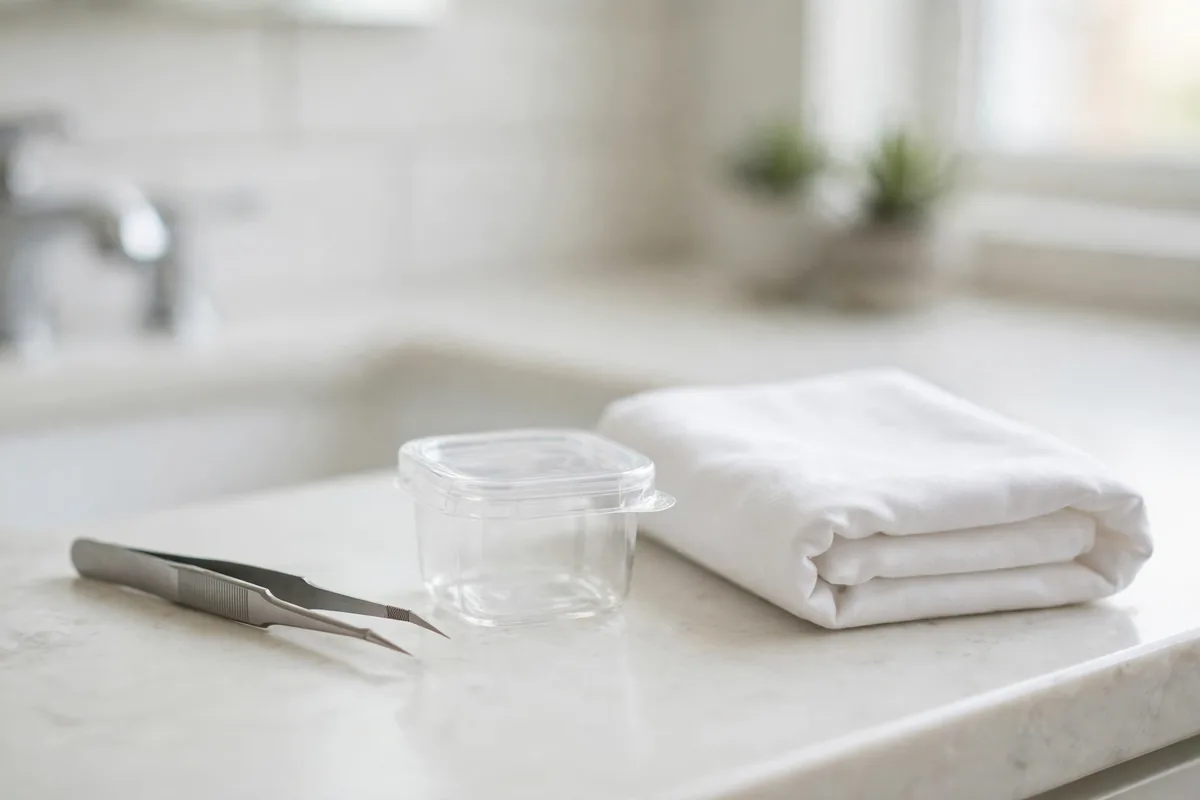
The first hour after removal is a good time to get organized, because a few small steps now will make the days ahead much easier. Write down the date and time you found the tick, note where on the elbow it was attached, and record how long you think it may have been there. If you saved the tick, label the container with the date. If you took a photo, keep it in a folder you can find later.
Save the Tick or Take a Photo #
Saving the tick or a clear photo gives your doctor useful information if symptoms appear later. Place the tick in a small sealed container or a zip top bag with a few drops of rubbing alcohol, and store it in a safe place out of reach of children and pets. A clear photo should show the size and shape of the tick, and a coin placed nearby can help show scale. You do not need to keep the tick forever, but keeping it for a few weeks is a sensible choice while you watch for symptoms.
Watch the Bite Area Closely #
Look at the bite area once or twice a day for the first week, and note any changes in redness, swelling, or tenderness. A small red bump right after removal is common and usually fades within a few days, so do not panic at a mild reaction. What matters is the trend over time, and a bite that gets worse instead of better deserves a call to the doctor. Taking a dated photo every day or two makes it easier to judge whether redness is spreading or shrinking.
When to Call the Doctor Right Away #
Call the doctor promptly if you could not remove the whole tick, if the bite area becomes very painful, or if you develop a fever, a spreading rash, or flu like body aches in the days or weeks after the bite. Also call if you notice a bullseye shaped rash, which is a red ring that spreads outward from the bite with a clearer area in the middle. People with a weak immune system, people who take medicine that lowers immunity, and parents of young children should call sooner rather than later when they are unsure. It is always better to ask early than to wait and worry.
Cleaning and Protecting the Bite #
Good cleaning keeps a small bite from turning into a bigger skin problem, and the elbow needs a little extra care because it bends all day. Every bend stretches the skin over the bite, and clothing can rub against it, so a clean and protected bite heals faster and feels more comfortable. Keep the routine simple and repeat it daily until the skin looks calm again.
Daily Cleaning Routine #
Wash the bite area gently with warm water and mild soap once or twice a day, and pat it dry with a clean towel instead of rubbing it. Rubbing can irritate the skin and slow healing, while gentle patting keeps the area clean without adding friction. After washing, you can clean the spot with rubbing alcohol if you like, and let it air dry for a minute before you cover it or put on a sleeve. Avoid harsh scrubs, strong antiseptic soaps, and scented lotions on the bite while it heals.
Covering the Bite on a Bending Joint #
A bandage on the elbow needs to flex, so choose a flexible fabric bandage that moves with the joint, and place it so it does not pull tight when you bend your arm. Change the bandage daily, or sooner if it gets wet or dirty, and let the skin breathe for a while between bandages when you are resting at home. If the bandage keeps slipping off, a light wrap of gauze with a small amount of medical tape can hold a pad in place without squeezing the joint. Keep the covering loose enough that blood flows freely and the skin stays comfortable.
What to Avoid While It Heals #
Do not scratch the bite, even when it itches, because scratching breaks the skin and invites bacteria in. Keep your fingernails short and clean while the bite heals, and wear a loose long sleeve over the elbow if you tend to scratch without thinking. Avoid swimming in lakes or rivers, hot tubs, and pools with strong chemicals until the skin has closed, and skip tight sleeves that press and rub on the bite all day. If redness, warmth, or pain increases after a few days instead of fading, call the doctor, because that pattern can point to a skin infection that needs care.
What to Expect in the First 24 Hours #

The first day after removal sets the tone for healing, and most tick bites on the elbow settle down quietly with basic care. A small red bump, mild tenderness, and a little itching are common in the first 24 hours, and they usually ease over the next few days. Knowing what is normal helps you stay calm, and knowing what is not normal helps you act fast when it matters.
Normal Reactions After Removal #
A red spot about the size of a small coin, slight swelling around the bite, and tenderness when you press or bend the elbow are all common early reactions. The skin may feel warm to the touch for a short time, and the itching may come and go. These reactions come from the bite itself and from the pulling during removal, and they should slowly improve day by day. If the redness stays the same size or shrinks, and the pain fades, the bite is healing as expected.
Reactions That Deserve a Closer Look #
Call the doctor if the redness spreads outward over the first day, if the swelling grows instead of shrinking, or if the pain becomes sharp or throbbing. A bite that feels hot, looks streaky, or starts to ooze fluid needs prompt attention, and so does a bite that develops a blister or an open sore. Fever, chills, or body aches within the first day are uncommon after a tick bite, so if they appear, do not wait to see if they pass on their own. Write down what you notice and when it started, because that timeline helps the doctor judge the situation.
Keeping a Simple Bite Diary #
A short daily note is one of the most useful tools you have after a tick bite, and it takes less than a minute. Each day, write the date, a one line note about redness and swelling, a note about pain or itching on a scale from mild to strong, and a note about how the elbow feels when you bend it. Add your temperature if you feel warm or unwell. This diary turns vague worry into clear facts, and if you need to call the doctor, you can read the trend aloud instead of guessing from memory.
Symptom Watch Over Days to Weeks #
A tick bite on the elbow needs a symptom watch that lasts for days to weeks, not just a day or two, because some reactions appear slowly. The bite itself may heal in a week, but a careful watch for fever, rash, and joint aches should continue for at least a month. Mark your calendar on the day of the bite, and check in with yourself each day so nothing slips past unnoticed.
What to Track Each Day #
Track the size and color of the bite area, your temperature if you feel warm, any rash that appears anywhere on the body, and any new aches in the elbow or other joints. Also note headaches, tiredness that feels out of proportion, neck stiffness, and muscle aches, because these general symptoms can appear alongside a bite reaction. A short note each evening is enough, and a photo of the bite every few days gives you a visual record to compare. If several mild symptoms appear together, that pattern matters more than any single symptom alone, so call the doctor and describe the full picture.
Fever, Rash, and Joint Aches #
Fever after a tick bite is a sign to take seriously, especially when it arrives with a rash or with aching joints. A rash that spreads outward from the bite, a ring shaped rash, or a rash that shows up on other parts of the body all deserve a prompt call to the doctor. Joint aches that settle in the elbow or move to other joints are also worth reporting, and stiffness that appears days after the bite should not be ignored. When you call, tell the doctor the date of the bite, how long the tick may have been attached, and the symptoms you have tracked so far, and follow the advice you receive.
When to Call the Doctor #
Call the doctor promptly if you develop a fever, a spreading rash, a ring shaped rash, swollen glands, ongoing headaches, or joint pain in the days or weeks after the bite. Also call if the bite area itself becomes more painful, more swollen, or more red after it had started to improve, because that change can point to an infection. Parents should call promptly for a child with any of these signs, and anyone with a weak immune system should call at the first sign of illness after a tick bite. Early care is simpler and more effective than late care, and a phone call costs nothing but a few minutes.
Easing Itching and Irritation #
Itching is one of the most annoying parts of a tick bite on the elbow, and it can last for days even after the bite starts to heal. The elbow moves constantly, so the skin over the bite gets stretched and rubbed, which can make the itch feel stronger. A few gentle habits can calm the itch without damaging the skin, and they work better when you start them early.
Cool Comfort and Gentle Care #
A cool damp cloth pressed against the bite for ten to fifteen minutes can soothe itching and calm mild swelling, and you can repeat this a few times a day. A cool shower or a brief soak of the arm in cool water can help too, and drying the skin gently afterward keeps it from getting irritated. Loose clothing over the elbow lets air reach the skin and reduces rubbing, and keeping the room cool at night can help you sleep without scratching. Avoid hot water on the bite, because heat tends to make itching worse.
Over the Counter Options #
Over the counter creams and oral products sold for insect bites can help with itching, and your pharmacist can suggest one that fits your situation. Follow the label directions exactly, and do not use more than the label allows or combine several products without asking a pharmacist or a doctor first. If you take other medicines, have a health condition, or are pregnant, ask a pharmacist or a doctor before using any new product, even one sold without a prescription. For children, use only products made for their age group, and follow the label directions for that age.
Habits That Keep Itching From Getting Worse #
Keep the skin around the bite moisturized with a plain, fragrance free moisturizer, because dry skin itches more than skin that is well hydrated. Avoid scented lotions, perfumes, and harsh soaps on the bite area, and wash new clothing before you wear it so dyes and finishes do not irritate the skin. If you catch yourself scratching, press a cool cloth on the spot instead, and keep a small cloth nearby during the day so the replacement habit is easy. Trimming your nails short reduces damage if you scratch in your sleep, and wearing a light sleeve at night can help too.
Judging Swelling on a Joint #
Swelling on the elbow is harder to judge than swelling on a flat area of skin, because the joint already changes shape as it bends and straightens. A little puffiness right after removal is common, but swelling that grows, feels tight, or limits movement needs a closer look. Learning to compare both elbows side by side gives you a reliable way to tell whether swelling is mild or worth a call.
Comparing Both Elbows #
Hold both arms out in front of you and look at the elbows side by side in a mirror, or ask someone to compare them for you. The bitten elbow may look slightly fuller or rounder than the other one, and the skin may look stretched or shiny over the swollen area. Feel both elbows gently with your fingertips, and note whether the bitten one feels warmer, firmer, or more tender than the other. A small difference that stays the same or shrinks over a few days is usually fine, while a difference that grows day by day deserves a call to the doctor.
Swelling That Needs Prompt Care #
Call the doctor promptly if the swelling spreads up the arm or down the forearm, if the elbow feels hot and very tender, or if the skin over the swelling turns bright red or develops streaks. Swelling that comes with a fever, swelling that makes the elbow hard to bend, and swelling that appears again after it had gone away are all reasons to seek care. A swollen joint that also aches deeply, even when you are resting, should be checked soon, because joint pain and swelling together are a pattern doctors want to hear about early.
Rest, Elevation, and Gentle Movement #
Resting the arm and keeping it slightly raised on a pillow can ease mild swelling, and a cool cloth on the elbow for short periods can help too. Avoid heavy lifting and hard work with that arm for a day or two, and skip activities that force the elbow to bend under strain. Gentle movement is still good, so bend and straighten the elbow slowly a few times each day to keep it from stiffening up, and stop if a movement causes sharp pain. If swelling does not improve within a few days, or if it keeps returning, call the doctor for advice.
Bending, Stiffness, and Movement #
The elbow is a hinge joint that you use for almost every task, from lifting a cup to opening a door, so even mild stiffness after a tick bite can feel disruptive. Most stiffness after a bite comes from swelling and tenderness in the skin and tissue around the joint, and it eases as the bite heals. Paying attention to how the elbow moves over the first week tells you whether healing is on track.
Testing Your Range of Motion #
Once a day, slowly bend the elbow as far as it goes comfortably, then straighten it fully, and note how far you can go and whether it hurts. Compare that movement with your other elbow, and write down any difference you notice. A small loss of movement that improves a little each day is common while the bite is tender, and it should return to normal as the swelling fades. If the elbow locks, catches, or refuses to bend past a certain point, stop testing it and call the doctor.
When Stiffness Is a Warning Sign #
Stiffness that appears days after the bite, stiffness that spreads to other joints, and stiffness that comes with fever or a rash should all be reported to the doctor promptly. Joint stiffness that gets worse instead of better over a week is also a reason to seek care, especially when the bite area still looks red or swollen. Children may show stiffness by avoiding use of the arm or by crying when the elbow is moved, so watch how a child uses the arm during play and daily tasks. A doctor can judge whether the stiffness is a simple reaction or something that needs further care.
Gentle Exercises That Help #
Slow, gentle bends and straightening movements a few times a day keep the joint from stiffening while the bite heals, and they should never be forced or painful. Warm water on the elbow before you move it can loosen the joint a little, and a cool cloth afterward can calm any mild swelling that follows. Avoid heavy lifting, push ups, and sports that strain the elbow until the bite feels comfortable again, and build back to normal activity gradually. If an exercise causes sharp pain or new swelling, stop and rest the arm, and call the doctor if the pain does not settle.
Warning Signs That Need Prompt Care #
Most tick bites on the elbow heal without trouble, but a small number develop warning signs that need prompt medical care. Knowing these signs in advance means you can act quickly instead of waiting and wondering. Read this section once now, and keep it in mind during the weeks after the bite.
Call 911 for Severe Allergic Symptoms #
Call 911 right away if you notice trouble breathing, swelling of the face, lips, or tongue, a feeling of tightness in the throat, dizziness, fainting, or a fast spreading rash with hives after a tick bite. These are signs of a severe allergic reaction, and they need emergency care without delay. Do not drive yourself to care if you feel dizzy or short of breath, and ask someone nearby to stay with you until help arrives. If you have an allergy action plan from your doctor, follow it while you wait for emergency help.
Call the Doctor Promptly for These Signs #
Call the doctor promptly if you develop a fever, chills, a spreading red rash, a ring shaped rash, swollen glands, a severe headache, neck stiffness, muscle aches, or joint pain in the days or weeks after the bite. Also call if the bite area becomes very red, hot, swollen, or painful, if it starts to ooze fluid, or if a red streak spreads outward from the bite. These signs can point to an infection or to an illness linked to the bite, and early care makes treatment simpler. When you call, have your bite diary and the date of the bite ready to share.
Signs in Children and Older Adults #
Children and older adults may show warning signs differently, so watch them a little more closely after a tick bite. A child may become unusually sleepy, lose interest in play, complain of a headache or a sore elbow, or develop a fever that does not settle. An older adult may feel confused, unusually tired, or unsteady on their feet. If you care for a child or an older adult who had a tick bite, check on them daily for the first few weeks, and call the doctor promptly if their behavior or energy changes in a way that worries you.
What to Expect Over the Next Few Weeks #
Healing after a tick bite on the elbow follows a rough timeline, and most bites settle quietly within a few weeks. The bite mark itself may linger longer than the itching or swelling, and that is normal. Use the timeline table below as a guide, and remember that every person heals at a slightly different pace.
The Healing Timeline #
| Time After the Bite | What Is Common | When to Act |
|---|---|---|
| First few hours | Small red bump, mild tenderness, slight itching | Clean the bite and save the tick or a photo |
| Day 1 to 3 | Redness and swelling peak, then start to fade | Call the doctor if redness spreads or pain grows |
| Day 4 to 7 | Itching eases, the bump shrinks, bending feels easier | Call the doctor if the bite reopens or oozes |
| Week 2 | The bite mark fades to a faint spot, skin feels normal | Call the doctor if a new rash or fever appears |
| Week 3 to 4 | The mark may still be faintly visible, movement is normal | Call the doctor if joint aches or tiredness start |
| After one month | The skin usually looks normal again | Keep the record, and call the doctor about any late symptom |
Why the Mark Can Linger #
A small dark or pink mark can stay on the elbow for several weeks after the bite has healed, and this is common on joints where the skin is thicker and moves often. The mark should slowly fade, and it should not grow, hurt, or itch strongly once the first week has passed. If the mark grows, changes color sharply, or becomes painful again after it had settled, call the doctor and describe the change. A dated photo every week makes it easy to see whether the mark is fading or changing.
Keeping Records Until the Watch Ends #
Keep your bite diary, your photos, and the saved tick or its photo until at least a month has passed since the bite, and keep them longer if any symptom appeared. If you visit a doctor for any reason during that month, mention the tick bite and show your notes, because the timing may matter for the visit. Once the watch period ends and the skin looks normal, you can file the record away and return to your normal routine, and you will have a clear record if a question ever comes up later.
Tick or Scab or Mole: Telling the Difference #
A tick on the elbow is easy to confuse with a scab or a mole, and the confusion matters because a tick needs to come out while a scab and a mole should be left alone. The three look similar at a glance, but they feel and behave differently when you look closely. Learning the differences helps you act correctly and avoid picking at skin that should be left to heal.
How a Tick Looks and Feels #
A tick has a smooth, rounded body that feels firm and slightly raised, and it stays attached in one spot even when you wash the area gently. Larger ticks may show tiny legs if you look closely, and the body may look darker or shinier than the skin around it. A tick does not flake off, peel away, or wash off with soap and water, and it may grow slightly larger over time if it stays attached. If the spot appeared after time outdoors and it will not brush or wash away, treat it as a possible tick.
How a Scab Looks and Feels #
A scab forms over a cut or a scratch, and it feels dry, rough, and crusty to the touch. It usually sits on skin that you remember injuring, even if the injury was small, and it may flake or peel at the edges as it heals. A scab can be picked off, although you should not pick it, and the skin underneath looks pink and new. If you remember bumping or scratching your elbow recently, a scab is a likely answer, but when you are unsure, a photo and a closer look can help you decide.
How a Mole Looks and Feels #
A mole is a flat or slightly raised spot that has been on the skin for a long time, and it usually has a smooth surface and an even color. Moles do not appear suddenly after a walk, they do not move, and they do not fall off or change size quickly. A new dark spot that appeared suddenly after time outdoors is unlikely to be a mole, and it deserves a closer look as a possible tick. If you find a spot that looks like a mole but you do not remember it being there before, take a photo and watch it, and ask a doctor if it changes or if you are unsure.
Tick Compared With Scab and Mole #
| Feature | Tick | Scab | Mole |
|---|---|---|---|
| Appears | Suddenly, after time outdoors | After a cut or scratch | Present for a long time |
| Surface | Smooth, firm, slightly shiny | Dry, rough, crusty | Smooth, even color |
| Legs visible | Sometimes, on closer look | Never | Never |
| Washes off | No, stays attached | May flake at the edges | No, part of the skin |
| Changes over days | May grow slightly larger | Shrinks as it heals | Stays the same |
| Right action | Remove safely with tweezers | Leave alone to heal | Leave alone, watch for change |
Preventing the Next Elbow Tick Bite #
Prevention is easier than removal, and a few habits before and after outdoor time can keep ticks off your elbows. The routine takes only a few minutes, and it protects the whole body, not just the arms. Build it into every walk, hike, and garden session, and teach it to children who play outside too.
Dressing for Outdoor Time #
Wear long sleeves and tuck them into gloves or use cuffs that fit snugly at the wrist, so ticks cannot slip under the fabric and climb toward the elbow. Light colored clothing makes ticks easier to spot before they reach the skin, and smooth fabrics give them less to grip. Tuck your shirt into your pants and your pants into your socks or boots when you walk through tall grass or brush, and check your sleeves and cuffs when you pause during a walk. For more on how insects reach skin through clothing, see this guide on whether bed bugs can bite through clothes.
Repellents and Yard Habits #
Use an insect repellent made for ticks, and follow the label directions for how to apply it and how often to reapply. Apply repellent to clothing and exposed skin as the label directs, and wash it off when you come indoors. Keep your yard tidy by mowing grass short, clearing leaf litter, and trimming shrubs away from paths and play areas, because ticks prefer damp, shaded spots with plenty of cover. Stack firewood neatly and keep it off the ground, and create a dry, sunny border between wooded areas and your lawn when you can.
The Post Hike Full Body Check Routine #
After every hike, garden session, or walk through grass and brush, do a full body check before you sit down indoors, and make the elbow crease part of that routine every time. Start at the head and work down, checking the scalp, ears, neck, armpits, waistband line, groin area, backs of the knees, and the elbow creases, and use a mirror or a partner for the spots you cannot see. Bend each elbow slowly and look into the crease, then check the skin above and below it and the sleeve cuff line. Shake out clothing outside before you bring it indoors, and tumble dry clothes on high heat for a short time when the label allows, because heat kills ticks that may be hiding in fabric.
Frequently Asked Questions #
How long can a tick stay on the elbow before I notice it? #
A tick can stay attached to the elbow for hours or even a day or more before you notice it, especially if it settles inside the elbow crease where it is hard to see. The crease hides small ticks well, and a tick that attaches while you are outdoors may not cause itching right away. This is why a mirror check of the elbow crease after every walk or garden session matters so much. Finding and removing a tick early is always better than finding it late, so build the check into your routine and do it the same day you spend time outside.
Should I remove a tick on my elbow myself or go to a doctor? #
Most ticks on the elbow can be removed safely at home with fine tipped tweezers, steady pressure, and proper cleaning afterward, and you do not need a doctor for the removal itself. Go to a doctor if you cannot remove the whole tick, if the mouthparts stay in the skin, if the bite becomes very painful or swollen, or if you develop a fever, a spreading rash, or joint aches in the days or weeks after the bite. Parents of young children and people with a weak immune system should call sooner when they are unsure. If you feel calm and you have clean tweezers, home removal is fine, and a call to the doctor is always the right next step when anything worries you.
What if the head or mouthparts stay in the skin after I pull the tick out? #
If the mouthparts stay in the skin, try once more with clean fine tipped tweezers, grasping as close to the skin as you can and pulling with steady pressure. If they will not come out, clean the area well with soap and water and rubbing alcohol, and call your doctor for advice. Do not dig at the skin with a needle, a pin, or any sharp object, because digging can push bacteria deeper and cause more irritation. The body often pushes out small leftover parts on its own over a few days, but a doctor should know about it so the bite can be watched properly.
How do I know if the redness around the bite is normal or a problem? #
A small red bump that stays the same size or slowly shrinks over a few days is a normal reaction, and mild itching and tenderness around it are common too. Redness that spreads outward day by day, redness that forms a ring shape, or redness that comes with fever, warmth, and increasing pain is a problem that needs a prompt call to the doctor. Taking a dated photo each day makes the trend easy to see, and comparing the bite with your notes helps you describe the change clearly when you call. When you are unsure, it is always better to call and ask than to wait.
Can a tick bite on the elbow cause joint pain? #
Joint pain can appear after a tick bite, and the elbow itself may ache or feel stiff, or pain may show up in other joints days or weeks later. Mild soreness right at the bite is common and usually fades as the bite heals, but deeper joint pain, stiffness that spreads, or pain that appears well after the bite has healed should be reported to the doctor promptly. Tell the doctor the date of the bite, how long the tick may have been attached, and which joints hurt, and keep a note of when the pain started and whether it comes and goes. Early care matters, so do not wait to see if joint pain passes on its own.
Is it safe to bend my elbow normally after a tick bite? #
Yes, gentle normal bending is safe and even helpful, because slow movement keeps the joint from stiffening while the bite heals. Bend and straighten the elbow slowly a few times each day, and stop if a movement causes sharp pain. Avoid heavy lifting, sports that strain the elbow, and hard work with that arm for a day or two after removal, and build back to normal activity gradually. If bending becomes harder over several days, or if the elbow locks or catches, call the doctor and describe what you feel.
What should I do if my child has a tick on the elbow? #
Stay calm, because your child will take cues from you, and explain in simple words that you are going to take a small bug off the arm. Remove the tick with clean fine tipped tweezers using the same steady steps in this guide, clean the bite well, and save the tick or take a clear photo of it. Watch your child closely for the next few weeks, and call the doctor promptly if a fever, a rash, unusual tiredness, or joint pain appears. For guidance on first aid steps for bites on young children, see this guide on spider bite on baby first aid. Keep the bite diary for your child, and note how the arm moves during play so you can spot stiffness early.
How long should I watch for symptoms after a tick bite on the elbow? #
Watch for symptoms for at least a month after the bite, because some reactions appear slowly over days to weeks. Check the bite area daily for the first week, and check in with yourself each day after that for fever, rash, headaches, tiredness, and joint aches. Keep your bite diary and photos until the month has passed, and mention the bite at any doctor visit during that time. If any symptom appears, even late in the month, call the doctor and describe the bite and the timeline. A month of watchfulness is a small effort for real peace of mind.
Can I shower or swim after a tick bite on the elbow? #
Showering is fine, and gentle washing with warm water and mild soap is part of good bite care. Pat the bite dry afterward instead of rubbing it, and let it air dry for a minute before you cover it. Avoid swimming in lakes, rivers, hot tubs, and pools until the skin has closed and the bite looks calm, because untreated water and strong pool chemicals can irritate an open bite. If the bite has a bandage on it, change the bandage after a shower or a swim, and clean the area again before you put on a fresh one.
Do I need to keep the tick after I remove it? #
Keeping the tick or a clear photo of it is a good idea, because it gives your doctor useful information if symptoms appear later. Place the tick in a small sealed container or a zip top bag with a few drops of rubbing alcohol, label it with the date, and store it safely out of reach of children and pets. A clear photo should show the size and shape of the tick, and a coin nearby can help show scale. Keep the tick or the photo for a few weeks while you watch for symptoms, and bring it to a doctor visit if you are asked to show it.
Medical Disclaimer #
This guide is for general information only, and it is not a substitute for professional medical advice, diagnosis, or treatment. Every tick bite is different, and only a doctor who can see the bite and hear your full history can judge what care you need. If you are worried about a tick bite, if symptoms appear, or if you are unsure about any step in this guide, contact your doctor or another qualified health professional promptly. In an emergency, call 911 right away. Do not delay seeking care because of something you read here, and follow the advice of your own doctor over any general information in this guide.


