
Most mosquito bites are just itchy nuisances, but in late summer the question of West Nile virus comes up every year. Here is the reassuring core of it: the large majority of people infected never feel sick at all. West Nile virus after mosquito bite exposure follows a typical timeline of 3 to 14 days before any symptoms appear — and knowing which symptoms matter helps you act calmly and correctly. This quick-reference guide covers the symptom timeline, the warning signs of severe illness, and practical steps to lower your risk during mosquito season.
The typical timeline after a bite #
West Nile virus spreads through the bite of an infected mosquito, most often Culex species that feed on birds and then people. After an infectious bite, symptoms — when they occur at all — typically begin 3 to 14 days later, according to the CDC. There is nothing to do during this window except watch: the bite itself looks like any other mosquito bite, and no home test or early treatment changes the course.
About 80 percent of infected people never develop any symptoms. Roughly 20 percent develop a mild febrile illness, and fewer than 1 percent develop severe neuroinvasive disease such as encephalitis or meningitis. Those proportions matter because they put the risk in perspective: infection is not rare during outbreak years, but illness — especially serious illness — is uncommon. People over 60 and those with weakened immune systems face higher risk of severe disease, which is worth knowing without becoming alarmed. Local health departments track West Nile activity through mosquito testing and reported cases, so checking your county’s alerts during late summer gives a realistic picture of current local risk.
Mild illness vs severe illness #
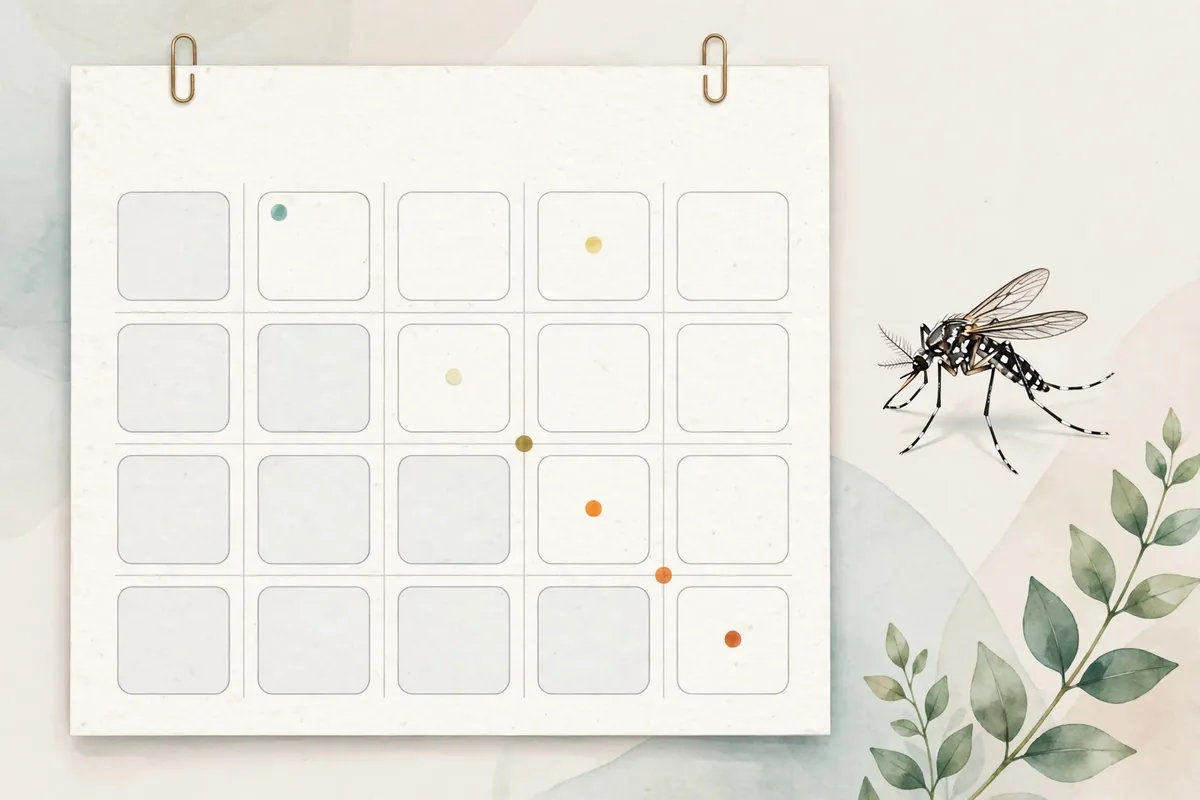
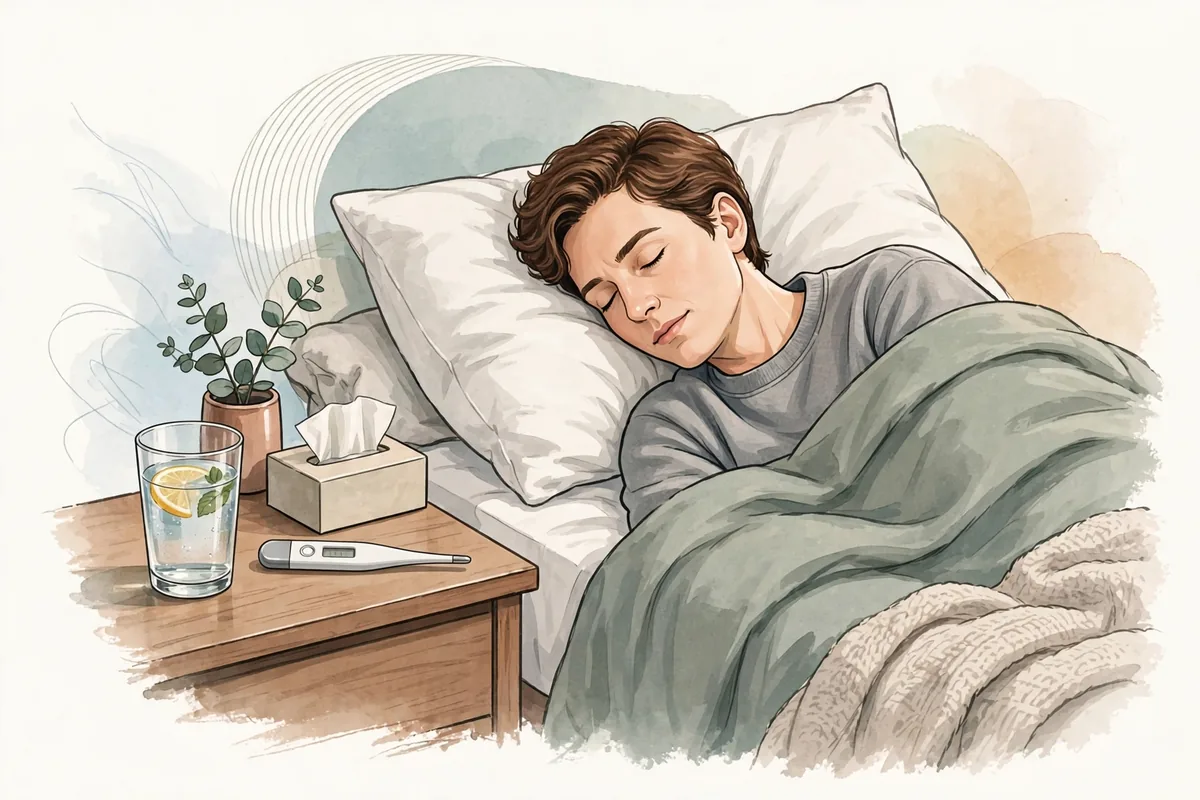
When symptoms do appear, the mild form — sometimes called West Nile fever — looks like a nondescript summer flu: fever, headache, body aches, joint pain, fatigue, and sometimes a skin rash or swollen lymph glands. It typically resolves on its own over days to weeks, though fatigue can linger and some people report feeling run-down for a month or more. There is no specific antiviral treatment; care focuses on rest, fluids, and symptom relief guided by a clinician or pharmacist.
Severe disease is a different story and needs emergency care. Warning signs include severe headache, high fever, stiff neck, confusion or disorientation, muscle weakness, vision problems, numbness, or seizures — signs the infection may have reached the nervous system. These symptoms can develop rapidly, and they are the reason this illness deserves respect despite its usually mild course. Older adults should be especially alert: the risk of neuroinvasive disease climbs with age, so a severe headache or confusion in someone over 60 during mosquito season should never be brushed off as just a bad flu. Do not try to tough out a severe headache with neck stiffness after mosquito exposure during outbreak season; get evaluated promptly. For a fuller picture of the illness, the West Nile virus article covers identification and FAQs in more depth.
Protecting yourself during mosquito season #
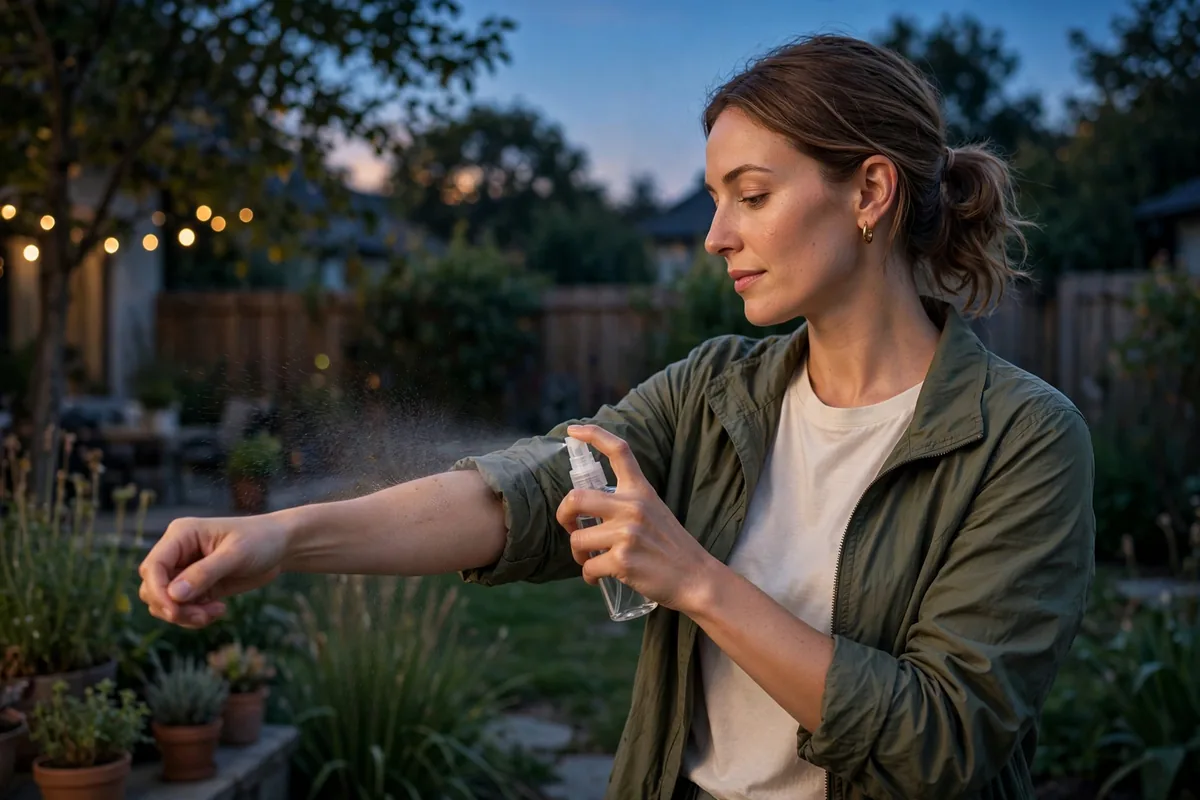
West Nile risk peaks in late summer and early fall, when mosquito populations are high and the virus has had the season to amplify in birds. The standard defenses work: use an EPA-registered repellent (DEET, picaridin, or oil of lemon eucalyptus) according to label directions, wear long sleeves and pants at dusk and dawn when Culex mosquitoes feed most actively, and keep window screens repaired.
Around the home, dump standing water weekly — birdbaths, saucers, gutters, buckets — since Culex mosquitoes breed in stagnant water, including the grimy, organic-rich water other species avoid. Keep grass trimmed and shrubs thinned, because adult mosquitoes rest in dense vegetation during the day. Communities with active surveillance often spray or larvicide in response to positive mosquito pools; local health department alerts during outbreak years are worth heeding. These habits also reduce bites overall, which you can track with the general bite and sting warning signs guide for knowing when any bite needs a clinician’s eyes.
Warning signs: when to seek care #
Call 911 immediately for severe headache with stiff neck, confusion or disorientation, muscle weakness, vision changes, numbness, seizures, or difficulty breathing. These can signal neuroinvasive West Nile disease and need emergency evaluation without delay.
See a doctor promptly if you develop fever, body aches, rash, or swollen glands within two weeks of mosquito bites during late summer or fall, especially if you are over 60 or immunocompromised — mention the mosquito exposure and the timing. For ordinary itchy welts without systemic symptoms, no medical visit is needed; treat the bite like any other mosquito bite, keep an eye on the bite site for the next day or two, and simply stay aware of how you feel over the following two weeks.
Frequently asked questions #
Can you tell from the bite itself whether it carried West Nile? #
No. An infectious bite looks identical to any other mosquito bite — a small itchy welt. There is no visual clue, and trying to judge risk by the bite’s appearance is not possible. Risk assessment comes from timing (late summer/fall), local health department reports of virus activity, and whether symptoms develop in the 3-14 day window.
How is West Nile virus diagnosed? #
Through blood or spinal-fluid testing ordered by a clinician, usually when symptoms suggest it. There is no home test. If you develop a febrile illness with headache and body aches within two weeks of bites during mosquito season, tell your doctor about the exposure — the history helps them decide whether testing is warranted.
Is West Nile contagious from person to person? #
No. It spreads through mosquito bites, not through coughing, touching, or caring for a sick person. Standard precautions around the ill person are about comfort, not contagion. The public-health concern is mosquitoes, which is why bite prevention protects both you and your community.
Can you get West Nile virus twice? #
Reinfection appears to be rare; infection is thought to confer lasting immunity in most people, though the evidence base is limited. Regardless, the practical advice does not change: keep preventing bites every season, since mosquitoes carry other concerns too.
Medical and editorial note #
This guide provides general information about West Nile virus signs and timing for awareness purposes only — it is not medical advice and cannot diagnose you. Most infections cause no symptoms, but severe disease is a medical emergency. If you develop concerning symptoms after mosquito bites, contact a healthcare professional promptly, and call emergency services for any neurological symptoms.


