
An itchy red rash that appeared out of nowhere on a crisp fall day may have a surprising source: oak mite bites fall rash episodes happen when invisible oak leaf itch mites rain down from oak trees in late summer and fall. The good news is these bites are not contagious, they usually clear on their own within a few days to two weeks, and a few simple steps can calm the itch.
What Oak Mites Are and Why They Fall on You #
The culprit is the oak leaf itch mite (Pyemotes herfsi), a pinhead-sized mite that lives in oak tree canopies. You will almost never see one — the mites are effectively invisible without magnification, and the bite itself is usually painless, so victims rarely notice the actual bite happening. They become most active in late summer and into fall, which is why complaints cluster in autumn.
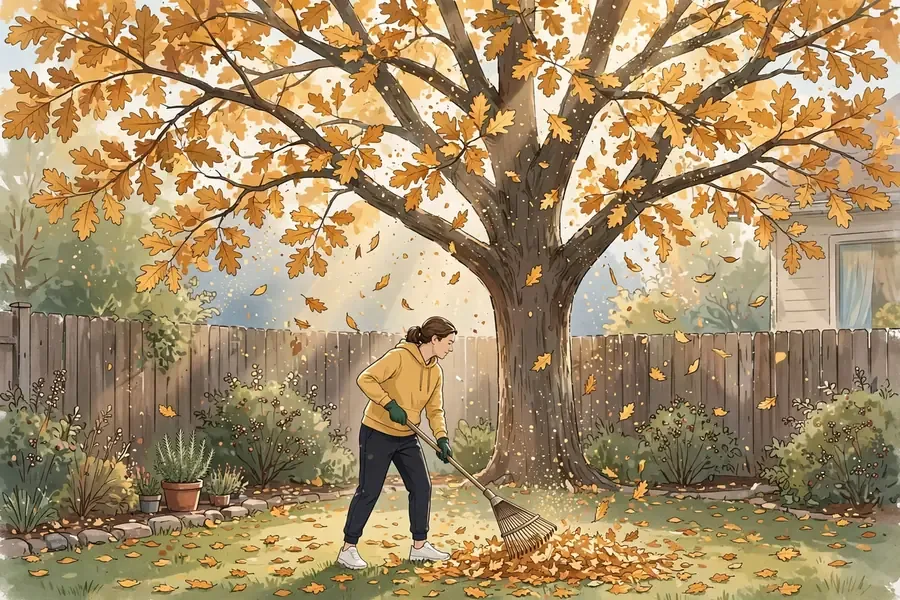
Oak leaf itch mites feed on insect larvae in oak tree galls, and when those food sources run low — typically in late summer — large numbers of mites drop from the canopy. Anything below the tree is fair game: gardeners raking leaves, kids playing in the yard, people sitting on a patio under oak branches. Because the mites drift down like dust, the bites often appear on skin that was exposed overhead, including the neck, shoulders, arms, and face.
One reassuring fact: oak mite bites are not contagious. You cannot catch the rash from another person, and the mites do not infest homes the way bed bugs or fleas do. They fall, bite, and die off — they do not reproduce on human skin. That also means the rash is self-limiting: once you are out from under the tree and the itch is managed, the episode is over.
What the Fall Rash Looks Like #
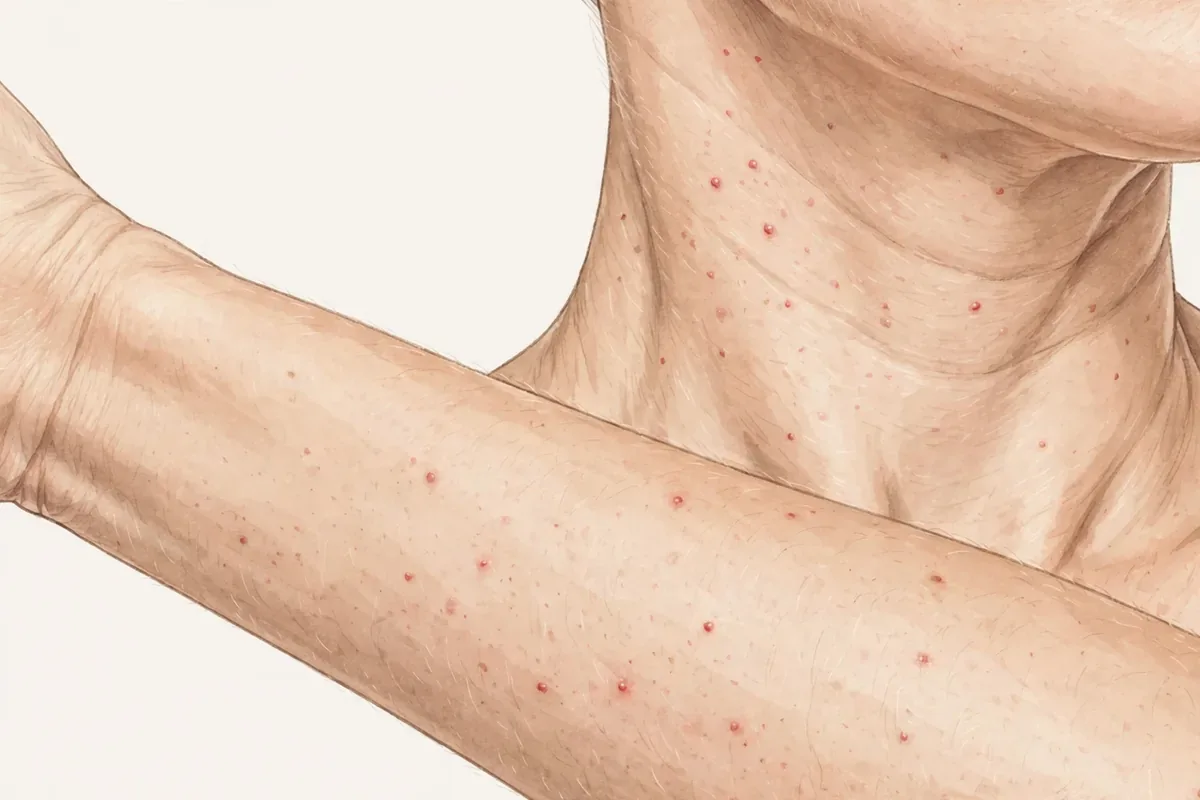
Oak mite bites usually show up as small, red, itchy bumps scattered across the skin. They often appear in loose clusters rather than tidy lines, and many people describe them as looking like tiny mosquito bites that itch far more than expected. Bites can take several hours to appear, so you may wake up itchy the morning after an afternoon spent under an oak tree.
The distribution is a helpful clue. Because mites fall from above, the neck, upper back, shoulders, and forearms are classic spots — areas that were uncovered and facing the sky. Bites under tight clothing bands (waistbands, sock lines) are more characteristic of chiggers, not oak mites.
How long does it last? The rash typically heals within a few days to about two weeks, depending on how many bites you received and how much you scratch. Scratching does not spread the rash, but it can break the skin and invite a secondary bacterial infection — which is the main reason to keep the itch under control. If a previously improving bite starts getting more painful, swollen, or pus-filled, that is a sign to get it checked (see the warning signs section below).
First Aid: Calming the Itch Fast #
Start with the basics: a cool shower and gentle washing of the skin. This removes any mites still on your skin and soothes inflammation. For ongoing relief, work through this short checklist.
- Cool it down. Apply a cold compress or a cool damp cloth to itchy areas for 10 to 15 minutes at a time, a few times a day. Cold temporarily numbs nerve endings and slows the itch cycle.
- Calm the reaction. An oral antihistamine, taken per label directions, can take the edge off intense itching, especially at night when scratching is most likely. For adults, the label of a non-drowsy daytime antihistamine usually suits daytime use; check with your pharmacist if you take other medications.
- Soothe the skin. A thin layer of 1% hydrocortisone cream on the most itchy bumps can reduce redness and swelling. Calamine lotion is another classic option that dries and cools the skin.
- Keep nails short and hands busy. The single most effective “treatment” is simply not scratching. Loose cotton clothing over the affected area, cool oatmeal soaks, and keeping busy all help break the itch-scratch loop.
- Watch the clock. Improvement should begin within a day or two of starting care, even if full resolution takes longer. If itching is getting worse instead of better after two or three days, consider calling your clinician for advice — they may suggest a stronger prescription-strength option.
For more itch-relief ideas that work on many bite types, see our guide on how to reduce bite itching.
Do This, Not That: Bite Care Mistakes #
When you are itchy and frustrated, it is easy to make the problem worse. Here is a quick correction sheet.
- Do wash the skin; don’t scrub it raw. Gentle cleansing is enough. Abrasive scrubbing irritates already inflamed skin and raises the risk of infection.
- Do use cool compresses; don’t use very hot water. Hot showers feel good for about a minute, then trigger a rebound itch that is worse than before.
- Do let bites breathe; don’t smear on random home remedies. Unproven pastes and essential oils applied directly to broken skin can cause contact irritation. Stick with products made for itchy skin.
- Do change out of exposed clothing and wash it; don’t assume the mites stayed outside. Mites on clothing can bite again later. A hot dryer cycle on washed clothes finishes the job.
- Do trim kids’ fingernails; don’t bandage every bite. Small adhesive bandages on the worst spots can stop nighttime scratching, but sealing dozens of bites under tape can irritate the skin.
- Do track new bites; don’t panic over slow fading. Red marks can linger for a week or two after the itch stops. That is normal healing, not a new problem.
Resist the urge to scratch or squeeze the bumps — the same advice applies to almost every insect bite. Our guide on why you shouldn’t scratch or squeeze a bite explains what happens under the skin when you do.
Keeping Oak Mites Off You #
You cannot spray the mites away from a whole tree canopy, but you can sharply reduce your exposure during the risky weeks of late summer and fall.
- Cover up under oaks. Long sleeves, pants, and a hat or hood make it much harder for drifting mites to reach skin. Tuck in shirts if you will be raking leaves.
- Shower and change clothes after yard work. Mites can linger on skin and fabric. A quick shower and a change of clothes — with the worn clothes going straight into the wash — ends the exposure.
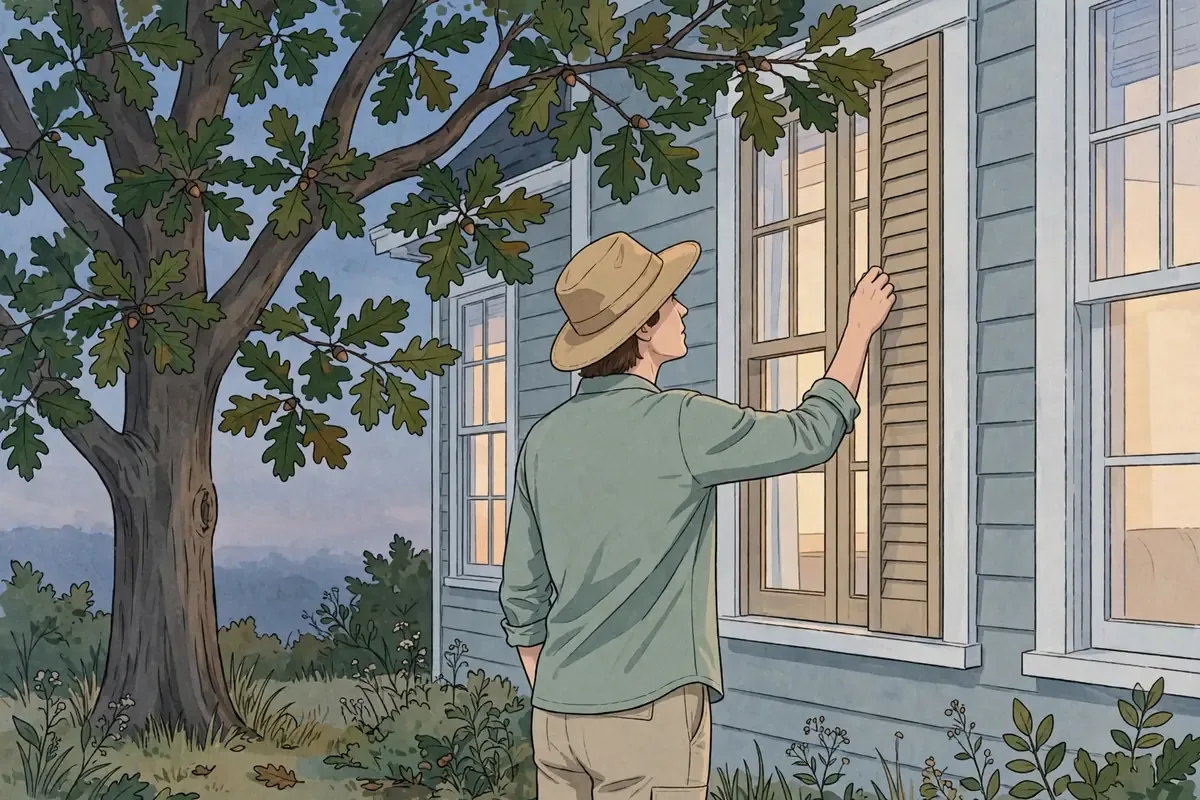
- Keep windows near oak trees closed during peak mite weeks, especially when you can see leaves falling heavily.
- Time your yard work. Avoid lingering under oak trees on windy days, when falling mites drift widest.
- Skip the insecticide fantasy. Yard-wide mite treatments are generally impractical and unnecessary for a pest that does not infest your home. Physical barriers and hygiene work better.
Warning signs: when to seek care #
Call 911 immediately if you develop trouble breathing or swallowing, swelling of the face, lips, tongue, or throat, widespread hives, dizziness or fainting, or a racing heartbeat after any insect exposure. If you have an epinephrine auto-injector, use it at the first sign of a severe reaction.
Outside of those emergencies, get prompt medical care if bites show signs of infection: increasing pain or swelling after the first day or two, spreading redness, red streaks moving away from the bite, warmth, pus, or fever. Also call your doctor if the rash is not improving after about two weeks, if it covers a very large area, or if the itching is so severe it is disrupting sleep despite treatment.
Frequently asked questions #
Can you see oak mites? #
Effectively no. Oak leaf itch mites are a fraction of a millimeter long and invisible to the naked eye. If you can clearly see the insect, it is not an oak mite — and the bite may have another cause worth investigating.
Are oak mite bites contagious? #
No. The rash does not spread from person to person, and the mites do not colonize human skin or bedding. You can share a bed, towels, and clothing without passing the rash to anyone else.
How long does an oak mite rash last? #
Most cases resolve within a few days to about two weeks. Scratching, which delays healing and invites infection, is the main reason some cases drag on. Consistent itch control is the fastest path to clear skin.
Do oak mite bites leave scars? #
They usually fade completely once healed. Picking or scratching bites open can leave dark marks or small scars, which is another reason to manage the itch rather than fight it with your fingernails.
Medical and editorial note #
This guide is general information about oak mite bites, not medical advice. Skin rashes can have many causes, and what looks like mite bites may be something else entirely. If you are unsure of the cause, if symptoms are severe, or if anything worries you, see a healthcare professional for an in-person evaluation.


