
The fear is ancient: a pincer-tailed insect climbs into your ear while you sleep, burrows in, and worse. It is the kind of story that makes your scalp itch just hearing it. So — do earwigs crawl in ears? No. Earwigs do not seek out ears. The myth comes from the insect’s Old English name, not from anything the insect actually does. Below is what earwigs really are, why the rumor stuck, and what to do if any bug ever does end up in your ear.
Where the Earwig Myth Comes From #
The word “earwig” comes from the Old English ēar-wicga — roughly “ear insect” — a name rooted in medieval superstition, not observation. Folklore held that the insect crawled into the ears of sleeping people to burrow into the brain and lay eggs, a nightmare image with no basis in reality.
Why did it stick? Two things helped. Earwigs love tight, dark, damp hiding spots, so people found them in cracks, boxes, and pantries — places close to human life. And their rear pincers (cerci) look intimidating, which made the scary story easy to believe. The superstition eventually collapsed under actual observation: earwigs are garden scavengers, not ear-seekers. They lay their eggs in soil and under rocks, not inside people. The name just never got a rebrand.
What Earwigs Actually Do Around People #
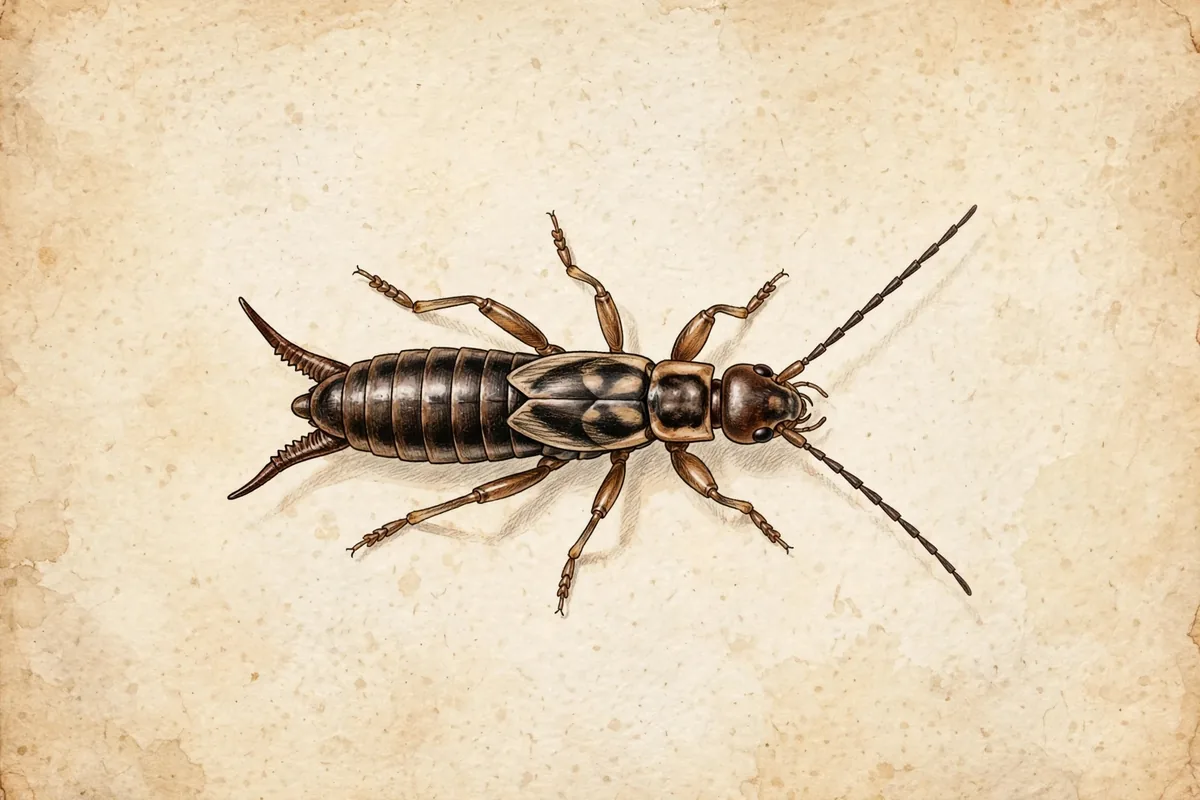
Earwigs are nocturnal insects that feed on decaying plant matter, algae, and other small insects. They hide during the day in moist, sheltered spots — under mulch, inside damp cardboard, beneath stepping stones — and that habit sometimes brings them indoors through tiny cracks, especially in basements and ground-floor rooms.
Here is the reassuring part. Earwigs have no venom. They spread no disease to people, pets, or homes. They do not bite humans. The pincers on their rear end are mostly for defense against other insects, and on a person they can deliver only a small pinch — more startling than painful, like a tiny squeeze from dull tweezers. If one runs across your hand, brush it off calmly. You have more to worry about from the scare it gives you than from the insect itself.
What to Do If a Bug Gets in Your Ear #
Any small insect can occasionally wander into an ear canal — earwigs included, in the same way a fly or gnat might. It is not a habit of earwigs, but if it happens to you, stay calm and follow these steps.
- Stay still and resist poking. Do not reach in with a cotton swab, tweezers, or a finger. Probing pushes the insect deeper and can scratch the canal.
- Tilt your head. Tip your head with the affected ear facing upward. Sometimes the insect crawls back out on its own, especially if it is still moving.
- Try a gentle flush. Warm (not hot) oil — such as mineral oil — poured carefully into the ear can immobilize a live insect. This is only for people who are sure they do not have a perforated eardrum, ear tubes, or a known ear injury.
- Let a professional finish the job. An urgent care clinic or your doctor can remove the insect quickly and safely and check the canal for damage. That is the right move if the bug does not come out, or if you are not comfortable trying the steps above.
See a clinician promptly if you have severe ear pain, bleeding, drainage, dizziness, or a noticeable drop in hearing after the insect is out. These signs call for medical evaluation rather than more home attempts.
Keeping Earwigs Out of Your Home #

You cannot reason with an earwig, but you can make your home unappealing to it.
- Dry things out. Fix leaky pipes and faucets, improve drainage near the foundation, and run a dehumidifier in damp basements. Moisture is the single biggest earwig magnet.
- Seal entry points. Caulk cracks around windows, doors, and the foundation, and check that door sweeps and screens are intact.
- Tidy the yard. Move mulch, leaf litter, and stacked wood away from the house walls. Piles of damp organic material next to the foundation are earwig headquarters.
- Skip the chemical war. For the occasional indoor wanderer, a rolled newspaper trap left overnight in a damp corner works — earwigs crawl in to hide, and you carry the whole roll outside in the morning. If you are seeing many of them, a pest control professional can help without guesswork.
For broader seasonal protection, an outdoor bite prevention checklist covers the yard-level steps that reduce many insect encounters at once.
Warning signs: when to seek care #
Call 911 or emergency services right away if you have trouble breathing or swallowing, swelling of the face, lips, tongue, or throat, widespread hives, dizziness or fainting, or a racing heartbeat. These can signal a severe allergic reaction. If you carry an epinephrine auto-injector for a known insect allergy, use it as directed — and still call 911.
Earwigs themselves do not trigger the allergic reactions people associate with stinging insects, but any situation involving a foreign object in the ear deserves attention. Visit urgent care or your doctor if a bug got into your ear and does not come out easily, or if you develop severe ear pain, bleeding, fluid draining from the ear, dizziness, or hearing loss. Do not attempt repeated home removals if the first try fails — the ear canal is delicate, and a clinician’s tools solve the problem in minutes. For a full refresher on when bite and sting symptoms become urgent, keep that guide handy.
Frequently asked questions #

Do earwigs bite humans? #
No. Earwigs do not bite people. What looks like a bite is usually the small pinch from their rear cerci, which is a defensive tool they use against other insects. It may startle you, but it does not break the skin the way a real bite would.
Are earwigs venomous or dangerous? #
Earwigs have no venom and spread no disease. They are a nuisance pest — annoying in the home, occasionally damaging to seedlings and soft fruit in the garden — but they are not a danger to people or pets.
Could an earwig really end up in my ear? #
There is no habit or behavior that draws earwigs to ears. In the extremely unlikely event that any small insect wanders into an ear canal, the removal steps above apply. It is a freak accident, not something earwigs do on purpose.
What do earwigs eat? #
They are scavengers and opportunists. In the garden they eat decaying plant material, algae, fungi, and other insects — including some garden pests, which makes them mildly helpful outdoors. Indoors they may nibble houseplants or sample sweet, oily, or greasy crumbs.
Medical and editorial note #
This article is general information about earwigs and ear-related first aid. It is not medical advice and does not replace care from a qualified healthcare professional. Everyone’s situation is different, and the information here cannot account for your health history, medications, or allergies. If an insect gets into your ear and does not come out, or if you develop pain, bleeding, dizziness, or hearing changes, contact your doctor or visit urgent care.


