
Yes — do bed bugs bite during the day is a question with a yes answer, even though these pests are famous night feeders. Bed bugs strongly prefer to feed at night, but a hungry bed bug, a disturbed harborage, or a host with an unusual schedule can all trigger daytime biting. A bite at noon does not mean you are dealing with a different pest. Here is why it happens and how to confirm what is biting you.
Why Bed Bugs Prefer the Night #
Understanding the preference explains the exceptions.
The night-feeding setup:
- You are still. Bed bugs are not fast or stealthy hunters — they are opportunistic feeders that walk to a motionless host. A sleeping person is the ideal target: warm, exhaling carbon dioxide, and not moving for hours.
- Darkness is their comfort zone. Bed bugs are photophobic — they avoid light. Night gives them the cover to travel from their hiding spots (mattress seams, bed frames, baseboards) to you and back.
- CO2 and warmth guide them. Your breath and body heat are the homing signals. At night, with you in one place for hours, the signals are strong and steady.
- Typical feeding window. Most bites happen in the hours before dawn, when sleep is deepest and the bugs have had all night to emerge.
The typical pattern: bites appear on exposed skin — face, neck, arms, hands — often in lines or clusters where a bug fed along a blood vessel or was interrupted and re-fed. Many people do not react to the first bites at all; reactions can take days to develop, which is why infestations go unnoticed for weeks.
When Daytime Biting Happens #
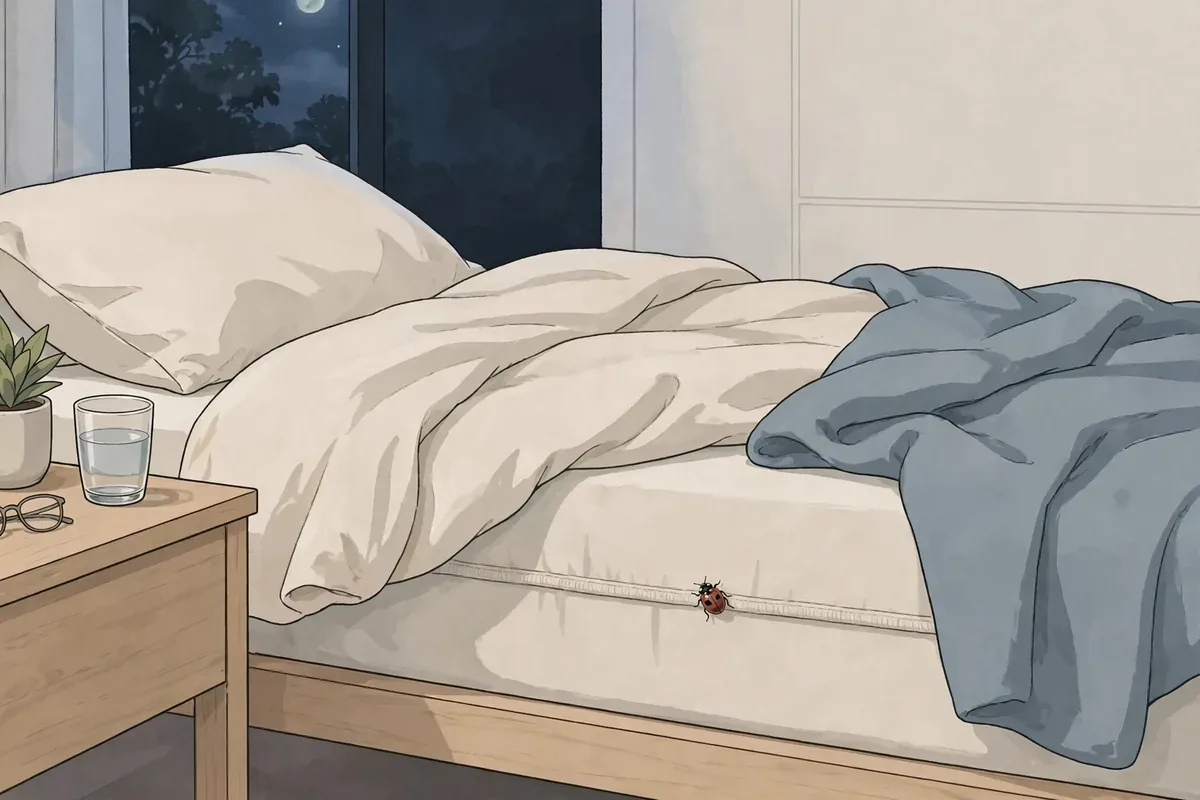
Daytime feeding is the exception that proves the rule — and each exception has a reason.
Common triggers for daytime bites:
- Hunger overrides caution. In a heavy infestation, competition for hosts increases. Hungry bed bugs become bolder and will feed whenever a warm body is available, light or not.
- The host’s schedule shifted. Night-shift workers who sleep during the day get bitten during the day — the bugs follow the host’s stillness, not the clock. The same applies to daytime naps on an infested couch or bed.
- Harborage was disturbed. Moving furniture, deep cleaning, or sleeping in a different room can scatter bed bugs. Displaced bugs feed opportunistically wherever they end up, including in daylight.
- Hiding spots are very close. If bed bugs are harboring in your couch cushions, office chair, or car seat — places you occupy during the day — they will feed there during the day. The “night” rule assumes the bugs live near your bed; bugs living near your daytime spots follow your daytime stillness.
- Low light indoors. A dark bedroom with blackout curtains at noon is “night” as far as a bed bug is concerned.
What daytime bites do NOT mean:
- Not a different species. Daytime feeding does not indicate a different kind of bed bug or a different pest — it is normal bed bug behavior under the conditions above.
- Not necessarily a worse infestation. A single displaced bug can bite in daylight. That said, bold daytime feeding in a bedroom is worth taking seriously as a possible sign of a larger population.
- Not proof of bed bugs either. Fleas, mosquitoes, and other biters are genuinely daytime feeders. Daytime bites alone do not diagnose bed bugs — confirmation comes from finding the bugs or their signs (next section).
If you are getting bitten in a hotel or guest room, our guide to bed bug bites in a hotel and what to do covers immediate steps. For the related night-pattern question, see do bed bugs bite every night.
Confirming It Is Really Bed Bugs #
Bites alone never confirm bed bugs — many bite reactions look identical. Look for the bugs and their evidence.
Inspection checklist:
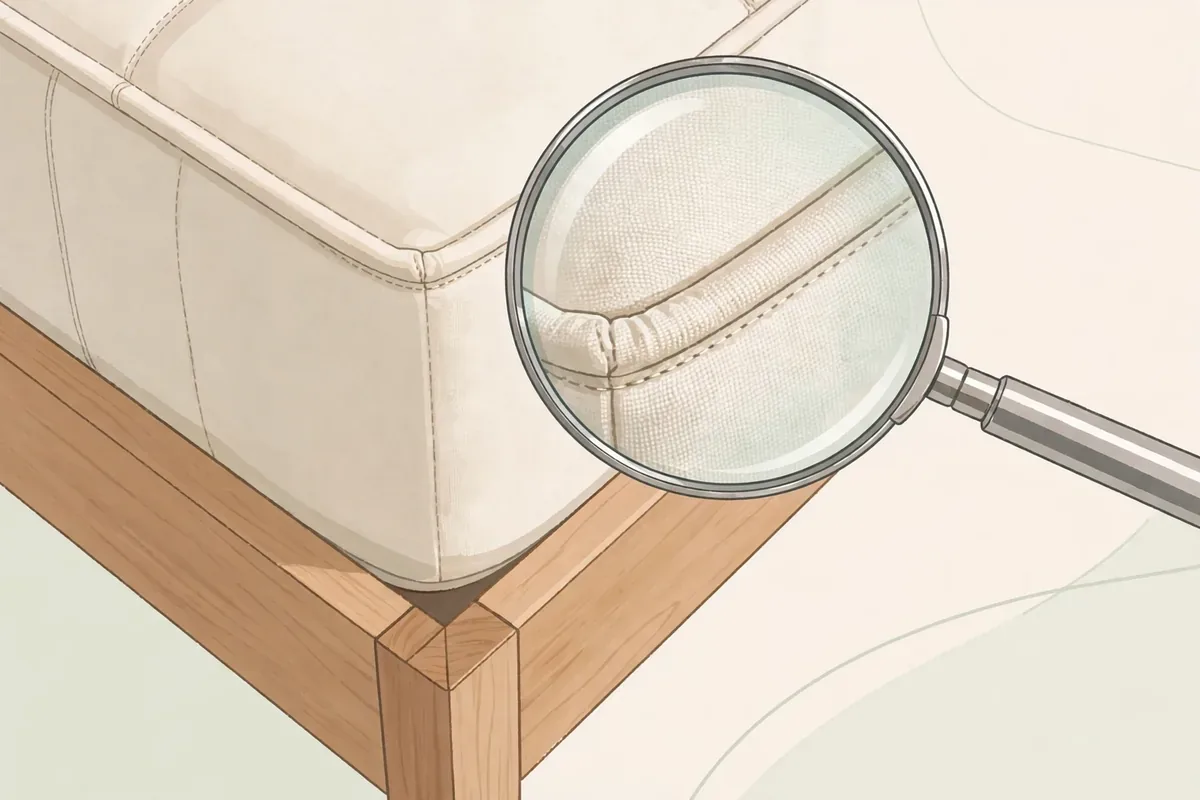
- Mattress and box spring seams. Pull back sheets and inspect seams, tufts, and tags with a flashlight. Look for live bugs (apple-seed-sized, reddish-brown, oval), shed skins, and tiny dark fecal spots that smear reddish-brown on a damp tissue.
- Bed frame and headboard. Check joints, screw holes, and cracks — bed bugs love tight wooden crevices.
- Nightstand and nearby furniture. Drawers, undersides, and the wall-floor junction behind the bed.
- Couch and chairs if you are being bitten while sitting during the day — check seams, cushions, and the frame underneath.
- Baseboards and outlet covers near sleeping or sitting areas in heavier infestations.
Capture, do not squish. If you find a suspect bug, trap it in a sealed bag or jar with a cotton ball. A captured specimen lets a pest professional confirm the ID — photos help, but the real bug is definitive. Note where and when you found it.
Bite-pattern clues that support bed bugs:
- Lines or clusters of 3-5 bites (“breakfast, lunch, and dinner” pattern) on exposed skin.
- Bites appearing after sleep — even daytime sleep — rather than after outdoor time.
- Others in the household developing similar marks around the same time.
If inspection finds nothing but bites continue, consider other causes: fleas (ankle-focused bites, pets in the home), mosquitoes (single scattered bites, outdoor exposure), or skin conditions that mimic bites. A dermatologist can help when the cause stays elusive.
What to Do About Daytime Biting #

Immediate steps:
- Do not sleep elsewhere in the house. Moving to the couch spreads the bugs to a new room — one of the classic ways a bedroom infestation becomes a whole-house infestation.
- Reduce clutter around the bed and sitting areas to eliminate hiding spots and make inspection easier.
- Launder bedding and nearby fabrics on the hottest setting the fabric allows, then dry on high heat for at least 30 minutes — heat kills all life stages.
- Vacuum mattress seams, bed frames, baseboards, and upholstery thoroughly, then empty the vacuum outside immediately.
- Use mattress and box spring encasements rated for bed bugs to trap existing bugs and make future inspection easier.
For the bites themselves: avoid scratching, wash the skin, and use a cool compress for itching. An oral antihistamine per label directions can help with itch. Bites that show increasing redness, warmth, swelling, pus, or red streaks need medical evaluation — scratching introduces bacteria, and that is where complications come from.
Professional help: established infestations — multiple rooms, bugs in walls or outlets, or bites continuing after thorough DIY steps — call for a licensed pest management professional. Over-the-counter foggers (“bug bombs”) are widely considered ineffective against bed bugs and can scatter them deeper into walls. Heat treatment by professionals is among the most reliable approaches for whole-home infestations.
Warning signs: when to seek care #
Call 911 immediately for trouble breathing or swallowing, swelling of the lips, tongue, face, or throat, widespread hives, dizziness or fainting, or a racing heartbeat after bites. Severe allergic reactions to bed bug bites are uncommon but possible — use an epinephrine auto-injector first if prescribed, then call 911.
See a doctor or urgent care for bites with spreading redness, increasing pain, warmth, pus, or red streaks (possible infection from scratching), fever alongside worsening bites, or bite reactions that are severe, blistering, or not improving after a week. People with many bites or strong reactions should discuss management with their doctor rather than suffering through it.
Frequently asked questions #
If bed bugs bite during the day, does that mean the infestation is severe? #
Not necessarily. A single hungry or displaced bug can bite in daylight. However, frequent bold daytime feeding — especially in a bedroom — is consistent with a larger population where competition pushes bugs to feed at unusual times. Either way, inspect and act; the behavior alone does not measure the infestation.
Can bed bugs bite through clothing during the day? #
Bed bugs prefer exposed skin and generally do not bite through fabric — they crawl under or around clothing to reach skin. Daytime bites on a clothed person usually happen at cuffs, collars, and other openings. This is one reason bites cluster at wrists, ankles, and the neck.
I only get bitten during the day, never at night — is that still bed bugs? #
It can be, if your daytime resting spots (couch, recliner, car) harbor the bugs while your bed does not. Inspect where you sit during the day, not just the bedroom. But genuinely daytime-only biting with no bed bugs found should also prompt consideration of fleas, mosquitoes, or non-bite skin causes.
Do bed bugs stay on your body during the day? #
No — bed bugs do not live on people. They feed for a few minutes and retreat to harborages in furniture, walls, and belongings. You will not carry an infestation on your body, though bugs can hitchhike in bags, coats, and laundry. That is why inspecting belongings matters more than inspecting yourself.
Medical and editorial note #
This guide is general information about bed bug behavior and is not medical advice. Bite patterns alone cannot diagnose bed bugs — confirm with inspection or a pest professional. If bites become infected or trigger strong reactions, see a healthcare professional.


