
Bee sting on tongue? Act now: scrape the stinger out gently, rinse with cool water, and get prompt medical evaluation. Stings inside the mouth are more dangerous than stings on the skin because the tongue and throat tissues swell quickly — and swelling there sits right next to the airway. This guide covers the immediate steps, why this location is high-risk, and what to watch for over the next 24 hours.
First 5 minutes: what to do right now #
Mouth stings are frightening, but the steps are simple. Do them in order:
- Stay as calm as you can. Panic speeds your heart rate and breathing, which is the opposite of what you want with swelling near the airway. Sit down.
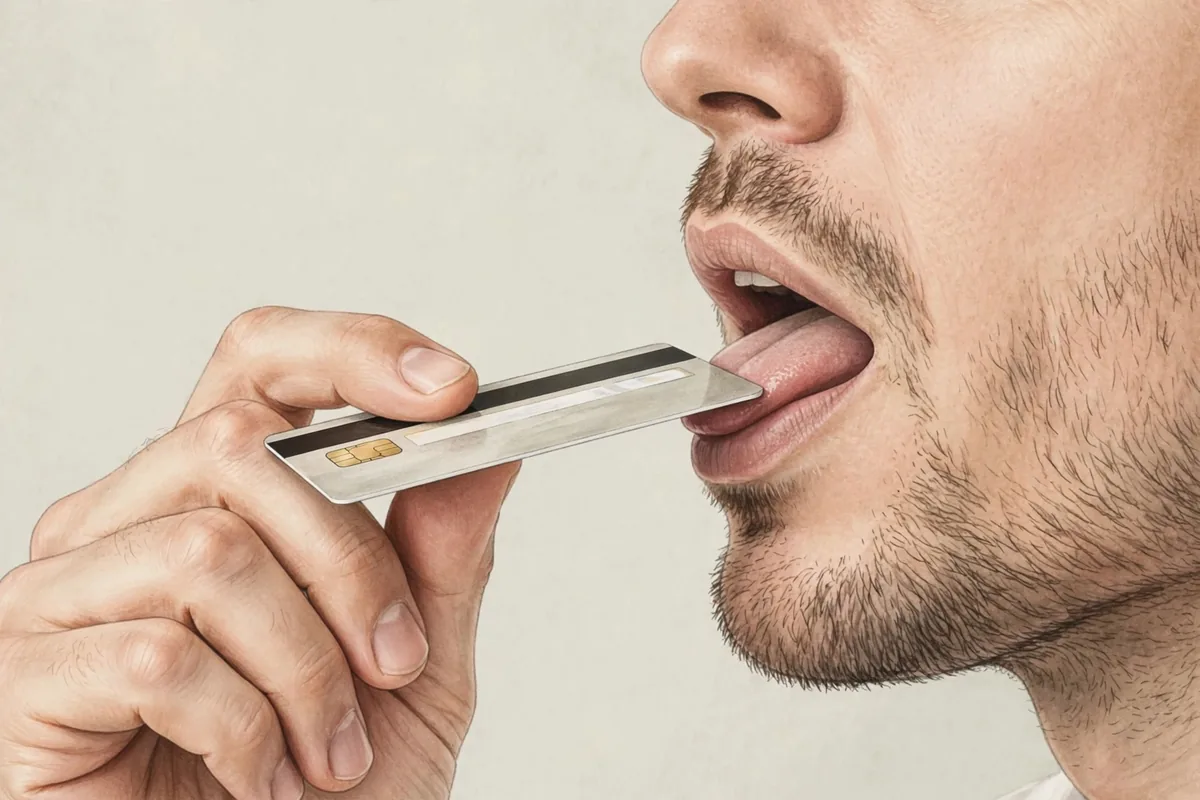
- Remove the stinger by scraping. Use a fingernail, the edge of a credit card, or a blunt knife edge to scrape across the sting site. Do this gently — the tongue is sensitive. Do not pinch or squeeze with tweezers if you can avoid it, because squeezing the venom sac can push more venom in. If you cannot see or reach the stinger, move on; do not dig at the tongue.
- Rinse with cool water. Swish and spit cool water to clean the area and wash away surface venom. Do not use hot water.
- Cool the area from the inside. Suck on an ice chip, a small piece of ice, or sip very cold water. Cold constricts blood vessels and slows swelling — and you can keep this up continuously, unlike a cold pack on skin.
- Call for help early. If there is any trouble breathing, swallowing, speaking, or drooling you cannot control — call 911 immediately. Do not wait to see if it gets worse. Even without those signs, a sting on the tongue warrants prompt medical evaluation; call your doctor, urgent care, or poison control for guidance while you head in.
If the person was stung while eating or drinking outdoors (a bee in a soda can is the classic scenario), check that no additional stingers or insects are in the mouth before doing anything else.
Why tongue stings are high-risk #
A sting on the arm gives swelling room to spread outward. A sting on the tongue does not have that luxury:
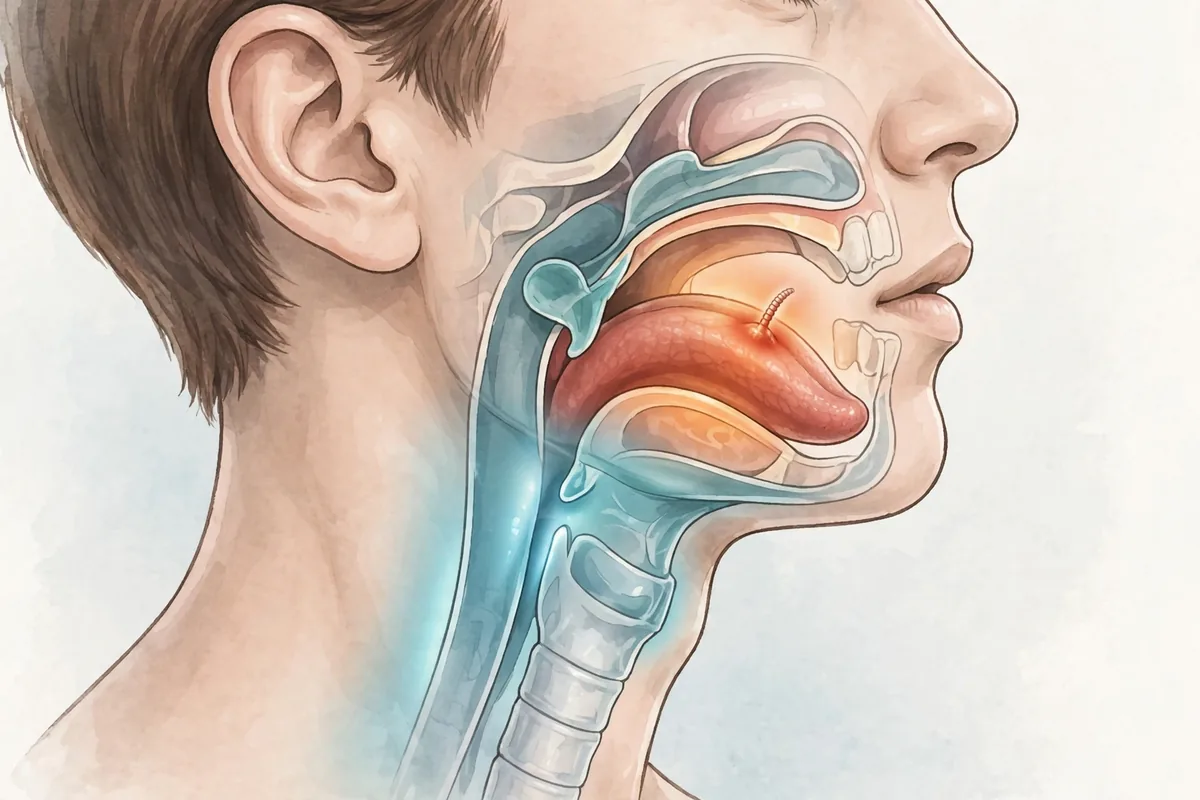
- Soft, vascular tissue swells fast. The tongue and the floor of the mouth have a rich blood supply and loose tissue that takes up fluid quickly. Significant swelling can develop within minutes to an hour.
- The airway is right there. The tongue sits directly above the airway. Swelling that would be merely uncomfortable on a forearm can narrow the throat when it happens in the mouth.
- Mucous membranes absorb quickly. The lining of the mouth absorbs substances faster than skin, which can intensify the local reaction.
- Swallowing and speech are affected early. Difficulty swallowing saliva, a muffled or changed voice, or a feeling of throat tightness are warning signs that swelling is progressing — treat them as urgent.
This is why medical guidance consistently treats stings inside the mouth or throat as warranting prompt professional evaluation, even in people with no known sting allergy. A normal local reaction in a dangerous location is still dangerous.
After the sting: what to watch for 24 hours #
Once the immediate steps are done and you are under medical guidance or observation, monitor closely:
- Swelling trajectory. Some swelling is expected. What matters is the direction: swelling that stabilizes and then slowly improves is reassuring; swelling that keeps increasing hour after hour is not.
- Voice and swallowing. Any new hoarseness, muffled speech, throat tightness, difficulty swallowing, or drooling means the situation is escalating — seek emergency care immediately.
- Breathing. Noisy breathing, shortness of breath, or a feeling of the throat closing are 911 signs. Do not drive yourself; call for emergency help.
- Eating and drinking. Stick to cool, soft foods and cold fluids for the rest of the day. Avoid hot foods and drinks, alcohol, and anything crunchy or sharp that could irritate the sting site.
- Allergy signs beyond the mouth. Hives elsewhere on the body, itching beyond the sting site, dizziness, or nausea suggest a systemic allergic reaction rather than just a local one.
Keep monitoring for a full day. Delayed swelling can occur, and a tongue that seemed manageable in the first hour can still worsen.
What NOT to do #
- Do not try to dig the stinger out with sharp objects or your teeth. If gentle scraping does not remove it, leave it and let a clinician handle it.
- Do not apply heat to the area — heat increases blood flow and swelling.
- Do not take more than the label dose of any over-the-counter product, and do not combine products without checking with a pharmacist or clinician first. Mention all medications you take when you seek care.
- Do not “wait and see” with breathing or swallowing difficulty. Airway swelling can progress quickly, and early treatment is far more effective than late treatment.
- Do not lie flat if swelling is increasing — staying upright can help reduce the sensation of throat pressure while you get help.
For context on how severe reactions present and progress, the anaphylaxis sting warning signs guide details what systemic reactions look like, and the first 10 minutes after a sting guide covers the general immediate-response sequence.
Warning signs: when to seek care #
Call 911 immediately for trouble breathing or swallowing, noisy breathing, drooling you cannot control, swelling of the tongue, lips, or throat that is visibly increasing, a voice that becomes hoarse or muffled, widespread hives, dizziness or fainting, or a racing heartbeat. These are emergency signs. If you carry an epinephrine auto-injector and show signs of a severe allergic reaction, use it first, then call 911.
For any bee sting on the tongue — even one that seems mild at first — seek prompt medical evaluation the same day. Between the airway risk and the speed at which mouth tissue swells, this is not a “treat at home and see” situation.
Frequently asked questions #

What should I do first for a bee sting on the tongue? #
Scrape the stinger out gently with a fingernail or card edge, rinse with cool water, and suck on ice chips or sip cold water to slow swelling. Then seek prompt medical evaluation — mouth stings warrant professional assessment even without allergy symptoms, because swelling near the airway can escalate.
How long does tongue swelling from a bee sting last? #
Local swelling typically peaks within the first few hours and then improves over one to three days, similar to other sting sites — but the critical window is the first few hours, when swelling near the airway is most dangerous. Any swelling that keeps increasing, or any breathing or swallowing difficulty, needs emergency care regardless of timing.
Can a bee sting on the tongue block your airway? #
Severe swelling in the mouth and throat can narrow the airway, which is exactly why tongue stings are treated as high-risk. This is uncommon with a normal local reaction but possible, and it can develop quickly. Trouble breathing, swallowing, or speaking after a mouth sting is a 911 emergency.
Should I go to the ER for a bee sting in the mouth? #
Yes — at minimum, get prompt same-day medical evaluation, and go to the emergency department (or call 911) if there is any breathing difficulty, swallowing difficulty, voice change, drooling, or rapidly increasing swelling. Do not try to manage a tongue sting at home alone.
Medical and editorial note #
This guide provides general information about bee stings to the tongue and is not medical advice. Stings inside the mouth carry a real airway risk and should always be evaluated promptly by a qualified healthcare professional. If you are experiencing breathing or swallowing difficulty right now, call 911 instead of reading further.


