
If you have been stung by a bee, the bee sting healing timeline tells you what is coming and how long each stage takes. A normal bee sting hurts sharply for 1 to 2 hours, swells over the next 48 hours, and is mostly resolved within a week — but removing the stinger fast in the first minutes changes how the rest of the timeline plays out.
Bee sting healing timeline at a glance #
| Stage | Time after sting | What to expect | |—|—|—| | Sharp pain | First minutes – 2 hours | Burning pain; stinger must be removed fast | | Early swelling | 2 – 24 hours | Redness, raised welt, itching begins | | Peak swelling | 24 – 48 hours | Swelling at its largest; may still grow | | Turnaround | Day 3 – 5 | Swelling shrinks daily; itching dominant | | Fading | Day 5 – 7 | Redness fades; skin feels tight, then normal | | Full resolution | Day 7 – 10 | Nearly all normal stings healed |
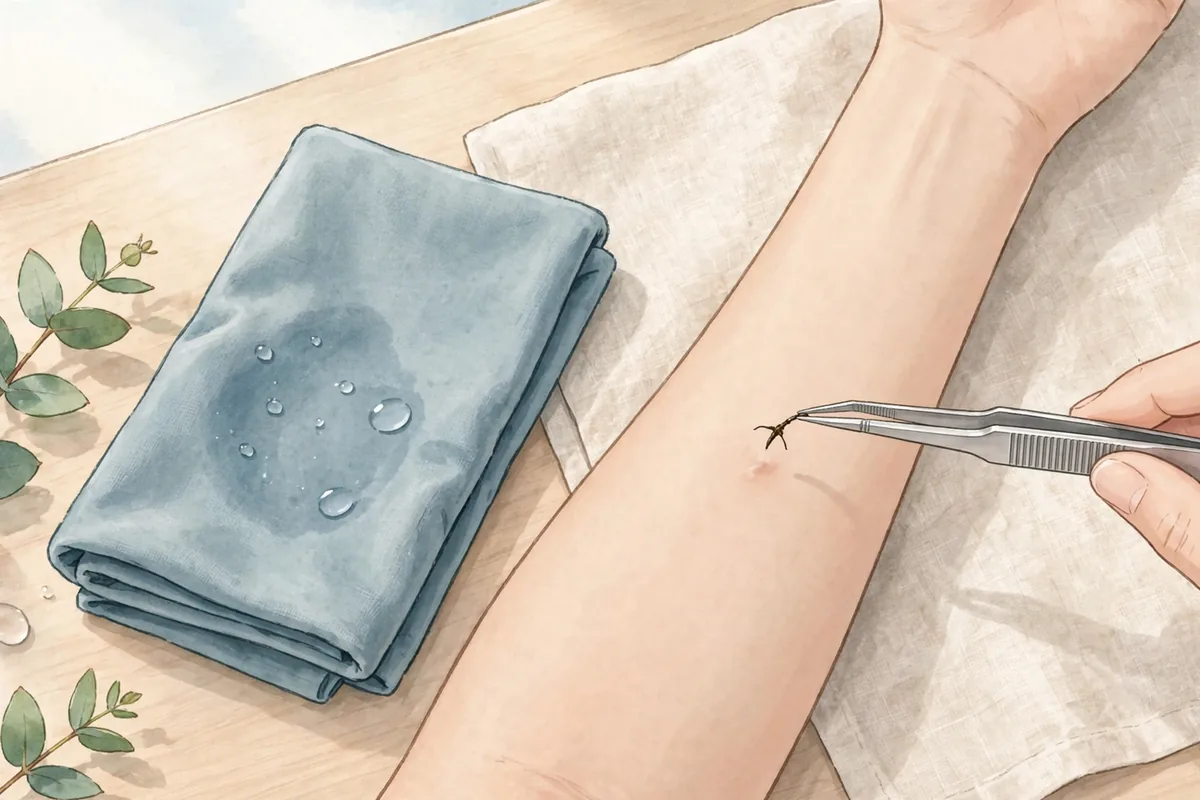
The one action that moves this whole timeline in your favor happens in the first minute: get the stinger out. Honeybees leave a barbed stinger with a venom sac attached, and that sac keeps pumping venom into the skin after the bee is gone. Scrape the stinger out sideways with a fingernail, a bank card, or gauze — do not squeeze it with tweezers, which can push more venom in. After that, wash the area with soap and water.
First 10 minutes matter most #
What you do in the first 10 minutes sets the ceiling on swelling and pain for the next week. Speed of stinger removal is the single biggest controllable factor — every extra minute the venom sac stays attached adds venom. Scrape, don’t pinch.
Then run cold water over the site and apply a cold compress for 10 to 15 minutes. Cold narrows the blood vessels and slows the spread of venom through the tissue, which is why ice applied within minutes pays off more than ice applied tomorrow. Elevate the limb if you can. Mark the outer edge of redness with a pen so you can tell tomorrow whether the swelling is growing or shrinking — that one line turns guesswork into data when you recheck the next day.
An oral antihistamine per label directions helps with the itching and swelling that arrive over the next few hours. Avoid the common mistakes: squeezing the stinger with tweezers, scratching the puncture open, rubbing vinegar or baking soda on it (Medical News Today notes these do not neutralize venom once it is deep in tissue), or bursting any blister that forms.
If you already know your reactions are large, or the sting is somewhere swelling could cause trouble (near the eye, inside the mouth), use those first minutes to plan your next step — a doctor call or urgent-care visit — rather than hoping it stays small. The detailed first-response checklist in first 10 minutes after sting covers exactly this sequence.
The 48-hour peak: why swelling grows before it shrinks #
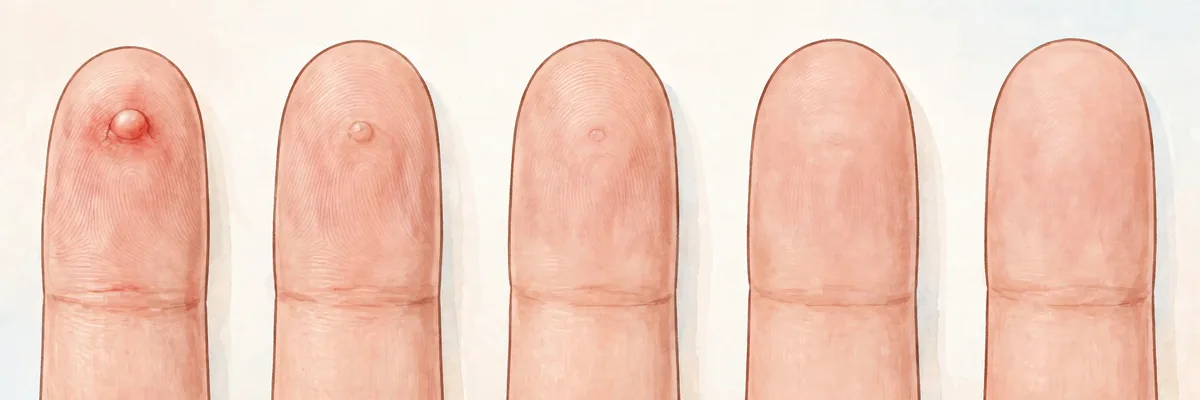
The most unsettling part of the timeline is that swelling usually grows for up to 48 hours. Many people assume day 2 should look better than day 1, then panic when the opposite happens. Growing swelling through the second day is a normal immune response — white blood cells are flooding the area to deal with the venom proteins, and that inflammation is the treatment.
Medical News Today reports that swelling from a bee sting can grow for 48 hours and last up to 7 days. During this window the welt may look dramatic: red, puffy, warm, and tight. Itching often intensifies as the swelling peaks. What you should not see: red streaks radiating outward, pus, increasing sharp pain, or fever. Simple swelling that is still growing through day 2 is normal; swelling that keeps growing through day 4 is a different story.
Practical care during the peak: keep icing for short sessions, keep the area elevated, and keep it clean. If swelling is uncomfortable, an oral antihistamine per label directions plus 1% hydrocortisone cream on the surface are the standard over-the-counter pair. Keep clothing loose over the site — friction and pressure make swelling feel worse and can delay fading.
The turnaround: days 3 to 7 #
Around day 3, the trend should reverse. Swelling starts shrinking, redness fades from bright to dull pink, and the sharp tenderness becomes a dull itch. This turnaround is the green light that you are healing. Judge each day against yesterday’s photo or your pen line, not against day 1 — you are looking for steady, incremental improvement.
Itching is usually the last symptom standing and can outlast the visible swelling by a day or two. Keep the antihistamine going if the label allows, and moisturize the dry skin around the site to cut down the scratch reflex. If a scab forms, leave it alone — it is the body’s dressing.
By day 7 most normal bee stings are functionally healed: flat skin, no pain, faint or no mark. A light discoloration can linger for another week or two and fades on its own.
When the timeline runs long #
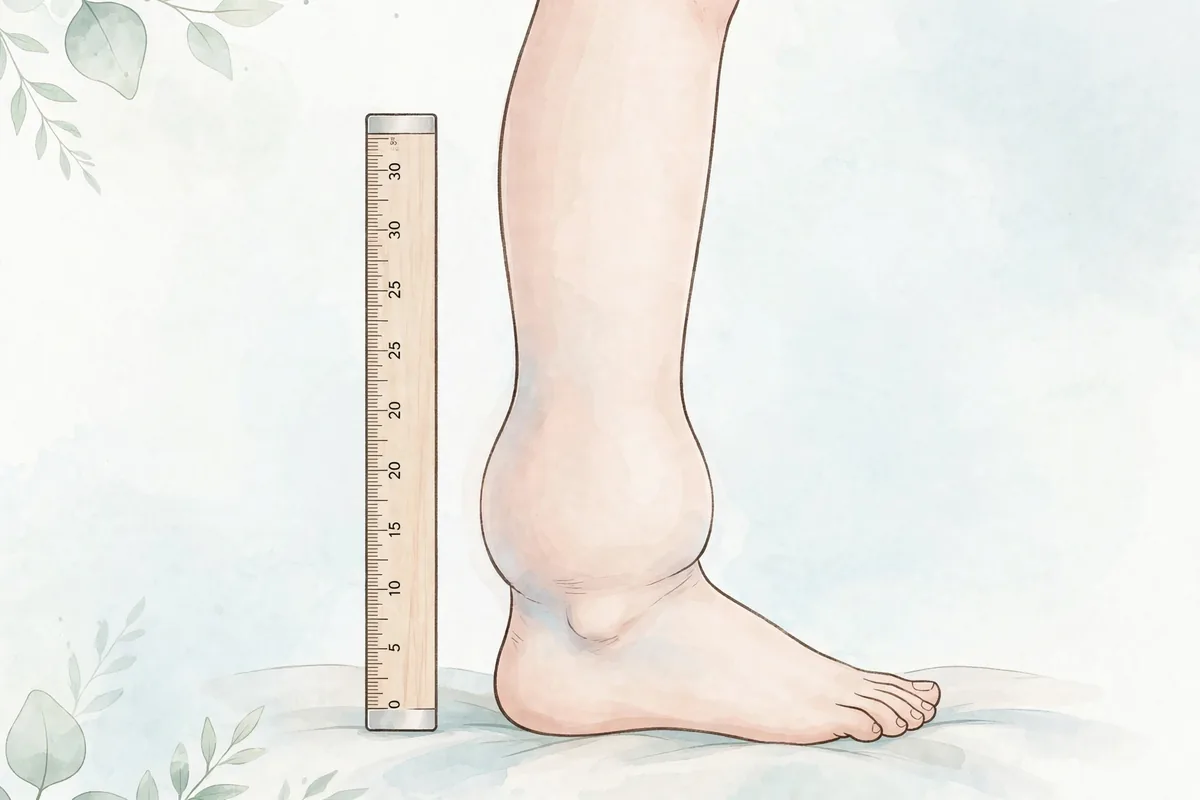
A large local reaction stretches this timeline. If swelling spreads more than about 10 centimeters from the sting, or engulfs an entire hand, foot, or limb, you are in longer-timeline territory: the swelling may intensify for 24 to 48 hours, look its worst around day 2 or 3, and take up to 10 days to resolve fully. This is an intense local immune response, not an airway emergency, and it does not strongly predict anaphylaxis from a future sting.
How to tell the long-but-normal timeline from a problem: a large local reaction still peaks and then improves. Call a doctor if swelling is still expanding after 3 days, if redness streaks outward, if the site gets hot and throbbing with pus, if fever develops, or if swelling is severe near the eye, throat, or mouth. The swelling-specific guide in bee sting swelling goes deeper on reading swelling patterns.
One more special case: people who are stung multiple times at once can run a longer timeline with flu-like feelings (headache, nausea) layered on top of the local swelling. That deserves a medical conversation, not just home care.
Warning signs: when to seek care #
Call 911 immediately if you notice any of these after a sting: trouble breathing or swallowing, swelling of the lips, tongue, or throat, widespread hives or rash beyond the sting site, dizziness or fainting, or a racing heartbeat. These are red flags for anaphylaxis. If you carry epinephrine, use it first and still call 911 — symptoms can return.
See a doctor or urgent care the same day for: swelling that keeps expanding after 72 hours; increasing pain, warmth, pus, or red streaks radiating from the site; fever; a sting inside the mouth or throat; multiple stings with nausea, headache, or a whole-body rash; or any reaction in someone with a known severe sting allergy.
Frequently asked questions #
Should I squeeze the stinger out of a bee sting? #
No. Squeezing with tweezers can compress the venom sac and inject more venom. Scrape the stinger out sideways with a fingernail, a bank card, or a piece of gauze. Speed matters more than technique — get it out within the first minute if you can.
Why is my bee sting more swollen on day 2? #
Because swelling normally peaks at 24 to 48 hours. The immune response takes time to build, so day 2 looking bigger than day 1 is expected, not a sign of infection. Track the trend: after the peak it should shrink a little every day.
How long does bee sting itching last? #
Itching often arrives as pain fades and can last several days — sometimes outliving the swelling. An oral antihistamine per label directions and 1% hydrocortisone cream help. If the skin looks healed but still itches, dryness is usually the culprit; plain moisturizer settles it.
Can a bee sting heal on its own without any treatment? #
Yes — a normal sting in a non-allergic person heals on its own in about a week even without treatment. Home care does not shorten the timeline dramatically, but it makes the wait far more comfortable and helps you spot the moment a normal timeline turns abnormal.
Medical and editorial note #
This document is general information about bee sting healing, not medical advice. Timelines are approximate and vary by person, sting location, and number of stings. If you are worried — especially about spreading swelling, infection signs, or any allergy red flags — see a healthcare professional or urgent care rather than waiting for a timeline to play out.


