
Portuguese Man O’ War vs Jellyfish: How to Tell Them Apart
Introduction The direct answer is simple, and it matters for safety: a Portuguese man o' war is not a jellyfish, even though it is…
Introduction: The Direct Answer A jellyfish sting and sea lice irritation are different problems with different causes, even though both can leave you itchy and uncomfortable after swimming in the…
A jellyfish sting and sea lice irritation are different problems with different causes, even though both can leave you itchy and uncomfortable after swimming in the ocean. A jellyfish sting is usually an immediate, painful event: you feel a sharp sting or burn while you are still in the water, often in a line or patch where tentacles touched skin. Sea lice irritation, more accurately called seabather’s eruption, is usually a delayed, itchy rash that appears hours later, mainly on skin that was covered by swimwear, where tiny larvae were trapped against the skin.
That timing and location difference is the fastest way to tell them apart. Immediate pain in open water points toward a jellyfish or another stinging marine animal. An itchy rash that shows up after you have showered and changed, concentrated under a swimsuit, points more toward sea lice. This article compares causes, symptoms, appearance, timing, treatment, and prevention in detail, so you can respond correctly and know when to seek medical care.
Jellyfish have specialized stinging cells called nematocysts on their tentacles and, in some species, on their bells. When a tentacle touches skin, these cells fire tiny harpoon like structures that inject venom. The result is pain, redness, and sometimes visible marks where the tentacle made contact. Some jellyfish are small and hard to see, while others are large and obvious. Even detached tentacle fragments floating in the water can sting.
Not all jellyfish stings are dangerous, but some species can cause severe reactions. In US waters, common stings from moon jellies, sea nettles, and similar species are usually painful but not life threatening for most healthy adults. Portuguese man o’ war, which is not a true jellyfish but a related colonial organism, can cause more intense pain. Box jellyfish, found in some tropical waters, can cause very serious stings and require emergency care. Location matters, so knowing what species are present where you swim is useful.
Despite the name, sea lice are not lice at all. Seabather’s eruption is most commonly caused by the tiny larvae of the thimble jellyfish and, in some cases, by larvae of sea anemones. These larvae are nearly invisible in the water and can become trapped between swimwear and skin, or in hair, while swimming.
The rash is thought to result from an immune reaction when the larvae are crushed or die against the skin, and when fresh water rinsing after swimming causes remaining larvae to discharge stinging cells. That is why the rash often appears under a swimsuit rather than on exposed skin: exposed larvae are usually washed away by seawater, while trapped larvae stay in contact longer.
Sea lice irritation is uncomfortable and itchy, but it is not contagious from person to person, and it does not mean the water is dirty in the usual sense. It is a seasonal, natural occurrence in certain coastal waters, particularly in warmer months.
Timing is often the clearest clue. A jellyfish sting announces itself at once. You feel pain while swimming or immediately after leaving the water, and you may see a red mark, welt, or line within minutes. The pain may peak quickly and then gradually ease over hours, though soreness and itching can linger.
Sea lice rash usually takes hours to appear. Many people feel fine right after swimming, shower, change clothes, and only later notice itching and red bumps. The delay can be 4 to 24 hours, and sometimes longer. If you woke up itchy the morning after a beach day, with a rash mainly where your swimsuit was, sea lice are a strong suspect.
Pain dominates a jellyfish sting. People commonly describe it as burning, stinging, or sharp pain at the contact site. Itching may develop later as the sting heals, but pain is the first and main symptom.
Itching dominates sea lice irritation. The rash is intensely itchy, and scratching often makes it worse. Pain is usually mild or absent, unless scratching breaks the skin and leads to secondary irritation or infection.
Jellyfish stings often follow the shape of tentacle contact: lines, streaks, whiplash like marks, or patches on exposed skin where the tentacle touched. Marks may be red, raised, or blotchy, and they tend to match the area that was in the water and in contact with the animal.
Sea lice rash is different. It appears as clusters of small red bumps or pimples, often concentrated on skin that was covered by swimwear: the waistline, buttocks, chest, back, and areas under straps. Skin that was exposed to open water is often less affected, because larvae there were washed away. Children, who spend more time in shallow water and wear snug swimsuits, are commonly affected.
A typical mild jellyfish sting improves over days, with pain easing within hours and marks fading over one to two weeks. Some stings leave temporary discoloration that fades slowly. Severe stings can take longer and may need medical treatment.
Sea lice rash usually peaks within a day or two and resolves over one to two weeks without scarring, though itching can be intense in the first few days. Scratching can prolong healing and increase infection risk, so protecting the skin from scratching matters.
| Feature | Jellyfish sting | Sea lice (seabather’s eruption) |
|---|---|---|
| Cause | Stinging cells from jellyfish tentacles | Tiny larvae trapped under swimwear |
| Onset | Immediate, while in or just out of water | Delayed, usually hours later |
| Main symptom | Sharp pain or burning | Intense itching |
| Rash pattern | Lines, streaks, or patches where tentacle touched | Clusters of small red bumps, mainly under swimsuit |
| Location | Exposed skin in contact with tentacle | Skin covered by swimwear |
| Duration | Pain hours, marks days to weeks | Itching days, rash 1 to 2 weeks typical |
| Contagious | No | No |
| Emergency risk | Possible with certain species or allergy | Rare, mainly from scratching or infection |
This table is a general comparison for typical mild cases. Individual reactions vary, and any severe symptoms should be treated as urgent regardless of which cause you suspect.
After a jellyfish sting, skin may show redness, swelling, and raised welts. In some cases, the pattern looks like a whip mark or a series of small dots along a line. The area may feel hot and tender to touch. Blisters are possible with stronger stings. If tentacle fragments remain on skin, they may be visible as thin, stringy material, and they should be removed carefully without rubbing, since rubbing can trigger more stinging cells.
Do not rely on appearance alone to identify the species. Many stings look similar, and species identification is difficult after the fact. Focus instead on symptoms, timing, and whether emergency signs are present.
Sea lice rash looks like many small, red, raised bumps, sometimes with a tiny central dot. Bumps cluster together, especially around the waistband, under swimsuit straps, and on the buttocks and torso. The rash may be mistaken for heat rash, folliculitis, or an allergic reaction to sunscreen or laundry detergent. The key clues are recent ocean swimming, delayed onset, and a distribution that matches swimwear coverage.
In children, the rash can be widespread and very itchy, which can be distressing even though the condition itself is usually not dangerous. Keeping nails short, avoiding scratching, and using soothing measures can help while the rash heals.
Get out of the water calmly and rinse the area with seawater, not fresh water, since fresh water can trigger more stinging cells in some jellyfish species. Remove any visible tentacles using tweezers, a gloved hand, or a card, taking care not to rub the area with bare hands. Apply vinegar, if available, for many common jellyfish stings, as it may help inactivate remaining stinging cells, but be aware that vinegar is not recommended for all species, and local lifeguard guidance should take priority. Do not rub the area with sand.
After initial care, soaking in hot water, as hot as can be tolerated without scalding, is often recommended for pain relief for many jellyfish stings. Follow local guidance and seek medical advice if pain is severe, the sting covers a large area, or symptoms worsen. Over the counter pain relief may help mild pain, following package directions.
If the person shows signs of a severe reaction, call 911 immediately. Those signs are covered in the When to See a Doctor section below.
After swimming, remove swimwear promptly and rinse with seawater if possible before showering with fresh water, since fresh water can trigger trapped larvae to sting. In practice, many people shower first without knowing larvae are present, so do not blame yourself if the rash still appears. Once the rash is present, the goal shifts to soothing itch and protecting skin.
Wash the affected skin gently with soap and water, avoid harsh scrubbing, and do not rewear unwashed swimwear that may still contain larvae. Wash swimwear thoroughly in hot water and detergent before wearing it again, and shower and change after future swims in the same area. Cool compresses, oatmeal baths, and over the counter antihistamines or hydrocortisone cream are commonly used for itching, following product directions and clinician advice when unsure.
Avoid scratching as much as possible. Trim nails, keep the skin moisturized, and wear loose, breathable clothing while the rash heals. Watch for signs of secondary infection, such as increasing pain, warmth, spreading redness, pus, or fever.

Do not apply urine to a sting, despite the popular myth. It does not reliably help and can introduce bacteria. Do not rub a jellyfish sting with sand, a towel, or bare hands, since rubbing can discharge more stinging cells. Do not apply alcohol, ammonia, or meat tenderizer without professional guidance, since these can irritate skin or worsen some stings. For sea lice, do not reuse unwashed swimwear, and do not scratch blisters open.
Check local beach advisories, lifeguard warnings, and jellyfish forecasts when available. Many beaches post warnings when jellyfish or sea lice are present. If warnings are in effect, consider swimming in another area or waiting for conditions to change. Protective swimwear, such as a rash guard or wetsuit, can reduce skin exposure to both tentacles and larvae, though larvae can still become trapped under tight swimwear.
Avoid swimming near floating debris, seaweed mats, or visible jellyfish, and avoid touching jellyfish washed up on shore, since even dead or detached tentacles can sting. Teach children not to touch jellyfish on the beach, no matter how interesting they look.
Shower and change out of swimwear as soon as possible. Rinse swimwear thoroughly, and wash it in hot water before wearing it again. If sea lice are known to be present, some beachgoers rinse with seawater before a fresh water shower to reduce larval discharge, though this is not always practical. Showering promptly still helps remove salt, sand, and other irritants.
For jellyfish, the most important prevention is awareness and distance. For sea lice, the most important prevention is prompt swimwear removal and washing. Both benefit from paying attention to local conditions and lifeguard advice.
Sea lice rash is sometimes confused with other conditions. Heat rash tends to appear in hot, humid conditions and in skin folds, not specifically after ocean swimming. Contact irritation from sunscreen or a new swimsuit usually appears where the product touched skin and improves when the product is stopped. Swimmer’s itch, caused by a different parasite in freshwater, causes itchy bumps on exposed skin after freshwater swimming, not mainly under swimwear after saltwater swimming.
If the rash pattern does not match sea lice, or if it spreads, blisters severely, or does not improve within two weeks, seek medical advice for a proper diagnosis. A clinician can distinguish these conditions by history, pattern, and examination, and can recommend treatment if needed.
For help identifying other bites and stings, see https://stinghelp.com/black-fly-bites-vs-no-see-um-bites/ and https://stinghelp.com/wolf-spider-bite-treatment/ for other bite identification and treatment guides on the site.

Seek emergency care immediately, by calling 911, if after a suspected jellyfish sting or any marine sting you notice:
Seek prompt medical advice if:
People with asthma, heart conditions, or immune suppression should seek advice sooner rather than later after any significant marine sting, since complications can develop more easily.
Use timing and location. Immediate pain while swimming, with lines or patches on exposed skin, points to a jellyfish sting. An itchy rash hours later, mainly under swimwear, points to sea lice. When in doubt, treat symptoms gently and seek advice if they are severe.
No. Sea lice is a common name for seabather’s eruption, usually caused by tiny thimble jellyfish larvae, not by lice. The condition is not contagious and does not mean a person has an infestation of lice.
Larvae can remain in unwashed swimwear and may cause irritation if the suit is worn again without washing. Always wash swimwear thoroughly in hot water and detergent after swimming in waters where sea lice are present.
For most jellyfish stings, rinse with seawater first, since fresh water can trigger more stinging cells in some species. Follow local lifeguard guidance, which may vary by species and region. For sea lice prevention, removing swimwear promptly matters more than the rinse type.
Vinegar may help inactivate stinging cells for many common jellyfish species, but it is not recommended for all species and local guidance should take priority. Do not delay emergency care to apply vinegar if severe symptoms are present.
Most sea lice rashes improve within a week and resolve within one to two weeks. Intense itching in the first few days is common. Scratching can prolong healing and increase infection risk, so soothing measures and skin protection help.
Children are commonly affected, partly because they spend more time in shallow water and wear snug swimsuits that trap larvae. The rash can be widespread and very itchy in children, but it is usually not dangerous. Seek care if symptoms are severe, infected, or not improving.
Once the rash has healed, swimming again is generally safe, but sea lice may still be present in the same waters. Prompt swimwear removal, thorough washing, and checking local advisories reduce the chance of a repeat rash. If rashes keep recurring in the same location, consider swimming elsewhere.
A jellyfish sting and sea lice irritation may both follow a day at the beach, but they are not the same problem and they do not need the same response. Immediate pain with tentacle marks points to a jellyfish sting, while delayed, intense itching under swimwear points to sea lice. Knowing that difference helps you choose the right first aid, avoid common mistakes like rubbing a sting or re wearing unwashed swimwear, and recognize when medical care is needed. Pay attention to local beach warnings, protect skin where you can, and act promptly if symptoms are severe or worsening.
Medical disclaimer: This article is for general information only and is not medical advice. It does not diagnose or treat any condition. If you have a severe reaction, worsening symptoms, signs of infection, or a sting from a potentially dangerous species, seek professional medical care promptly. This content is medically reviewed by Dr. Sarah Jones, MD, for general educational accuracy.
Dr. Jones oversees StingHelp’s clinical verification process. Every guide is systematically evaluated against active Centers for Disease Control and Prevention (CDC), Environmental Protection Agency (EPA), and American Academy of Allergy, Asthma & Immunology (AAAAI) medical consensus standards to ensure symptom distinctions and care recommendations are clinically sound.
Explore physician-reviewed first-aid procedures, identification clues, and symptom comparisons for other common outdoor bites and stings.
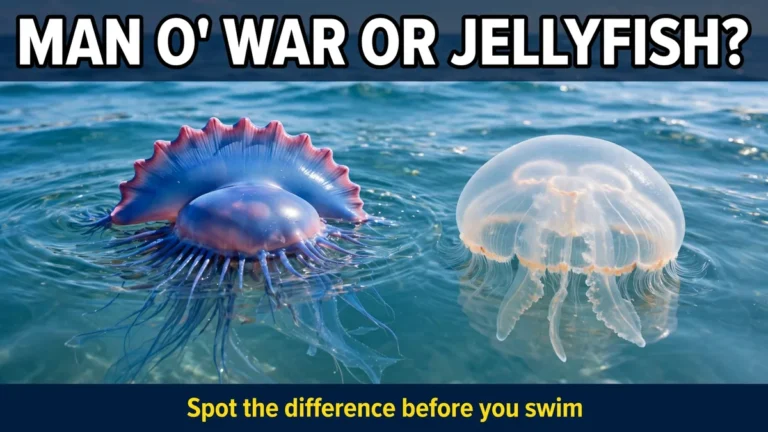
Introduction The direct answer is simple, and it matters for safety: a Portuguese man o' war is not a jellyfish, even though it is…

Introduction Yes, spiders can bite in winter, but winter spider bites are uncommon, and most of the spiders you see indoors during the cold…

Introduction: The Short Answer If you found a large brown spider and you are trying to decide whether it is a fishing spider or…