
Here is the short answer to house centipede bite treatment: clean it, cool it, and give it time. These bites are rare, the venom is mild, and the usual symptoms — pain, burning, and redness — typically settle within 24-72 hours with simple home care. The steps below walk you through exactly what to do, hour by hour.
What a House Centipede Bite Looks and Feels Like #
House centipedes are the long-legged, fast-moving hunters you sometimes spot darting across basement or bathroom floors. Despite their alarming look, they almost never bite people. A bite usually happens only when one is trapped against the skin — for example, inside a sleeve, a sock, or under bedding — or when you pick one up with bare hands.
When they do bite, their small fangs can leave a pair of tiny puncture marks close together, sometimes described as a V-shaped mark. Health sources such as Verywell Health and WebMD describe the venom as mild and note that symptoms stay local: sharp or stinging pain at first, a burning sensation, and mild redness or slight swelling around the marks.
Pain is usually the most noticeable symptom, and it often eases within a few hours. A small red area may linger for a day or two, and the skin can feel tender to the touch. Because the venom is mild, a house centipede bite does not spread outward or cause the tissue damage seen with some spider bites.
That said, do not try to identify a mark yourself with total certainty. Other insects leave similar red marks, and guessing wrong can delay the right care. Treat the area gently and watch how it changes over the next day.
First Aid Steps: Clean, Cool, and Calm the Skin #
Start these steps as soon as you notice the bite. They take only a few minutes and cover everything the area needs.
Wash the area. Rinse the bite with mild soap and lukewarm water, then pat it dry with a clean towel. This removes dirt and bacteria and lowers the chance of a secondary skin infection, which is the most common complication of any minor bite.
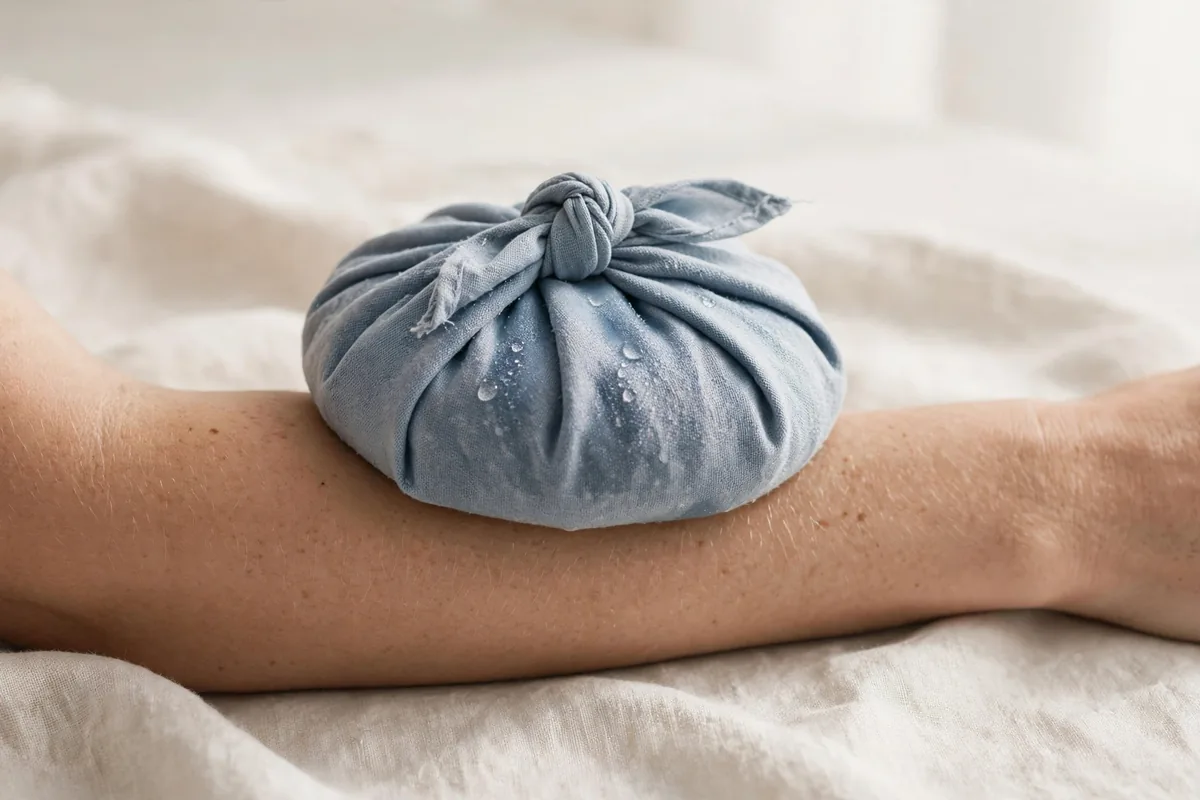
Apply a cold compress. Wrap a few ice cubes or a bag of frozen peas in a thin cloth and hold it on the bite for 10-15 minutes. The cold dulls pain and keeps mild swelling down. If you want a refresher on technique, here is the right way to use a cold compress on bites and stings.
Repeat the cold as needed. You can re-apply the compress every couple of hours during the first day, always with a cloth barrier so the cold never touches bare skin directly. Direct ice contact can irritate or damage skin.
Keep the area clean and dry. Avoid rubbing the bite or covering it with tight bandages. A loose adhesive bandage is fine if clothing keeps brushing against the spot.
Resist the urge to scratch. Scratching breaks the skin and invites infection, turning a minor bite into a longer problem. If itching bothers you, a cool compress usually settles it, or ask your pharmacist about options per the label directions.
Home Care for the Next 24-72 Hours #
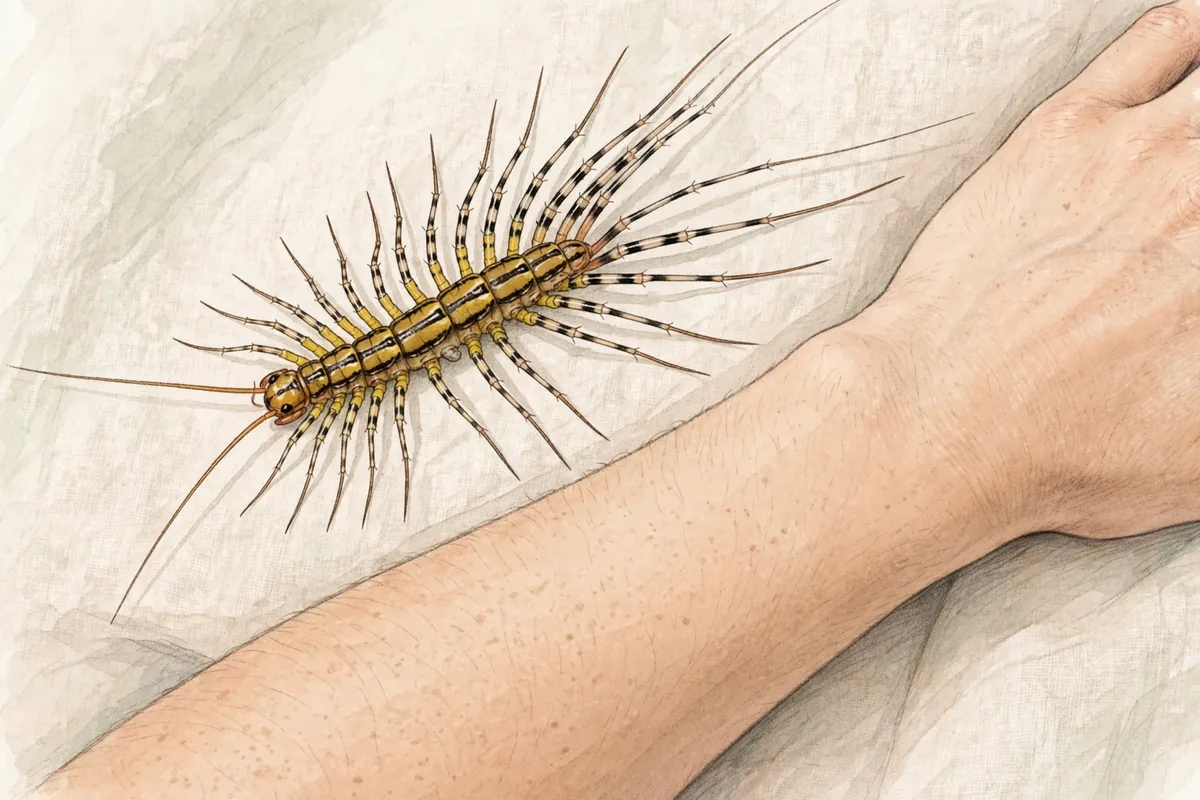
Most house centipede bites follow a predictable, short timeline. Knowing what to expect makes the waiting much easier.
First few hours. Pain and burning are at their peak, then start to fade. This is when cold compresses help the most. Some redness is normal at this stage.
By 24 hours. Pain should be much lower or gone. The red area may still be visible but should not be growing. Mild itching is common as the skin calms down.
By 48-72 hours. Symptoms typically resolve completely, according to health sources such as Verywell Health and WebMD. A faint mark may linger for a day longer, then fade.
During this window, keep the bite clean and watch it once or twice a day. Lightly marking the edge of the redness with a pen can help you tell whether it is shrinking or spreading. If itching is persistent, an oral antihistamine used per the label directions may help — talk to your doctor or pharmacist if you take other medicines or have health conditions.
If the spot is not improving after three days, or it starts looking worse instead of better, see a clinician. These are also the moments our bite and sting warning signs guide is built for — check it if anything looks off.
What Not to Do After the Bite #
A mild bite needs less, not more. These common mistakes can make things worse.
Do not squeeze the bite. Trying to “push out” venom does nothing — centipede venom is injected, not sitting in a pocket you can empty — and squeezing damages tissue.
Do not cut, poke, or suck the area. Breaking the skin opens a door for bacteria. Folk remedies involving cutting or suction are never appropriate for insect bites.
Do not apply harsh chemicals. Skip bleach, rubbing alcohol poured in large amounts, nail polish remover, or household cleaners on the bite. Plain soap and water is the safest clean.
Do not scratch the marks. Scratching feels satisfying for a second but delays healing and raises infection risk. Trim nails short if you catch yourself scratching in your sleep.
Do not ignore worsening signs. Most bites fade on their own, but a bite that spreads, oozes, or brings fever needs professional care, not more waiting. See the warning signs section below.
How to Keep House Centipedes Out of Your Home #
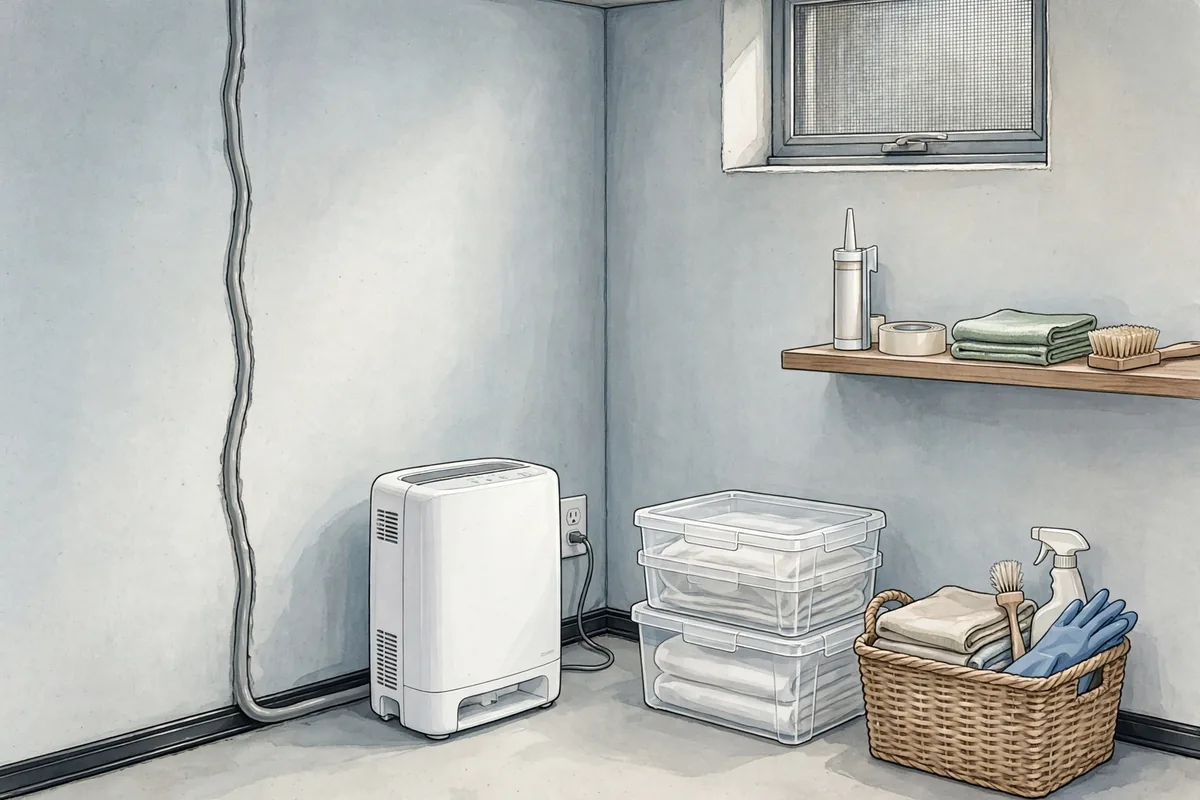
House centipedes move in for two reasons: damp hiding spots and plenty of smaller insects to eat. Remove those, and they move on.
Cut the moisture. Fix leaky pipes, run a dehumidifier in damp basements, and ventilate bathrooms. Dry spaces are far less attractive to centipedes and their prey.
Declutter floor-level storage. Cardboard boxes, piles of newspapers, and stacks of firewood against the house make perfect daytime hiding spots. Store items off the floor in sealed plastic bins where you can.
Seal entry points. Caulk cracks around baseboards, windows, and doors, and repair torn screens. This keeps both centipedes and the insects they feed on from wandering in.
Reduce their food supply. House centipedes eat roaches, silverfish, spiders, and other household insects. Fewer pests means fewer centipedes — general pest control for small indoor insects doubles as centipede control.
Catch, do not handle. If you see one, scoop it into a cup with a stiff card and release it outside. Never try to grab one with bare hands — handling is exactly how most bites happen. For a recurring indoor problem, a pest professional can help.
Warning signs: when to seek care #
Call 911 (or your local emergency number) right away if you notice: trouble breathing or swallowing; swelling of the face, lips, tongue, or throat; widespread hives; dizziness, fainting, or confusion; a racing or irregular heartbeat. If you carry an epinephrine auto-injector, use it at the first sign of anaphylaxis and call 911 even if you feel better — symptoms can return.
Seek urgent care or call your doctor the same day if the redness keeps spreading, you see red streaks moving away from the bite, the area oozes pus or yellow fluid, you develop a fever, or the pain becomes severe instead of fading. Bites on the face, near the eye, or inside the mouth also deserve prompt medical attention. If symptoms are not clearly improving after 72 hours, or they start worsening after initially getting better, get checked — that pattern can signal a skin infection rather than the bite itself.
Frequently asked questions #
How long does a house centipede bite take to heal? #
For most people, pain and burning fade within hours and the redness clears within 24-72 hours, according to sources such as Verywell Health and WebMD. A faint mark can linger a day or two longer. If the area is still worsening after three days, have it checked by a clinician.
Are house centipedes dangerous to humans? #
They are not considered dangerous to most people. Their venom is mild, bites are rare, and symptoms stay local and brief. That said, anyone with a known venom or insect-sting allergy should take a bite seriously and seek care promptly, and anyone who develops spreading redness, pus, or fever should be seen the same day.
Do house centipedes bite in your sleep? #
Very rarely. Bites happen when a centipede is trapped against the skin, such as inside clothing or bedding. They are nocturnal hunters, but their instinct is to flee from people, not attack. If you wake up with new bite marks regularly, other insects are far more likely culprits.
How can I tell a centipede bite from a spider bite? #
A centipede bite is sometimes described as two tiny puncture marks in a V shape, but marks alone are not reliable — many insect marks look alike, and misidentifying a bite can delay proper care. When in doubt, a healthcare professional can examine the area and your history to guide next steps.
Medical and editorial note #
This guide provides general information only and is not medical advice. House centipede bites are usually mild and resolve with simple home care, but everyone reacts differently. If you are worried about a bite, have a known allergy, or notice any of the warning signs above, contact a healthcare professional or your local emergency number promptly.


