
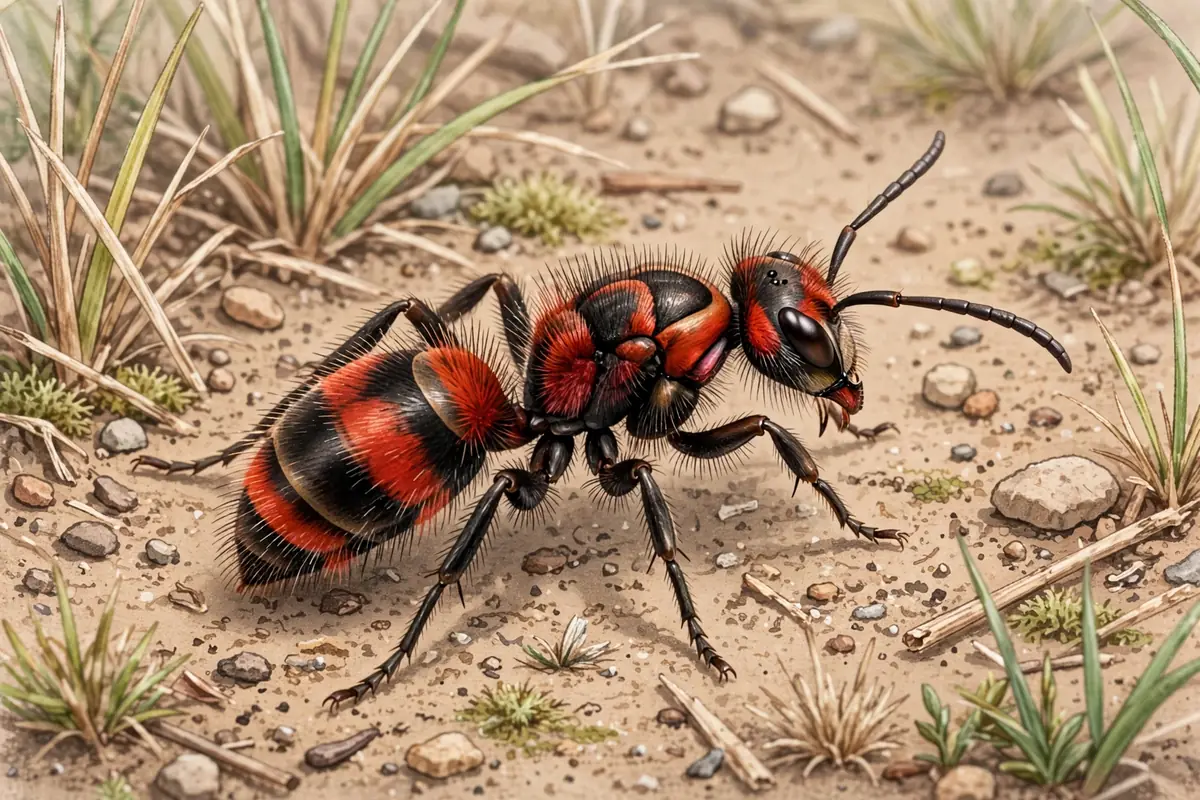
It looks like a giant fuzzy red ant, but that velvet ant on the ground is a wingless female wasp — and its sting is famous for a reason. If you need a velvet ant sting what to do plan right now: wash the site with soap and water, apply a cold compress, use an oral antihistamine or pain reliever per label directions, and rest the area while the intense pain fades. Full details, myths, and warning signs are below.
What a velvet ant actually is #
Velvet ants are not ants at all. They are wingless female wasps in the family Mutillidae, and their dense red, orange, black, or yellow hair gives them their velvet appearance. Only the females are wingless and ground-dwelling; males have wings and look like completely different insects.
Key facts to know:
- Only females sting. The stinger is a modified egg-laying organ (ovipositor), so winged males physically cannot sting — just like male bees and wasps generally.
- They are parasitoids. A female velvet ant searches out the nests of ground-dwelling bees and wasps, sneaks in, and lays her eggs on or near the host’s larvae. Her young feed on the host larvae and pupae. You find velvet ants on the ground in sandy or open areas, not on flowers or at picnics.
- They do not form colonies. Each female is solitary. There is no nest of velvet ants to disturb and no swarm to trigger, so multiple stings from velvet ants are essentially unheard of.
- They do not chase or attack people. Stings happen when someone steps on one barefoot, sits on one, or picks one up. They are ground-dwellers you encounter by accident.
The “cow killer” nickname refers to folklore, not biology: the eastern velvet ant’s sting is so painful that legend says it could drop a cow — an exaggeration, not a measure of lethality.
How bad is a velvet ant sting? #
Let’s be honest: this is one of the most painful insect stings in North America. On the Schmidt Sting Pain Index, the velvet ant rates around 3 out of 4 — described as explosive, hot, and long-lasting. Here is what is verified about the experience:
- Pain onset is immediate and intense. A sharp, burning sensation hits the moment the stinger lands.
- The worst of it lasts roughly 30–60 minutes, then gradually subsides into soreness over the next few hours. The whole episode commonly resolves within a day.
- The venom is less toxic than a honeybee’s. Despite the pain, velvet ant venom is actually less potent than honeybee venom — the sting’s reputation comes from the pain delivery, not from systemic danger. A healthy adult with no allergy can expect a miserable hour or two, not a medical crisis.
- Local swelling and redness follow the pain in most cases, and the site may stay tender for a day or two.
- Allergy caveat: as with any hymenopteran (bee/wasp/ant) sting, people with known venom allergies can have systemic reactions. The sting being “not dangerous” applies to non-allergic people.
Do not let the pain panic you. Intense pain is the sting’s signature, but for most people it is self-limiting — severe discomfort, not severe danger. Your job is to manage the pain, prevent infection, and watch for the handful of signs that mean something more is going on.
First aid: what to do right now #
There is no stinger left behind — velvet ant stingers retract — so your plan is cleaning, cooling, pain control, and watching.
Step-by-step:
- Get off the ground calmly. Make sure no more velvet ants are around (unlikely — they are solitary — but check where you were sitting or standing).
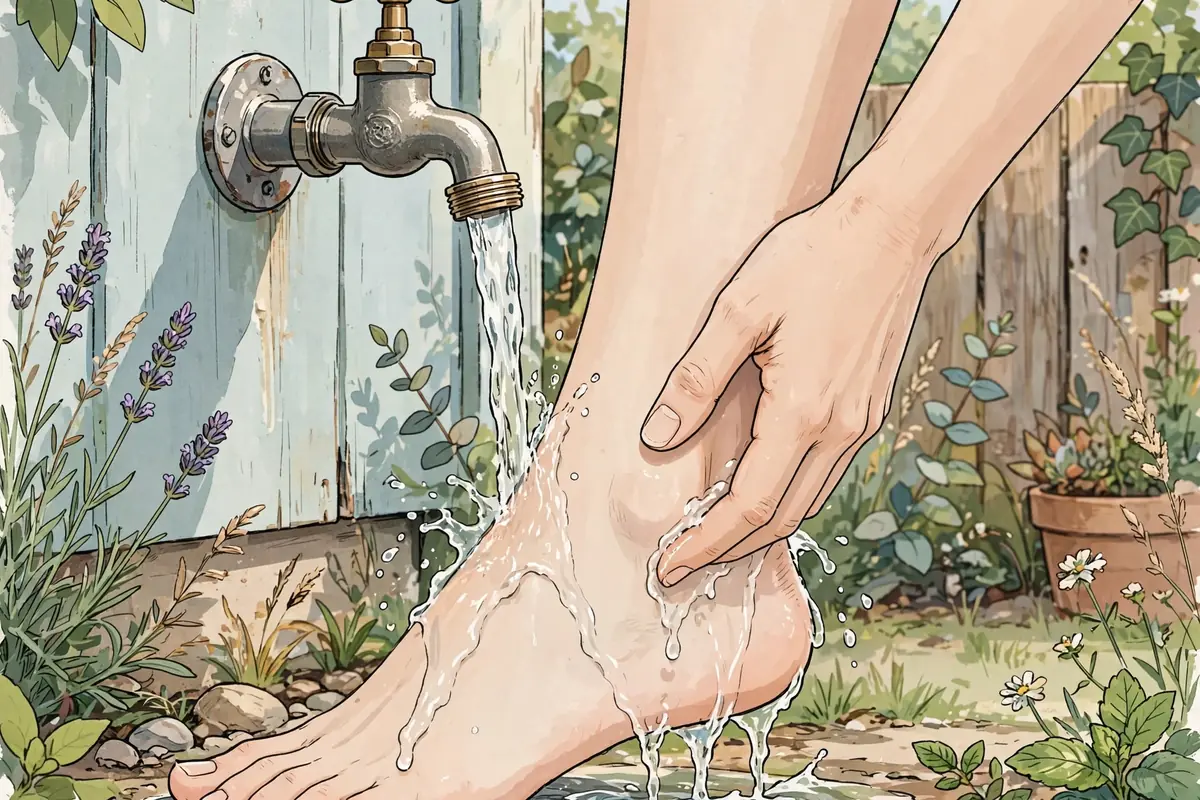
- Wash the site. Clean with soap and water to reduce infection risk, especially if you were in dirt or mulch. Pat dry.
- Apply a cold compress. Press a cold pack or ice wrapped in cloth on the sting for 10–15 minutes. Repeat as needed. Cold numbs the intense pain and limits swelling. For technique details, see how to use a cold compress on bites and stings.
- Control the pain. A pain reliever per label directions can take the edge off. For itching or swelling that follows, an oral antihistamine per label directions, or hydrocortisone cream or calamine lotion on the skin, are common home options.
- Elevate if it helps. If the sting is on a hand, foot, or limb, raising it slightly can reduce throbbing.
- Rest the area. Do not apply heat to the sting in the first hours — heat increases blood flow and can intensify the throbbing.
- Watch the clock. If the pain does not start easing within an hour or two, or swelling keeps growing past the first day, that is worth a call to your doctor or urgent care.
What NOT to do after a velvet ant sting #
Pain makes people reach for folk remedies. Skip these:
- Do not scratch the sting. Scratching a swollen, painful site breaks skin and invites infection — the one complication that can turn a self-limiting sting into a real problem. For the science of why, see why you should not scratch or squeeze a bite.
- Do not apply heat, hot compresses, or heating pads during the first hours. Heat worsens throbbing pain and swelling.
- Do not use unproven home remedies on broken skin. Meat tenderizer, bleach, alcohol soaks, and similar internet advice can irritate or damage skin. Stick to cleaning, cold, and label-directed over-the-counter options.
- Do not take someone else’s prescription medication — no borrowed steroids, no borrowed antibiotics. If you think you need a prescription, see a clinician.
Avoiding velvet ants outdoors #
You will not meet a velvet ant on a flower — you meet them on the ground, in the open, on warm days. They are most often noticed in summer, crawling on bare soil, sandy patches, mulch, patios, and pool decks.
Simple habits:
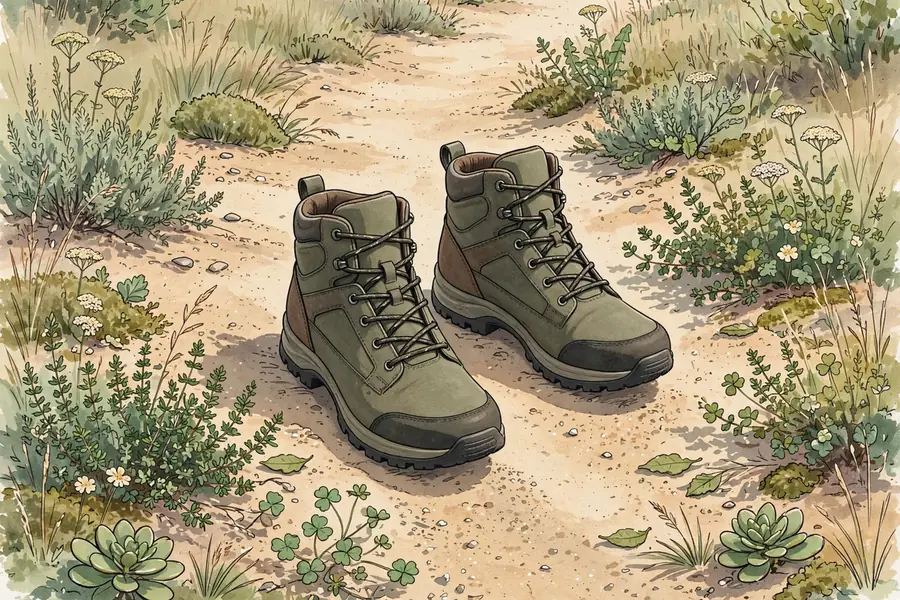
- Wear shoes outdoors. Barefoot encounters — stepping on one — are the number one way people get stung. Closed-toe shoes in the yard eliminate the risk almost entirely.
- Check before you sit. Scan ground cover, patios, and outdoor furniture for crawling insects before settling in.
- Do not pick one up. They are striking, fuzzy, and tempting to curious kids and adults alike. Look, photograph, admire — do not handle. Only females sting, but females are the ones you find on the ground.
- Watch kids and pets. Teach children the same “look, don’t touch” rule for any unfamiliar crawling insect. Pets that sniff at or paw ground insects can take a sting on the nose — watch for sudden pawing at the face or yelping in the yard.
- Keep the yard tidy but do not wage war. Removing ground-nesting bee and wasp nests (their hosts) nearby can reduce visits, but a professional is the safe route for any nest work.
Out at night? General outdoor habits for bite-prone outings are covered in the outdoor bite prevention checklist.
Warning signs: when to seek care #
Call 911 immediately if you develop trouble breathing or swallowing, swelling of the face, lips, tongue, or throat, widespread hives, dizziness or fainting, or a racing heartbeat after the sting. If you have been prescribed an epinephrine auto-injector, use it first, then call 911 — epinephrine buys time but does not replace emergency care.
Seek urgent care or call your doctor if the sting is in the mouth or throat or near the eye; if redness spreads well beyond the sting site or you see red streaks; if pus, increasing pain after the first day, or fever develops; if swelling does not improve after 3–5 days; or if you have known venom allergies and have not discussed a sting reaction plan with your allergist. Anyone with a history of systemic reactions to bee, wasp, or ant stings should treat every sting with extra caution — review anaphylaxis warning signs for stings before you need them.
Frequently asked questions #
Are velvet ants ants? #
No. Despite the name and the ant-like appearance, velvet ants are wingless female wasps in the family Mutillidae. The winged males look like typical wasps and cannot sting. True ants with painful stings (like fire ants) are a different family altogether.
How long does a velvet ant sting hurt? #
The most intense pain typically lasts about 30–60 minutes, then eases into soreness and tenderness that can linger for several hours to a day or two. The sting rates about 3 out of 4 on the Schmidt Sting Pain Index — among the most painful insect stings, though the venom is less toxic than a honeybee’s.
Can a velvet ant sting kill you? #
For a healthy person with no venom allergy, no — the sting causes severe pain but not systemic poisoning. The danger cases are the same as with any bee or wasp sting: anaphylaxis in allergic individuals, or infection from a poorly cared-for wound. That is why the warning signs above matter more than the pain itself.
What should I do if a velvet ant stings my dog or cat? #
Keep the pet calm and away from the area, and watch for face or muzzle swelling, vomiting, difficulty breathing, or unusual lethargy. Do not give human medications to animals — call your veterinarian for guidance.
Medical and editorial note #
This guide is general information about velvet ant stings and is not medical advice. Pain levels and reactions vary between individuals, and venom allergies can develop over time. If you are unsure about a reaction, have a known venom allergy, or feel unwell after a sting, contact a healthcare professional promptly.


