
The tick is off your skin. Now what? How to kill a tick after removal matters more than most people think — not because a detached tick is dangerous to you directly, but because careless handling (crushing it with bare fingers, tossing it live into the trash) creates risks you don’t need. Here are the safe methods, ranked, plus what to do before the tick is gone for good.
Four safe methods, ranked #
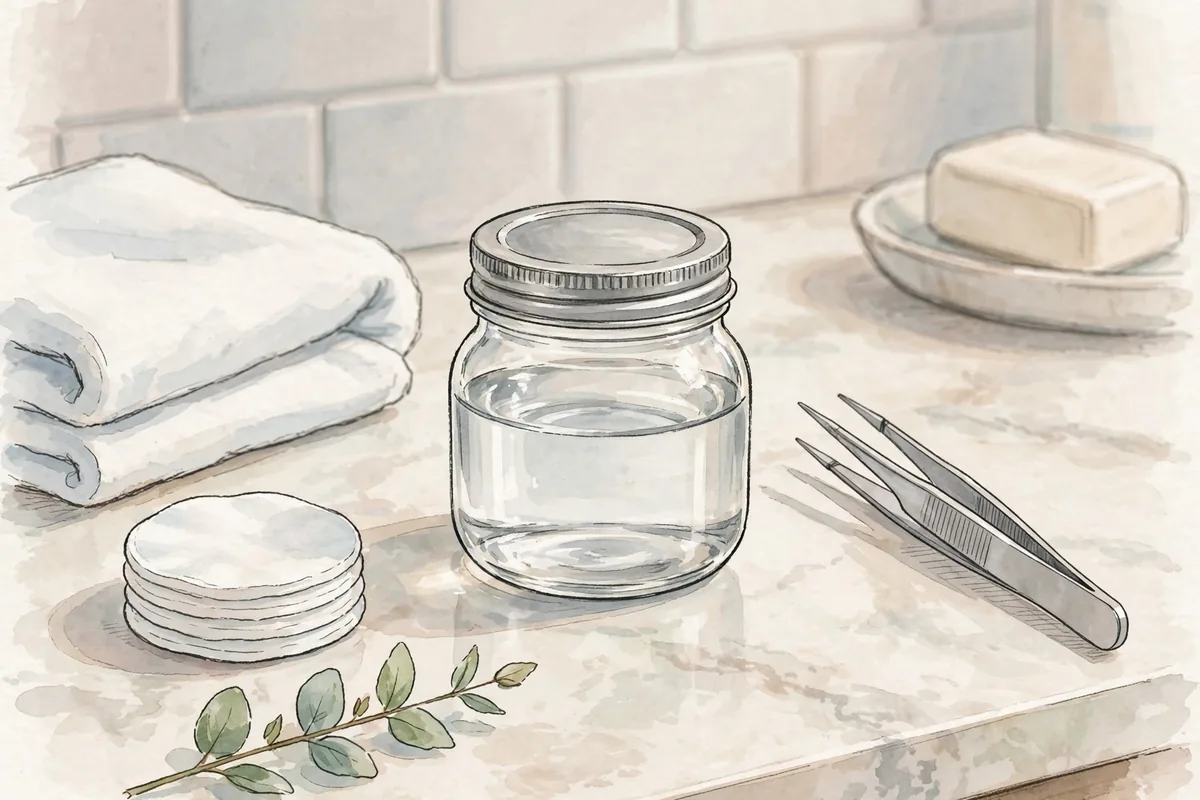
1. Drown it in rubbing alcohol. Drop the tick into a small sealed container or jar with rubbing alcohol (or hand sanitizer in a pinch). This kills it quickly and preserves it for identification. It’s the best all-around method because it keeps your options open — more on that below.
2. Flush it down the toilet. Simple, effective, and final. Wrap the tick in a bit of toilet paper and flush. This is the right choice if you have no interest in keeping the tick and just want it gone.
3. Seal it in tape. Fold the tick tightly inside a strip of packing or duct tape, then throw the tape away in a sealed outdoor trash bag. Tape entombment kills reliably and prevents escape. Avoid the regular trash can indoors, where a live tick could crawl out.
4. Submerge in hot water, then seal. Dropping the tick in very hot (not merely warm) soapy water kills it; seal the container afterward. This is more effort than it’s worth for most people, but it works.
What about burning it? Holding a lighter to a tick is a popular suggestion and it does kill them — but it also risks burns, especially on a squirming tick held in tweezers, and it’s unnecessary when alcohol or a toilet does the job safely. Skip it.
Why crushing with bare fingers is a bad idea #
Ticks carry whatever pathogens were in their gut, and crushing a tick between your fingers can expose broken skin, hangnails, or mucous membranes (if you touch your face) to tick fluids. Public-health guidance consistently says not to crush ticks with your fingers. The risk per incident is low, but the downside is real and the alternative — dropping it in alcohol — takes five seconds.
The same logic applies to squeezing the tick’s body during removal. Compressing the abdomen can force gut contents, including bacteria, back into the bite wound. That’s why proper removal technique grips the tick as close to the skin as possible with fine-tipped tweezers, as described in how to remove an attached tick safely. Handle every detached tick like a tiny biohazard: tweezers or tissue, never bare fingers.
Before you destroy it: what to record #
Once the tick is dead or gone, your memory of it fades fast — and that information has real medical value. Before disposal, note:
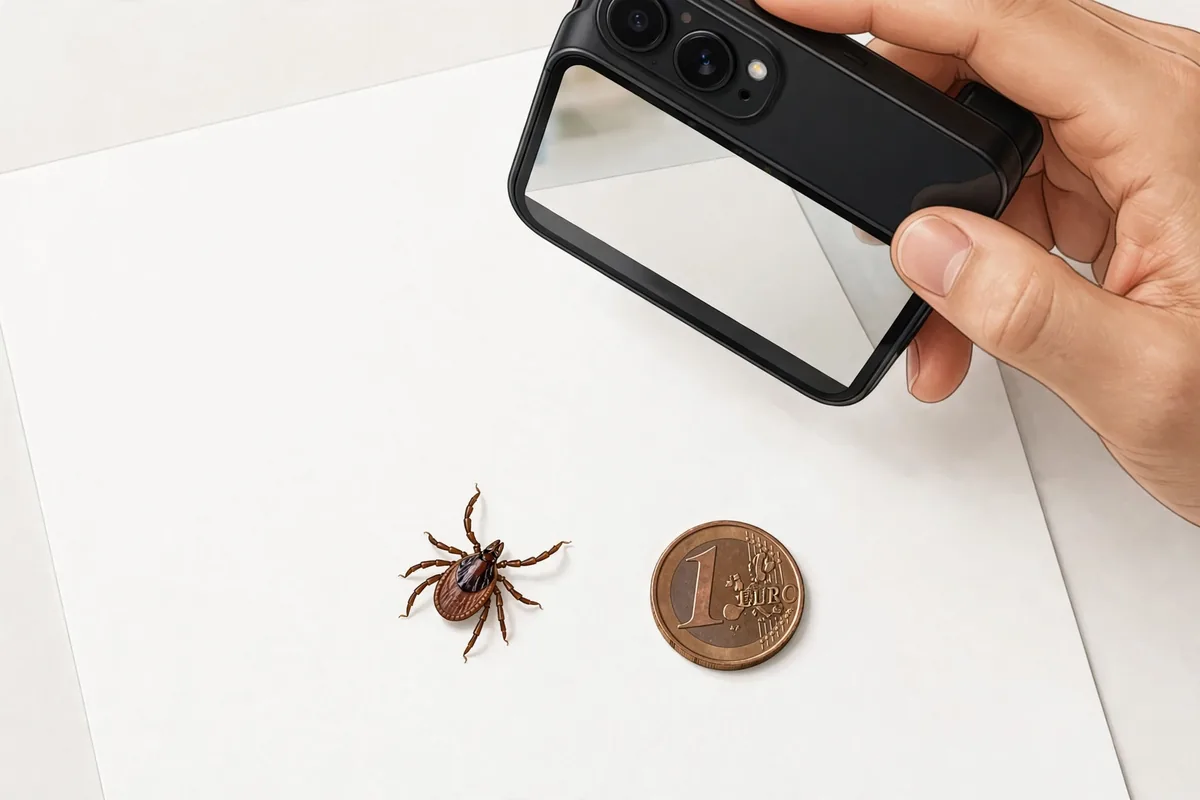
- What it looked like. Species matters enormously: blacklegged ticks transmit Lyme, lone star ticks transmit ehrlichiosis, dog ticks transmit Rocky Mountain spotted fever. Photograph the tick next to a coin for scale, top and underside if possible.
- How engorged it was. Flat (recently attached) versus bloated (feeding for days) changes your risk picture. Note your best guess.
- Where and when. Body location of the bite, the date you found it, and where you think you picked it up (hiking trail, backyard, dog park). This helps your doctor and helps you remember for the 30-day watch period.
- How you removed it. Came out cleanly in one piece, or did mouthparts break off? If fragments remain, see the guidance on tick bite aftercare for what to watch.
Write these details in your phone’s notes app with the date. Thirty days from now, when you’re trying to remember whether that bite was Tuesday or Thursday, you’ll be glad you did.
Should you save the tick instead of killing it? #
Sometimes, yes. Keeping the dead tick in a sealed, labeled container (a small jar with rubbing alcohol, or a zip bag with a damp cotton ball in the freezer) preserves two options:
- Species identification. A doctor or local health department can identify the species, which directly informs your risk assessment. A clear photo often suffices, but the physical specimen is definitive.
- Peace of mind. Many people simply feel better having the tick available “just in case” during the symptom-watch month.
What saving the tick does not do: provide a reliable shortcut to diagnosis. Commercial tick testing is widely available, but the CDC advises that tick test results should not drive treatment decisions. A positive tick test doesn’t mean you were infected (transmission depends on attachment time and other factors), and a negative test doesn’t rule out illness — you might have been bitten by another tick you never found. Doctors diagnose based on your symptoms, the exposure history, and — when appropriate — blood testing at the right time, not on what a lab says about one tick.
If you choose to save it, label the container with the date and bite location, and keep it somewhere you won’t forget. If you choose not to, that’s fine too — the photo and notes are the important part.
Clean up after handling #
After the tick is dealt with: wash your hands thoroughly with soap and water, disinfect the tweezers with rubbing alcohol or heat, and clean the bite site again. Wash any clothing you were wearing in hot water and dry on high heat — ticks can survive a cold wash. If the tick was found on a pet, check the pet fully and talk to your vet about tick prevention.
Warning signs: when to seek care #
Call 911 immediately if you have trouble breathing or swallowing, swelling of the face, lips, tongue, or throat, widespread hives, dizziness or fainting, or a racing heartbeat. If you carry an epinephrine auto-injector, use it as prescribed and still call 911.
Call your doctor if: a rash develops at the bite site or elsewhere within 30 days (especially an expanding, non-itchy rash), you develop fever, chills, headache, fatigue, or muscle and joint aches, the bite site shows increasing pain, spreading redness, warmth, or pus, or you develop new symptoms like joint swelling, facial droop, or heart palpitations in the weeks after the bite. Bring your tick notes and photo to the appointment.
Frequently asked questions #

Can a tick survive being flushed down the toilet? #
No, for practical purposes. A tick flushed down a toilet is gone — it can’t climb back up through the plumbing. This is one of the simplest reliable disposal methods.
Will a tick die if I just throw it in the trash? #
Not reliably, and it may crawl out. Ticks are hardy and can survive for weeks without feeding in the right conditions. If you must use the trash, seal the tick in tape or a sealed bag first and use an outdoor bin.
Does drowning a tick in water work? #
Plain water is unreliable — ticks can survive submersion for a surprisingly long time. Rubbing alcohol, on the other hand, kills quickly. If you only have water, add soap and use very hot water, then seal the container.
How long should I keep a saved tick? #
A month is a reasonable window, matching the symptom-watch period for Lyme disease. Label it with the date; after 30 symptom-free days, most people can discard it with confidence.
Medical and editorial note #
This page is general information about handling and disposing of ticks after removal and is not medical advice. What matters most medically is the bite itself — proper removal, documentation, and watching for symptoms over the following month. If you’re worried about a tick bite, contact a healthcare professional rather than relying on the fate of the tick.


