
If wasps or bees start chasing you, your instincts will be wrong: standing still, swatting, and jumping into water all make things worse. The correct response, backed by entomologists and agencies like the U.S. National Park Service, is simple — run away in a straight line as fast as you can toward enclosed shelter, protect your face and eyes while you run, and do not stop to fight them. Most healthy people can outrun a pursuing swarm.
The escape plan: do this the moment the chase starts #
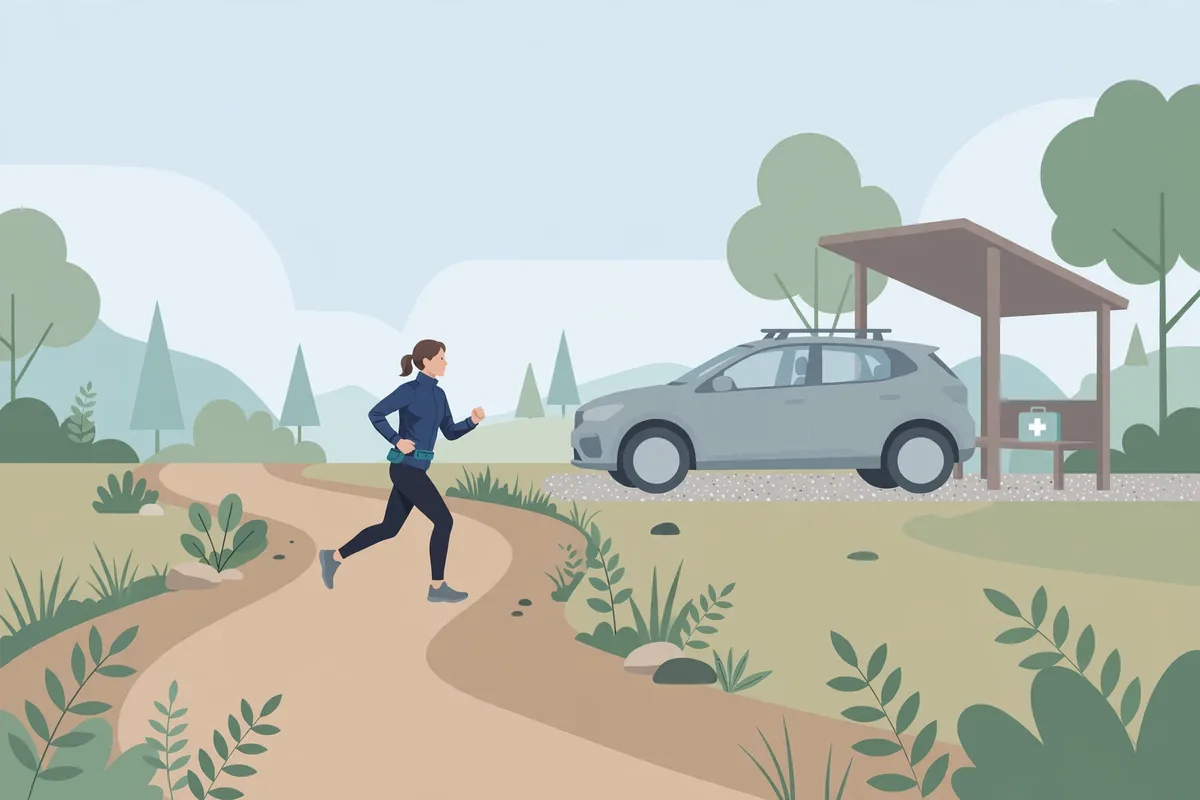
1. Run. Immediately. In a straight line. Do not freeze, and do not try to stand still to “fool” them — it does not work and buys the colony time to recruit more defenders. Run in a straight line away from the nest. A zigzag wastes energy and does not confuse the insects. Africanized honeybees, the most defensive type in the U.S., are slow fliers; most healthy adults can outrun them. Keep running for a substantial distance — sources advise at least 100 yards, and up to a quarter mile if no shelter is available, because defenders may follow you for several hundred feet.
2. Protect your face, eyes, and mouth as you run. Pull your shirt up over your head, or use your hands to shield your face while keeping gaps between your fingers so you can see. Stings to the face and eyes are far more serious than stings to the torso or limbs. If you have a jacket, blanket, or towel, throw it over your head — it will not stop every sting, but it shields the most vulnerable area.
3. Head for enclosed shelter. A building, a car, a public restroom — any structure with a door you can close. A few bees may follow you inside, but most will break off at the doorway, and bees trapped indoors in a lit room tend to head for windows, where you can deal with them calmly. If no shelter exists, keep running until the bees stop following, or run through dense bushes or tall weeds, which disrupts their flight.
4. Keep other people out of it. Run away from other people, not toward them. Once stung, your skin carries an alarm pheromone that marks you as a target and draws more defenders — anyone you run toward gets attacked too. If a companion cannot run (a child, an elderly person), cover them with a blanket or tarp, then leave to get help; do not stay and fight beside them.
Don’t do this: the mistakes that make it worse #
- Do not swat at them. Swatting crushes individual bees, releasing more alarm pheromone and recruiting more attackers. Arm-waving signals movement that keeps them agitated. Hands over your face; feet doing the running.
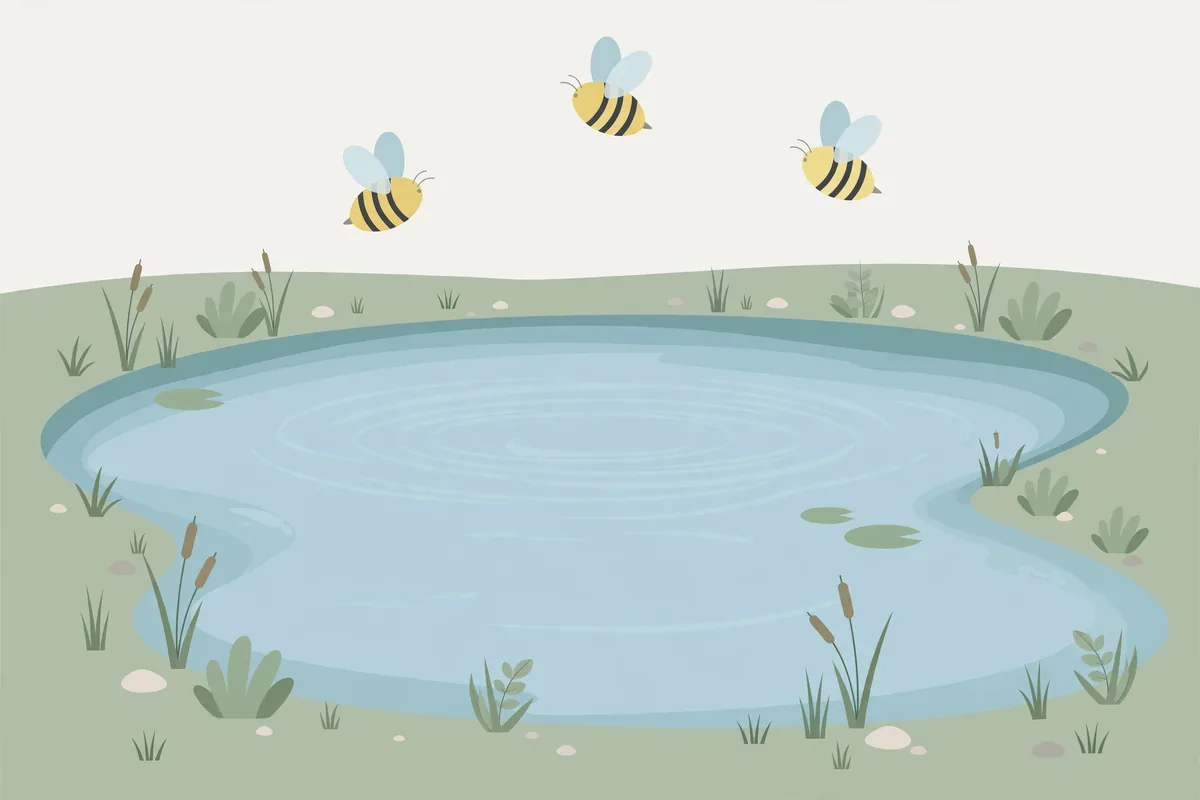
- Do not jump into water. This is the single most dangerous myth. Bees will not dive after you, but they will hover and wait — documented cases include swarms waiting for hours over a man in a lake, stinging him every time he surfaced. You drown, or you surface into more stings.
- Do not “play dead.” Lying still does not end an attack. Defending bees sting anything near the nest, moving or not.
- Do not stop for belongings. Your phone, backpack, and shoes are replaceable. Every second near the colony means more stings.
- Do not squeeze stingers out with tweezers while being chased. Stinger removal matters, but it can wait the 60 seconds it takes to reach safety. Get inside first.
Bees vs. wasps: why it changes the escape #
Honeybees sting once and die — after the attack, you remove stingers from your skin. Wasps and yellowjackets, however, keep their stingers and can sting repeatedly, so they can keep hitting you for the whole run. That makes wasp chases more urgent, not less. Also note: a single disturbed yellowjacket ground nest can send out dozens of defenders at once, so the swarm you are running from may be larger than it looks. Either way, the escape is the same — run straight, protect the face, find shelter.
Once you reach safety: immediate aftercare #
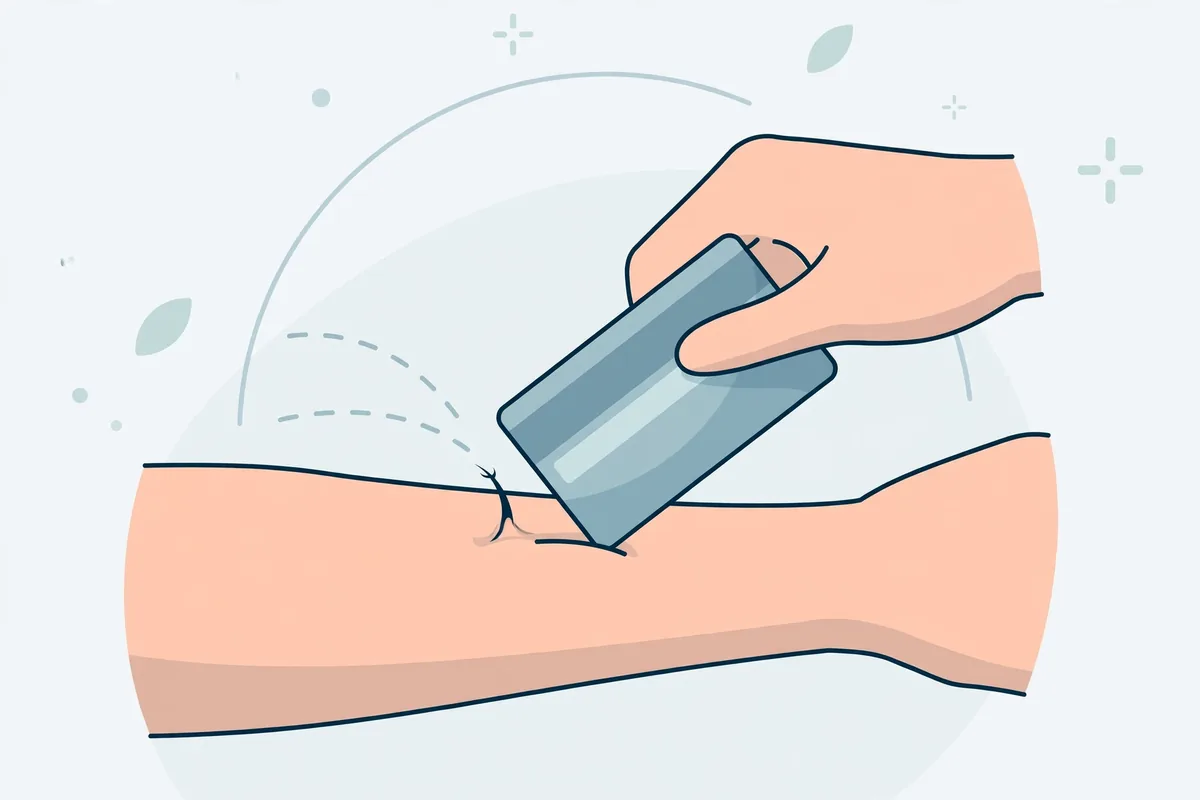
- Remove stingers now. If honeybees stung you, scrape each stinger out sideways with a fingernail or credit card. The venom sac pumps for up to 10 minutes, so every minute counts. The remove bee stinger guide covers the technique.
- Wash the stings. Soap and cool water, pat dry.
- Apply ice. Cold packs for 15 minutes per hour through the first day reduce swelling and pain; see cold compress bites stings.
- Take an oral antihistamine per the label for itching and swelling, and an OTC pain reliever if needed.
- Watch for 30 to 60 minutes. Most severe allergic reactions start within this window. Do not drive yourself to the ER if you feel dizzy or your breathing changes — call 911.
- Count your stings. Multiple stings (roughly 10 or more) merit a call to your doctor or urgent care even without allergy symptoms, because venom load itself can make you sick. Review the multiple stings medical care guide.
Warning signs: when to seek care #
Call 911 immediately for: trouble breathing or swallowing; swelling of the face, lips, tongue, or throat; widespread hives or a rash far from the sting sites; dizziness, fainting, or a racing pulse; nausea or vomiting after the stings. These signal anaphylaxis, a life-threatening allergic reaction. Use a prescribed epinephrine auto-injector as directed. Even without allergy signs, get medical care for 10+ stings, stings to the eyes, or stings inside the mouth or throat. See anaphylaxis sting warning signs for the full list.
Frequently asked questions #
Can bees really chase you for a long distance? #
Yes. Defensive honeybees, especially Africanized colonies, can pursue intruders for several hundred yards — some sources say up to a quarter mile. That is why “run 50 feet and stop” fails. Keep running until the bees are gone, and run toward shelter the whole way.
Why shouldn’t I jump in a pool or lake to escape bees? #
Because the bees do not leave. They hover over the water and sting your head and face each time you come up for air — and your head is the first thing to emerge. Documented cases describe swarms waiting for hours. The result is exhaustion, drowning risk, and more stings. Run to shelter instead.
Does wearing dark clothing really attract bees? #
Defensive honeybees key on dark, moving targets — an evolutionary response to predators like bears and honey badgers. Light-colored clothing is genuinely less provocative, and entomologists advise avoiding dark colors in areas with aggressive bee populations. It is one of the few “avoidance tips” with real evidence behind it.
I was stung dozens of times but I am not allergic. Do I still need a doctor? #
Yes — call your doctor or go to urgent care. Venom toxicity is separate from allergy: a large number of stings can cause nausea, vomiting, fever, headache, and in rare cases kidney injury or muscle breakdown. Ten or more stings is a common threshold for getting checked, and children need evaluation at lower counts. See multiple stings medical care.
Medical and editorial note #
This article summarizes widely published escape guidance from entomologists and land-management agencies and is general information, not medical advice. If you have a known allergy to bee or wasp venom, carry your prescribed epinephrine auto-injector outdoors and follow your allergist’s emergency plan. After any multi-sting attack, seek medical evaluation even if you feel fine — venom effects can develop over hours. When in doubt, call 911.


