

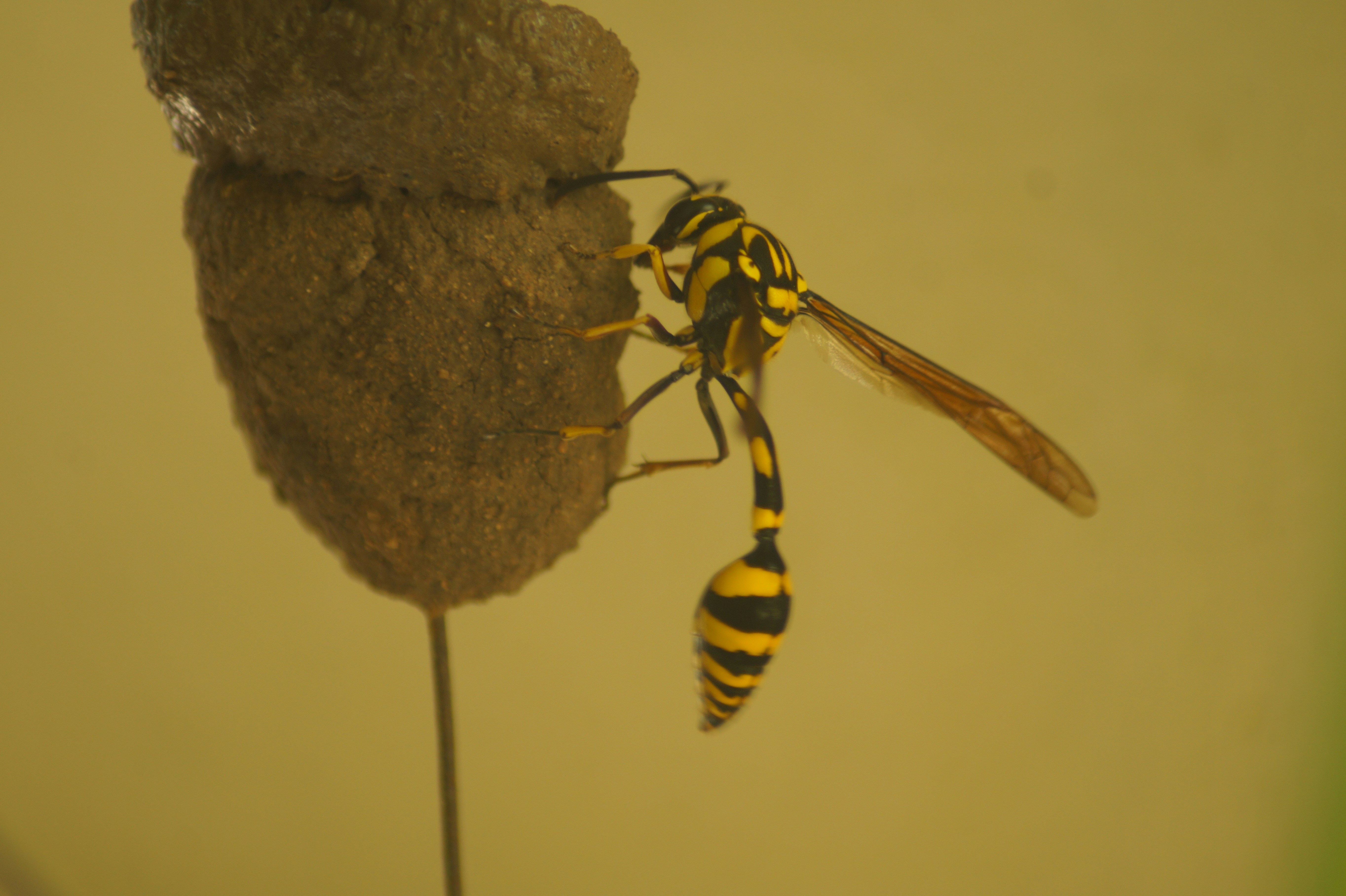
What to Expect When Stung by a Yellow Hornet
A yellow hornet sting is often characterized by immediate and painful sensations, which can be quite acute. The venom of the yellow hornet, known for its potency, enters the body and triggers a series of physiological responses. Initially, upon being stung, an individual may experience sharp pain that can be likened to a needle prick, which quickly escalates to a throbbing ache. The intensity of this pain can last for several hours and is attributed to the compounds within the venom that act on the nerve endings in the skin.
In addition to pain, localized swelling and redness commonly follow the sting. The body reacts to the venom as a foreign substance, leading to inflammation that may cause the affected area to become significantly swollen. This swelling is often accompanied by warmth and tenderness, and its duration can vary depending on an individual’s sensitivity to hornet venom. While most people experience only mild symptoms, allergic reactions can occur and may lead to more severe consequences.
In some cases, the body’s immune response can trigger allergic reactions, which range in severity. Mild symptoms may include hives or itchiness, while more severe reactions can manifest as difficulty breathing, swelling of the throat, or anaphylaxis. It is critical for individuals who have previously experienced such reactions to carry emergency epinephrine injectors and seek immediate medical attention should they be stung again.
Typically, the acute symptoms resulting from a yellow hornet sting can last from a few hours to a couple of days, depending on the individual’s reaction and treatment. Prompt and appropriate care can mitigate the effects of the sting and hasten recovery.
Immediate Treatments for a Hornet Sting
Experiencing a yellow hornet sting can be painful and alarming, but there are effective treatments available that can help alleviate discomfort. The primary goal in the immediate aftermath of a sting is to soothe the area and prevent further complications. Here are some recommended treatments that can be administered right away.
First and foremost, cleaning the sting site is crucial. Use soap and water to thoroughly clean the affected area; this helps to remove any venom and reduces the risk of infection. After cleaning, applying a cold compress can significantly help in alleviating swelling and pain. This can be achieved by wrapping ice or a cold pack in a cloth and applying it to the sting site for 10 to 15 minutes. The cold temperature helps to constrict blood vessels, therefore minimizing inflammation.
In addition to cold therapy, over-the-counter pain relief options such as ibuprofen or acetaminophen can be effective in managing pain associated with the sting. Always follow the dosage recommendations provided on the medication packaging for safety. For those who experience itching, antihistamines like diphenhydramine can provide relief and can also reduce allergic reactions. Yet, it is imperative to use these medications as directed, to avoid any unnecessary side effects.
If there is noticeable swelling or ongoing discomfort, it may be beneficial to apply a topical steroid cream, such as hydrocortisone, to the treated area. This can help reduce inflammation and soothe itchiness. Remember that while these treatments can provide significant relief, monitoring for any signs of a severe allergic reaction or anaphylaxis is crucial, particularly if the individual has a history of such reactions to insect stings. In severe cases, seeking medical attention is advised.
How to Treat a Yellow Bee Sting
Treating a yellow bee sting, particularly from a yellow hornet, involves specific steps, as their stings can differ in severity and symptoms from those of typical honeybees. Understanding the immediate response and follow-up treatment is crucial for effective relief and recovery. The first step is to remain calm. Panic can exacerbate the pain and discomfort associated with the sting.
Upon being stung, it is important to remove any stinger if it has been left behind. This is often not applicable to hornet stings, as they typically do not leave behind a stinger like honeybees do. However, if you happen to encounter a scenario involving a honeybee, carefully scrape the stinger away using the edge of a credit card or a similar object to avoid squeezing more venom into the skin. After handling the stinger, wash the affected area with soap and water to minimize the risk of infection.
The application of a cold pack can help reduce swelling and numb the pain. Applying the cold pack for about 15 to 20 minutes several times a day can provide significant relief. Over-the-counter medications, such as ibuprofen or acetaminophen, can help manage pain, while antihistamines may alleviate itching and swelling. For some individuals, a more natural remedy involves the application of a paste made from baking soda and water, which can soothe the irritation.
However, serious allergic reactions can occur due to yellow hornet stings, which may require immediate medical attention. Signs of an allergy include difficulty breathing, swelling of the face, or severe dizziness. In such cases, using an epinephrine autoinjector, if available, and contacting emergency services is critical. Consultation with a healthcare professional is recommended if the symptoms persist or worsen, ensuring proper evaluation and treatment.
Treatment Options for Yellow Wasp Stings
Experiencing a yellow wasp sting can be both painful and alarming; however, appropriate treatment options can alleviate discomfort and promote healing. Upon being stung by a yellow wasp, immediate first aid is crucial. Begin by carefully removing the stinger if present, since it can continue to release venom. Using a pair of tweezers or the edge of a credit card, gently scrape the area to prevent squeezing additional venom into the skin.
Following the removal of the stinger, clean the affected area with soap and water to minimize the risk of infection. An ice pack wrapped in a cloth can be applied to the area for about 15-20 minutes. This will help reduce swelling and numb the pain. Additionally, over-the-counter antihistamines, such as diphenhydramine, may be utilized to manage itching and swelling. Applying hydrocortisone cream can also help alleviate localized irritation.
It is important to monitor the sting site for indications of an allergic reaction, such as difficulty breathing, swelling of the face or throat, or widespread hives. These symptoms necessitate immediate medical attention as they may signal a severe allergic response. In rare cases, individuals may require an epinephrine injection to treat anaphylactic shock. For those experiencing persistent pain or swelling beyond a few days, seeking medical advice is advisable.
In summary, properly treating a yellow wasp sting involves immediate first aid measures along with symptomatic relief options. Keeping an eye on the affected area and being vigilant for severe allergic reactions can prevent complications and ensure timely response to any adverse signs.
Understanding the Toxicity of Yellow Wasps
The term “toxic” often invokes a sense of fear regarding various insects, including yellow wasps. However, it is critical to distinguish between venom and poison in this context. Yellow wasps, particularly those belonging to the Vespidae family, are defined as venomous creatures. This means they deliver toxins through their stings rather than through ingestion or absorption. The venom from a yellow wasp sting contains proteins that can affect the body’s cells and immune system, potentially leading to pain, swelling, and, in severe cases, allergic reactions.
While most encounters with yellow wasps result in localized pain and irritation, there is a notable risk for some individuals who may be allergic to their venom. An immediate allergic response to a yellow wasp sting can lead to anaphylaxis, a life-threatening condition that requires urgent medical intervention. Symptoms of an allergic reaction may include difficulty breathing, swelling of the throat, a rapid pulse, and dizziness. It is of utmost importance for individuals who have experienced severe reactions in the past to carry an epinephrine auto-injector as a precaution.
In general, yellow wasps are not aggressive unless provoked. They play a significant role in the ecosystem, aiding in the pollination of various plants and controlling pest populations. Most people can safely coexist with these insects without excessive fear. Understanding their behavior and nesting patterns can further minimize encounters. For instance, avoiding areas with visible nests, especially during late summer and early fall when wasps are most active, can reduce the likelihood of stings.
In conclusion, while yellow wasps are not poisonous, their venom can pose risks to susceptible individuals. Recognizing and respecting their space is essential for safety and maintaining a harmonious environment.
Quick Remedies for Healing a Wasp Sting
Experiencing a wasp sting can be unpleasant, prompting the need for effective remedies to alleviate discomfort. There are several approaches, ranging from natural remedies to over-the-counter products that can aid in the recovery process.
One of the most commonly recommended home remedies is to apply a cold compress to the affected area. This method helps by reducing swelling and numbing the pain. Simply wrap ice in a cloth and apply it to the sting site for about 15 minutes, ensuring you avoid placing ice directly on the skin to prevent frostbite. Another popular option is using a paste made from baking soda and water. Combining one tablespoon of baking soda with a small amount of water creates a paste that can sooth itching and irritation.
Additionally, vinegar, particularly apple cider vinegar, is frequently cited for its potential effectiveness in neutralizing the venom’s acid. Apply a small amount of vinegar on a cotton ball and press it against the sting for around 30 minutes, which can assist in alleviating both pain and swelling.
For those who prefer over-the-counter solutions, antihistamines can help reduce allergic reactions, providing relief from itching and swelling. Medications such as diphenhydramine (Benadryl) are commonly used. Moreover, topical ointments such as hydrocortisone cream can be beneficial for easing inflammation and itching.
Furthermore, if you find the sting to be particularly bothersome, ibuprofen or acetaminophen may be taken to manage pain effectively. Always adhere to the recommended dosage indicated on the medication package.
Combining these remedies provides a comprehensive approach to managing a wasp sting effectively, ensuring a smoother and quicker recovery while minimizing discomfort.
The Consequences of Not Treating a Wasp Sting
Wasp stings, while often perceived as a minor irritation, can lead to potentially serious consequences if left untreated. One of the immediate concerns is the risk of an allergic reaction, a condition that can vary significantly among individuals. Some people may experience severe allergic responses, known as anaphylaxis, which can be life-threatening. These reactions often develop rapidly within minutes of being stung and require immediate medical intervention.
Aside from allergy-related issues, untreated wasp stings may also lead to other health complications, including infections. The puncture made by a wasp sting can introduce bacteria into the skin, particularly if the area is not cleaned properly or if the individual scratches the site of the sting. Infections can result in increased pain, swelling, and redness, demanding further medical treatment.
Furthermore, individual responses to wasp stings differ based on various factors, including age, overall health, and previous experiences with stings. Some individuals might not show immediate signs of distress, leading them to underestimate the severity of the situation. However, minor localized symptoms can escalate if proper care is not administered. For instance, while one person may experience only mild swelling, another may develop significant swelling that interferes with daily functions or even breathing.
It is also crucial to note that recurring stings can exacerbate sensitivity, making individuals more vulnerable to future allergic reactions. Therefore, even in cases of mild symptoms, it is advisable to seek treatment to monitor any physiological changes and prevent escalation. Thus, understanding the potential consequences of not treating a wasp sting is vital to safeguard one’s health and well-being.
The Benefits of Coconut Oil for Wasp Stings
Coconut oil is increasingly recognized for its numerous health benefits, including its efficacy as a home remedy for wasp stings. The oil is derived from the fruit of the coconut palm and possesses anti-inflammatory, antiviral, and antimicrobial properties. These attributes not only aid in reducing pain and swelling associated with wasp stings but also help prevent potential infections that may arise from the sting site.
Upon application, coconut oil acts as a skin barrier, locking in moisture and soothing the irritated area. Its rich composition of fatty acids, particularly lauric acid, contributes to its healing properties. This makes coconut oil an excellent choice for easing the discomfort caused by the venom injected during a wasp sting.
To effectively use coconut oil as a remedy for wasp stings, follow these steps:
- Immediately after being stung, gently clean the affected area with soap and water to remove any venom residue and reduce the risk of infection.
- Pat the area dry with a clean towel.
- Take a small amount of pure coconut oil (preferably organic) and rub it between your palms to warm it slightly, which makes it easier to apply.
- Gently massage the coconut oil into the sting site, allowing it to penetrate the skin for maximum relief.
- Repeat this process as needed, especially after washing your hands or if the oil is worn off due to contact with clothing or fabrics.
In addition to providing immediate relief, regular application of coconut oil may promote faster healing. Individuals with allergic reactions to wasp stings should, however, consult a healthcare professional for appropriate medical advice.
Comparing Medicines for Wasp Stings: Which is the Best?
When faced with a wasp sting, choosing the right medication can significantly influence the recovery experience. Various over-the-counter (OTC) medications are available, each with distinct properties and effectiveness against the symptoms of wasp stings. Primarily, these products can be categorized into topical treatments, oral antihistamines, and pain relievers.
Topical treatments, such as hydrocortisone cream or calamine lotion, are particularly effective in reducing local inflammation and itching. These products typically offer relief within a short period, making them ideal for immediate treatment. Users should apply the cream directly to the affected area to alleviate the symptoms stemming from the sting.
Oral antihistamines like diphenhydramine (Benadryl) are beneficial for managing allergic reactions. They work by blocking histamine—a substance in the body that triggers allergic responses. For patients who experience significant swelling or itching, taking an antihistamine can provide relief. It is important to note that antihistamines may cause drowsiness, so individuals should exercise caution when re-engaging in daily activities afterwards.
In addition to these, non-steroidal anti-inflammatory drugs (NSAIDs) such as ibuprofen can be helpful for pain management. These medications address both pain and inflammation, providing a dual-action remedy that may be particularly useful if the pain from the sting is substantial. Using a combination of topical treatments with oral medication can often yield the best results.
In conclusion, the most effective management of wasp stings involves understanding one’s individual symptoms and preferences. Topical creams are swift for local irritation, while antihistamines and NSAIDs effectively manage broader systemic reactions. Choosing the appropriate medication based on symptom severity will enhance recovery and comfort post-sting.