Newsletter Subscribe
Enter your email address below and subscribe to our newsletter

 ByQamar
Compare lone star tick and oak mite exposures, common symptoms, tick removal, and warning signs that need medical attention.
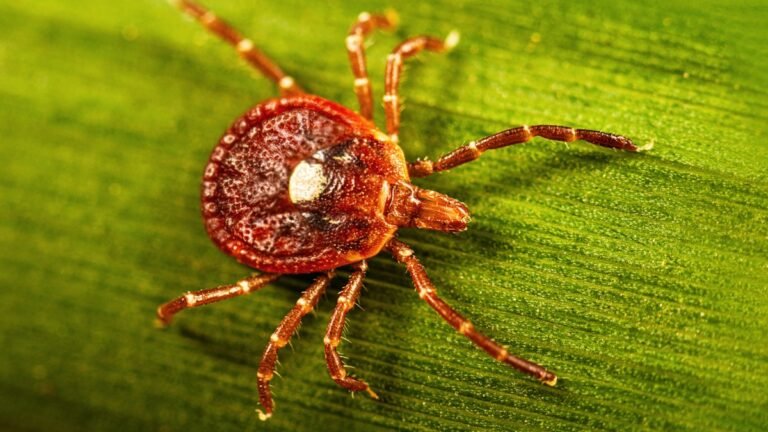
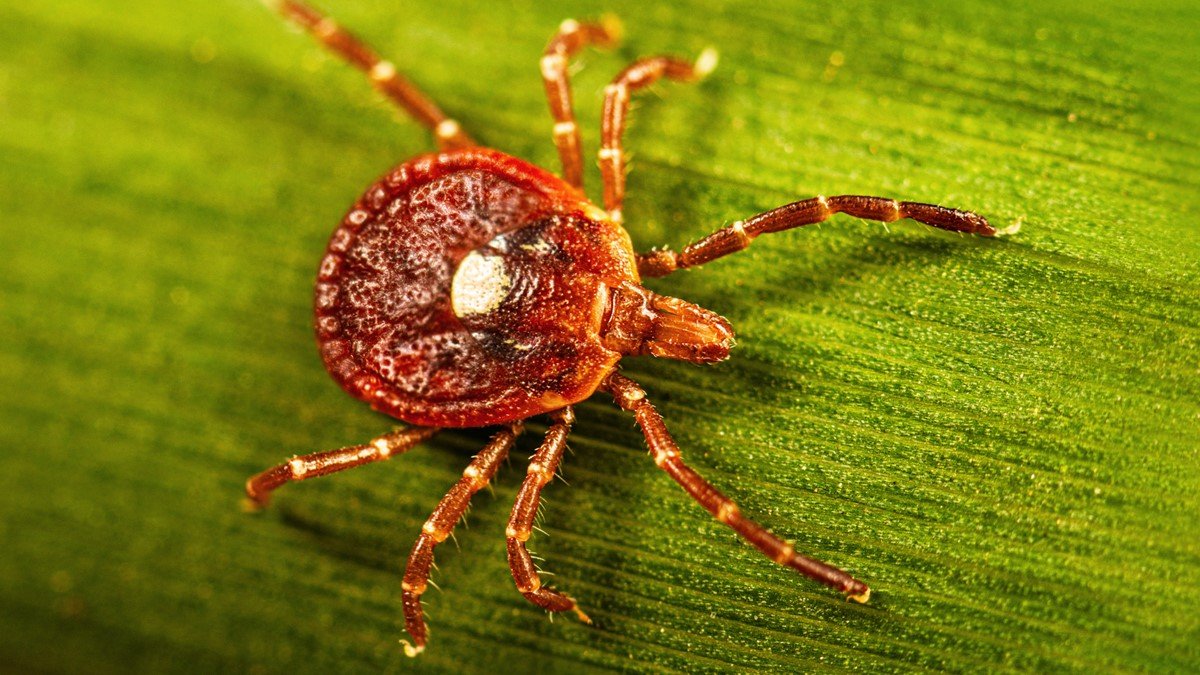
Quick answer: An attached tick is the clearest clue to a tick bite. Oak leaf itch mite exposure is more likely after time near infested oak trees, with itching that appears later. Neither the shape nor color of a bump reliably identifies the cause.
Get emergency help: In the United States, call 911 for trouble breathing, tongue or throat swelling, collapse, or rapidly worsening whole-body symptoms. Use prescribed epinephrine as directed for suspected anaphylaxis.
| Clue | Lone star tick bite | Oak leaf itch mite bite |
|---|---|---|
| Exposure | A tick attached after time in brush, grass, or wooded areas. | Possible exposure near oak trees; tiny mites may go unnoticed. |
| Timing | The bite may be unnoticed while the tick remains attached. | Itching commonly begins hours after exposure. |
| Main concern | Prompt tick removal and monitoring for later illness. | Itchy dermatitis and skin damage from scratching. |
Oak leaf itch mites can drop from affected trees onto exposed skin. A group of people becoming itchy after the same outdoor activity is useful context, but it still does not establish a diagnosis. An expanding rash or fever after a tick encounter needs medical assessment, even if the original bump seems minor.
Source context: CDC: Tick species and distribution; Kansas State University: Oak leaf itch mites.
For the other suspected exposure, leave the source, wash gently, and use a wrapped cold pack for local discomfort. Do not dig into an unexplained mark. If you never saw the cause, keep the identification uncertain. CDC tick-removal guidance explains the technique and follow-up.
Seek prompt advice for significant or worsening pain, rapidly spreading swelling, pus, red streaking, fever, new widespread symptoms, or symptoms near an eye. Involvement of the mouth or throat, major weakness, or rapid deterioration needs urgent attention.
Call 911 for breathing or swallowing difficulty, tongue or throat swelling, fainting, or a rapidly progressing severe allergic reaction. Follow a prescribed epinephrine plan. Do not wait to identify the animal before getting emergency help.
Write down the exposure date, location, activity, and symptoms. A dated photograph in consistent lighting can help show change. Record whether the affected area is improving, stable, or worsening, and note symptoms elsewhere in the body.
Share recent travel, previous reactions, medicines used, and relevant health conditions with the clinician. Skin tone and lighting affect how redness looks, so do not rely on color alone. An improving local reaction without new symptoms is more reassuring than a worsening one, but no online comparison can give an individual all-clear.
No. A photograph can document a change, but several bites, allergic reactions, and infections look alike. A useful animal photograph and an exposure timeline provide context for a clinician.
Keep the cause uncertain. Record when symptoms began, where you were, recent travel, and whether symptoms are improving or worsening. Do not treat the article title as a diagnosis.
No. The original exposure and a possible later infection require different decisions. A clinician can determine whether a medicine is appropriate; an unexplained bump alone does not establish that need.
Educational information for US readers; not an individual diagnosis. Source links checked September 12, 2026. This article does not claim review by a medical professional.