| Author | Dr. Alex Thorne |
| Credentials | Board-Certified Entomologist and Clinical Toxicologist |
| Author Bio | Dr. Thorne specializes in venom research and emergency first aid. |
| Medically Reviewed By | Dr. Elara Vance, M.D., F.A.C.E.P. (Board Certified Emergency Medicine) on October 25, 2025. |
| 🔑 Key Keyaways |
| A Yellow Sac Spider (Cheiracanthium species) bite typically causes immediate, sharp, burning pain that lasts 30–60 minutes, followed by a local reaction. The symptoms are generally mild and localized, resulting in a small, red, itchy, or swollen bump that resolves within a few days. While historically, some cases linked this bite to minor necrosis (tissue damage), modern clinical evidence overwhelmingly categorizes it as a harmless bite with effects comparable to a mosquito or wasp sting. Severe systemic reactions are rare. |
Symptoms and Progression of a Yellow Sac Spider Bite
The symptoms of a Yellow Sac Spider bite are generally confined to the area of the bite, making it distinct from the systemic effects of a Black Widow or the severe necrosis of a Brown Recluse.
| Timeline | Symptom | Rationale |
| Immediate (0–5 Minutes) | Sharp, burning pain or a stinging sensation comparable to a wasp sting. | Caused by the immediate injection of the spider’s mild venom. |
| Early (5–60 Minutes) | Redness and swelling around the puncture site, often accompanied by residual, throbbing pain. | The body’s localized inflammatory response to the venom. |
| Intermediate (1–3 Days) | The bite develops into a small, red, raised bump that may look like a pimple. Itching may increase during this phase. | The body is clearing the venom. If a blister forms, it is usually small and resolves quickly. |
| Resolution (7–10 Days) | Symptoms fade completely. No significant scarring or long-term damage is usually observed. |
Visual Appearance
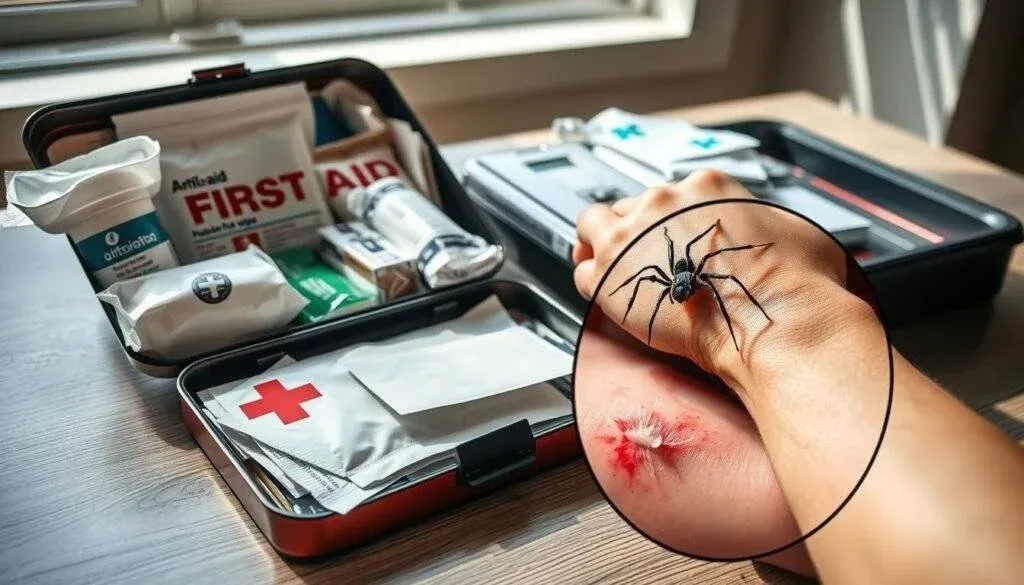
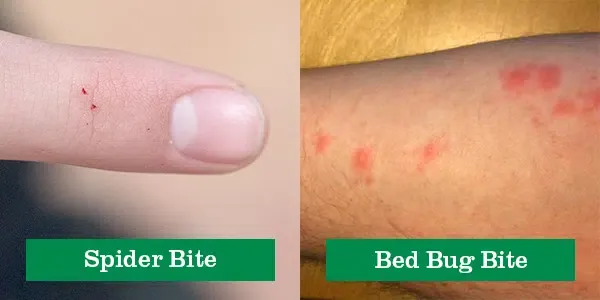
The bite site typically has two tiny red puncture marks (fang marks), though these are often difficult to see. The area is red and swollen, closely resembling a common insect bite.
2. When to Seek Medical Attention
Due to the misidentification of various skin lesions, all worsening spider bites should be medically evaluated to rule out serious bacterial infections (like MRSA) which are often mistaken for spider bites.
Signs of Infection (Cellulitis): If the bite area shows spreading redness, warmth, pus drainage, or if the patient develops a fever or swollen lymph nodes.
Systemic Symptoms (Rare): If the patient experiences nausea, general body aches, or excessive sweating.
Growing Lesion: If the lesion rapidly increases in size or becomes a large, open, weeping wound (ulcer).
3. Treatment and First Aid
Treatment focuses on managing the immediate pain and preventing secondary infection.
Clean: Wash the bite area thoroughly with soap and water.
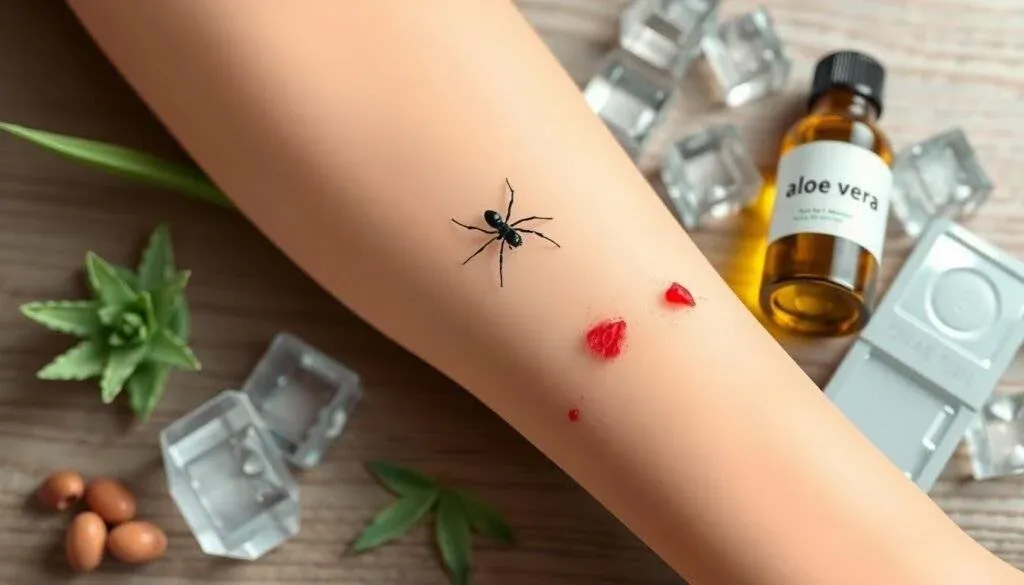
Cold Compress: Apply a cold compress or ice pack for 10–15 minutes at a time to reduce pain and swelling.
Elevation: Elevate the affected limb to reduce fluid accumulation.
Symptom Relief: Take an oral NSAID (like Ibuprofen) for pain relief and an oral Antihistamine for itching.

FAQs: Yellow Sac Spider Bite Symptoms and Pictures
1. What are the common symptoms of a yellow sac spider bite?
Symptoms include redness, swelling, itching, mild pain, and sometimes a small blister. Severe reactions are rare but possible.
2. How can I identify a yellow sac spider bite?
Look for a small, raised red bump, often surrounded by redness and mild irritation. Pictures can help distinguish it from other insect bites.
3. Are yellow sac spider bites dangerous?
Most bites are mild, but allergic reactions or secondary infections may occur in rare cases.
4. How should I treat a yellow sac spider bite at home?
Wash the area with soap and water
Apply cold compresses to reduce swelling
Use anti-itch creams or calamine lotion
Take oral antihistamines if recommended
5. When should I see a doctor?
Seek medical care if you experience severe pain, spreading redness, pus formation, fever, or difficulty breathing.
6. Can yellow sac spider bites leave scars?
Generally, they heal without scarring, but scratching or infection may increase the risk of marks.
Final Thoughts
Yellow sac spider bites can be painful and may cause redness, swelling, and itching at the bite site. While most bites are not dangerous, proper care is essential to prevent infection and reduce discomfort. Identifying bites using symptoms and pictures helps ensure timely treatment. Cleaning the bite, applying cold compresses, and monitoring for unusual reactions are key steps. If severe pain or systemic symptoms occur, seek professional medical care immediately.