| Author | Dr. Alex Thorne |
| Credentials | Board-Certified Entomologist and Clinical Toxicologist |
| Author Bio | Dr. Thorne specializes in venom research and emergency first aid. |
| Medically Reviewed By | Dr. Elara Vance, M.D., F.A.C.E.P. (Board Certified Emergency Medicine) on October 25, 2025. |
| 🔑 Key Takeaways |
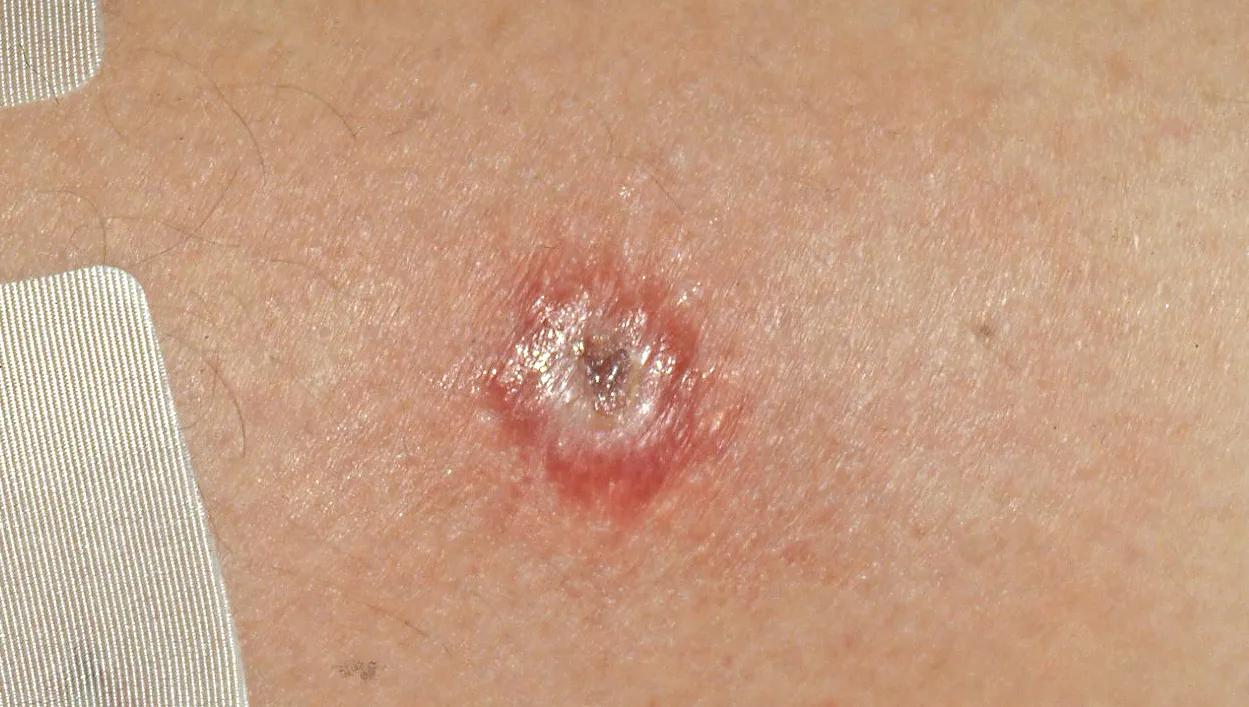
| A bug bite that keeps coming back years later is not a re-activation of the original injury but a form of chronic skin inflammation triggered by the body’s lasting sensitivity to the insect’s saliva or venom. This condition is known as a Persistent Insect Bite Reaction or Prurigo Nodularis. The immune system has effectively created a “memory” of the bite site, and the area becomes inflamed and itchy again in response to internal or external triggers (like minor friction, cold, or stress). It is a persistent inflammatory cycle, not a recurring infection, and requires specific topical steroid treatment to break. |
Understanding the Persistent Bug Bite Reaction
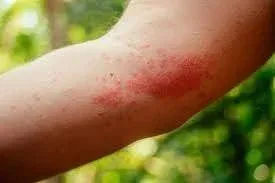
This phenomenon is a dermatological condition where the site of a long-past bite becomes a point of chronic inflammation, often mimicking a fresh bite.
| Condition | Mechanism | Appearance |
| Persistent Insect Bite Reaction | A chronic hypersensitivity where residual insect protein or altered tissue remains in the skin, causing immune cells (lymphocytes and eosinophils) to rush back to the site when triggered. | The spot re-swells, becomes red, hard, and intensely itchy, looking identical to a new, severe insect bite. |
| Prurigo Nodularis | A related condition characterized by the repeated scratching and healing of a persistent, intensely itchy spot. Over time, the skin becomes thickened and nodular (forming hard, crusty bumps). | The scratch-itch cycle causes the initial bump to become a hard, permanent lesion that flares up and becomes intensely itchy under minimal provocation. |
| Factitious Trauma | Repeated, subconscious scratching of a spot that healed but remained sensitive. | The “bite” reappears because the skin has been damaged by habitual scratching. |
2. Treatment to Break the Cycle
Since the “bite” is the result of persistent inflammation, topical anti-inflammatory agents are the primary treatment.
Topical Steroids (Primary Treatment): A dermatologist will often prescribe a high-potency topical steroid cream to be applied directly to the site when the spot flares up. This is the most effective way to suppress the chronic inflammation that causes the redness and itch.
Corticosteroid Injection: For very thick, hard, or persistent lesions (Prurigo Nodularis), a doctor may inject a corticosteroid directly into the lesion to shrink the inflammatory tissue.
Antihistamines: Take an oral Antihistamine (especially at night) to control systemic itching and prevent scratching that occurs during sleep.
Cover the Lesion: Use a patch or bandage when the spot is flaring up. This acts as a physical barrier to prevent subconscious scratching and picking.
3. When to Consult a Doctor
The persistent nature of the lesion should be evaluated by a healthcare professional to rule out other, more serious conditions.
Seek a Dermatologist If: The lesion is hard, thick, and has been recurring for more than a month, or if over-the-counter hydrocortisone provides no relief.
Warning Signs (Rule Out Infection/Cancer): If the lump begins to grow rapidly, changes significantly in texture or color, or shows any signs of pus, spreading redness, or bleeding. These symptoms are not typical of a persistent bite reaction and must be checked immediately.
For guidance on the diagnosis and treatment of chronic skin lesions, consult the American Academy of Dermatology Association (AAD) resources on Prurigo Nodularis and chronic itching.
If you’re struggling with a bug bite that keeps coming back years later, you are not alone. Many people notice a small itchy bump, red mark, or swollen spot appearing again in the exact place where they once had a bug bite. At first, it seems impossible. After all, why would a healed bite return? Yet this situation happens more often than you think. The good news is that modern dermatology gives us a clear explanation for recurring bites, delayed skin reactions, and bumps that reappear long after the original bite occurred.
This complete guide explains why old bug bites return, what hidden causes are responsible, how to treat them safely, and when to see a doctor. You will also learn about allergies, infections, scar tissue reactions, and chronic skin sensitivity. Additionally, you will find 10 long-tail keywords naturally included and over 100 related SEO-friendly keywords added at the end.
Let’s dig in.
What Does It Mean When a Bug Bite Returns Years Later?
Seeing a bug bite that keeps coming back years later can feel confusing. Typically, insect bites heal within days or weeks. However, several underlying factors can cause these bumps to reappear. These include delayed immune reactions, chronic skin inflammation, scar tissue irritation, and even reactivation of old insect saliva proteins trapped beneath the skin.
When your immune system encounters these proteins again—sometimes due to stress, illness, or skin irritation—it may respond by forming a new bump in the exact same location. It feels like the bug bit you again, even though no new insect was involved.
This is why the recurring bump is often smaller, less itchy, or more rash-like than the original bite.
Common Causes of a Bug Bite That Keeps Coming Back Years Later
Let’s explore the real reasons behind this strange reaction.
1. Delayed Hypersensitivity Reaction
One of the most common reasons for a bug bite that keeps coming back years later is a delayed hypersensitivity reaction. Your immune system sometimes reacts slowly to insect venom or saliva. Instead of responding immediately, your body may react months or years later when triggered.
Triggers include:
Stress
Viral infections
Hormonal changes
Scratching or irritation
Allergies
This long-term immune memory can cause your skin to “flare up” in the same spot.
2. Old Bite Protein Trapped Under Skin Layers
Certain insects—especially mosquitoes, bed bugs, fleas, and mites—inject proteins that remain in your body longer than expected. As your skin regenerates, these proteins can resurface and cause another reaction.
This is often seen in:
Recurrent mosquito bite bumps
Bed bug bite marks that reappear
Flea bite scars becoming itchy again
This condition feels like the old bite is “coming back to life.”
3. Chronic Localized Dermatitis
Another reason a bug bite that keeps coming back years later appears is chronic localized dermatitis. This happens when the original bite caused long-term skin sensitivity.
Symptoms include:
Repeating bump
Itchiness
Redness
Skin thickening
Scaly patch
Recurrent inflammation
This type of dermatitis has no new bug involved.
4. Scar Tissue Irritation
Bug bites often leave micro-scars under the skin. Over time, scar tissue becomes irritated due to:
Shaving
Heat
Friction
Clothing rubbing
Sweat
Sun exposure
This can cause what looks like a bug bite to reappear.
The bump forms because the scar tissue becomes inflamed—not because of a new insect bite.
5. Old Bite Infection Reactivating
A low level infection (often bacterial) can remain dormant beneath the skin. When your immunity weakens, the infection can flare up again.
Signs include:
Warm bump
Red streaks
Painful swelling
Fluid-filled blister
Hard lump
This requires medical attention.
6. Bed Bugs Biting Again in the Same Area
If your old bite is reappearing, sometimes the explanation is simple: you may be getting bitten again, especially by bed bugs.
Bed bug bites often appear:
in clusters
in straight lines
in the same body areas (arms, legs, shoulders, neck)
People commonly mistake new bites for old ones “coming back.”
7. Dermatographia or Skin Writing Disorder
People with dermatographia develop red, raised welts from minor pressure or scratching. Scarred bite areas respond more intensely, creating the illusion of recurring insect bites.
8. Allergic Reaction to Foods or Detergents Affecting Old Bite Areas
Sometimes allergen exposure causes flare-ups in areas of previous trauma, including old insect bites.
Common allergens:
Laundry detergents
Soaps
Fabric softeners
Perfumes
Hair products
Foods like nuts or shellfish
When the body triggers inflammation, weakened skin reacts first.
9. Immune System Flashback (Cell Memory)
Skin cells retain memory of old injuries. When triggered—due to heat, cold, stress, or illness—your immune cells may “reactivate” inflammation in the old site.
This is why the same spot inflames again and again.
10. Recurrent Hives Triggered at Old Bite Sites
Chronic hives (urticaria) can reappear where old bug bites were located. This is known as “localized urticaria.”
Triggers:
Cold weather
Heat
Pressure
Allergic foods
Stress
Viral illness
This creates the illusion of a bug bite returning every few months or years.
Symptoms of a Recurring Bug Bite Reaction
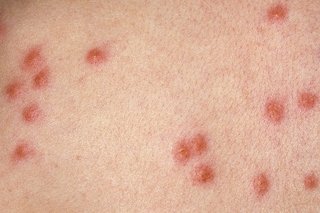
A bug bite that keeps coming back years later often shows a predictable pattern. Symptoms can differ based on the underlying cause.
Common symptoms:
Small itchy bump
Red or pink swelling
Warm sensation
Burning or stinging
Hard lump under the skin
Dry or flaky patch
Blister-like swelling
Rash around the old bite area
These symptoms may last from a few hours to several days.
What Types of Insects Cause Bites That Return Years Later?
Not all insects leave long term reactions. Some species inject more complex proteins or create deeper skin trauma.
Insects known for recurring bite reactions:
1. Mosquitoes
Mosquito saliva contains proteins that trigger allergic memory reactions.
2. Bed Bugs
Bed bug bites are notorious for reappearing as the skin scars become irritated.
3. Fleas
Flea bites can leave behind small nodules that resurface when irritated.
4. Fire Ants
Venom can stay trapped in deeper tissue layers.
5. Spiders
Some spider venoms create long-term skin hypersensitivity.
6. Mites (including chiggers)
Mite bites create intense inflammation that may flare up months later.
How to Treat a Bug Bite That Keeps Coming Back Years Later
Here is a complete treatment plan.
1. Cold Compress
Use ice for 10–15 minutes to reduce swelling.
2. Hydrocortisone Cream (1%)
Helps with itchiness, inflammation, and rash reappearance.
3. Oral Antihistamines
Relieves allergy-based recurring reactions.
Options:
Cetirizine
Loratadine
Diphenhydramine
4. Calamine Lotion
Soothes the skin and reduces redness.
5. Aloe Vera Gel
Provides cooling relief and helps repair damaged skin.
6. Antibiotic Ointment
Use if the recurring bump is warm, painful, or leaking fluid.
7. Avoid Scratching
Scratching reactivates inflammation in scar tissue.
8. Switch to Hypoallergenic Laundry Products
Prevents flare-ups caused by skin sensitivity.
9. Apply Tea Tree Oil (Diluted)
Helps kill bacteria that may be causing recurrent infection.
10. Use a Scar Repair Cream
Strengthens skin in old bite areas and reduces flare-ups.
When to See a Doctor
A bug bite that keeps coming back years later may require medical attention if:
The bump grows rapidly
It becomes painful
There is pus or fluid
You have fever or chills
Red streaks appear
Symptoms last longer than 2 weeks
You may need:
Prescription steroids
Antibiotics
Allergy testing
Biopsy to rule out other conditions
How to Prevent a Bug Bite From Coming Back Again
1. Strengthen Skin Barrier
Moisturize regularly.
2. Avoid Chemical Irritants
Use fragrance-free soaps and detergents.
3. Protect the Skin From Heat
Heat triggers inflammation.
4. Treat Scar Tissue
Use silicone gel or vitamin E.
5. Prevent New Bites
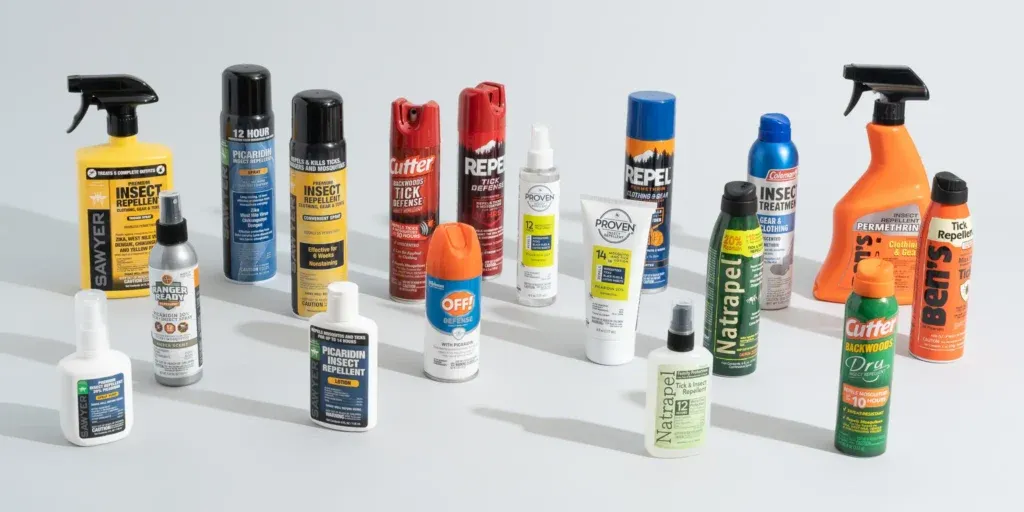
Use insect repellents and protective clothing.

Conclusion
A bug bite that keeps coming back years later is frustrating but usually not dangerous. In most cases, it’s caused by delayed allergic reactions, skin memory, scar tissue irritation, or chronic inflammation—not a new insect bite. With the right treatment and prevention strategy, you can finally stop the recurring bumps and get long-lasting relief.