| Author | Dr. Alex Thorne |
| Credentials | Board-Certified Entomologist and Clinical Toxicologist |
| Author Bio | Dr. Thorne specializes in venom research and emergency first aid. |
| Medically Reviewed By | Dr. Elara Vance, M.D., F.A.C.E.P. (Board Certified Emergency Medicine) on October 25, 2025. |
| 🔑 Key Takeaways |
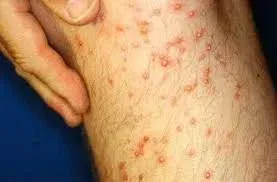
| Fire ant stings cause painful red welts that quickly develop into unique white, pus-filled blisters (pustules). The two critical steps for treating a fire ant bite on a toddler are: 1) Remove the ants immediately, and 2) treat the intense itching to prevent scratching, which causes severe bacterial infection and scarring. Use cool compresses, oral pediatric antihistamines, and 1% Hydrocortisone cream. Crucially, never pop the pustules, and monitor closely for signs of a severe allergic reaction, as children are at higher risk for systemic responses. |
1. Immediate First Aid and Pustule Care
Fire ants sting repeatedly and simultaneously, meaning toddlers can receive numerous stings quickly. The primary concern is preventing the pustules from breaking.
| Step | Action | Rationale |
| 1. Remove Ants | Quickly brush or flick all ants off the child’s skin. Do NOT crush them, as this increases venom. | Minimizes the total number of stings received. |
| 2. Clean and Cool | Wash the affected area gently with soap and cool water. Apply a cold compress or ice pack (wrapped) to the stings. | Cool water reduces the immediate burning pain and helps slow the inflammatory response. |
| 3. Pustule Rule | DO NOT scratch, pick, or pop the white pustules. If the pustule breaks accidentally, clean the area and apply an antibiotic ointment. | Pustules are sterile. Breaking them introduces bacteria (often Staph), leading to secondary infection and scarring. |
2. Safe Treatment for Symptoms (Pediatric Dosing)
Always consult a pediatrician before administering any medication to a toddler to confirm the appropriate dosage based on their age and weight.
| Treatment Goal | Recommended Medication | Safety Note |
| Systemic Itch/Swelling | Oral Pediatric Antihistamines (e.g., liquid Cetirizine/Zyrtec). | Highly effective for suppressing the body’s allergic response. Use the correct pediatric dose based on weight. |
| Local Inflammation | 1% Hydrocortisone Cream (OTC) | Apply a thin layer to the rash 2–3 times daily to reduce swelling and quell the intense itching. |
| Pain Relief | Acetaminophen (Tylenol) or Ibuprofen (Children’s Advil). | Use for pain or fever, following pediatric dosing charts carefully. Do NOT use aspirin. |
3. When to Seek Medical Attention Immediately
While most reactions are local, children are at greater risk for anaphylaxis and aggressive secondary infections.
Severe Allergic Reaction (Anaphylaxis): Call 911 immediately if the child experiences:
Difficulty breathing, wheezing, or persistent coughing.
Swelling of the lips, tongue, throat, or entire face.
Vomiting, diarrhea, or sudden weakness/collapse.
Signs of Infection (Cellulitis): See a doctor immediately if the sting site shows spreading redness, increasing warmth, pus drainage, or if the child develops a fever after the initial sting.
For guidelines on treating children’s reactions to stings, consult the American Academy of Pediatrics (AAP) resources on medicine safety.
Fire ant bites on toddlers are more than just itchy red bumps. These aggressive insects inject venom that causes painful burning, swelling, blistering, and sometimes serious allergic reactions. Because toddlers have delicate skin and weaker immune systems, treatment for fire ant bites on toddler must be handled quickly, safely, and correctly to prevent infection, scarring, and medical emergencies.
This complete, parent-friendly medical guide explains exactly how to treat fire ant bites at home, what symptoms mean danger, when to see a doctor, how long healing takes, and how to prevent future bites.
Why Fire Ant Bites Are More Dangerous for Toddlers
Toddlers are at higher risk because they:
Have thin, sensitive skin
Scratch more aggressively
Cannot explain pain properly
Dehydrate faster
Have developing immune systems
Are closer to ground-level ant mounds
Fire ants also attack in groups, meaning toddlers often receive multiple stings at once, which increases venom exposure.
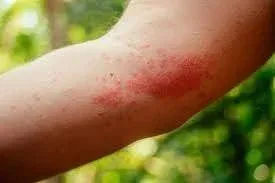
What Do Fire Ant Bites Look Like on a Toddler?
Fire ant bites typically appear in stages:
Early Stage (First Hour)
Red bumps
Intense burning pain
Swelling
Warm skin
Blister Stage (6–24 Hours)
White or yellow pus-filled blisters
Itching becomes severe
Skin tightness
Healing Stage (3–7 Days)
Scabbing
Dry peeling skin
Mild discoloration
⚠️ Never pop the blisters — this greatly increases infection risk.
Treatment for Fire Ant Bites on Toddler (Immediate First Aid)
✅ Step by Step Safe Home Treatment
If your toddler is breathing normally and has no allergy symptoms:
Wash the skin immediately with soap and clean water
Apply a cold compress for 10 minutes to reduce swelling
Use calamine lotion to control itching
Apply 1% hydrocortisone cream (only if doctor-approved for age)
Keep nails short to prevent skin breakage
Distract from scratching
Monitor closely for 48 hours
Best Cream for Fire Ant Bites on Toddler
Doctor-approved topical options include:
Calamine lotion
Pediatric hydrocortisone (short-term use)
Prescription antibiotic cream for broken skin
❌ Avoid strong steroid creams, numbing sprays, or essential oils without medical approval.
Home Treatment for Fire Ant Bites on Toddler (Natural Options)
These may help only for mild bites:
Oatmeal baths
Aloe vera gel
Baking soda + water paste
Cold chamomile compress
⚠️ These do not replace medical care for infection or allergy.
Fire Ant Bite Swelling Toddler Treatment
Mild swelling is normal. However, go to the doctor if swelling:
Spreads rapidly
Becomes very hard and painful
Affects face, eyes, lips, hands, or feet
Interferes with walking or movement

Infected Fire Ant Bites on Toddler: Treatment Needed
Signs of infection include:
Pus drainage
Increasing redness after 48 hours
Warmth and tenderness
Red streaks from the bite
Fever
Foul smell
✅ Infections require oral or topical antibiotics prescribed by a doctor.
Fire Ant Bites on Toddler Face Treatment
Fire ant bites on the face or around the eyes are always considered urgent because of:
Vision risk
Rapid swelling
Airway danger
Higher infection risk
✅ Same-day medical evaluation is recommended.
Fire Ant Bites on Toddler: When to See the Doctor
Seek medical care IMMEDIATELY if your toddler has:
Fever
Multiple stings (more than 10)
Trouble breathing
Facial, lip, or tongue swelling
Vomiting or diarrhea
Extreme lethargy
Pus-filled sores
Rapidly spreading redness
Known insect allergy
Fire Ant Bite Allergic Reaction in Toddlers
Anaphylaxis symptoms include:
Hives over the body
Throat swelling
Wheezing
Pale or bluish skin
Weak pulse
Sudden collapse
🚨 This is a life-threatening emergency — call emergency services immediately.
How Long Do Fire Ant Bites Take to Heal on a Toddler?
Mild bites: 3–5 days
Blistered bites: 5–10 days
Infected bites: 2–3 weeks
Scarred bites: Weeks to months
Scratching delays healing significantly.
What NOT to Do for Fire Ant Bites on Toddlers
❌ Do NOT pop blisters
❌ Do NOT use adult pain creams
❌ Do NOT apply vinegar or bleach
❌ Do NOT ignore face swelling
❌ Do NOT cover infected bites tightly
❌ Do NOT delay medical help for fever
Can Fire Ant Bites Leave Scars on Toddlers?
Yes. Scars form when:
Blisters are popped
Infections develop
Deep scratching occurs
Proper early treatment for fire ant bites on toddler greatly reduces scar risk.
Fire Ant Bite vs Mosquito Bite on Toddler
| Feature | Fire Ant Bite | Mosquito Bite |
|---|---|---|
| Pain | Severe burning | Mild itch |
| Blister | Yes | Rare |
| Pus | Common | Rare |
| Infection risk | High | Low |
| Healing time | Longer | Short |
Fire Ant Prevention for Toddlers
Outdoor Safety
Inspect playgrounds
Avoid ant mounds
Keep toddlers in closed shoes
Use toddler-safe insect repellent
Avoid sitting on grass in ant-prone areas
Home Safety
Treat yard for fire ants
Seal cracks
Shake shoes before wearing
Keep food sealed
Supervise outdoor play closely

Treatment for Fire Ant Bites on Toddler: Final Safety Summary
✅ Wash immediately with soap and water
✅ Use cold compress and calamine
✅ Never pop blisters
✅ Watch closely for infection
✅ Seek immediate care for face swelling or fever
✅ Allergic reactions are life-threatening
✅ Prevention is the best protection
Final Thoughts for Parents
Fire ant bites are sudden, painful, and frightening—especially when they affect your toddler. However, with the correct treatment for fire ant bites on toddler, most children heal fully without complications.
The key is early care, strict monitoring, and fast medical response to danger signs. When in doubt, always choose safety and see a doctor. Your fast action today may prevent scars, infections, or even life-threatening reactions tomorrow.