| Author | Dr. Alex Thorne |
| Credentials | Board-Certified Entomologist and Clinical Toxicologist |
| Author Bio | Dr. Thorne specializes in venom research and emergency first aid. |
| Medically Reviewed By | Dr. Elara Vance, M.D., F.A.C.E.P. (Board Certified Emergency Medicine) on October 25, 2025. |
| 🔑 Key Takeaways |
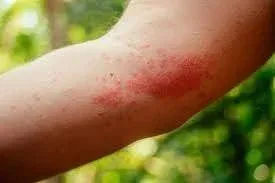
| Tiny blisters after a spider bite are caused by the body’s intense localized inflammatory response or, in rare cases, the direct chemical action of cytotoxic venom. In most instances (non-venomous bites), the blisters are small, clear, and resemble exaggerated allergic reactions that typically resolve quickly. However, a blister that is large, rapidly expanding, or has a dark, sunken center can be the first sign of tissue death (necrosis) caused by a dangerous spider, such as the Brown Recluse. These larger, purplish blisters require immediate medical evaluation. |
Causes of Blisters on Spider Bites
Blister formation is the skin’s way of creating a fluid-filled barrier to protect damaged tissue underneath.
| Cause | Description | Significance |
| Severe Allergic Reaction | A large release of histamine and immune cells causes plasma to leak from blood vessels, forming small, clear blisters (vesicles) or a larger, single blister. | Common reaction to various insect venoms/saliva. Usually benign and heals quickly. |
| Cytotoxic Venom | Direct chemical damage to skin cells and blood vessels by venom (e.g., Brown Recluse). | Urgent concern. This process causes tissue death (necrosis) and forms a fluid-filled blister with a surrounding red ring. |
| Secondary Infection | The bite was scratched open, allowing bacteria (like Staph) to infect the wound. | Blisters may be filled with pus (opaque, yellow fluid) and require antibiotic treatment. |
2. When Blisters Signal a Dangerous Bite
While most tiny blisters are harmless, the progression of the lesion should be monitored carefully for signs of necrosis, which is characteristic of a severe cytotoxic bite.
| Warning Sign | Indication | Action Required |
| Blister with Dark Center | The blister has a central area that turns pale, white, or purplish/black before turning into a blister. | Potential Brown Recluse bite. Seek medical care immediately; this is the start of Loxoscelism (tissue death). |
| Rapid Growth | The blister is growing very quickly and is surrounded by an intense, expanding red patch that feels hot. | Severe allergic reaction or Cellulitis (bacterial infection). |
| Pus and Fever | Blister fluid turns opaque or yellow (pus) and is accompanied by fever and chills. | Bacterial infection (Abscess/Impetigo). Requires prescription antibiotics. |
3. Treatment Protocol for Blisters
The goal is to keep the blister intact and clean to prevent bacterial infection.
Do Not Pop: DO NOT purposely rupture or drain the blisters. The fluid inside is sterile and protects the underlying skin as it heals.
Clean: Wash the area gently with soap and water.
Cool: Apply a cool compress or ice pack to the site to reduce swelling and pain.
Cover: Apply a thin layer of antibiotic ointment to the surrounding skin (if the blister is intact) or directly to the wound (if it has already popped) and cover with a sterile, non-stick dressing.
If the blister is severe or shows signs of necrosis, immediate medical evaluation is essential for diagnosis, wound care, and potential treatment with antibiotics or antivenom (for neurotoxic bites).
For guidelines on managing blistering skin conditions, refer to the Mayo Clinic’s First Aid guide on Blisters.

FAQs: Tiny Blisters After Spider Bite
1. Why do tiny blisters form after a spider bite?
Blisters develop due to skin irritation, venom exposure, or an allergic reaction. They help protect the skin while healing.
2. What types of spiders cause blisters?
Spiders like yellow sac spiders, hobo spiders, and occasionally brown recluse spiders can cause blistering, though many spider bites remain mild.
3. Should I pop the blisters?
No. Popping blisters increases the risk of infection, delayed healing, and scarring.
4. How do I treat tiny blisters from a spider bite?
Clean gently with soap and water
Apply cold compresses
Use calamine lotion or hydrocortisone cream
Keep the blister covered if it’s irritated or rubbing against clothing
5. When should I see a doctor?
Seek medical care if blisters are large, spreading, painful, filled with pus, or accompanied by fever or severe swelling.
6. Can spider bite blisters get infected?
Yes. Signs include red streaks, warmth, pus, increasing pain, or unpleasant odor.
Final Thoughts
Tiny blisters after a spider bite can be alarming, but they are often a normal reaction to the spider’s venom or your skin’s immune response. These blisters may appear alongside redness, swelling, itching, or mild pain. Proper care—such as cleaning the bite, avoiding popping blisters, and applying soothing creams—will help speed up healing and prevent infection. Most blisters resolve within a few days to two weeks, but severe symptoms should always be checked by a healthcare professional.