| Author | Dr. Alex Thorne |
| Credentials | Board-Certified Entomologist and Clinical Toxicologist |
| Author Bio | Dr. Thorne specializes in venom research and emergency first aid. |
| Medically Reviewed By | Dr. Elara Vance, M.D., F.A.C.E.P. (Board Certified Emergency Medicine) on October 25, 2025. |
| 🔑 Key Takeaways |
| Applying a wet, cooled tea bag for a wasp sting is a popular home remedy that can offer mild soothing relief but is not a definitive medical treatment. The minor benefit comes from the cold temperature and the presence of tannins in black tea. Tannins are mild astringents that can help slightly reduce swelling and sensation, while the cold provides immediate numbing. However, a tea bag is no substitute for a professional anti-inflammatory treatment like Hydrocortisone cream and a cold compress, which are medically proven to suppress the sting reaction. |
Rationale Behind Using a Tea Bag
The effectiveness of a tea bag for a wasp sting is attributed to two simple, physical properties of a cooled, damp tea bag.
| Component | Action/Benefit | Scientific Efficacy |
| Cold Temperature | Provides an immediate numbing effect that temporarily reduces pain and itch transmission. Cold also constricts blood vessels, slowing inflammation. | High. This is the primary and most reliable benefit; a simple ice pack works better. |
| Tannins (Astringents) | Tannins found in black tea are mild astringents (they contract tissue). They can help draw fluid from the tissue and reduce localized swelling slightly. | Low/Moderate. While harmless, the concentration is too low to significantly impact the venom or deep inflammation. |
| pH Neutralization | The idea that the weak acidity of tea neutralizes the alkaline wasp venom is generally ineffective, as the venom is injected deep into the tissue. | Low. Topical application does not reach the venom. |
2. Wasp Sting First Aid Protocol (Tea Bag Optional)
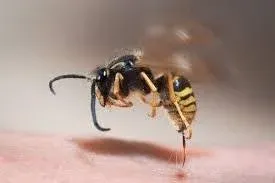
This protocol is effective for managing the pain and inflammation of a wasp sting, which does not leave a stinger behind.
Cleanse: Wash the sting site immediately with soap and water.
Apply Cold (Essential): Apply a cold compress or ice pack for 10–20 minutes to reduce pain and swelling. (The tea bag can be used here as the cold compress, but a dedicated ice pack is more effective).
Treat Inflammation: Apply 1% Hydrocortisone Cream (a topical steroid) to suppress the body’s inflammatory reaction, which causes the prolonged pain and itching.
Pain Relief: Take Oral NSAIDs (like Ibuprofen) for pain relief and additional anti-inflammatory action.
Tea Bag Application
If using a tea bag for a wasp sting, steep a black tea bag in warm water, allow it to cool, and then press it gently against the sting site for 10–15 minutes.
3. When to Seek Medical Attention
While the tea bag remedy is safe, it should be immediately abandoned if systemic symptoms appear.
Emergency: If the sting triggers an allergic reaction (anaphylaxis), characterized by difficulty breathing, swelling of the throat or face, or collapse. Call 911 immediately.
Infection: If the sting site shows signs of secondary bacterial infection after 48 hours (spreading redness, warmth, pus, or fever).

For scientifically supported information on wasp sting management, consult the Mayo Clinic’s guide on Insect Bites and Stings.
Q1: How fast does a tea bag help a wasp sting?
Most people notice relief within 5–10 minutes after applying a tea bag for wasp sting symptoms.
Q2: Is a warm or cold tea bag better?
Cold is best. Chilling the tea bag for wasp sting relief reduces swelling more effectively.
Q3: Can I use herbal tea bags?
Yes — chamomile or green tea works, but black tea provides the strongest effect.
Q4: Are tea bags safe to use on kids?
Yes, a tea bag for wasp sting is generally safe for children. Just be sure the tea bag is cool.
Q5: Can a tea bag stop allergic reactions?
No. A tea bag for wasp sting helps only local swelling and irritation — not systemic reactions.
Final Thoughts
Using a tea bag for wasp sting is a fast, natural, and effective home remedy for reducing pain and swelling. Black or green tea bags work best due to their tannin content, and applying them cold provides even better relief. However, always monitor your symptoms — especially if you have a history of allergies — and seek medical attention if reactions escalate.