| Author | Dr. Alex Thorne |
| Credentials | Board-Certified Entomologist and Clinical Toxicologist |
| Author Bio | Dr. Thorne specializes in venom research and emergency first aid. |
| Medically Reviewed By | Dr. Elara Vance, M.D., F.A.C.E.P. (Board Certified Emergency Medicine) on October 25, 2025. |
| 🔑 Key Takeaways |
| Systemic symptoms (those affecting the whole body) after a bug bite or sting are never normal and indicate a medical emergency. They arise from two primary causes: 1) Anaphylaxis (a rapid, severe allergic reaction), or 2) Systemic Toxicity (the venom directly affecting the nervous system, heart, or organs). Seek emergency medical care immediately if the symptoms below occur, as conditions like shock and respiratory distress can be fatal if left untreated. |
Differentiating Local vs. Systemic Reactions
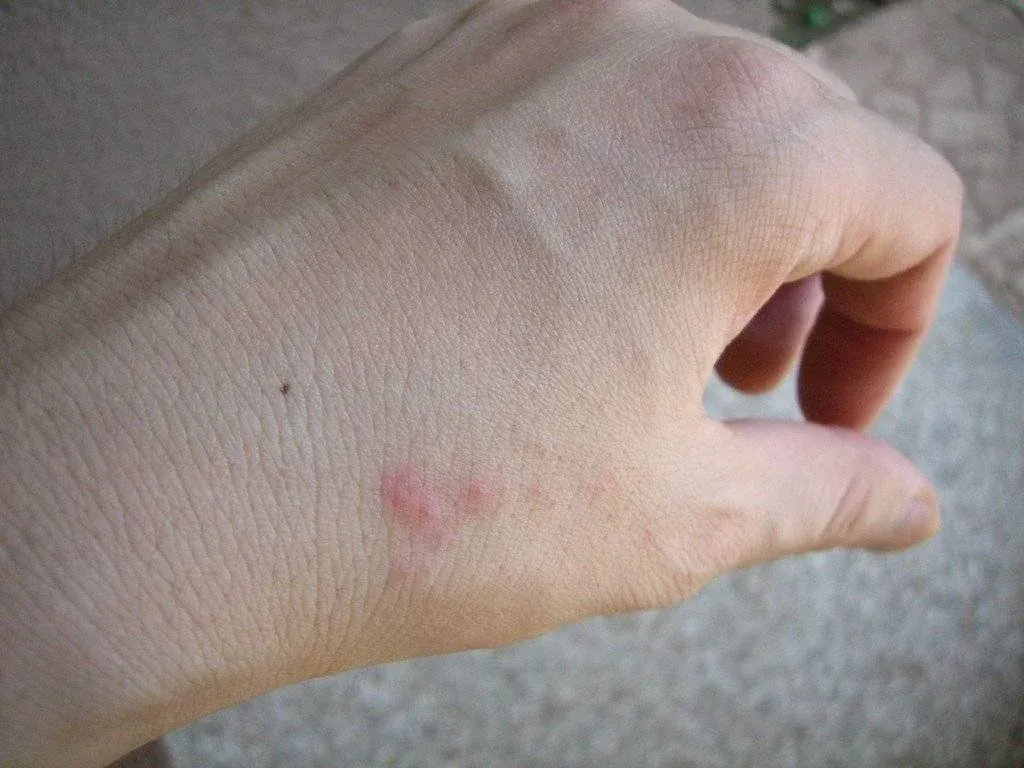
A normal, localized reaction is swelling confined to the immediate area of the bite. Systemic reactions spread throughout the body.
| Reaction Type | Characteristics | Key Difference |
| Local Reaction | Pain, redness, and swelling confined to a few inches around the sting site. | Resolves within 24–48 hours; swelling does not compromise breathing. |
| Systemic Reaction | Symptoms appear away from the site (e.g., a foot sting causes hives on the chest) and/or affect vital organs. | Worsens rapidly; requires urgent medical intervention. |
2. Seven Emergency Systemic Warning Signs
These signs indicate an active health crisis, whether due to anaphylaxis (Hymenoptera stings: bees, wasps, fire ants) or neurotoxicity (spiders, scorpions).
| # | Warning Sign | System Affected & Dangerous Cause |
| 1. | Difficulty Breathing or Wheezing | Respiratory System / Anaphylaxis. Swelling of the throat/tongue or constriction of the airways. |
| 2. | Widespread Hives / Flushing | Skin / Anaphylaxis. Hives, itching, or swelling (Angioedema) appearing in distant, unaffected areas (e.g., face, palms, or throat). |
| 3. | Vomiting, Diarrhea, or Cramps | Gastrointestinal / Anaphylaxis or Toxicity. Severe GI distress can be a sign of systemic shock or venom activity. |
| 4. | Dizziness, Fainting, or Collapse | Cardiovascular System / Shock. Indicates a rapid, severe drop in blood pressure (hypotension). |
| 5. | Fever and Chills | Infection / Disease Transmission. Fever is a hallmark of systemic infection (Sepsis) or a tick/mosquito-borne illness (e.g., Lyme, West Nile Virus). |
| 6. | Muscle Spasms / Tremors | Nervous System / Neurotoxicity. Severe, uncontrollable muscle cramping or twitching throughout the body (classic for Black Widow spider or Arizona Bark Scorpion venom). |
| 7. | Slurred Speech or Confusion | Central Nervous System (CNS). Disorientation, altered mental status, or light sensitivity can indicate severe venom toxicity or neurological inflammation (meningitis/encephalitis). |

3. Action Protocol: What to Do
- Call 911 (or local emergency number) Immediately.
- Use Epinephrine (if available): If the victim has a prescribed EpiPen for insect allergies, administer it immediately.
- Position: Have the victim lie flat with legs elevated to aid circulation, unless they are vomiting (turn them onto their side) or struggling to breathe (help them sit up slightly).
- Do Not Drive: Do not attempt to drive yourself or the victim if any sign of collapse, confusion, or breathing trouble is present.
Chronic/Delayed Systemic Symptoms
If you experience flu-like symptoms, fever, headache, or joint pain days or weeks after a bite (especially a tick or mosquito bite), see your doctor immediately for testing, as this may be the onset of a vector-borne disease like Lyme or West Nile Virus.
For a comprehensive guide to recognizing severe allergic reactions to stings, consult the American College of Allergy, Asthma & Immunology (ACAAI) guidelines.
FAQs
1. What are systemic symptoms after a bug bite?
Systemic symptoms affect the whole body instead of just the bite area. They may include fever, fatigue, muscle aches, swollen lymph nodes, headache, chills, or nausea. These symptoms can signal infection, allergy, or vector-borne disease.
2. Are systemic symptoms after a bug bite serious?
Yes, they can be. While mild reactions are common, systemic symptoms may indicate an allergic reaction, bacterial infection, Lyme disease, West Nile virus, Rocky Mountain spotted fever, or other mosquito or tick-borne illnesses.
3. What infections can cause systemic symptoms after a bug bite?
Possible causes include:
Lyme disease (from tick bites)
West Nile virus (from mosquitoes)
Rocky Mountain spotted fever
Cellulitis or abscess
Chikungunya or dengue in some regions
If symptoms worsen, seek medical help promptly.
4. What systemic symptoms should I watch for after a bite?
Warning symptoms include:
Fever or chills
Headache and fatigue
Body aches or joint pain
Nausea or vomiting
Swollen lymph nodes
Rash spreading away from bite
Trouble breathing or dizziness
These may require medical evaluation.
5. When should I see a doctor?
Seek urgent medical care if you notice:
Fever or chills after a bite
Rapidly spreading rash or streaks
Extreme fatigue or confusion
Breathing difficulty or swelling of face/lips
Severe headache or stiff neck
Persistent nausea
These signs may indicate infection or allergic reaction.
6. How are systemic reactions treated?
Treatment depends on the cause and may include:
Antihistamines or steroids for allergic reactions
Antibiotics for bacterial infections
IV fluids or antiviral care for severe viral illness
Home remedies help mild bites, but systemic reactions need medical evaluation.
7. Can systemic symptoms be prevented?
Yes wear protective clothing, use insect repellent (DEET, picaridin), avoid high-mosquito/tick areas, and perform tick checks after outdoor activities.
Conclusion
Systemic symptoms after a bug bite aren’t something to ignore. While most bites remain mild and localized, fever, severe fatigue, body aches, swollen lymph nodes, or spreading rash may signal infection, allergic reaction, or a mosquito or tick-borne illness. Quick recognition and early medical care can prevent serious complications. Always monitor symptoms closely, use proven prevention methods outdoors, and see a doctor immediately if symptoms worsen or feel unusual — your health and safety come first.