| Author | Dr. Alex Thorne |
| Credentials | Board-Certified Entomologist and Clinical Toxicologist |
| Author Bio | Dr. Thorne specializes in venom research and emergency first aid. |
| Medically Reviewed By | Dr. Elara Vance, M.D., F.A.C.E.P. (Board Certified Emergency Medicine) on October 25, 2025. |
| 🔑 Key Takeaways |
| Swollen hands after multiple mosquito bites are typically caused by a severe, localized allergic reaction known as Skeeter Syndrome (large local reaction). This reaction results in exaggerated swelling, heat, and firmness that can affect an entire limb or joint (like the hand or foot). While alarming, this level of localized swelling is usually not medically dangerous and does not mean anaphylaxis. Treatment involves aggressive anti-inflammatory measures: oral antihistamines, oral NSAIDs (Ibuprofen), and cold compresses. If swelling spreads rapidly or causes difficulty moving the fingers, seek medical advice. |
Understanding Severe Local Swelling (Skeeter Syndrome)
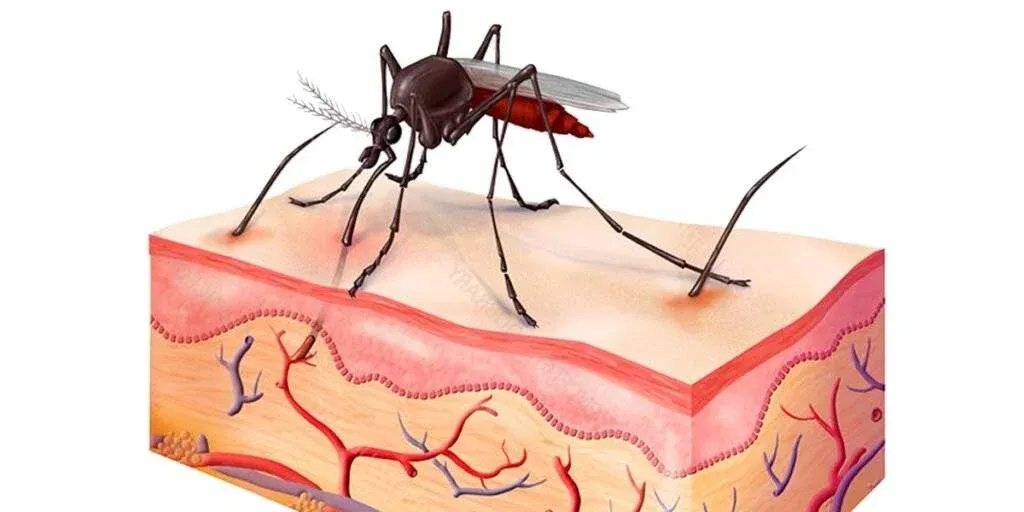
Skeeter Syndrome is an intensified allergic reaction to the proteins in mosquito saliva, leading to severe inflammation. Swelling on the hands and feet is common because these areas have less tissue and skin elasticity, making the fluid accumulation more visible and firm.
| Symptom | Description | Significance |
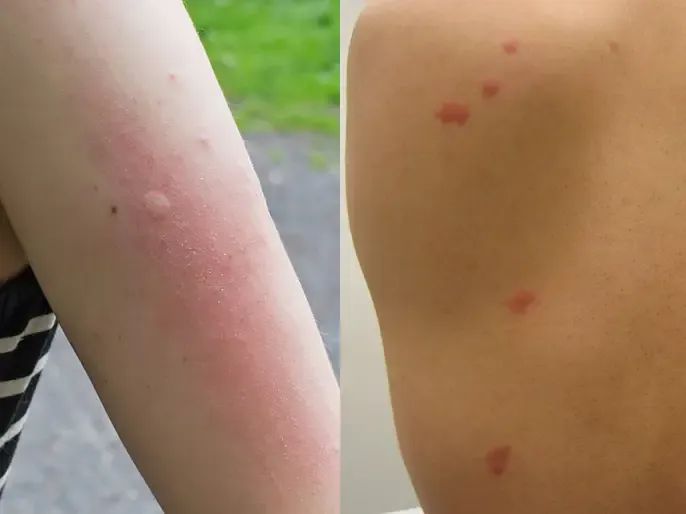
| Severe Edema | Rapid, firm swelling that is hot and tender to the touch and can extend far beyond the individual bite marks (e.g., swelling the entire hand). | This is the body’s exaggerated immune response (Type I hypersensitivity) to the bite, involving the massive release of histamine and fluid. |
| Lymph System Involvement | The swelling may involve the lymphatic system, which is draining the inflammation from the hand, leading to temporary fluid retention. | This is a normal function of the immune system working to clear the reaction. |
| Delayed Onset | Swelling often starts within hours but can continue to increase for 24–48 hours before peaking and slowly subsiding. | The reaction is prolonged due to the dense concentration of bites and the severity of the inflammatory response. |
2. Treatment Protocol for Reducing Hand Swelling
Aggressive anti-inflammatory treatment is needed to stop the swelling from becoming painful or inhibiting movement.
Elevate the Hands (Crucial): Keep the swollen hand elevated above the level of the heart as much as possible. This uses gravity to reduce fluid accumulation (edema).
Cold Compress: Apply a cold compress or ice pack (wrapped) for 10–15 minutes every hour to reduce heat and inflammation.
Oral Medication (Dual Action):
Oral Antihistamine (e.g., Cetirizine): Blocks the histamine causing the puffiness.
Oral NSAID (Ibuprofen): Reduces the pain and inflammation that makes the hand feel hot and hard.
Topical: Apply 1% Hydrocortisone Cream to the visible bite marks.

3. When to Seek Medical Attention
While the swelling is usually localized to the hand and not dangerous, there are specific signs that warrant a doctor’s visit.
Infection (Cellulitis): If the swelling is accompanied by fever, chills, or red streaks spreading up the arm, seek medical attention immediately for prescription antibiotics.
Functional Impairment: If the swelling is so severe that it prevents you from bending your fingers or causes excessive, continuous pain.
Systemic Anaphylaxis: If difficulty breathing, throat swelling, or dizziness occurs—this requires immediate emergency intervention (911).
If you experience severe swelling repeatedly, consult an allergist for diagnosis and potential immunotherapy (allergy shots). See the American College of Allergy, Asthma & Immunology (ACAAI) resource on Skeeter Syndrome.
FAQs: Swollen Hands After Multiple Mosquito Bites
1. Why do my hands swell after multiple mosquito bites?
Swelling occurs due to the body’s allergic reaction to proteins in mosquito saliva, leading to inflammation and fluid buildup around the bite area.
2. How long does swelling last?
Mild swelling usually resolves within a few hours to a couple of days, but severe reactions may persist longer and should be evaluated by a doctor.
3. What home remedies help reduce swelling?
Apply a cold compress or ice pack
Use anti-itch creams or calamine lotion
Elevate hands to reduce fluid buildup
Take oral antihistamines if recommended by a healthcare provider
4. Should I worry about infection?
Infections are rare but can occur if bites are scratched excessively. Keep the area clean and avoid scratching to prevent bacterial infection.
5. When should I see a doctor?
Seek medical attention if swelling is severe, spreads rapidly, or is accompanied by fever, difficulty breathing, or other unusual symptoms.
6. How can I prevent mosquito bites on hands?
Apply mosquito repellents
Wear long sleeves and gloves when outdoors
Use mosquito nets or screens indoors
Final Thoughts
Swollen hands after multiple mosquito bites are a common reaction caused by the body’s immune response to mosquito saliva. While most swelling is mild and temporary, severe reactions may require medical attention. Proper care—such as cleaning bites, applying cold compresses, and using anti-itch creams can help reduce discomfort. Preventive measures, like mosquito repellents and protective clothing, are key to avoiding future bites. Understanding the causes and treatment ensures relief and prevents complications.