| Author | Dr. Alex Thorne |
| Credentials | Board-Certified Entomologist and Clinical Toxicologist |
| Author Bio | Dr. Thorne specializes in venom research and emergency first aid. |
| Medically Reviewed By | Dr. Elara Vance, M.D., F.A.C.E.P. (Board Certified Emergency Medicine) on October 25, 2025. |
| 🔑 Key Takeaways |
| A swollen eyelid from a bug bite (usually a mosquito, gnat, or fly) is a common and dramatic local allergic reaction. Swelling is severe on the eyelid because the skin is very thin and rich in blood vessels, allowing histamine and fluid to accumulate rapidly. While typically not dangerous to vision, the swelling can temporarily close the eye. Immediate treatment involves applying a cold compress to the area and taking an oral antihistamine. Crucially, monitor for systemic symptoms (difficulty breathing, throat swelling), as these signal a severe, life-threatening allergic reaction (anaphylaxis). |
Why Eyelid Swelling is Severe
The skin on the eyelid is the thinnest on the human body and has a high concentration of mast cells, which release histamine when exposed to insect saliva or venom.
| Feature | Description | Action/Note |
| Rapid Edema | The eyelid skin and underlying tissue (periorbital area) are extremely loose, allowing fluid (edema) and histamine to rush in and accumulate very quickly. | Swelling may spread to temporarily close the entire eye, but this is usually harmless to the eyeball itself. |
| Allergic Reaction | The reaction is often more severe and prolonged than a bite on an arm or leg. This is known as a large local reaction. | Treatment requires aggressive anti-inflammatory measures (antihistamines/steroids). |
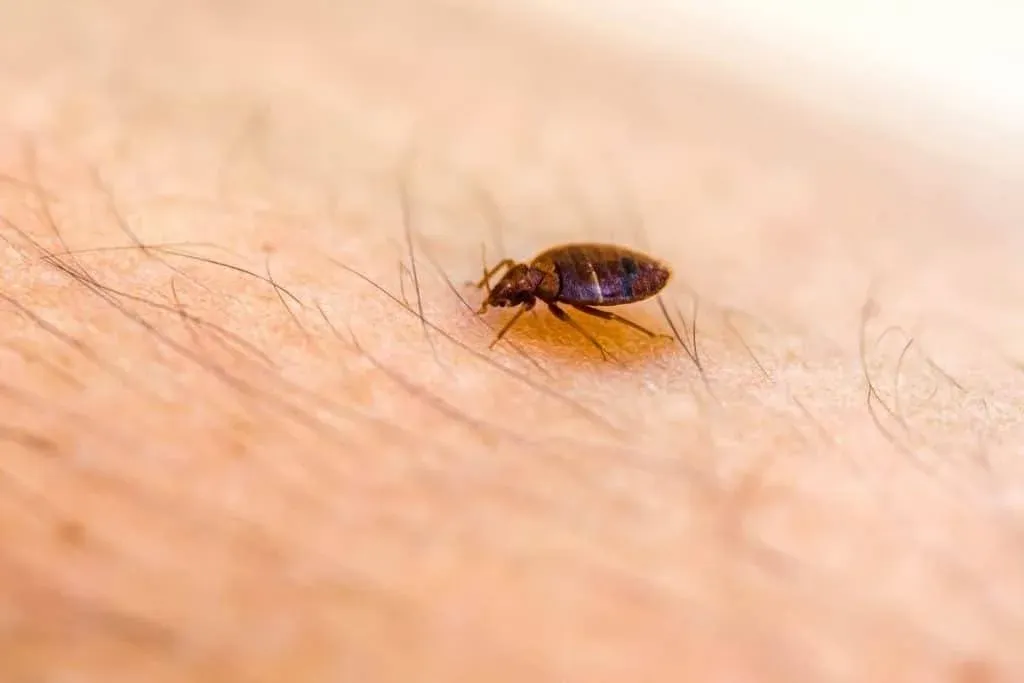
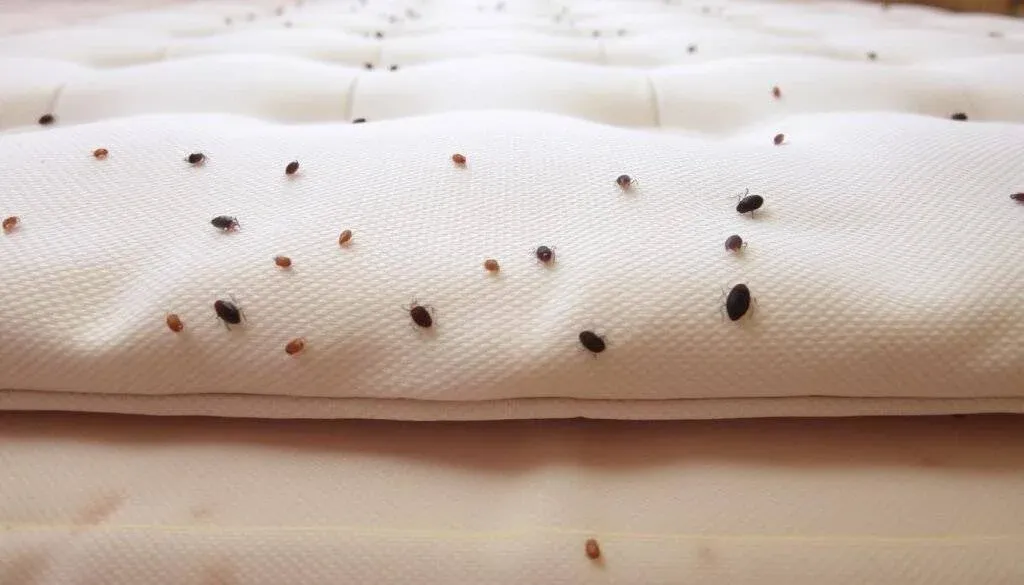
| Source | The bite is typically from a mosquito or gnat that feeds on exposed skin during sleep or outdoor activity. | Bed bugs are less common but possible if the face is exposed. |
2. Treatment Protocol for Relief
The goal is to reduce the inflammation and swelling safely without irritating the eye.
Cold Compress (Essential): Apply a cold compress, ice pack (wrapped in a thin cloth), or even a cold, wet tea bag to the closed eyelid for 10–15 minutes every hour.
Oral Antihistamine: Take a non-drowsy oral antihistamine (e.g., Cetirizine/Zyrtec) immediately to block the systemic histamine causing the swelling.
Elevation: Try to sleep or rest with the head slightly elevated on extra pillows to use gravity to drain fluid from the area.
Topical Creams: Avoid applying creams directly into the eye. A thin layer of 1% Hydrocortisone cream may be applied to the skin around the swelling, but be careful to keep it away from the lash line.
Do Not Rub: Avoid rubbing the eye or surrounding area, which increases irritation and swelling.
3. When to Seek Medical Attention
While a swollen eyelid from a bug bite is a localized reaction, any sign of infection, loss of vision, or systemic allergy requires immediate care.
| Warning Sign | Danger/Indication | Action Required |
| Vision Changes | Pain in the eyeball itself, sensitivity to light (photophobia), or blurred vision that does not clear when the swelling subsides. | See a doctor or ophthalmologist immediately. |
| Signs of Infection | Swelling that becomes hot, intensely painful, and accompanied by fever, or if the eye drains pus. | Requires prescription antibiotics. The area can develop Cellulitis quickly. |
| Systemic Symptoms | Difficulty breathing, throat tightness, dizziness, or hives appearing elsewhere on the body. | Call 911 immediately (Anaphylaxis). |
For more information on managing severe localized swelling, consult the American Academy of Ophthalmology’s guidance on stings and bites.
FAQs: Swollen Eyelid from Bug Bite
1. Why does my eyelid swell after a bug bite?
Swelling occurs due to the body’s allergic reaction to insect saliva or venom, leading to fluid buildup and inflammation in the eyelid.
2. How long does eyelid swelling last?
Mild swelling usually improves within 24–72 hours, while more severe reactions may take longer.
3. What home remedies help reduce swelling?
Apply a cold compress or ice pack for 10–15 minutes
Use antihistamine or anti-itch creams (avoid getting cream in the eye)
Keep the area clean and avoid scratching
4. When should I see a doctor?
Seek medical care if swelling spreads to other areas, affects vision, or is accompanied by pain, pus, or fever.
5. Can bug bites near the eye cause serious complications?
Yes, bites near the eye are delicate and can lead to infection or cellulitis if not treated properly.
6. How can I prevent bug bites around the eyes?
Apply insect repellents safe for facial use
Wear protective eyewear outdoors in high risk areas
Keep living spaces free of mosquitoes and other insects
Final Thoughts
A swollen eyelid from a bug bite can be alarming, as the delicate skin around the eye is sensitive and prone to swelling. Most cases are caused by mosquito, flea, or other insect bites, triggering an immune response. Proper care including cold compresses, anti-itch creams, and hygiene—can reduce swelling and discomfort. Seek medical attention if swelling is severe, spreads rapidly, or affects vision, as these may indicate an infection or allergic reaction. Prompt care ensures faster healing and prevents complications.