| Author | Dr. Alex Thorne |
| Credentials | Board-Certified Entomologist and Clinical Toxicologist |
| Author Bio | Dr. Thorne specializes in venom research and emergency first aid. |
| Medically Reviewed By | Dr. Elara Vance, M.D., F.A.C.E.P. (Board Certified Emergency Medicine) on October 25, 2025. |
| 🔑 Key Takeaways |
| Swimmer’s Itch and the Sea Lice rash are two different types of allergic reactions contracted while swimming. Swimmer’s Itch (Cercarial Dermatitis) is caused by parasites (fluke larvae) found in freshwater (lakes), and the rash appears on exposed skin. The Sea Lice rash (Seabather’s Eruption) is caused by tiny jellyfish larvae in saltwater (ocean), and the rash characteristically appears underneath swimwear where the larvae become trapped. Both rashes are intensely itchy but are treated similarly with anti-itch creams and antihistamines. |
Key Differences in Cause and Location
The most important distinction between Swimmer’s Itch and Sea Lice is the type of water and the mechanism of the rash.
| Feature | Swimmer’s Itch (Cercarial Dermatitis) | Sea Lice (Seabather’s Eruption) |
| Cause | Parasite: Larvae (cercariae) of schistosome flukes (a flatworm) that normally infect birds and snails. | Cnidarian Larvae: Larvae of jellyfish or sea anemones whose stinging cells (nematocysts) are triggered by pressure or fresh water. |
| Water Type | Freshwater (Lakes, ponds, sometimes brackish water). | Saltwater (Ocean, Gulf of Mexico, Caribbean). |
| Rash Location | Exposed skin not covered by a swimsuit. Often on arms, legs, and neck. | Covered skin where the larvae are trapped by friction (under swimsuits, armpits, or necklines). |
| Sensation | Intense tingling or prickling while exiting the water, followed by itching. | Stinging sensation while still in the water, followed by delayed itching. |
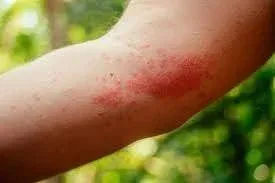
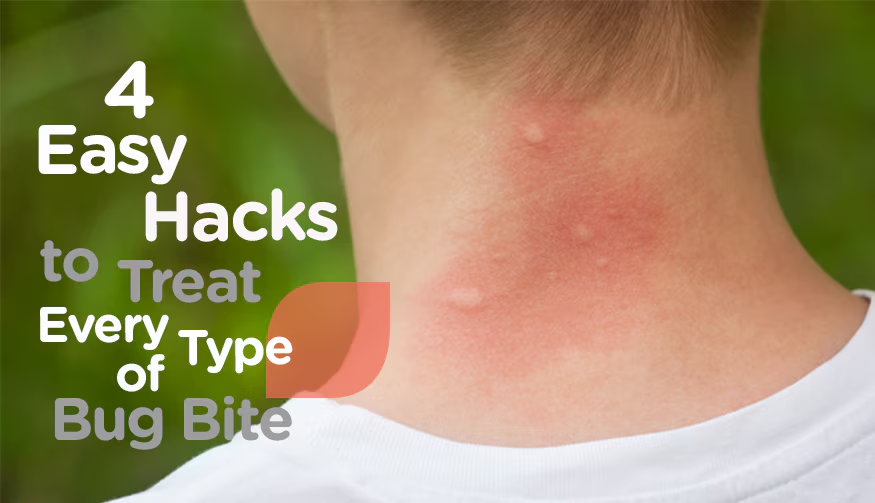
| Progression | Rash appears as pinpoint red bumps and can look like hives. | Rash appears as small, red, itchy bumps that may develop into blisters. |
2. Treatment Protocol
Both conditions are allergic reactions that require symptomatic treatment to manage the inflammation and itchiness.
| Action | Rationale | Note |
| Initial Cleanse | Swimmer’s Itch: Towel dry vigorously immediately after leaving the water to remove the parasitic larvae before they penetrate the skin. Sea Lice: Shower with salt water before removing the suit, then wash the suit separately in hot water. | Crucial: Fresh water on trapped Sea Lice larvae can trigger stinging; avoid showering in the contaminated suit. |
| Anti-Itch Medication | Take an Oral Antihistamine (e.g., Cetirizine) and apply 1% Hydrocortisone cream (OTC) to the rash. | This is the primary treatment to calm the body’s allergic response to the injected irritants. |
| Soothe | Apply Calamine lotion or take a cool bath with Colloidal Oatmeal. | Helps to dry weeping blisters (Swimmer’s Itch) and provides cooling relief. |

3. Prevention Strategies
- Swimmer’s Itch: Avoid swimming in areas where warning signs are posted or where snails are known to congregate. Towel dry vigorously immediately upon exiting the water.
- Sea Lice: Immediately shower and change out of swimwear after leaving the ocean. Some people pre-apply a protective lotion or wear a rash guard.
If the rash is severe, blistering, or persists longer than two weeks, consult a healthcare provider.
For general information regarding aquatic skin conditions, consult the CDC’s guide on Swimmer’s Itch (Cercarial Dermatitis).
FAQs: Swimmer’s Itch vs Sea Lice
1. What is the difference between swimmer’s itch and sea lice?
Swimmer’s itch is caused by microscopic parasites in freshwater, while sea lice rash is caused by tiny jellyfish larvae in saltwater. Both can cause itchy red bumps, but they occur in different water environments.
2. Do swimmer’s itch and sea lice look the same?
They can appear similar at first, but swimmer’s itch often shows random red bumps or welts, while sea lice usually cause clustered itchy bumps, especially under swimsuits where larvae get trapped.
3. Where do people usually get swimmer’s itch?
You can get swimmer’s itch in lakes, rivers, and ponds — typically in warmer months.
4. Can you get sea lice in freshwater?
No. Sea lice rash only occurs in saltwater and is linked to jellyfish larvae, not parasites like swimmer’s itch.
5. How long does the rash last?
Swimmer’s itch may last up to a week, while sea lice rash often improves within 1–3 days. With proper treatment, symptoms go away faster.
6. How do you treat swimmer’s itch and sea lice rashes?
Both conditions can be relieved by:
Rinsing skin with clean, fresh water
Avoiding scratching
Applying hydrocortisone cream
Using antihistamines
Taking oatmeal or baking soda baths
7. Can you prevent swimmer’s itch or sea lice?
Yes — avoid infested waters, shower right after swimming, remove swimsuits immediately, and choose beaches with low reports of outbreaks.
8. Are swimmer’s itch or sea lice dangerous?
They are not dangerous but can be extremely uncomfortable. Medical attention is needed only if symptoms worsen, signs of infection appear, or breathing difficulty occurs (rare with sea lice reactions).
Final Thoughts
Understanding swimmer’s itch vs sea lice helps you identify the cause of post-swim itching and treat it quickly. While both rashes can look alike, the key differences lie in the type of water and the organisms involved. Fortunately, both conditions are temporary and easily manageable with simple treatments and prevention habits. By avoiding contaminated water, rinsing after swimming, and changing out of wet swimwear promptly, you can enjoy your beach or lake days itch-free and stay protected all season long.