| Author | Dr. Alex Thorne |
| Credentials | Board-Certified Entomologist and Clinical Toxicologist |
| Author Bio | Dr. Thorne specializes in venom research and emergency first aid. |
| Medically Reviewed By | Dr. Elara Vance, M.D., F.A.C.E.P. (Board Certified Emergency Medicine) on October 25, 2025. |
| 🔑 Key Takeaways |
| Distinguishing signs of infection after insect bite vs allergy is critical because one needs antibiotics (infection) and the other needs anti-inflammatories (allergy). An allergic reaction (local or systemic) peaks within 24–48 hours and is primarily characterized by itching and swelling. A bacterial infection (Cellulitis or Impetigo) is defined by worsening symptoms after 48 hours, fever, severe pain, warmth, and pus drainage. If the bite is getting worse instead of better after two days, assume it is infected and seek medical care. |
Key Differentiating Factors
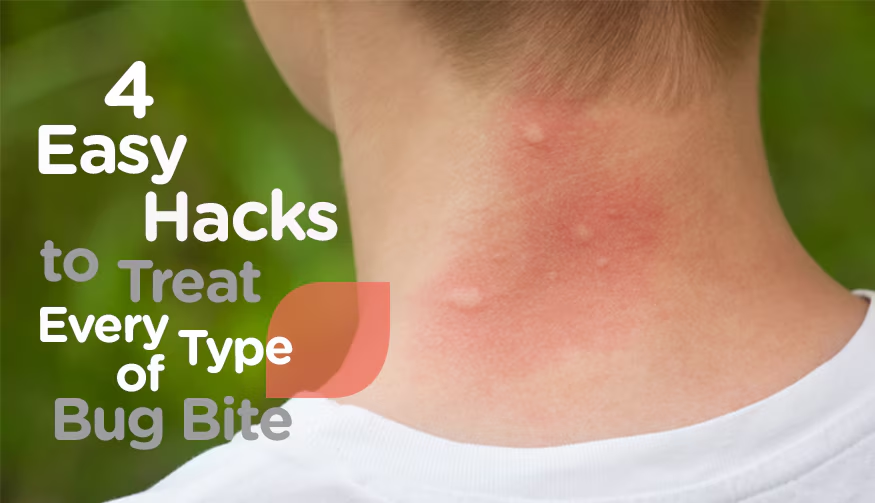
Infection is a secondary complication, usually caused by scratching, while an allergic reaction is the primary response to the insect’s venom or saliva.
| Feature | Allergic Reaction (Local Swelling) | Bacterial Infection (Cellulitis/Abscess) |
| Timeline | Peaks within 24–48 hours and then begins to subside. | Worsens and spreads consistently after the initial 48-hour period. |
| Primary Sensation | Itchiness (pruritus) and mild pain/soreness. | Severe, increasing pain and tenderness. |
| Heat/Warmth | The site may be slightly warm due to inflammation. | The area is intensely hot to the touch. |
| Systemic Symptoms | Hives (rash away from the site), swelling of the face/throat. | Fever, chills, body aches, or malaise (signs of systemic illness). |
| Discharge | Clear fluid or a small, non-pus blister may form. | Pus (thick, cloudy, yellow/white fluid) or honey-colored crusting (Impetigo). |
2. Signs of Spreading Infection (Cellulitis & Lymphangitis)
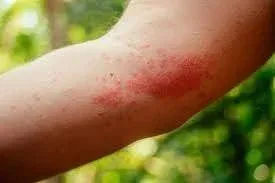
These signs are definitive indicators of bacterial spread and require immediate medical intervention with prescription antibiotics.
| Warning Sign | Danger/Action |
| Spreading Redness | The red area is rapidly growing in size, and the skin feels hard and indurated. Action: Draw a circle around the edge of the redness to monitor spread. |
| Red Streaks | Red lines radiating outward from the bite toward the heart (Lymphangitis). |
| Swollen Glands | Lymph nodes (glands) in the nearest area (armpit or groin) are swollen and tender. |
| Fever | The onset of a temperature of $100.4^\circ \text{F}$ ($38^\circ \text{C}$) or higher. |
3. Treatment Comparison
Treatment is based entirely on addressing the underlying cause: inflammation or bacteria.
| Condition | Primary Treatment | When to Seek Medical Help |
| Allergy/Swelling | Oral Antihistamines (Cetirizine) and topical Hydrocortisone Cream (1%). | If swelling progresses to affect breathing or sight (emergency). |
| Infection | Prescription Oral Antibiotics (or IV antibiotics for severe cases). | Immediately upon recognizing pus, fever, or spreading redness. |
For detailed guidance on skin infections following arthropod bites, consult the Healthline guide on Infected Bug Bites.
FAQs
1. What are the first signs of infection after an insect bite?
Early signs include increasing redness, warmth, pain, and swelling around the bite.
2. How can I tell if it’s an allergic reaction instead of infection?
Allergies cause itching, hives, generalized swelling, and rapid onset (within minutes to hours).
3. Does pus always mean the bite is infected?
Yes, pus is a strong indicator of infection, not an allergy.
4. Can an allergic reaction turn into an infection?
Yes. Excessive scratching can break the skin, allowing bacteria to enter and cause infection.
5. Do infections spread?
Infections typically spread outward, causing expanding redness or red streaks. Allergic reactions usually stay more uniform.
6. How long does it take for an infection to appear?
Most infections develop 24–72 hours after the bite.
7. When should I see a doctor?
Seek medical attention if you notice fever, spreading redness, red streaks, drainage, or if pain gets worse.
8. Can an allergic reaction cause fever?
Fever is uncommon with allergies and is more typical of infection.
9. What should I do if I’m unsure whether it’s allergy or infection?
Monitor symptoms closely; worsening pain, heat, pus, or swelling usually points to infection. Rapid itching and hives point to allergy.
Final Thoughts
Being able to distinguish infection after an insect bite vs an allergic reaction is extremely important. While allergic reactions are typically fast and involve itching, redness, and swelling, infections develop more slowly and worsen over time. Many people confuse the two, which can delay proper treatment. Recognizing symptoms like spreading redness, warmth, pus, and fever helps ensure quick medical care if an infection is present. Meanwhile, allergy-related symptoms often respond to antihistamines and topical creams. Knowing the difference empowers you to act early, stay safe, and avoid unnecessary complications.