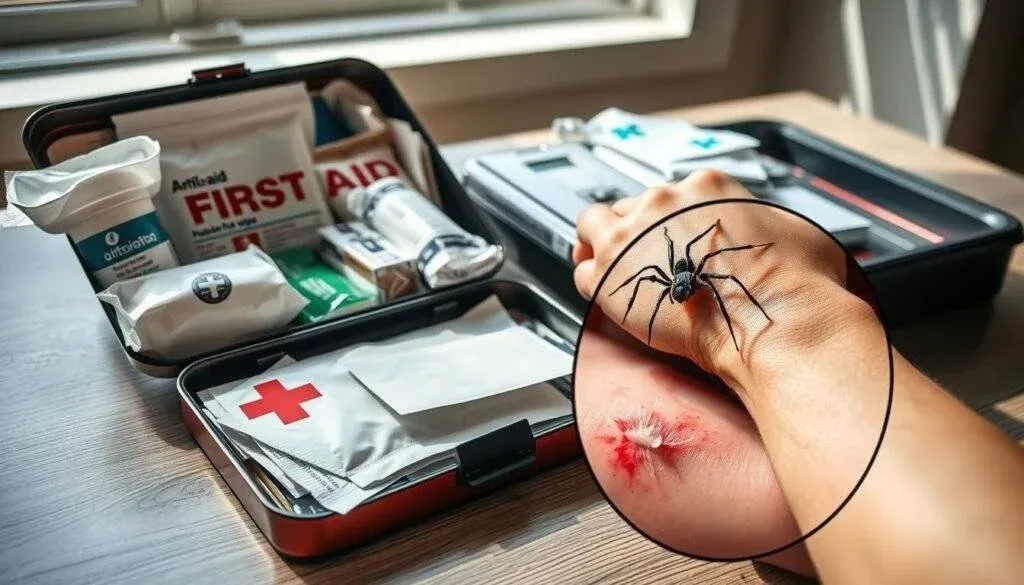
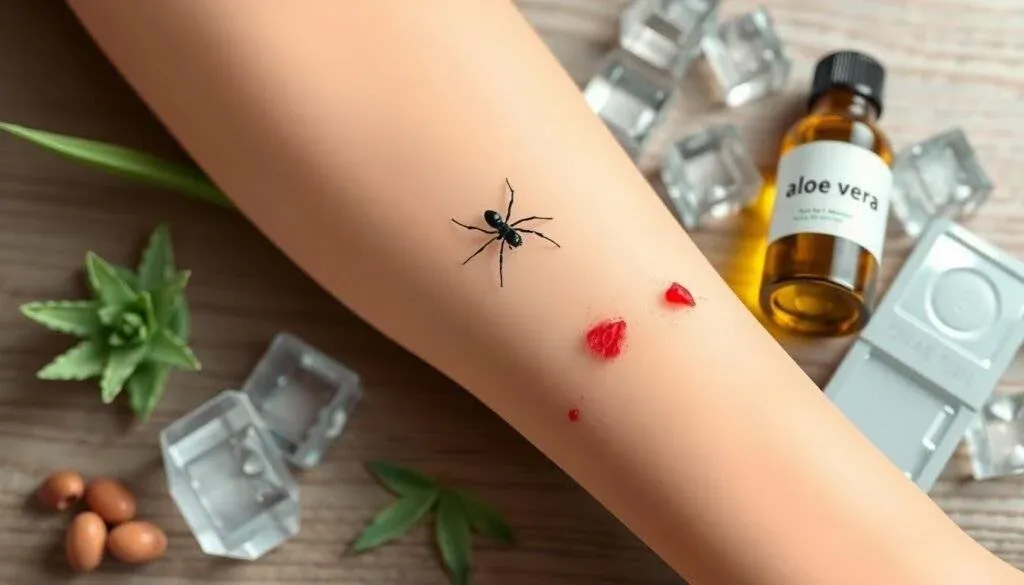
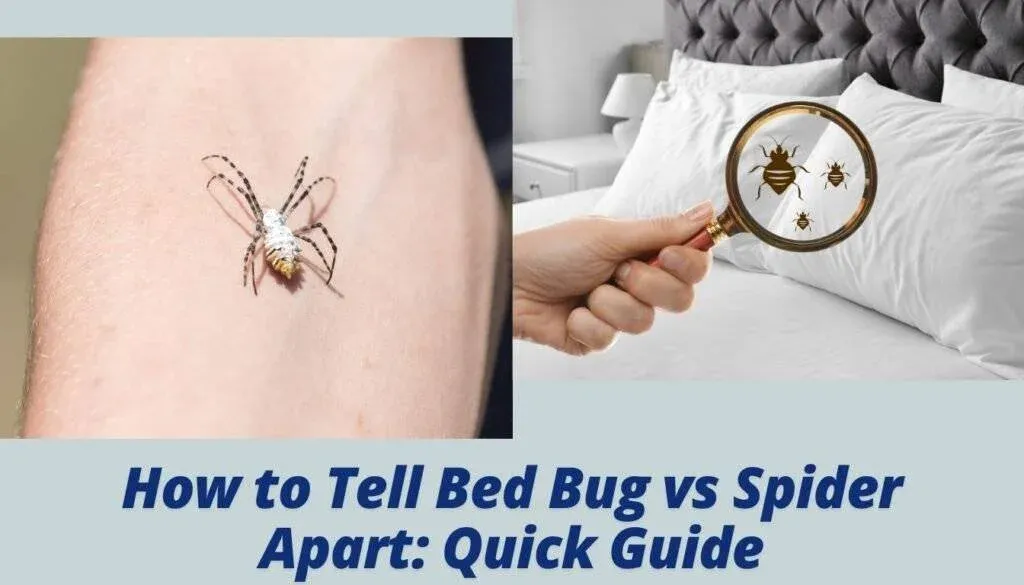
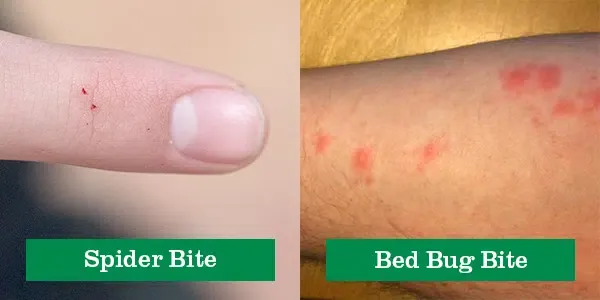
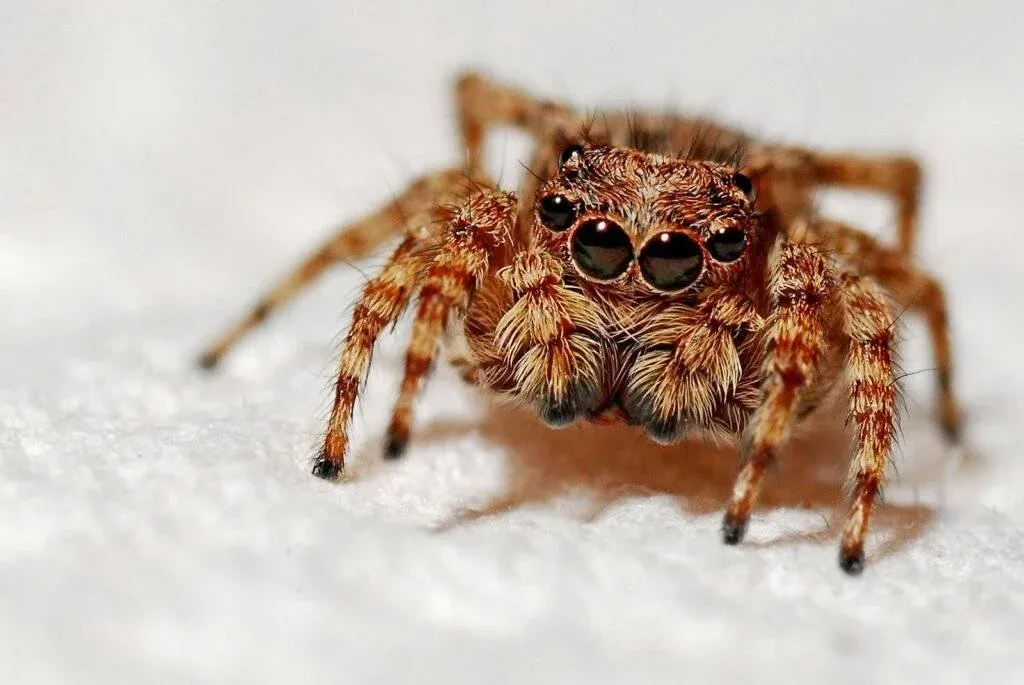
Most spider bites are harmless, causing only minor redness or itching that disappears in a few days. However, certain species like the black widow and brown recluse can cause serious health risks. Recognizing the signs of dangerous spider bite is essential for getting proper treatment quickly.
This guide explains the symptoms of dangerous bites, how to tell them apart from mild ones, and when to seek emergency medical help.
Why Some Spider Bites Are More Dangerous
Not all spiders are venomous enough to harm humans. Out of thousands of species, only a handful pose real risks. Dangerous spiders inject venom that can damage skin tissue, affect the nervous system, or trigger severe allergic reactions.
Knowing the signs of dangerous spider bite can make the difference between safe recovery and life-threatening complications.
Early Signs of a Dangerous Spider Bite
Watch for these initial symptoms within the first few hours:
Severe pain at the bite site (beyond normal itching or swelling)
Rapidly spreading redness or swelling
Blistering or open sores developing on the skin
Red or purple center wound that looks like a bull’s-eye
If you notice any of these, the bite may be more than just a minor irritation.
Systemic Symptoms to Watch For
Dangerous bites don’t only affect the skin. Some spiders inject neurotoxic or tissue-damaging venom that spreads throughout the body. Signs include:
Muscle cramps or spasms (common with black widow bites)
Nausea, vomiting, or stomach pain
Fever, chills, or sweating
Severe headache or dizziness
Difficulty breathing or swallowing
These are major warning signs of a dangerous spider bite and require immediate medical attention.
Severe Allergic Reactions
Some people may experience anaphylaxis, a life-threatening allergic reaction. Watch for:
Swelling of the lips, tongue, or throat
Sudden drop in blood pressure
Wheezing or shortness of breath
Rapid heartbeat
Call emergency services right away if these symptoms occur.
Specific Signs from Common Dangerous Spiders
Brown Recluse Spider Bite
Starts as a mild red bump, then develops into a blister
Turns into an ulcer with black or blue skin around it
Tissue death (necrosis) in severe cases
Black Widow Spider Bite
Sharp pain spreading from the bite area
Abdominal cramping similar to appendicitis
Muscle tightness, especially in the back and chest
Sweating and restlessness
Other Venomous Spiders (e.g., Funnel-web, Redback)
Severe localized pain
Rapid onset of sweating, salivation, or nausea
Neurological symptoms in extreme cases
When to Seek Medical Help
Seek emergency care if you notice:
Severe or spreading pain within hours
An ulcer, black skin, or open wound at the bite
Flu-like symptoms after being bitten
Breathing difficulties or chest tightness
Doctors may use antivenom, pain relievers, antibiotics, or wound care depending on the type of bite.
How to Stay Safe
Wear gloves and protective clothing when working in areas with spiders
Shake out shoes, clothing, or bedding stored in dark spaces
Avoid handling spiders, even if they look harmless
Seek prompt medical advice if bitten and symptoms escalate
Final Thoughts
Most spider bites are harmless, but understanding the signs of dangerous spider bite can save your life. If symptoms like severe pain, muscle cramps, fever, or blackening skin appear, seek medical care immediately. Early recognition and treatment are the best protection against complications.