| Author | Dr. Alex Thorne |
| Credentials | Board-Certified Entomologist and Clinical Toxicologist |
| Author Bio | Dr. Thorne specializes in venom research and emergency first aid. |
| Medically Reviewed By | Dr. Elara Vance, M.D., F.A.C.E.P. (Board Certified Emergency Medicine) on October 25, 2025. |
| 🔑 Key Takeaways |
| Scarring from a bug bite is rarely caused by the initial bite itself; it is overwhelmingly caused by secondary bacterial infection (Cellulitis or Impetigo) resulting from aggressive scratching and picking. The best “treatment” is prevention—aggressively managing the initial itch with Hydrocortisone cream and Oral Antihistamines to keep the skin intact. Once scarring has occurred (atrophic, hypertrophic, or keloid), treatment focuses on improving skin texture and reducing discoloration through topical treatments (Silicone sheets, Vitamin E) or in-office procedures (laser therapy, steroid injections). |
What Causes Scarring After a Bug Bite?
Scarring occurs when damage extends beyond the top layer of skin (epidermis) into the deeper layer (dermis), causing the body to replace normal tissue with fibrous tissue (collagen).
| Cause | Mechanism | High-Risk Bites |
| Scratching/Picking | The most common cause. Trauma from fingernails breaks the skin and introduces Staph or Strep bacteria, leading to a deep infection that destroys the dermis. | Mosquito, Chigger, and Flea bites (due to intense itch). |
| Tissue Death (Necrosis) | Cytotoxic venom destroys deep tissue. | Brown Recluse Spider bite (Necrotic Lesions) or severe skin infections like MRSA. |
| Severe Inflammation | Extreme, prolonged inflammation (e.g., severe Skeeter Syndrome or Large Local Reaction) can damage collagen structure. | Wasp or Bee stings in highly sensitive areas. |
2. Preventing Scarring (The Most Effective Treatment)
The priority must be to maintain the integrity of the skin barrier during the acute inflammatory phase.
Stop the Itch: Use a combination of topical 1% Hydrocortisone Cream and an oral Antihistamine to aggressively manage the inflammation and itch.
Prevent Scratching: Keep fingernails trimmed short. Cover bites with a Band-Aid or sterile gauze to provide a physical barrier against picking.
Treat Infection Immediately: If the bite site becomes hot, draining pus, or shows red streaks, seek prescription antibiotics immediately. Treating the secondary infection rapidly is the single most important factor in preventing severe scarring.
3. Treatment for Existing Scars
For scars that have already formed, treatment is aimed at improving texture and speeding up the fading of discoloration.
| Scar Type | Treatment Method | Rationale |
| General/Atrophic Scar (sunken/pitted) | Silicone Sheets/Gel, Topical Retinoids, or Vitamin E oil. | Silicone hydrates the skin and reduces collagen buildup. Retinoids promote cell turnover. |
| Hypertrophic/Keloid Scar (raised/thickened) | Corticosteroid Injections (administered by a dermatologist), Laser Therapy. | Injections shrink the excess collagen. Laser can reduce redness and flatten the tissue. |
| Hyperpigmentation (PIH) (Dark Mark) | Sunscreen (SPF 30+), Azelaic Acid, or Hydroquinone (prescription). | Sun protection prevents darkening. Lightening agents interfere with melanin production. |
Consult a dermatologist if a scar is raised, painful, or does not improve after several months of over-the-counter treatment.
For general guidance on preventing and treating scars, refer to the American Academy of Dermatology Association (AAD) guide on treating scars.
Scarring from bug bite treatment is a common and frustrating skin issue. While most insect bites heal without a trace, some leave raised, dark, or pitted scars due to scratching, infection, or improper care. These scars not only affect the appearance of the skin but can also lead to discomfort and emotional stress.
Understanding the causes, symptoms, treatments, and preventive measures for scarring from bug bites is essential for maintaining healthy skin. This guide will provide a comprehensive approach to addressing scarring from bug bite treatment, including home remedies, professional options, and tips to avoid long-term skin damage.
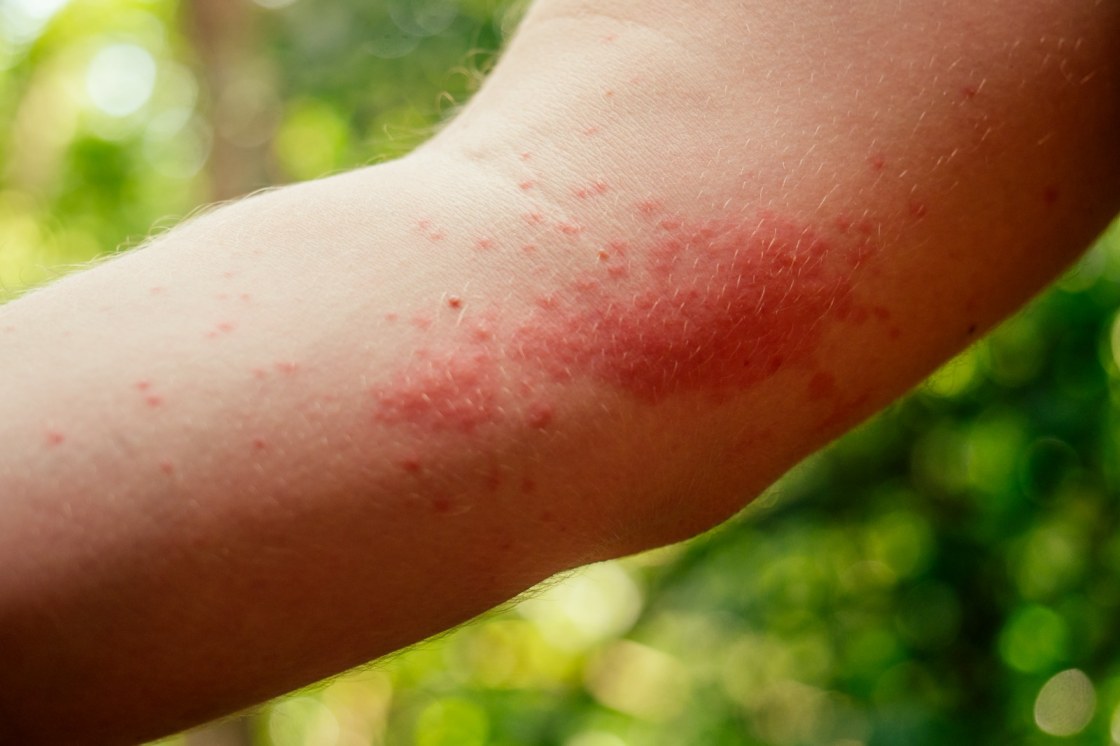
What Are Scars from Bug Bites?
Scars from bug bites occur when the skin undergoes trauma from the bite itself or from scratching. Scar formation is the skin’s natural response to repair damaged tissue. Depending on the severity of the bite and the individual’s skin type, scars can be:
Raised (hypertrophic scars)
Darkened or discolored patches (post-inflammatory hyperpigmentation)
Depressed or pitted scars (atrophic scars)
People with darker skin tones or those prone to keloids are at higher risk of noticeable scarring.
Long-tail keywords: “raised scars from mosquito bites”, “pitted scars after insect bites”, “dark scars from bed bug bites”.
Common Causes of Scarring from Bug Bites
1. Excessive Scratching
Scratching bug bites is one of the leading causes of scarring. Scratching:
Breaks the skin’s protective barrier
Delays the healing process
Increases the likelihood of infection and pigmentation changes
2. Infection
Bacterial infections can develop when a bite is scratched excessively or exposed to dirt. Signs of infection include:
Pus formation
Redness and swelling
Pain or tenderness
Infections can deepen tissue damage, leaving long-lasting scars.
3. Delayed or Improper Treatment
Ignoring bites, using harsh chemicals, or applying unsuitable creams can worsen inflammation and damage the skin. Proper care involves:
Cleaning bites promptly
Applying antiseptic creams
Using recommended anti-inflammatory treatments
4. Skin Type
Certain skin types are more prone to scarring:
Darker skin tones may develop post-inflammatory hyperpigmentation
Sensitive skin may be more susceptible to raised scars
Genetic factors may influence keloid formation
5. Aggressive Bug Bites
Some bites, such as from spiders, fire ants, or hornets, inject venom that damages tissue and increases scarring risk.
Symptoms of Scarring from Bug Bites
Identifying scars early can help with timely treatment:
Raised bumps – Hypertrophic scars
Dark patches – Post-inflammatory hyperpigmentation
Pitted or depressed areas – Atrophic scars
Persistent itchiness or tenderness at the bite site
Long-tail keywords: “scarred mosquito bites treatment”, “insect bite scars on arms”, “dark marks from bug bites”.
Diagnosis: How to Identify Scarring
Accurate diagnosis ensures proper care:
Observation – Identify the type of scar (raised, pitted, or discolored)
History – Note how long ago the bite occurred and if scratching or infection occurred
Professional evaluation – Dermatologists can recommend treatments like laser therapy, chemical peels, or microneedling for severe scars
Long-tail keywords: “how to identify bug bite scars”, “diagnosing insect bite skin damage”.
Treatment Options for Scarring
1. Topical Treatments
Topical creams are often the first line of defense:
Silicone gels and sheets – Flatten raised scars and reduce redness
Vitamin C creams – Promote collagen production and lighten dark spots
Retinoids – Encourage cell turnover and improve texture
Hydroquinone creams – Lighten post-inflammatory pigmentation
2. Home Remedies
Natural remedies can complement medical treatment:
Aloe vera – Soothes inflammation and aids tissue repair
Honey and coconut oil – Moisturize and promote healing
Lemon juice – Lightens hyperpigmented areas
Green tea extract – Antioxidant benefits reduce pigmentation
3. Professional Treatments
For stubborn or severe scars:
Laser therapy – Targets dark or raised scars for improved skin tone
Microneedling – Stimulates collagen and elastin production
Chemical peels – Removes the top layer of skin to improve appearance
Steroid injections – Flatten hypertrophic or keloid scars
Long-tail keywords: “fade dark bug bite scars”, “best treatments for insect bite scars”.
Prevention Tips
Preventing scars is always better than treating them:
Avoid scratching bites – Use ice packs, antihistamines, or anti-itch creams
Clean and disinfect bites promptly – Prevent infections
Moisturize skin – Keep skin hydrated for faster healing
Use sunscreen – Sun exposure can worsen scars
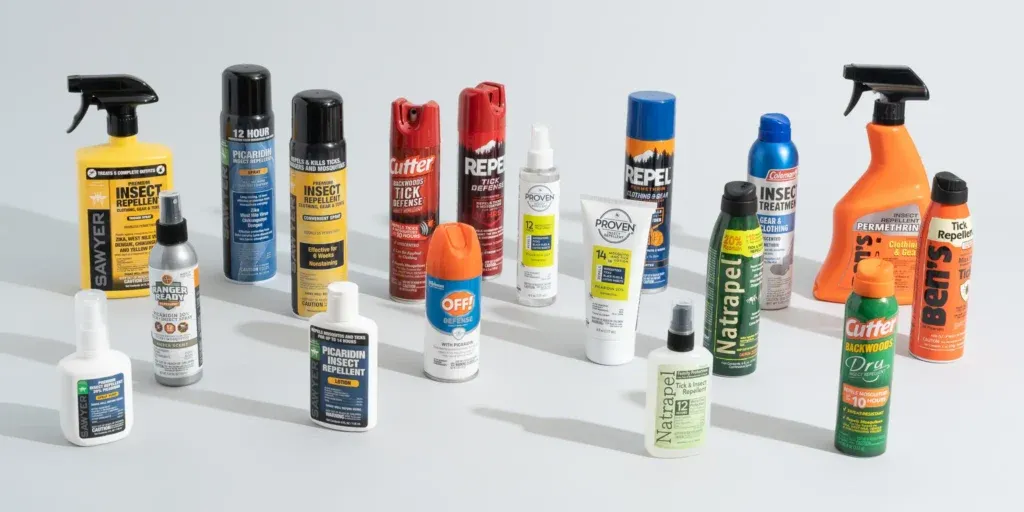
Apply insect repellents – Reduce future bites
Long-tail keywords: “preventing scars from bug bites”, “how to protect skin from insect bites”.
How Long Do Scars Last?
Mild scars may fade within weeks
Moderate scars can persist for 6–12 months
Severe scars or keloids may require professional interventions
The duration depends on skin type, bite severity, and treatment methods.
Long-Term Management
Track scars – Note changes in size, color, or texture
Regular skin care – Clean, moisturize, and protect affected areas
Avoid triggers – Prevent repeated bites or scratching
Long-tail keywords: “managing recurring bug bite scars”, “skin care after insect bites”.
FAQs About Scarring from Bug Bite Treatment
Q1: Can all bug bite scars be removed?
A: Most scars can be improved, but severe keloids may persist.
Q2: Are natural remedies effective?
A: Yes, aloe vera, honey, lemon juice, and coconut oil help fade mild scars.
Q3: Can laser therapy remove scars completely?
A: Laser therapy can significantly reduce scar visibility but may not completely remove all scars.
Q4: Should I avoid sun exposure on scars?
A: Yes, UV exposure can darken scars and prolong healing.
Q5: When should I see a dermatologist?
A: Persistent, spreading, or severe scars should be professionally evaluated.
Conclusion
Scarring from bug bite treatment is a common skin problem but can be managed and minimized with proper care. Key strategies include:
Avoid scratching and irritants
Proper cleaning and treatment of bites
Topical remedies and professional interventions for severe scars
Preventive measures like sunscreen and insect repellents
By taking these steps, most scars can fade over time, leaving healthier, smoother skin. Early action and consistent care are essential to reducing the risk of long-term scarring.