| Author | Dr. Alex Thorne |
| Credentials | Board-Certified Entomologist and Clinical Toxicologist |
| Author Bio | Dr. Thorne specializes in venom research and emergency first aid. |
| Medically Reviewed By | Dr. Elara Vance, M.D., F.A.C.E.P. (Board Certified Emergency Medicine) on October 25, 2025. |
| 🔑 Key Takeaways |
| Permethrin on clothing safety is excellent when the product is used correctly: applied ONLY to fabric (clothing, tents, gear) and NEVER to the skin. Permethrin acts as a fabric insecticide, killing ticks, mosquitoes, and chiggers on contact, and remains effective for weeks or several washings after application. The most critical safety warning is that Permethrin is highly toxic to cats when wet, so applications must be done outdoors, and treated items must be completely dry before cats are allowed near them. |
Safety Guidelines for Application
Permethrin is a synthetic chemical based on pyrethrins, natural extracts from the chrysanthemum flower. Its safety depends entirely on following the application instructions precisely.
| Rule | Action | Rationale |
| No Skin Contact | NEVER apply permethrin directly to your skin. Use only on outerwear (pants, shirts, hats, socks). | Permethrin is not intended for use as a topical repellent like DEET or Picaridin. Skin repellents should be used for exposed skin. |
| Outdoor Application | Treat all clothing and gear outdoors or in a well-ventilated, open area. | Prevents inhalation of the spray during application and protects indoor surfaces. |
| Allow to Dry | Clothing must be completely, thoroughly dry before being brought indoors or worn. | Once dry, the permethrin is bonded to the fabric and poses minimal risk to humans. |
| Cat Safety | KEEP CATS AND FISH AWAY from the application area and wet treated clothing. | Permethrin is highly toxic to cats when wet (it can cause severe tremors and death if ingested or absorbed through the skin). It is safe for cats once fully dry. |
2. Efficacy and Longevity
Permethrin provides a powerful, long-lasting barrier that offers the highest level of protection against ticks and mosquitoes when paired with a skin repellent.
Mode of Action: Permethrin works as an insecticide, killing or quickly stunning insects that land on the treated fabric. This is especially effective against ticks, as it prevents the long attachment time needed for disease transmission.
Longevity: A single DIY application of permethrin spray typically lasts for 6 weeks or 6 machine washes, whichever comes first. Commercially treated clothing (e.g., Insect Shield) can last for 70+ washes.
Washing: Wash treated clothing separately from non-treated clothing using a normal detergent cycle.
3. Permethrin as Part of a Dual Defense
For optimal insect protection, permethrin should be used only on fabric, and a separate repellent should be used on the skin.
Fabric: Permethrin (kills/repels ticks and mosquitoes).
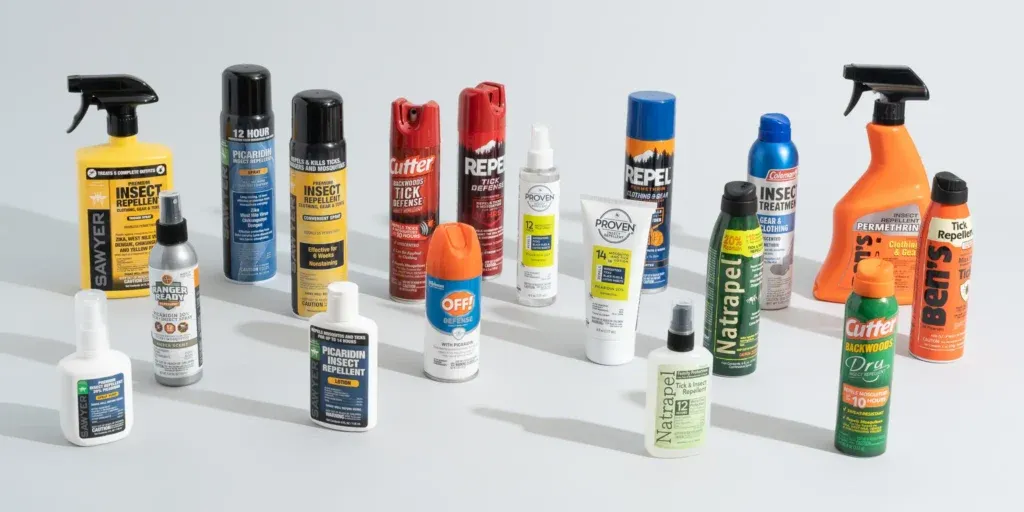
Skin: DEET or Picaridin (repels mosquitoes and biting flies).
This combined strategy provides the most complete protection for high-risk activities like hiking, camping, and hunting.
For detailed instructions on safe handling and application, refer to the U.S. Environmental Protection Agency (EPA) resources on Permethrin and its use on clothing.
FAQs
1. Is permethrin on clothing safe for humans?
Yes. Once dry, permethrin-treated clothing is considered safe and does not absorb through the skin in meaningful amounts.
2. Can children wear permethrin-treated clothing?
Yes. Permethrin is safe for kids as long as the clothing is fully dried before use.
3. Is permethrin toxic to pets?
Permethrin is dangerous to cats when wet, but safe when dry. Keep cats away from wet-treated items.
4. How long does permethrin stay effective on clothing?
Homemade treatments last 4–6 washes, while factory-treated clothing can last up to 70 washes.
5. Does permethrin irritate the skin?
It rarely causes irritation because it stays bound to the fabric instead of sitting on the skin.
6. Can I spray permethrin directly on skin?
No. Permethrin is only for clothing and gear, not for direct skin application.
7. Does permethrin damage fabric or gear?
No. It is safe on most fabrics, tents, sleeping bags, and outdoor gear.
8. Can pregnant women wear permethrin-treated clothing?
Yes. Studies show it is safe when used properly, but those who prefer extra caution can choose factory-treated items instead of DIY spraying.
Final Thoughts
When used correctly, permethrin on clothing is one of the safest and most effective ways to protect yourself from ticks, mosquitoes, and biting insects. It binds tightly to fabric fibers and does not easily transfer to the skin, making treated clothing a long-lasting barrier against insect bites and insect-borne diseases. Although permethrin is safe for humans when dry, it must be used carefully around cats and aquatic animals. With proper application and mindful storage, permethrin-treated clothing is a powerful tool for outdoor workers, hikers, campers, and anyone wanting strong, reliable protection with minimal skin exposure.