| Author | Dr. Alex Thorne |
| Credentials | Board-Certified Entomologist and Clinical Toxicologist |
| Author Bio | Dr. Thorne specializes in venom research and emergency first aid. |
| Medically Reviewed By | Dr. Elara Vance, M.D., F.A.C.E.P. (Board Certified Emergency Medicine) on October 25, 2025. |
| 🔑 Key Takeaways |
| Permanent skin discoloration from a spider bite is a type of Post-Inflammatory Hyperpigmentation (PIH) or scarring. It occurs when severe inflammation (caused by a large allergic reaction or deep infection) triggers the overproduction of melanin, leaving a dark spot (PIH), or when venom causes tissue death (necrosis), resulting in a pitted (atrophic) scar. The only spider capable of consistently causing the severe, necrotic wound that leads to permanent scarring in the U.S. is the Brown Recluse. The best “treatment” is prevention: avoiding scratching to prevent infection and treating the initial inflammation immediately. |
1. Causes of Permanent Discoloration
Skin discoloration that lasts months or years after a bite is the result of deep or prolonged damage to the skin layers.
| Type of Discoloration | Cause and Mechanism | Significance |
| Post-Inflammatory Hyperpigmentation (PIH) | Melanin Overproduction. Severe inflammation (due to scratching, large local reaction, or infection) causes the skin to deposit excess melanin (pigment) as it heals. | Most Common Cause. Leaves a flat, brown/dark spot (hyperpigmentation) that fades slowly over months to a year. More common in individuals with darker skin tones. |
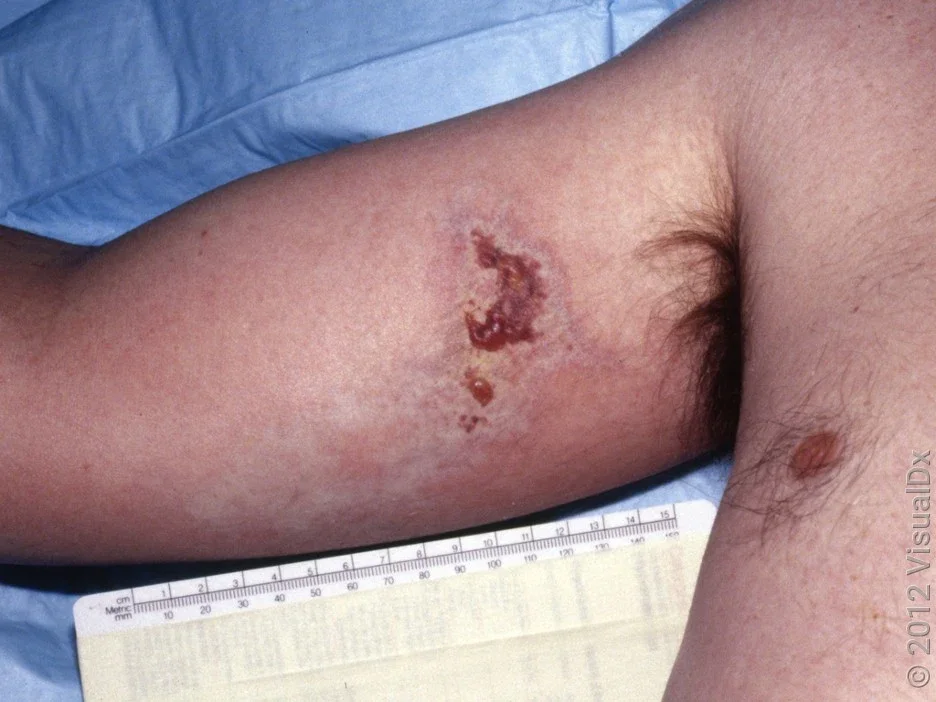
| Necrotic Scarring | Cytotoxic Venom Damage. The venom of spiders like the Brown Recluse destroys skin and fat tissue (Loxoscelism), resulting in a deep, crater-like atrophic scar (a pitted or sunken scar). | Least Common but Most Severe. The discoloration is due to the loss of tissue and uneven healing, often leaving a permanent mark. |
| Hypopigmentation | Loss of Pigment. Rarely, inflammation can destroy the melanocytes, leaving a lighter (white/pale) patch of skin at the site of the healing wound. | Less common than darkening (hyperpigmentation), but also permanent. |
2. Prevention is the Only Cure
Since discoloration and scarring are long-term results of inflammation, the most effective “treatment” happens immediately after the bite.
Stop Scratching (PIH Prevention): Aggressively treat the itch with Oral Antihistamines and Hydrocortisone Cream to prevent the skin from being broken. Scratching converts minor trauma into deep inflammation that causes PIH.
Treat Infection Immediately: If the bite becomes warm, pus-filled, or spreads (Cellulitis), seek prescription antibiotics immediately. Infection causes deep tissue damage that is highly likely to lead to scarring.
Monitor Venomous Bites: If a Brown Recluse bite is suspected, seek medical care quickly to manage the wound and minimize the extent of tissue necrosis.
3. Treatment for Existing Permanent Marks
Once the lesion has fully healed and the discoloration has set, treatment is aimed at speeding up the fading process or improving skin texture.
For Hyperpigmentation (Dark Spots):
Sun Protection: Daily use of Broad-spectrum SPF 30+ is essential, as UV light immediately darkens existing pigment.
Topical Agents: Products containing Azelaic Acid, Niacinamide, or Retinoids (Vitamin A) can help lift pigment and promote cell turnover.
For Scarring (Pitted/Atrophic):
Dermatologist Procedures: Deep scars may require in-office treatments such as microneedling, laser therapy, or dermal fillers to improve the texture and minimize the appearance of the pit.
For professional guidance on treating scars and post-inflammatory discoloration, consult the American Academy of Dermatology Association (AAD) guide on treating scars.
Many people expect a spider bite to heal within days. However, some experience something far more stubborn and long-lasting—permanent skin discoloration from spider bite injuries. This discoloration appears as dark marks, hyperpigmented patches, uneven tone, or a persistent scar that refuses to fade. The severity depends on the type of spider, the reaction of your skin, and how the bite was treated in the first place.
In dermatology, this condition is known as post-inflammatory hyperpigmentation (PIH) or post-inflammatory scarring, depending on the skin damage. For some individuals, especially those with sensitive or melanin-rich skin, discoloration can last months—or even become permanent without intervention.
Spider bites cause discoloration because the venom may destroy skin cells, trigger inflammation, or cause tissue breakdown. As the body repairs itself, pigment-producing cells (melanocytes) may overreact, creating dark patches. In severe cases, such as bites from brown recluse spiders, tissue necrosis can lead to scarring that permanently alters skin color.
Understanding the causes, symptoms, and proper treatment is essential to fading or preventing long-term discoloration.
2. Causes
Several factors contribute to permanent skin discoloration from spider bite injuries. The main keyword will appear multiple times naturally throughout this article while maintaining readability.
2.1 The Type of Spider
Not all spider bites cause discoloration. However, the following species are known for severe reactions:
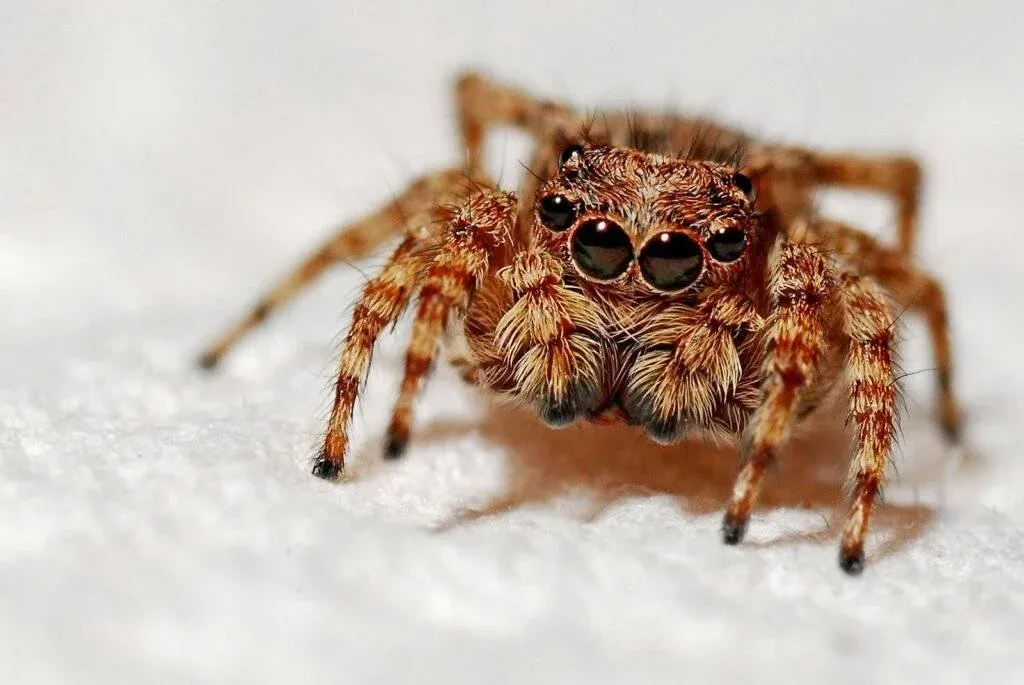
Brown Recluse Spider
Causes necrosis (tissue death)
Produces deep ulcers
Most likely to leave permanent pigment loss or dark patches
Black Widow Spider
Causes widespread nerve-related pain
May lead to long-lasting inflammation
Can cause dark or reddish patches
Yellow Sac Spider
Can cause blistering
May result in long-term hyperpigmentation
Wolf Spider
Usually mild, but can cause irritation
In some cases, dark spots remain
2.2 Skin Inflammation
Severe inflammation leads to melanocyte overstimulation. When pigment cells are triggered, they release excess melanin, darkening the skin. This is known as post-inflammatory hyperpigmentation, one of the most common culprits behind discoloration.
2.3 Tissue Damage and Necrosis
When venom destroys tissue, the body replaces it with collagen fibers during healing. This can result in:
Dark scarring
Red or purple marks
Lighter patches (hypopigmentation)
Necrosis is the #1 cause of permanent marks, especially in recluse spider bites.
2.4 Infection After the Bite
A secondary infection may worsen discoloration. Infection increases inflammation, making pigmentation more severe. Untreated sores or scratching the bite also increases the risk of permanent marks.
2.5 Delayed Treatment
Spider bites that are not cleaned, disinfected, or properly treated early are more likely to leave long-lasting marks. Delayed response leads to:
Larger lesions
Tissue breakdown
Poor healing
Persistent inflammation
2.6 Individual Skin Type
Certain skin types are more prone to long-term discoloration:
Darker skin tones
Sensitive skin
People with eczema
People with acne-prone skin
Those with a history of PIH
Melanin-rich skin produces more pigment in response to trauma.
3. Symptoms
Permanent skin discoloration from a spider bite develops gradually, often starting with certain identifiable symptoms.
Common symptoms include:
Dark brown, purple, black, or red patches
Light patches (areas losing pigment)
Indented scars
Raised scars (keloids or hypertrophic scars)
Scaling or dryness
Itching, burning, or sensitivity
Thickened or hardened skin
If necrosis is involved, the original wound may have been:
Ulcerated
Blistered
Deep
Painful
Surrounded by red/purple edges
These symptoms help doctors evaluate the severity and cause of the discoloration.

4. Medical Explanation
To understand permanent skin discoloration from spider bite, it’s important to know what happens beneath the surface.
4.1 Venom Effects
Spider venom can:
Destroy skin cells
Damage blood vessels
Trigger immune responses
Cause widespread inflammation
Lead to necrosis
When the skin attempts to repair itself, excessive melanin or collagen may form.
4.2 Melanocyte Overactivity
When skin cells detect trauma, they send signals to increase pigment production. Overactive melanocytes create dark marks known as hyperpigmentation.
4.3 Collagen Formation
If the wound was deep, collagen fibers may form thick scar tissue. Scars may be darker or lighter depending on how the skin heals.
4.4 Blood Vessel Damage
Inflamed or damaged capillaries may create purple or red discoloration.
4.5 Permanent Hypopigmentation
If melanocytes are destroyed during necrosis, the area may lose pigment permanently, resulting in a light patch instead of a dark one.
5. Diagnosis
Doctors diagnose spider bite discoloration using several methods.
5.1 Physical Examination
A dermatologist examines:
Size
Shape
Color
Texture
Location
This helps distinguish between hyperpigmentation, scarring, necrosis, or infection.
5.2 Dermatoscopy
This magnified tool helps identify:
Pigment patterns
Blood vessel structure
Tissue damage
5.3 Skin Biopsy (If Needed)
Used when:
Discoloration persists for years
Texture changes suggest scarring
Necrosis or infection is suspected
5.4 Medical History Review
Doctors may ask:
Was the bite itchy or painful?
Did blistering occur?
Was there necrosis?
Was the bite scratched?
Was it infected?
How long did it take to heal?
These details help determine the cause and severity.
6. Treatment Options
Now let’s explore how to treat permanent skin discoloration from spider bite effectively.
6.1 Topical Treatments
Hydroquinone
A powerful skin-lightening ingredient that reduces dark pigmentation.
Retinoids
Boost skin renewal and fade deep discoloration.
Azelaic Acid
Reduces inflammation and pigmentation.
Vitamin C
Brightens dark spots and increases collagen production.
Niacinamide
Reduces blotchiness, redness, and dark marks.
6.2 Dermatological Procedures
Chemical Peels
Peels like glycolic acid or TCA remove the top layers of skin to reveal a more even tone.
Laser Therapy
Laser resurfacing breaks up pigment clusters and stimulates new skin growth.
Microneedling
Helps repair scar tissue by stimulating collagen and melanin distribution.
Microdermabrasion
Gently exfoliates to fade surface discoloration.
IPL Photofacial
Treats redness and dark spots caused by inflammation.
6.3 Treating Hypopigmentation
When the bite causes lighter patches:
Phototherapy
Microneedling
Laser re-pigmentation
Topical tacrolimus
Platelet-rich plasma (PRP)
These treatments encourage melanocytes to return.
7. Home Remedies
For mild discoloration:
Aloe Vera
Reduces inflammation and redness.
Honey
Promotes healing and reduces scarring.
Turmeric
Fades hyperpigmentation naturally.
Potato Juice
Lightens dark spots due to catecholase enzymes.
Rosehip Oil
Improves collagen production.
8. Prevention
To prevent permanent skin discoloration from spider bite, follow these strategies:
Clean the bite immediately
Avoid scratching
Use antibiotic ointment
Keep skin moisturized
Cover wound with a bandage
Apply sunscreen daily
Treat inflammation early
Avoid harsh skincare products
Watch for signs of infection
Seek medical care for severe bites

FAQs
How long does discoloration last?
Anywhere from weeks to years; severe cases may become permanent.
Can spider bites really leave permanent marks?
Yes, especially recluse bites.
Does sunscreen help?
Absolutely—UV exposure darkens PIH even more.
Can discoloration be reversed?
In many cases, yes—with treatment such as retinoids, peels, or lasers.
Are home remedies enough?
Only for mild cases.
Conclusion
Permanent skin discoloration from spider bite injuries can be frustrating, but with proper treatment and early care, most discoloration can be improved or significantly faded. Understanding the type of spider, the reaction your body had, and the severity of the bite helps determine the right treatment options. Dermatologists recommend beginning treatment early and avoiding sun exposure to prevent further darkening. With patience and proper care, you can restore a more even and healthy skin tone.