| Author | Dr. Alex Thorne |
| Credentials | Board-Certified Entomologist and Clinical Toxicologist |
| Author Bio | Dr. Thorne specializes in venom research and emergency first aid. |
| Medically Reviewed By | Dr. Elara Vance, M.D., F.A.C.E.P. (Board Certified Emergency Medicine) on October 25, 2025. |
| 🔑 Key Takeaways |
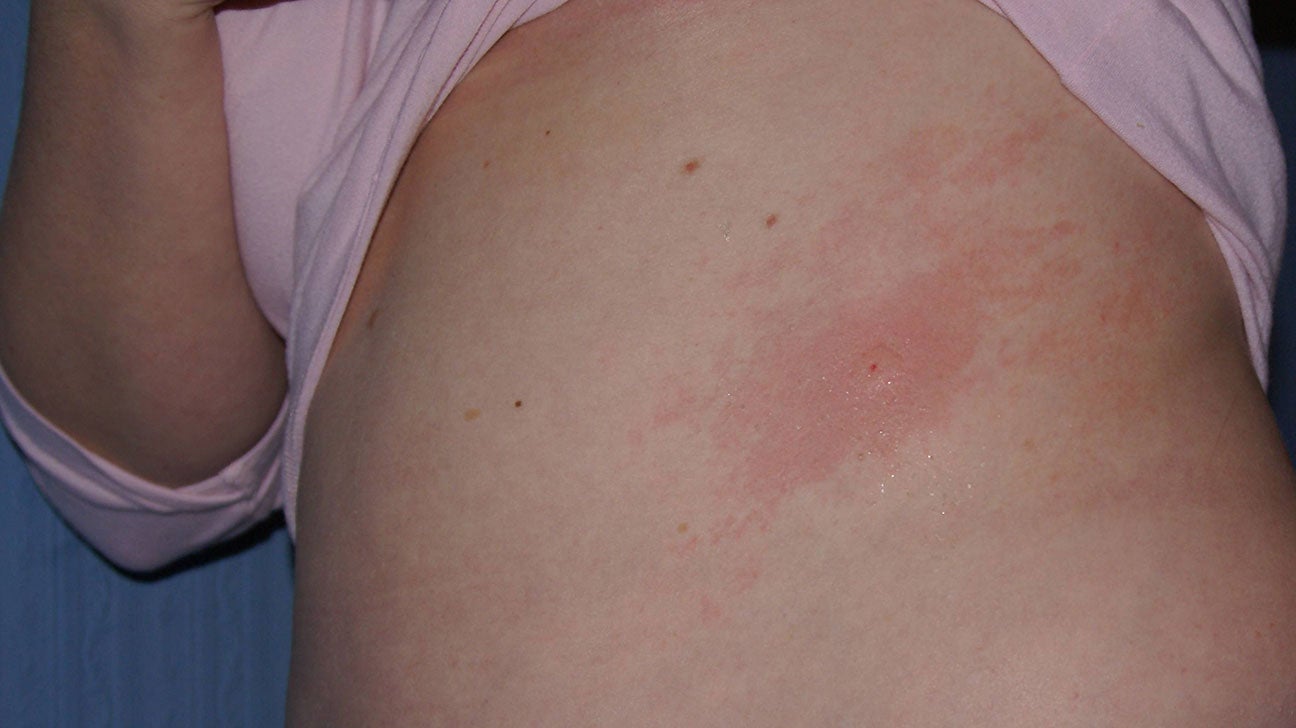
| A large local reaction (LLR) to a wasp sting is an exaggerated swelling that exceeds 4 inches (10 cm) in diameter and can involve an entire limb. While alarming, an LLR is not life-threatening (it does not affect breathing or blood pressure) and does not signify an allergy to the sting in the future. Treatment focuses on aggressive anti-inflammatory measures: combining oral Antihistamines and NSAIDs (Ibuprofen) with cold compresses. In severe cases that impair movement, a doctor may prescribe a short course of oral corticosteroids (Prednisone) to speed up recovery. |
Recognizing a Large Local Reaction (LLR)
An LLR is the body’s over-the-top, non-dangerous response to the venom and is defined by the size of the inflammation. Wasp stings are often more reactive than bee stings because the venom is more alkaline and wasps do not leave a stinger behind.
| Feature | Description | Key Action |
| Size | Swelling that is $\ge$ 4 inches (10 cm) wide or involves an entire body part (e.g., the entire hand or foot). | Monitor the size by marking the edge of the swelling with a pen and noting the time. |
| Pain/Swelling | The area is red, firm, hot, and painful. Swelling may peak at 24–48 hours after the sting. | Pain and swelling are severe but remain localized; they do not cause systemic symptoms (e.g., throat swelling). |
| Duration | The swelling is prolonged, often lasting for 3 to 10 days before completely resolving. | Persistence is normal for an LLR; do not confuse it with infection unless fever is present. |
| Allergy Risk | An LLR does NOT increase the risk of a person having life-threatening anaphylaxis with future stings. | Continue to monitor for severe allergic signs, but do not panic about the swelling alone. |
2. Treatment Protocol for Large Local Reaction
Treatment needs to be more intensive than a standard sting to minimize discomfort and speed up recovery time.
Clean and Cool: Wash the area with soap and water. Apply a cold compress or ice pack for 10–20 minutes every hour to reduce heat and initial swelling.
Oral Medication (Double Action):
Oral Antihistamines (e.g., Cetirizine): Take the maximum recommended dose to block histamine release and reduce swelling.
Oral NSAIDs (e.g., Ibuprofen): Take as directed for pain relief and to suppress inflammation throughout the body.
Elevation: Keep the affected limb elevated above the heart level as much as possible to help fluid drainage.
Prescription Steroids: For very severe LLRs (e.g., swelling that limits hand movement), a doctor may prescribe a short course of oral corticosteroids (Prednisone) to rapidly reduce the inflammation. Get more infor about Large Local Reaction to Wasp Sting Treatment.
3. When to Go to the Emergency Room
Do not assume a severe reaction is just a large local reaction; look for signs of a potentially fatal systemic response.
| Warning Sign | Action Required |
| Systemic Symptoms | Difficulty breathing, throat tightness, dizziness, or vomiting. |
| Signs of Infection | Swelling that suddenly increases after 48 hours, becomes intensely hot, or is accompanied by fever, chills, or pus drainage. |
| Sting on Face/Neck | Any sting near the eye, lips, or throat should be seen by a doctor immediately, as the swelling may quickly impair breathing or vision. |
For more information on the large local reaction and its lack of connection to anaphylaxis, consult the American College of Allergy, Asthma & Immunology (ACAAI) guide on Insect Sting Allergies.
FAQs
1. What is a large local reaction to a wasp sting?
It’s a strong allergic reaction that causes significant swelling, redness, and warmth extending more than 10 cm from the sting site.
2. How long does swelling from a large local reaction last?
Swelling usually peaks at 24–48 hours and can last 3–7 days.
3. What reduces swelling the fastest?
Cold compresses, oral antihistamines, and hydrocortisone cream are highly effective for reducing inflammation.
4. Should I take antihistamines for a large local reaction?
Yes. Antihistamines like cetirizine or diphenhydramine can help reduce swelling and itching.
5. Does a large local reaction mean I’m allergic?
It indicates sensitivity, but it does not automatically mean you will have anaphylaxis in the future. However, the risk is slightly higher.
6. When should I see a doctor?
Seek medical help if swelling spreads rapidly, you have fever, red streaks, increasing pain, or any symptoms of anaphylaxis.
7. Can large local reactions get infected?
Yes, scratching can introduce bacteria. Warmth, pus, or worsening pain after day 3 may indicate infection.
8. How can I prevent future severe reactions?
Discuss preventive allergy medications with a doctor, and avoid disturbing nests or outdoor food that attracts wasps.
Final Thoughts
A Large Local Reaction to Wasp Sting Treatment can be extremely painful and alarming, especially when swelling spreads beyond the sting site. Fortunately, most large local reactions are not life-threatening and respond well to proper care. Cold compresses, antihistamines, hydrocortisone cream, and elevation can significantly reduce discomfort. However, monitoring the reaction is important because swelling can peak within 24–48 hours. If redness expands rapidly, symptoms worsen after two days, or you develop systemic symptoms like dizziness or difficulty breathing, professional medical care is essential. With the right treatment and precautions, you can speed recovery and reduce the severity of future reactions.