| Author | Dr. Alex Thorne |
| Credentials | Board-Certified Entomologist and Clinical Toxicologist |
| Author Bio | Dr. Thorne specializes in venom research and emergency first aid. |
| Medically Reviewed By | Dr. Elara Vance, M.D., F.A.C.E.P. (Board Certified Emergency Medicine) on October 25, 2025. |
| 🔑 Key Takeaways |
| A typical horse fly bite heals within 3 to 7 days, causing initial, intense sharp pain and subsequent swelling. However, because the fly slices the skin to draw blood, the wound is larger than a mosquito bite and prone to secondary bacterial infection (Cellulitis), often due to scratching. If a secondary infection occurs, the healing time can extend to 10 days or longer and requires prescription antibiotics. Immediate treatment focuses on cleaning the wound and reducing the significant swelling. |
Horse Fly Bite Healing Timeline
Horse flies (Tabanidae species) are biting flies that cut the skin with blade-like mouthparts (rather than piercing with a needle-like proboscis, like mosquitoes) to create a pool of blood to feed from. This larger, open wound is why the initial pain and subsequent reaction are more severe.
| Timeline | Symptom/Stage | Duration |
| Immediate | Immediate, sharp, intense pain followed by a rush of localized bleeding. | Minutes |
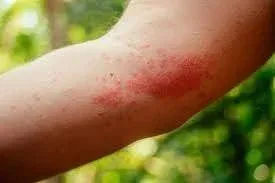
| Acute Reaction | Rapid onset of significant swelling, redness, and intense itching/soreness at the site. | Swelling usually peaks within 24–48 hours. |
| Resolution | Swelling and pain subside. The small wound/scab heals. | 3 to 7 days (uncomplicated healing). |
| Infection/Complication | If infected, the wound worsens with pus and spreading redness. | 10 days to weeks (requires antibiotics). |
2. Treatment to Speed Up Healing
The most effective way to ensure a fast healing time is to aggressively treat the inflammation and keep the wound clean to prevent bacteria from entering. learn more about Horse Fly Bite Healing Time
Clean and Cool: Wash the bite thoroughly with soap and water. Apply a cold compress or ice pack immediately to reduce swelling and numb the pain.
Suppress Swelling: Apply a strong anti-inflammatory cream like 1% Hydrocortisone Cream (OTC) to the bite, and take an Oral NSAID (Ibuprofen) to reduce the heat and swelling systemically.
Prevent Infection: Horse fly bites are prime targets for infection. DO NOT scratch or squeeze the bite. If the skin is broken, apply a thin layer of over-the-counter antibiotic ointment and keep it covered.

3. When to Seek Medical Attention
The risk with a horse fly bite is the severity of the allergic swelling and the potential for disease transmission or secondary infection.
Severe Swelling/Infection: If the swelling increases rapidly after 48 hours, the wound drains pus, or you see red streaks spreading from the bite (signs of Cellulitis). Requires prescription antibiotics.
Systemic Symptoms: If you develop a fever, severe headache, or flu-like symptoms following the bite, you must seek medical advice immediately to rule out rare diseases transmitted by biting flies (such as Tularemia).
Anaphylaxis: Immediate difficulty breathing, throat swelling, or dizziness (emergency care required).
For more information on bite management and infection, consult the Mayo Clinic’s guide on Insect Bites and Stings.
FAQs: Horse Fly Bite Healing Time
1. How long does a horse fly bite take to heal?
Most horse fly bites heal within 3–14 days, depending on bite depth, skin sensitivity, and aftercare.
2. Why do horse fly bites hurt more than other insect bites?
Horse flies tear the skin rather than puncture it, which causes more pain and inflammation.
3. What helps horse fly bites heal faster?
Clean the bite with soap and water
Apply a cold compress
Use anti-itch or hydrocortisone cream
Avoid scratching to prevent infection
4. Can horse fly bites get infected?
Yes. Due to the tearing action of the bite, infections can occur if bacteria enter the wound. Watch for pus, increased redness, warmth, or fever.
5. What does an infected horse fly bite look like?
An infected bite may appear swollen, hot, red, or filled with pus, and pain may increase over time.
6. When should I see a doctor?
Seek medical attention if swelling spreads, pain worsens, or signs of infection develop, or if you experience allergic reactions such as hives or difficulty breathing.
Final Thoughts
Horse fly bites are known for their sharp, painful bite, often causing redness, swelling, and irritation. While most bites heal within a few days to two weeks, factors such as skin sensitivity, scratching, or infection can extend healing time. Proper care—including cleaning the wound, applying cold compresses, and using anti-itch cream—helps speed up recovery. If symptoms worsen or signs of infection appear, seeking medical advice ensures safe and effective treatment.