| Author | Dr. Alex Thorne |
| Credentials | Board-Certified Entomologist and Clinical Toxicologist |
| Author Bio | Dr. Thorne specializes in venom research and emergency first aid. |
| Medically Reviewed By | Dr. Elara Vance, M.D., F.A.C.E.P. (Board Certified Emergency Medicine) on October 25, 2025. |
| 🔑 Key Takeaways |
| A hard lump under the skin after a mosquito bite for months is usually a Post-Inflammatory Nodule (or Persistent Insect Bite Reaction). This lump forms because the immune system continues to fight residual mosquito saliva components long after the initial swelling subsides, creating a dense cluster of immune cells (a granuloma). These lumps are typically benign (non-cancerous) but may be itchy, tender, and can persist for months or even years. If the lump grows, is painful, or has a fever, it must be evaluated by a doctor to rule out chronic infection. |
Primary Causes of Persistent Hard Lumps
The hardness of the lump is a sign of tissue consolidation where the immune system is actively trying to wall off a perceived threat.
| Cause | Mechanism and Structure | Significance |
| Persistent Insect Bite Reaction (Granuloma) | The body’s immune system fails to fully clear the insect’s saliva proteins, leading to a chronic, localized inflammatory response that forms a firm, fibrotic nodule (a granuloma). | Most common cause. The lump is harmless but may be itchy or tender. |
| Dermatofibroma | A slow-growing, benign growth of fibrous tissue (scar-like) that often develops in response to minor trauma, including insect bites. | Harmless, non-cancerous. Often feels hard and fixed in the skin. |
| Foreign Body Reaction | Rarely, a piece of the insect’s mouthpart or a sharp hair may remain embedded, causing the immune system to build a hard capsule around it. | Requires medical evaluation to confirm. |
| Chronic Infection (Rare) | Untreated or partially treated deep bacterial infection (Abscess) or even chronic conditions like atypical mycobacterial infection. | Requires urgent medical intervention to diagnose and treat with antibiotics. |
2. When to Seek Medical Evaluation
While most persistent lumps are harmless granulomas, a doctor must examine the lump to confirm its nature and rule out infection or rare conditions.
Consult a Dermatologist If:
The lump is growing rapidly, becomes warm, or changes color.
The lump is persistently itchy or painful despite using over-the-counter creams.
Diagnosis is unclear: If the area was not clearly a mosquito bite or if the lump is hard, firm, and you have a family history of skin cancer.
Corticosteroid Injections: If the lump is bothersome, a dermatologist can inject a corticosteroid directly into the lesion. This is the most effective treatment for shrinking and resolving chronic inflammatory nodules.
Warning Signs of Chronic Infection
Fever and Systemic Illness: The lump is accompanied by fever, chills, or malaise.
Pus/Drainage: The lump becomes painful, red, and drains pus.
Rapid Change: The lump grows quickly or feels intensely hot and hard.
3. Recommended Home Management
Do not attempt to squeeze or pop a hard lump, as this can cause deep tissue damage and introduce bacteria.
Cool Compresses: Apply a cool compress to reduce inflammation and ease tenderness.1
Topical Steroids: Use 1% Hydrocortisone Cream to suppress the chronic inflammation that is perpetuating the granuloma.
Avoid Trauma: Do not scratch, pick, or rub the area, as continued irritation encourages the lump to persist.
For guidance on persistent post-inflammatory lesions, consult the American Academy of Dermatology Association (AAD) guide on treating skin inflammation and lesions.
A hard lump under skin after mosquito bite for months can be concerning. While most mosquito bites heal within a few days, some can leave a persistent lump due to inflammation, infection, or immune response. Understanding why these lumps form, how to treat them, and when to seek medical attention is crucial for maintaining skin health.
This guide explores the causes, symptoms, treatments, and preventive measures for hard lumps that persist after mosquito bites.
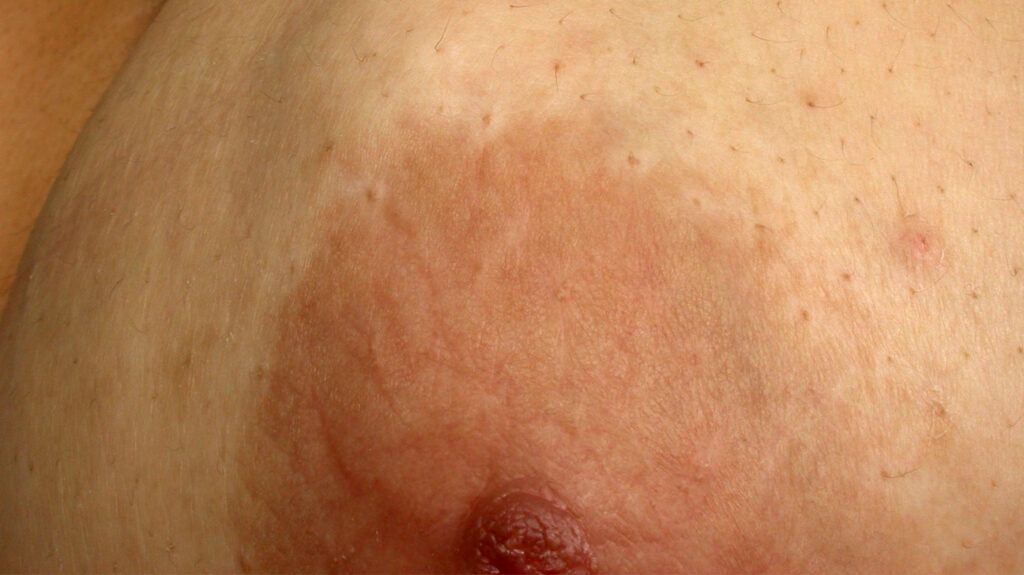
What Is a Hard Lump After a Mosquito Bite?
A hard lump under the skin following a mosquito bite is usually the result of:
Inflammation – The body’s immune response to mosquito saliva
Localized infection – Bacterial infections from scratching
Scar tissue formation – Post-inflammatory fibrotic tissue
Cyst or granuloma – Small fluid-filled or solid nodules
These lumps can persist for weeks or months and may vary in size, tenderness, and appearance.
Long-tail keywords: “persistent mosquito bite lump”, “hard nodule after insect bite”, “mosquito bite swelling lasting months”.
Common Causes of a Hard Lump After Mosquito Bites
1. Immune Response
Some individuals have strong immune reactions to mosquito saliva, causing prolonged swelling and a firm lump under the skin.
2. Infection
Scratching mosquito bites can introduce bacteria, leading to:
Painful nodules
Redness and warmth around the bite
Potential abscess formation
3. Granuloma Formation
A granuloma is a small area of inflammation caused by the immune system to isolate foreign substances, such as mosquito saliva or debris. Granulomas can remain for weeks to months.
4. Scar Tissue
Persistent lumps may also result from fibrotic tissue forming at the bite site, especially if:
The bite was scratched repeatedly
There was delayed healing or secondary infection
5. Other Rare Causes
Lipomas – Benign fatty lumps coincidentally at the bite site
Cysts – Fluid-filled nodules after inflammation
Underlying skin conditions – Rarely, insect bites may trigger autoimmune reactions
Symptoms to Watch
Hard lumps from mosquito bites may have the following symptoms:
Firm or rubbery texture under the skin
Persistent swelling for weeks or months
Mild redness or discoloration
Occasional tenderness or itching
Seek medical attention if the lump:
Becomes increasingly painful
Shows signs of infection (pus, warmth, fever)
Grows rapidly or changes in shape
Long-tail keywords: “hard lump months after mosquito bite”, “persistent swelling from insect bite”, “mosquito bite nodule treatment”.
Diagnosis
A healthcare professional may recommend:
Physical Examination – Assess size, texture, and tenderness of the lump
Medical History – Check for previous bites, infections, or allergies
Diagnostic Tests – Ultrasound, biopsy, or blood tests if needed
Long-tail keywords: “diagnosing mosquito bite lumps”, “how to identify persistent insect bite nodules”.
Treatment Options
1. Home Remedies
Cold compresses – Reduce swelling and numb discomfort
Topical anti-inflammatory creams – Hydrocortisone or calamine lotion
Avoid scratching – Prevent secondary infection and scar tissue
2. Medical Treatments
Oral antihistamines – Reduce immune-mediated swelling
Antibiotics – Treat infections if present
Steroid injections – Reduce inflammation in persistent lumps
Surgical removal – In rare cases for cysts or granulomas
3. Natural Remedies
Aloe vera – Anti-inflammatory and soothing properties
Honey and turmeric paste – Reduce swelling and aid healing
Tea tree oil – Natural antiseptic for minor inflammation
Long-tail keywords: “treatment for hard lump after mosquito bite”, “home remedies for insect bite lumps”.
Prevention Tips
Avoid scratching bites – Scratching can cause infections and scarring
Use mosquito repellents – Reduce exposure to bites
Maintain hygiene – Clean bites immediately to prevent infection
Moisturize skin – Prevent dry, irritated skin that worsens lumps
Long-tail keywords: “preventing lumps from mosquito bites”, “how to avoid hard nodules after bites”.
How Long Do These Lumps Last?
Mild immune reaction lumps may resolve within 2–4 weeks
Fibrotic tissue or granulomas can persist for several months
Infected or cystic lumps may require professional treatment
Recovery depends on severity, treatment, and individual skin response.
Long Term Management
Monitor the lump for changes in size or tenderness
Avoid repeated bites in the same area
Consult a dermatologist if the lump persists beyond 3–6 months
Consider professional treatment for cosmetic or health concerns
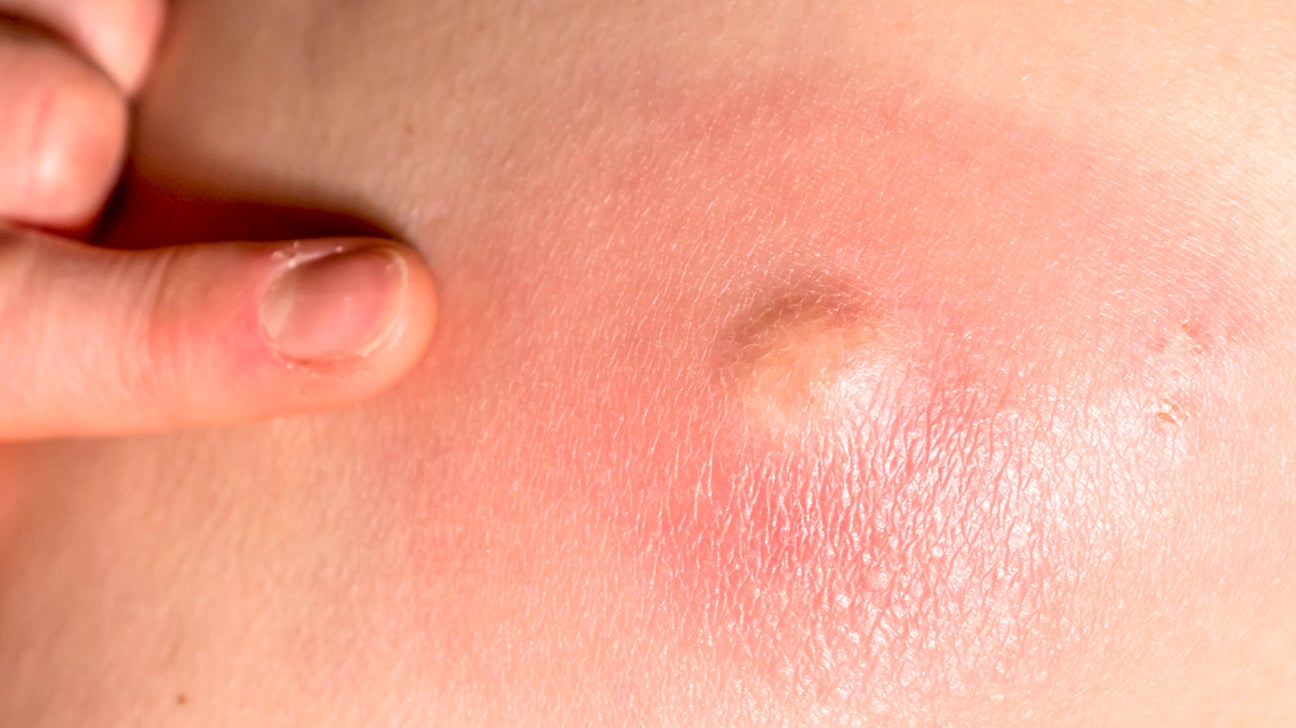
FAQs About Hard Lumps After Mosquito Bites
Q1: Can a mosquito bite cause a permanent lump?
A: Rarely, a small granuloma or fibrotic tissue may persist, but most lumps eventually resolve.
Q2: Should I worry if the lump is painless?
A: Painless lumps are usually less serious but should still be monitored for changes.
Q3: Can scratching make the lump worse?
A: Yes, scratching increases inflammation, infection risk, and scarring.
Q4: How can I speed up healing?
A: Use anti-inflammatory creams, avoid scratching, and keep the area clean.
Q5: When should I see a doctor?
A: If the lump grows, becomes painful, shows signs of infection, or persists beyond a few months.
Conclusion
A hard lump under the skin after mosquito bite for months can be caused by immune reactions, infection, granulomas, or scar tissue. Most lumps are harmless and resolve over time, but persistent or painful lumps should be evaluated by a healthcare professional.
Treatment options range from home remedies and topical creams to medical interventions like steroids, antibiotics, or minor surgical procedures. Prevention through mosquito control, hygiene, and avoiding scratching is key to minimizing the risk of persistent lumps.
By understanding the causes and treatments, individuals can manage these lumps effectively and maintain healthy, smooth skin.