| Author | Dr. Alex Thorne |
| Credentials | Board-Certified Entomologist and Clinical Toxicologist |
| Author Bio | Dr. Thorne specializes in venom research and emergency first aid. |
| Medically Reviewed By | Dr. Elara Vance, M.D., F.A.C.E.P. (Board Certified Emergency Medicine) on October 25, 2025. |
| 🔑 Key Takeaways |
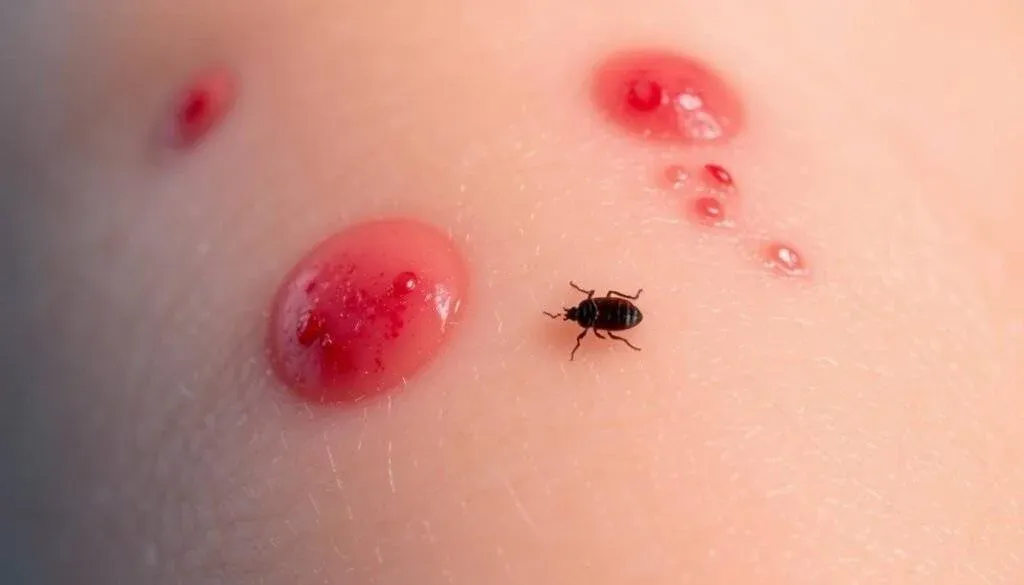
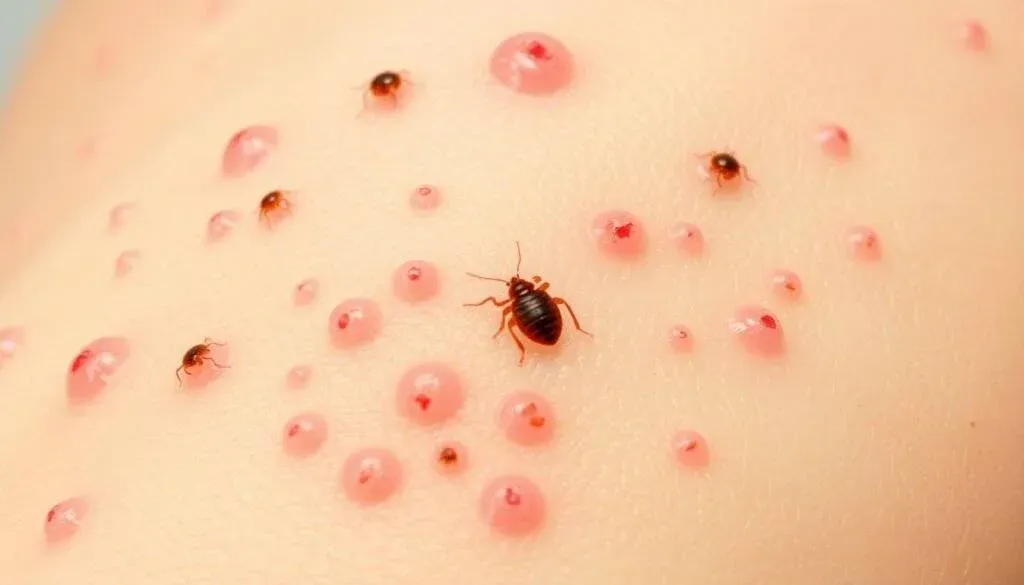
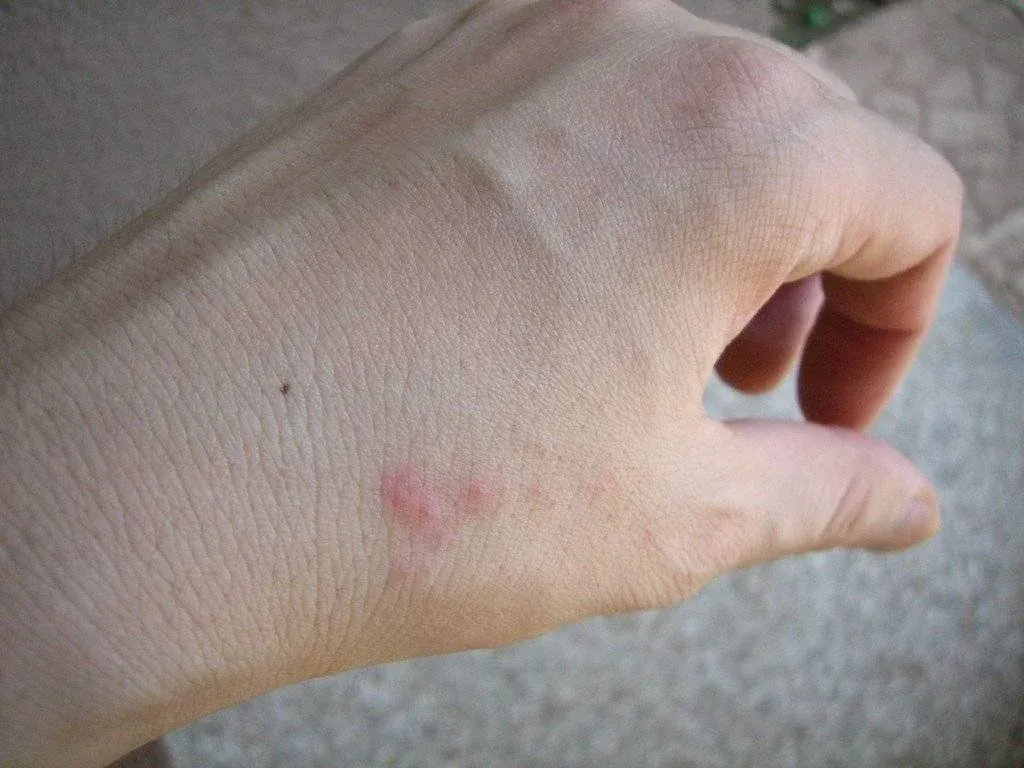
| The “gaps” often seen in bed bug bites are due to the insect’s unique feeding behavior. Bites typically appear in a recognizable linear cluster or zigzag pattern—the famous “breakfast, lunch, and dinner” sign—which is caused by the bug moving slightly to find a better blood vessel or being briefly interrupted while feeding. The spaces (gaps) between the bites reflect the short distance the bug walked before feeding again. However, the absence of this pattern or the presence of wide gaps does not rule out bed bugs, as bites can also appear scattered or as single, random marks, depending on how undisturbed the bug was. |
The Science Behind the Bite Pattern
Bed bugs are nocturnal blood feeders that are highly sensitive to movement and chemical cues. They rarely bite once; instead, they often probe the skin several times to secure a blood meal.
| Pattern | Description | Cause |
| Linear Cluster | 3 to 5 bites appearing in a straight line or tight crescent. | The bug is undisturbed but moves slightly along a blood vessel line to find a better feeding spot, leaving small gaps in bed bug bites between the feeding attempts. |
| Random Cluster | Multiple bites grouped together in a general area (e.g., on the shoulder or hand). | Several bugs fed in close proximity to one another, or the host shifted slightly, causing the bug to detach and reattach nearby. |
| Single Bite | One isolated red welt. | The bug secured a perfect feed immediately, or it was the only bug to feed that night. This pattern is easily confused with mosquito or flea bites. |
2. Why Bites Appear in “Gaps” on the Body
The gaps in bed bug bites are dictated by the physiology of the skin and the interruption of the bug’s meal.
Searching for Blood: The insect probes the skin with its mouthparts until it locates a capillary. This process itself can leave multiple initial, small marks before the actual feeding site is chosen.
Skin Surface: The linear arrangement with gaps in bed bug bites is most obvious on flatter surfaces (like the arm or back) where the bug can walk easily between probes.
Delayed Reaction: The person’s immune system often reacts differently to each bite, meaning one bite may swell immediately while the one right next to it (the “gap” area) may not appear until a day later, making the pattern seem irregular.
3. When to Stop Focusing on the Bites
Because up to 70% of people do not react to bed bug bites at all, and the pattern is not always clear, focusing solely on the rash (including the gaps in bed bug bites) is a poor diagnostic tool.

Definitive Diagnosis Protocol
If you suspect bed bugs, disregard the bites and look for physical evidence in the environment:
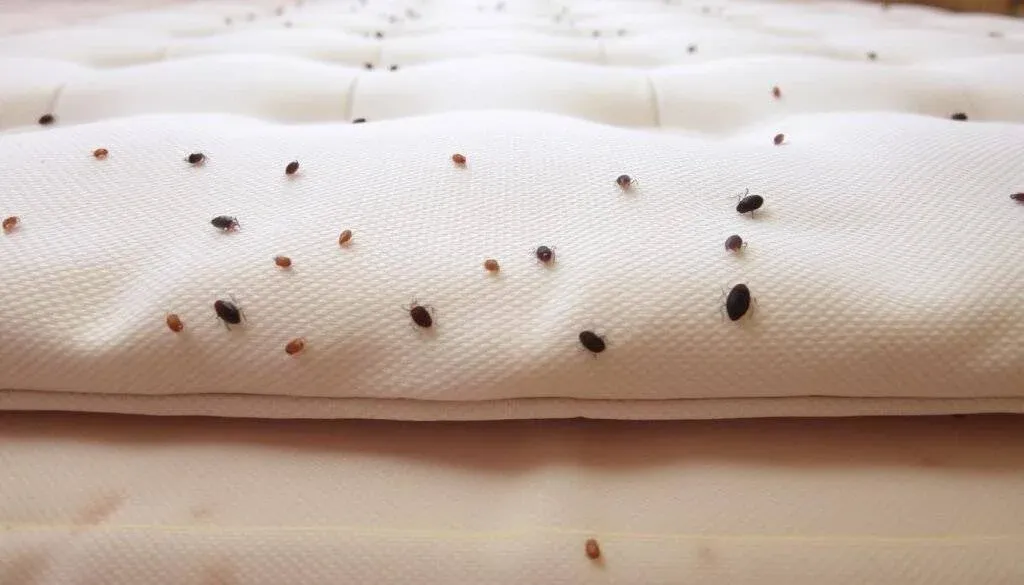
Fecal Spots: Tiny, dark brown/black specks that look like marker dots on mattress seams, box springs, and headboards. If you wipe them with a damp cloth, they smear reddish-brown.
Shed Skins: Pale, translucent, empty shells left behind by the nymphs as they grow.
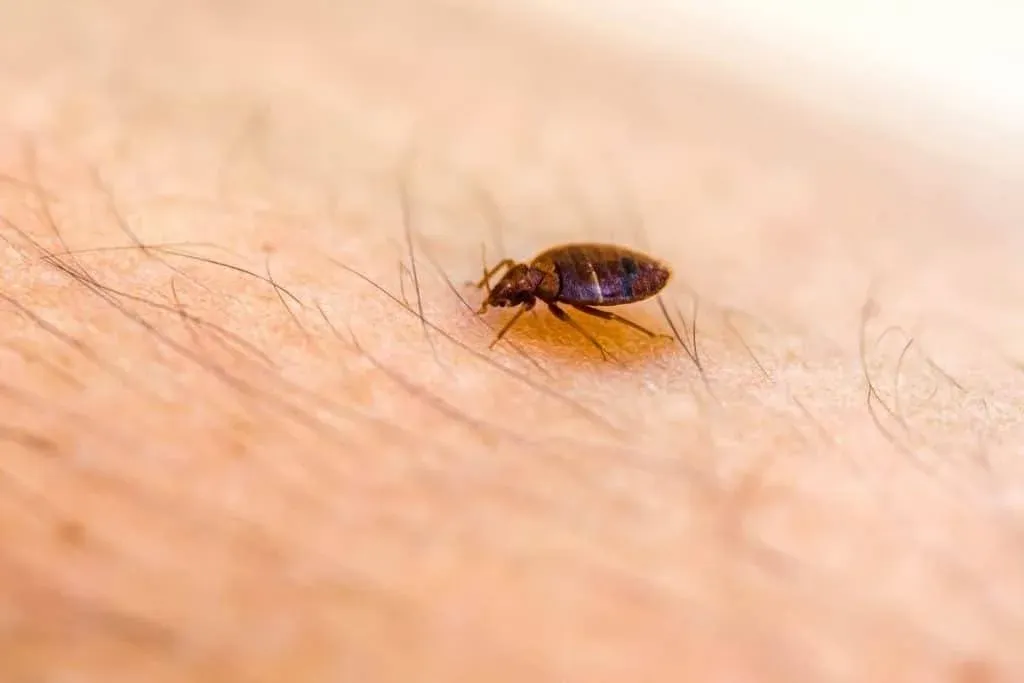
Live Bugs: Flat, apple-seed-sized, reddish-brown adult insects hiding in crevices.
If you find this evidence, immediate professional pest control treatment is required.
For a visual guide to the pattern of bites and associated evidence, consult the CDC guide on Bed Bugs.
FAQs: Gaps in Bed Bug Bites
1. Why are there gaps in bed bug bites?
Bed bugs often feed in a line or cluster, biting multiple times with small gaps between each bite. This is normal and reflects their feeding behavior.
2. How can I identify bed bug bites?
Look for small, red, itchy bumps, often in lines or clusters with spaces in between. Bites usually appear on exposed skin areas like arms, legs, and neck.
3. How long do bed bug bites last?
Bites generally heal within 7–14 days, though itching may persist longer.
4. What is the best treatment for bed bug bites?
Wash the area with soap and water
Apply anti-itch creams or calamine lotion
Take oral antihistamines for severe itching
Avoid scratching to prevent infection
5. How can I prevent bed bug bites?
Inspect mattresses, bedding, and furniture for signs of bed bugs
Use protective mattress covers
Keep your living space clean and clutter-free
Seek professional pest control if infestation is confirmed
6. When should I see a doctor?
See a doctor if bites become infected, cause severe allergic reactions, or persist for an unusually long time.
Final Thoughts
Gaps in bed bug bites are common and occur due to the feeding patterns of bed bugs, which often bite in clusters or lines, leaving spaces between bites. Recognizing these patterns can help you identify an infestation early. Proper treatment includes cleaning the affected area, applying anti-itch creams, and monitoring for infections. Additionally, eliminating the source by treating your bedding and living area is key to preventing further bites. Understanding bite patterns and gaps helps in effective management and relief from bed bug bites.