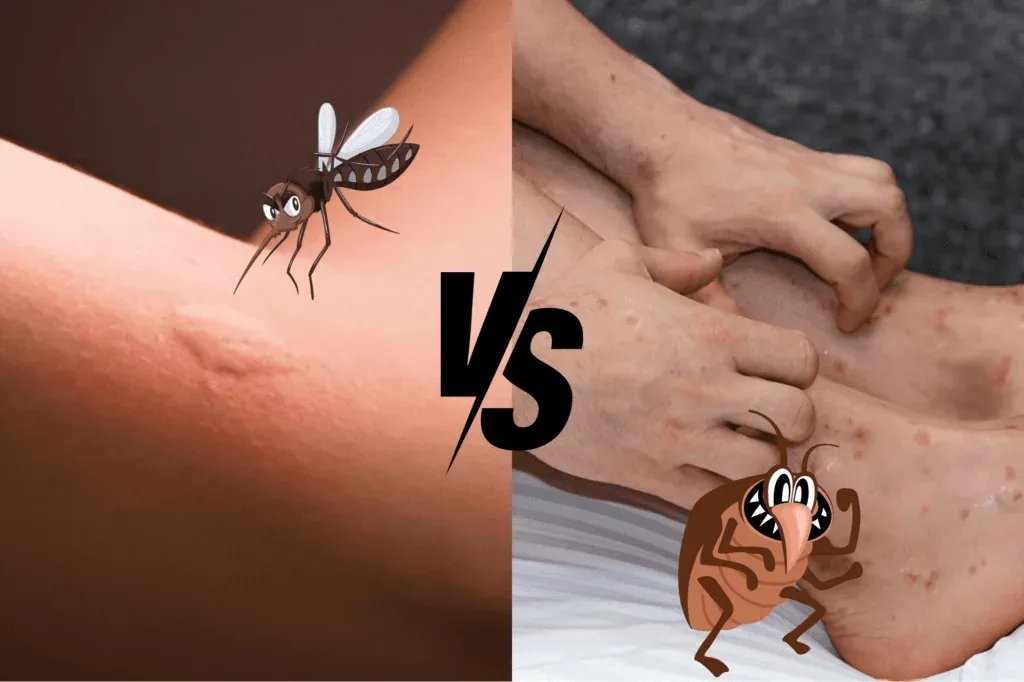
When it comes to insect bites, many people struggle to tell the difference between a flea vs mosquito bite. Although both can cause irritation, redness, and itching, they are quite different in appearance, cause, and treatment. Understanding these differences is essential for proper care and prevention.
In this guide, we’ll explore the signs, causes, treatments, and prevention methods for both flea and mosquito bites so you can take quick action and protect your skin.
What Is a Mosquito Bite?
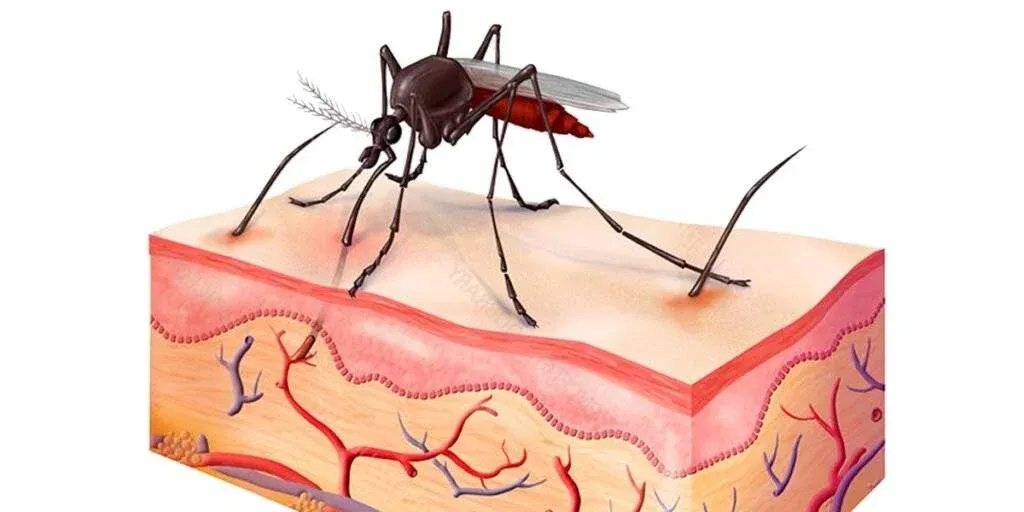
A mosquito bite occurs when a female mosquito pierces your skin to draw blood. During this process, it injects a small amount of saliva that triggers your body’s immune response, causing redness and itching. Unlike fleas, mosquitoes usually bite exposed skin, especially during dawn and dusk.
Common mosquito bite symptoms include:
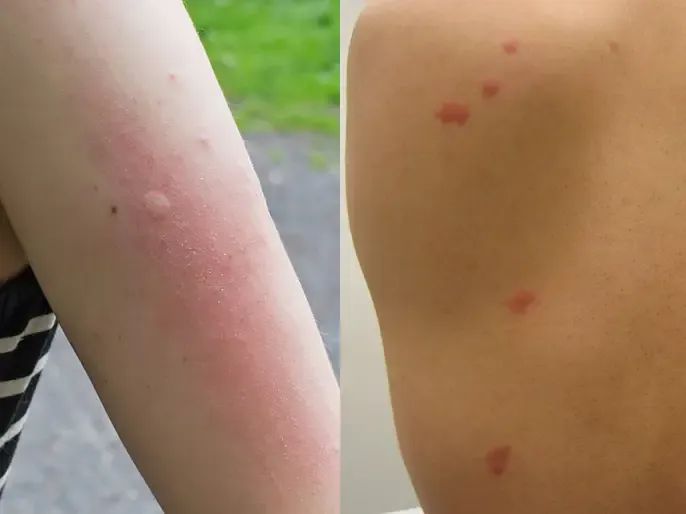
Red, raised bumps that itch immediately
Mild swelling around the bite area
Small clusters of bites on exposed body parts like arms, legs, or face
In severe cases, mosquito bites can cause allergic reactions or transmit diseases such as dengue, malaria, and Zika virus. Therefore, recognizing and treating these bites promptly is important.
What Is a Flea Bite?
A flea bite, on the other hand, comes from small, jumping parasites that feed on blood often found on pets like cats or dogs. Fleas typically bite humans around the ankles, legs, and waist area because these regions are easier to reach.
Flea bite symptoms include:
Tiny red bumps surrounded by a red halo
Intense itching that worsens with scratching
Bites appearing in clusters or straight lines
While mosquito bites usually fade within a day or two, flea bites can linger longer and may cause secondary infections if scratched excessively.
Flea vs Mosquito Bite: Spotting the Differences
At first glance, both bites can appear similar. However, with a closer look, you can easily distinguish between a flea vs mosquito bite based on their appearance, location, and symptoms.
| Feature | Flea Bite | Mosquito Bite |
|---|---|---|
| Size & Shape | Small, clustered red dots | Round, raised bumps |
| Location | Ankles, legs, waist | Arms, legs, neck, face |
| Itching | Intense, persistent | Mild to moderate |
| Timing | Anytime, often indoors | Dawn and dusk, mostly outdoors |
| Source | Pets or infested areas | Standing water, humid climates |
In summary, flea bites appear in groups and itch more intensely, while mosquito bites are more scattered and temporary.
How to Treat Flea vs Mosquito Bite
Whether it’s a flea or a mosquito bite, quick treatment helps relieve discomfort and prevents infection. Here’s how to handle each type effectively:
Mosquito Bite Treatment
Clean the area with mild soap and water.
Apply an ice pack for 10–15 minutes to reduce swelling.
Use anti-itch creams or hydrocortisone ointment to calm irritation.
Avoid scratching, as it can cause infection.
Try home remedies, such as aloe vera or baking soda paste, for natural relief.
Flea Bite Treatment
Wash the bites gently with warm water and antiseptic soap.
Apply calamine lotion or anti-itch cream.
Take antihistamines, if itching is severe.
Disinfect bedding and clothes to prevent re infestation.
Treat your pets with vet-approved flea medication to eliminate the source.
Remember: The key difference in treating a flea vs mosquito bite is addressing the source fleas usually come from pets or surroundings, while mosquitoes breed in stagnant water.
Prevention Tips for Flea vs Mosquito Bite
Prevention is always better than treatment. Follow these simple yet effective steps to avoid both flea and mosquito bites:
Preventing Flea Bites
Regularly bathe and groom pets.
Wash pet bedding weekly in hot water.
Vacuum carpets, rugs, and furniture frequently.
Use flea collars or spot on treatments.
Preventing Mosquito Bites
Use insect repellents containing DEET or picaridin.
Install window screens to keep mosquitoes out.
Wear long sleeves and pants outdoors.
Remove standing water around your home.
Ultimately, preventing a flea vs mosquito bite is about maintaining cleanliness and eliminating breeding areas.
When to See a Doctor
Most bites heal within a few days, but you should seek medical attention if you notice:
Severe allergic reactions or swelling
Signs of infection (pus, redness, warmth)
Fever, body aches, or fatigue
Persistent itching that doesn’t improve
Since both fleas and mosquitoes can transmit diseases, it’s always best to consult a healthcare professional if symptoms worsen.
Home Remedies for Itching and Swelling
If you prefer natural relief, several home ingredients can ease the irritation from both flea and mosquito bites:
Aloe vera: Soothes redness and itching.
Apple cider vinegar: Acts as a mild antiseptic.
Baking soda paste: Neutralizes the skin’s pH and reduces swelling.
Honey: Has antibacterial properties that prevent infection.
Additionally, keeping your skin moisturized and avoiding scratching will help your skin heal faster after a flea vs mosquito bite.
Final Thoughts
Distinguishing between a flea vs mosquito bite is crucial for effective treatment and prevention. While mosquito bites are more common outdoors, flea bites often come from pets and can be more irritating. By identifying the bite type quickly and using the right treatment, you can avoid infection, reduce itching, and keep your skin healthy.
In conclusion, maintaining good hygiene, using repellents, and treating your pets regularly are the best ways to protect yourself and your family from these itchy invaders.